

Iran Delegation Heads to UN General Assembly to Press Grievances
news

Iran Delegation Heads to UN General Assembly to Press Grievances

By Editorial TeamSep 22, 2026 · 7:03 PM4 min read
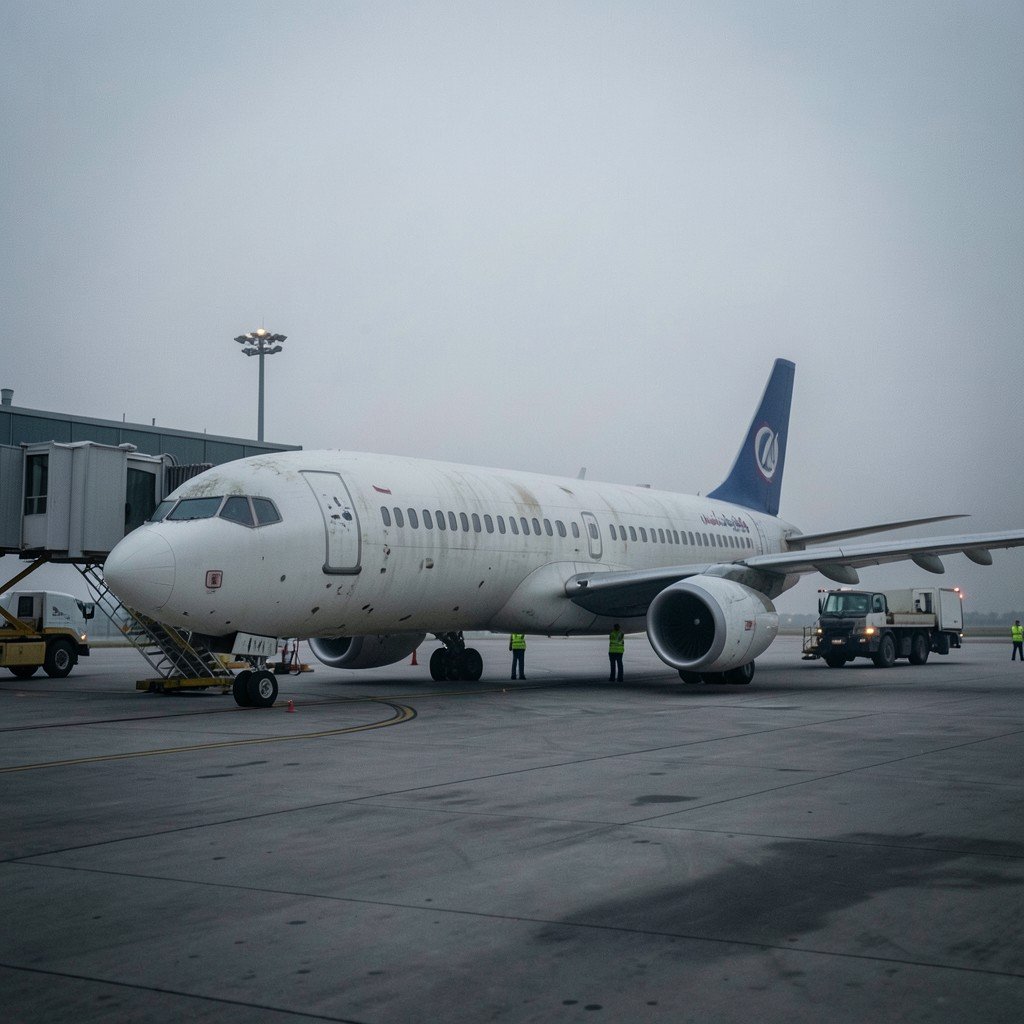
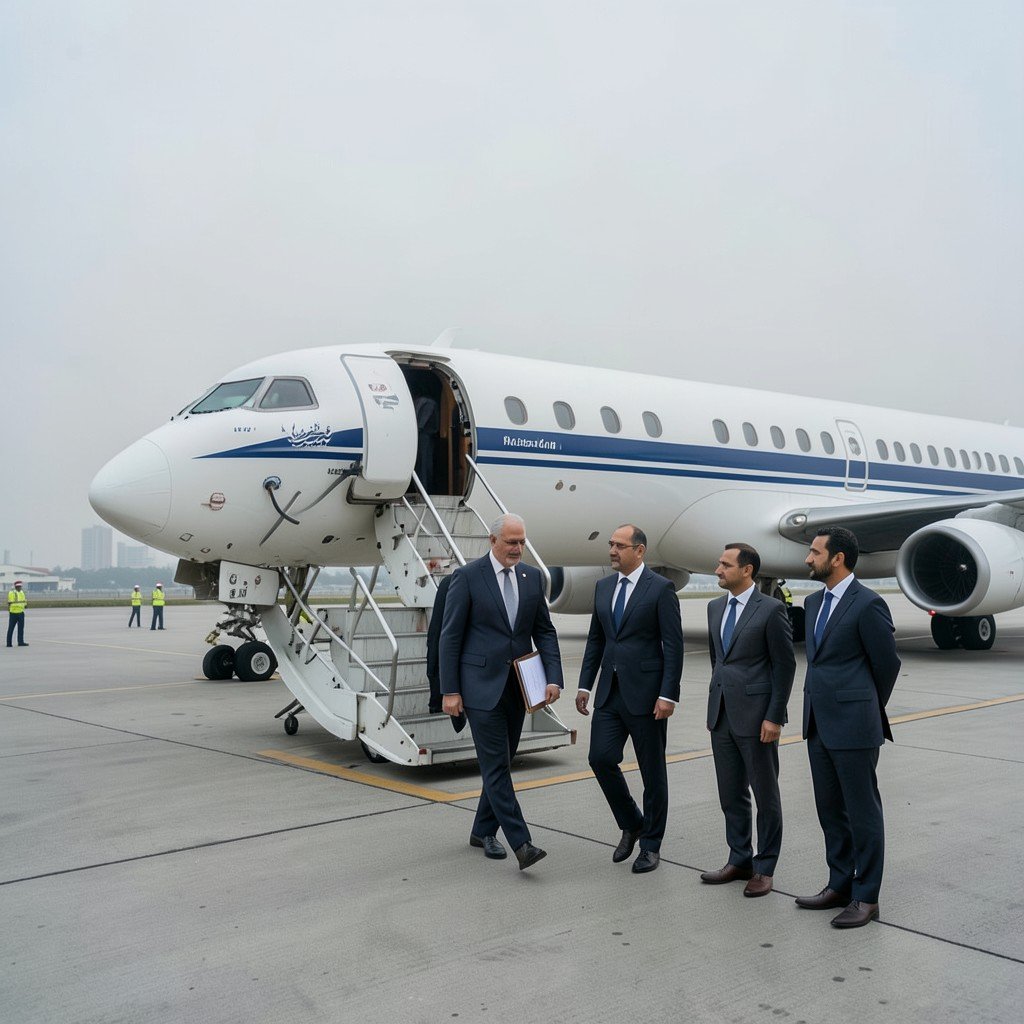
AI-generated representative image: An Iranian official delegation boards a government aircraft in Tehran ahead of the UN General Assembly session in New York.
Editorial Team
Editorial Team
Pezeshkian and Araghchi to raise the US-led war, naval blockade and loss of trust in the United Nations while signalling openness to diplomacy

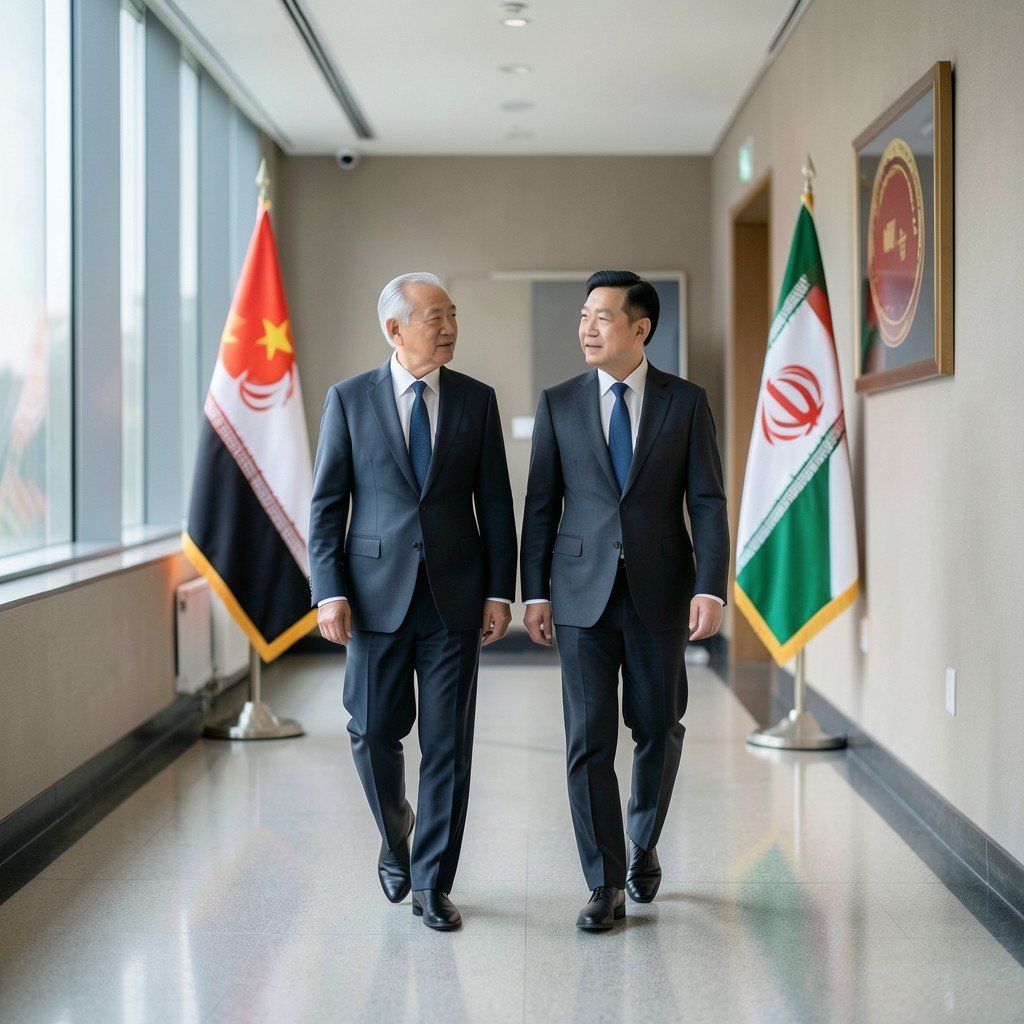
Iranian President Masoud Pezeshkian departed Tehran on Tuesday morning for New York, where he is scheduled to address the 193-member United Nations General Assembly on Wednesday. He is joined by Foreign Minister Abbas Araghchi and other officials, with the delegation expected to voice grievances over the war launched by the United States and Israel on Iran while also exploring avenues for resolving the conflict.

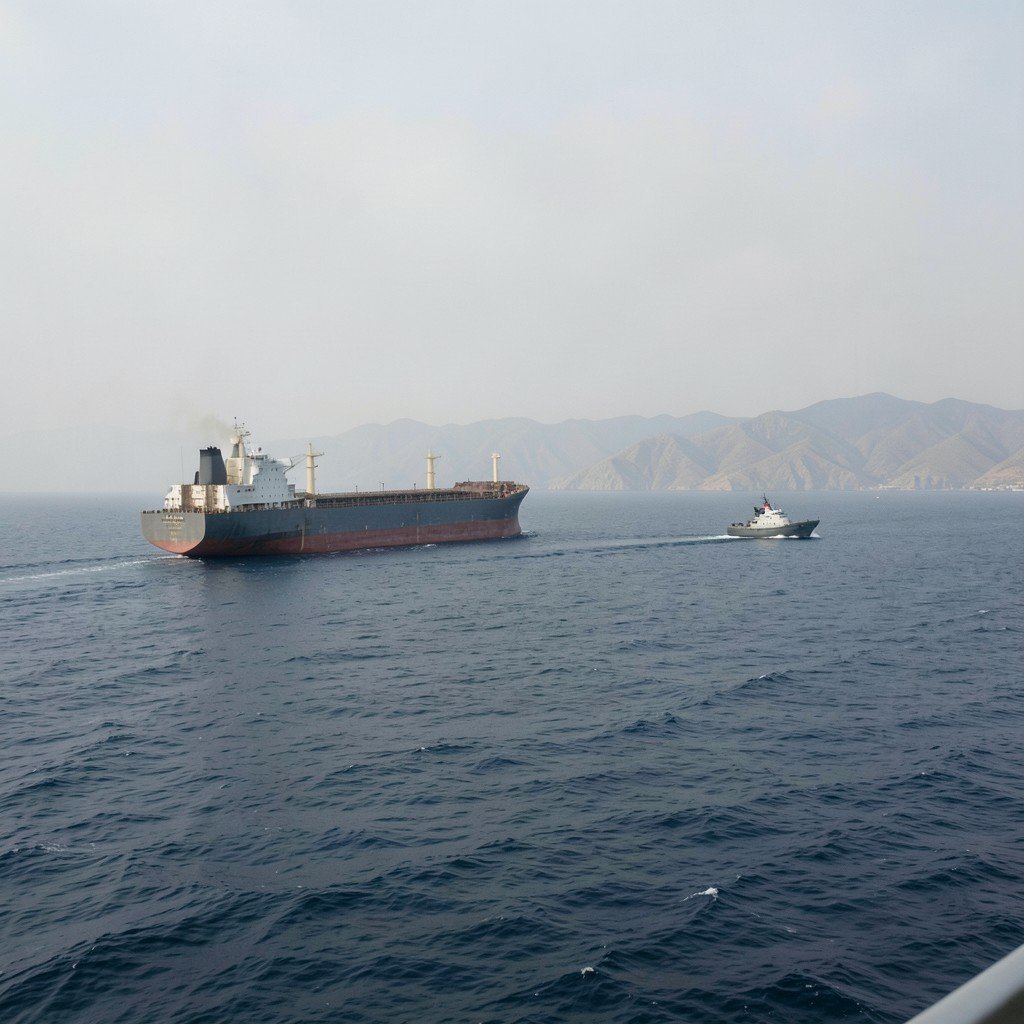
The visit unfolds as the United States tightens economic pressure through sanctions and a naval blockade on southern Iranian ports in the Strait of Hormuz, disruptions that have affected global energy prices. The assembly offers a rare forum where both sides may examine an off-ramp from a war that began on February 28 and has deepened economic hardship for ordinary Iranians.

Key Objectives of the Delegation

Speaking to reporters before boarding his flight, Pezeshkian said Iran would raise the plight of the Iranian nation, the crimes committed against it, and the distrust that has been created. He warned that renewed use of force by Iran's adversaries would be counterproductive, adding, "We will make the enemies disappointed."

Araghchi, who arrived in New York earlier, said his main goal during sideline meetings would be to defend the rights and interests of the Iranian people. He sharply criticised the United Nations for failing to establish peace and security, stating that trust in the organisation has been lost because of its ineffectiveness.

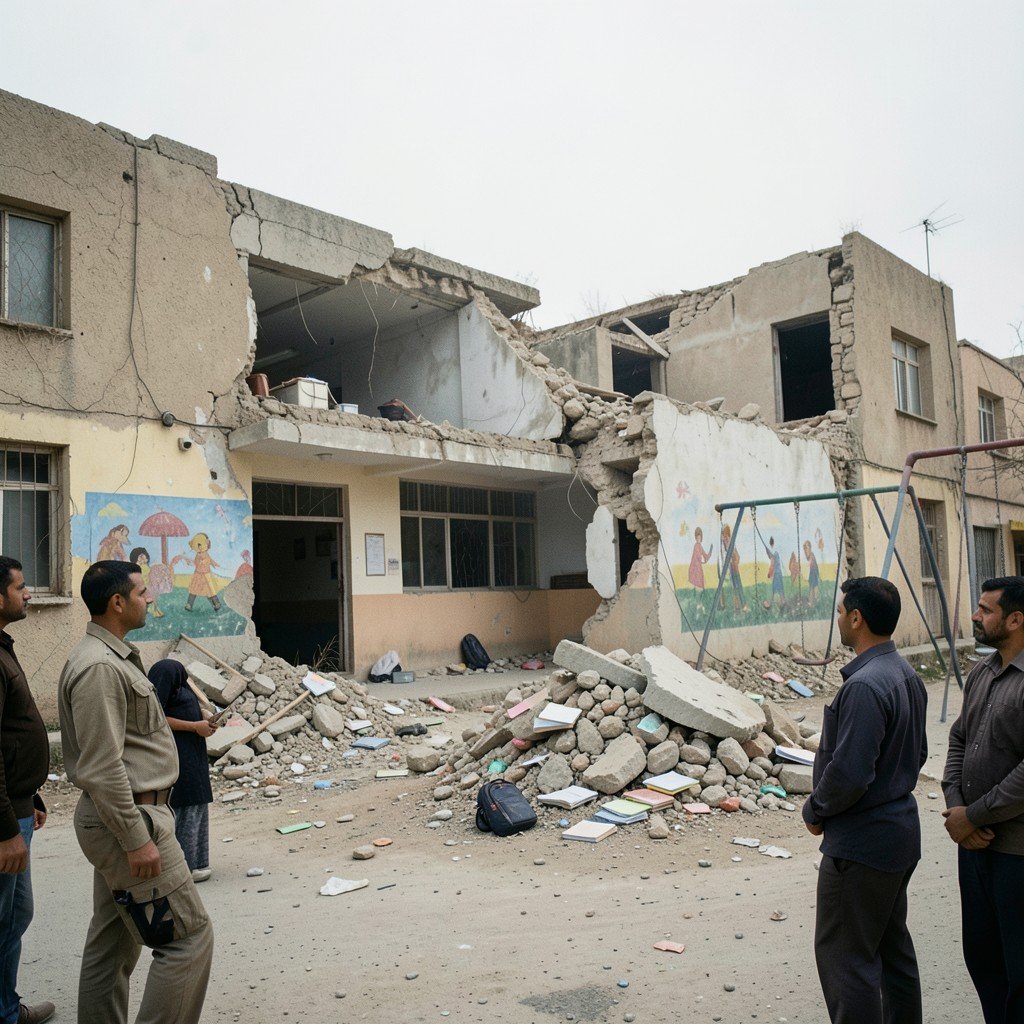
Iranian officials plan to raise the Minab school bombing by the United States and the assassination of Supreme Leader Ayatollah Ali Khamenei on the opening day of the war. The delegation will remain in New York for five days and return to Tehran on Saturday.
Regional Tensions and Mediation Efforts

The war started by the United States and Israel on Iran on February 28 continues, with shipping disruptions in the Strait of Hormuz affecting global energy markets. US President Donald Trump said earlier this week he was considering a new major military assault on Iran but wanted to hear from Arab leaders first, and he is set to meet representatives from Saudi Arabia, the United Arab Emirates, Qatar, Oman, Kuwait and Bahrain in the coming days.

Regional mediators including Pakistan, Qatar, Oman and Turkiye have pushed for a diplomatic resolution. Mohsen Rezaei, secretary of Iran's Supreme National Security Council, said earlier this week that Tehran has communicated seven conditions to the United States to reopen the strategic waterway, including an end to war on all fronts, the release of Iran's frozen assets, the lifting of the blockade, an end to military attacks on Iranian territory, and noninterference in internal affairs.

Tensions are further complicated by a military escalation in Yemen, where Saudi-backed government forces are fighting the Iran-aligned Houthis, who have expanded control over the Bab al-Mandeb strait in recent weeks.

Analysis and Domestic Divisions

Sina Toosi, senior non-resident fellow at the Center for International Policy, said the delegation will aim to signal it is open to diplomacy but unwilling to de-escalate unilaterally, as Tehran believes it did in June after a Memorandum of Understanding with the United States. Toosi described a "real opening" for diplomacy with "no guarantee of a breakthrough," identifying credibility as the fundamental obstacle.

Within Iran, views are divided. Hossein Mohebbi, spokesman of the Islamic Revolutionary Guard Corps, said on Tuesday that Iran was prepared to use new weapons systems against the United States if necessary while remaining open to peace. Parliament Speaker Mohammad Bagher Ghalibaf warned that both hardline and accommodationist factions risk undermining national cohesion and unity.

The United States has denied visas to Pezeshkian's accompanying media team and barred delegates from buying luxury goods during their stay, according to the president's office.

What Lies Ahead

Trump said on Sunday he would probably be open to meeting Pezeshkian in New York, though Iran's IRNA news service dismissed the remark as a propaganda game. Pezeshkian plans to hold discussions with Iranian expatriates, intellectuals, think tanks and media in the coming days. Public expectations in Iran remain sceptical that the UN meetings will produce a political breakthrough to end the war.

MORE LIKE THIS

Comments (0)

Leave a comment

A verified Gmail account is required to post comments.

No comments yet. Be the first to share your thoughts!