


AI-Driven PHP2Shell Flaws Expose Fragile Open-Source Security
science-and-technology

AI-Driven PHP2Shell Flaws Expose Fragile Open-Source Security

By Editorial Team•Oct 31, 2026 · 5:10 AM•4 min read
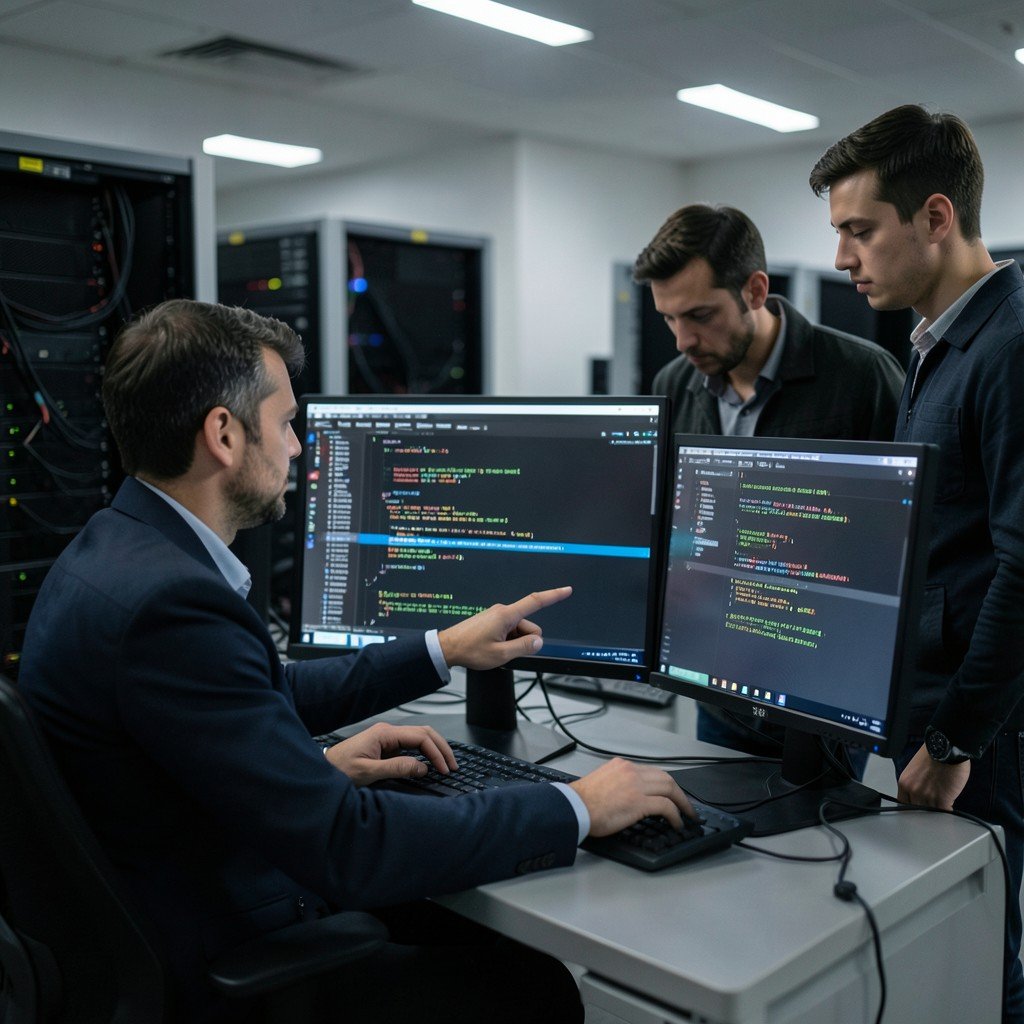
AI-generated representative image: Cybersecurity experts review code while addressing the PHP2Shell vulnerabilities in open-source software.
Editorial Team
Editorial Team
How artificial intelligence is uncovering critical PHP vulnerabilities faster than volunteer-run foundations can patch them.

Earlier this month, authorities worldwide urged website administrators to carry out emergency updates after a nonprofit programming foundation flagged critical security flaws that could allow hackers to breach systems. The vulnerabilities, nicknamed PHP2Shell, were discovered by independent cybersecurity experts using artificial intelligence and were embedded in the code of PHP, a widely used open-source web programming language, for more than a decade.

The discovery signals a broader challenge for the internet. Much of the world's most critical digital infrastructure is maintained by volunteers who often lack the resources and time to respond to newly discovered threats. Cybersecurity experts warn that AI tools are now surfacing vulnerabilities at a pace that underfunded open-source foundations cannot match.

Key Developments

The PHP2Shell flaws went unnoticed for years because exploiting them would have been too complicated for humans without advanced AI. Their discovery forced government and corporate websites to briefly go offline while patches were applied.

  • Google reported uncovering more than 1,000 security bugs in the latest Chrome browser update, exceeding the combined total of the previous two dozen updates.
  • Mozilla found more than 400 security vulnerabilities in April, a significant jump from the previous record of 76 bugs discovered one month earlier.
  • Anthropic launched Project Glasswing with $100 million in credits, and in one month more than 23,000 vulnerabilities were found across more than 1,000 open-source projects.

Historical Context

PHP was created in 1995 by Danish-Canadian programmer Rasmus Lerdorf to track visits to his online resume. It grew through worldwide collaboration and now runs about 70 percent of the world's websites, including platforms such as Facebook and Wikipedia.

In 2021, the PHP Foundation was established to coordinate development, but like many open-source foundations it operates on a limited budget. Most consumer digital infrastructure relies on open-source software, including the Mozilla Firefox browser, languages such as Perl, Python and JavaScript, and the Apache HTTP Server maintained by the Apache Software Foundation.

The 2021 Log4Shell vulnerability, discovered without AI, allowed hackers to remotely run code on millions of devices and underscored how critical open-source software is to system security. It exposed cars, microwaves and other internet-connected electronics to attack.

Expert Analysis and Statistics

"There's been a lot of people in the AI safety community that said this is one of the first areas where we are going to see the harmful impact of AI," said Peter Slattery, a research scientist at MIT's FutureTech who tracks real-world incidents involving AI.

Amanda Brock, CEO of OpenUK, said the world's largest corporations, including Meta, Google, OpenAI and Anthropic, depend on volunteer-built infrastructure. "It's simply not possible with the resources in place to fix all of the known vulnerabilities," she said. "Foundations are attempting to manage these challenges, but the smaller ones don't have hundreds of millions in funding, and managing this at the pace AI requires is proving impossible."

The Apache Software Foundation has used the Alpha-Omega project, backed by companies including Anthropic, Amazon, Google, Microsoft and OpenAI, to scan its 290 maintained software packages. That project spends about $7 million a year helping open-source developers identify critical bugs.

What Lies Ahead

Jarek Potiuk of the Apache Software Foundation's volunteer security team said there is an industry-wide movement to scan code using AI, but the scans cost money and still require human review to filter out false positives. He said major companies could do more by paying staff to dedicate work hours to maintaining open-source projects rather than acquiring them.

Slattery said the growing database of detected vulnerabilities makes real-world exploitation a matter of time, with both more vulnerabilities being addressed and more attacks occurring across a wide range of systems.

MORE LIKE THIS

Comments (0)

Leave a comment

A verified Gmail account is required to post comments.

No comments yet. Be the first to share your thoughts!