


Key Findings From the Report
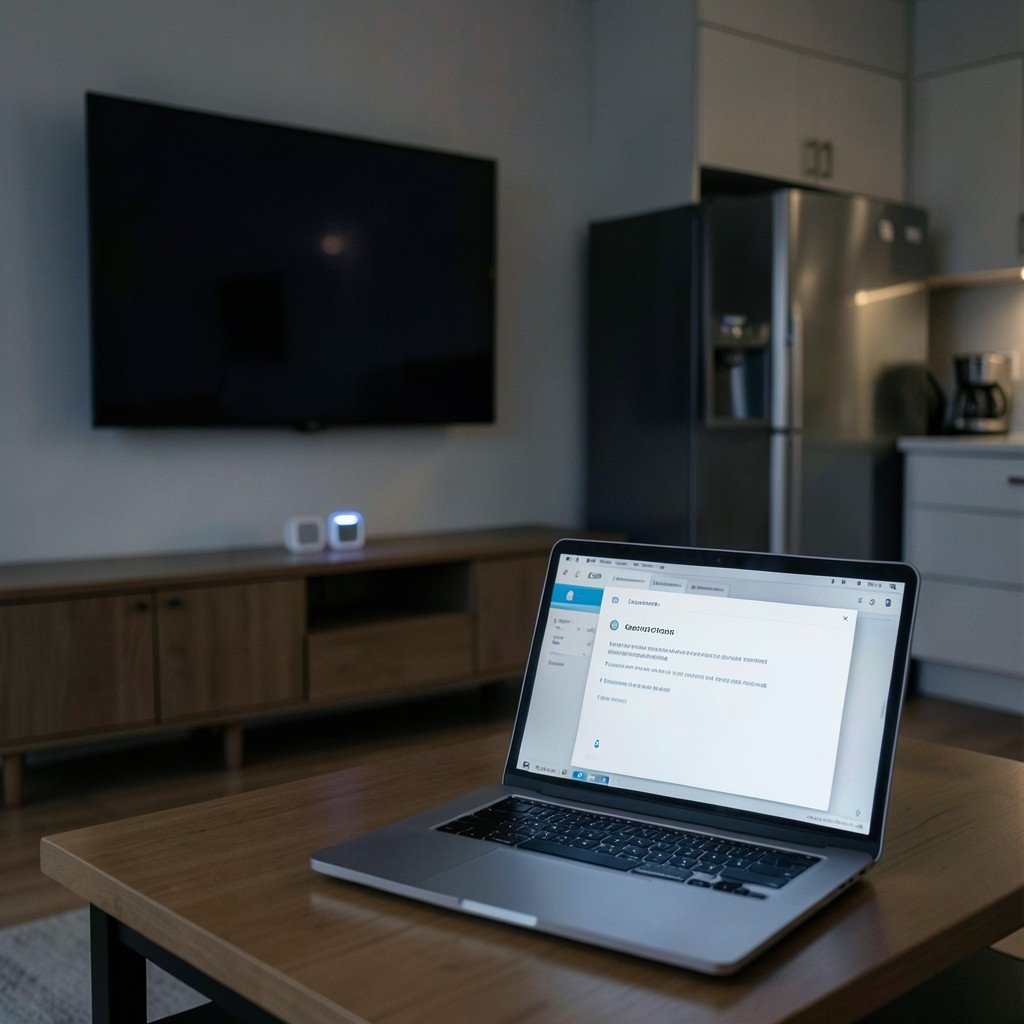
Researchers William Zhou and Daniel Freeman said home and small business IoT devices could be the first targets for such attacks because they are internet-connected and have historically had minimal security measures in place. While data centres would be a clear, high-value target for AI worms, devices such as smart TVs, fridges, ovens and lawnmowers could soon provide sufficient computing power for self-replication.
Although no current AI model proved both powerful and small enough to self-replicate reliably on a smart TV used in testing, the development trend makes the emergence of such a model likely by the end of 2026, the researchers said. They anticipated a future "awash with agents running on all types of hardware", including some not under human control.