

Grameen Bank Hit by 97 Attacks in Two Weeks Amid Bangladesh Turmoil
news

Grameen Bank Hit by 97 Attacks in Two Weeks Amid Bangladesh Turmoil

By Editorial Team•Nov 23, 2026 · 11:51 AM•4 min read
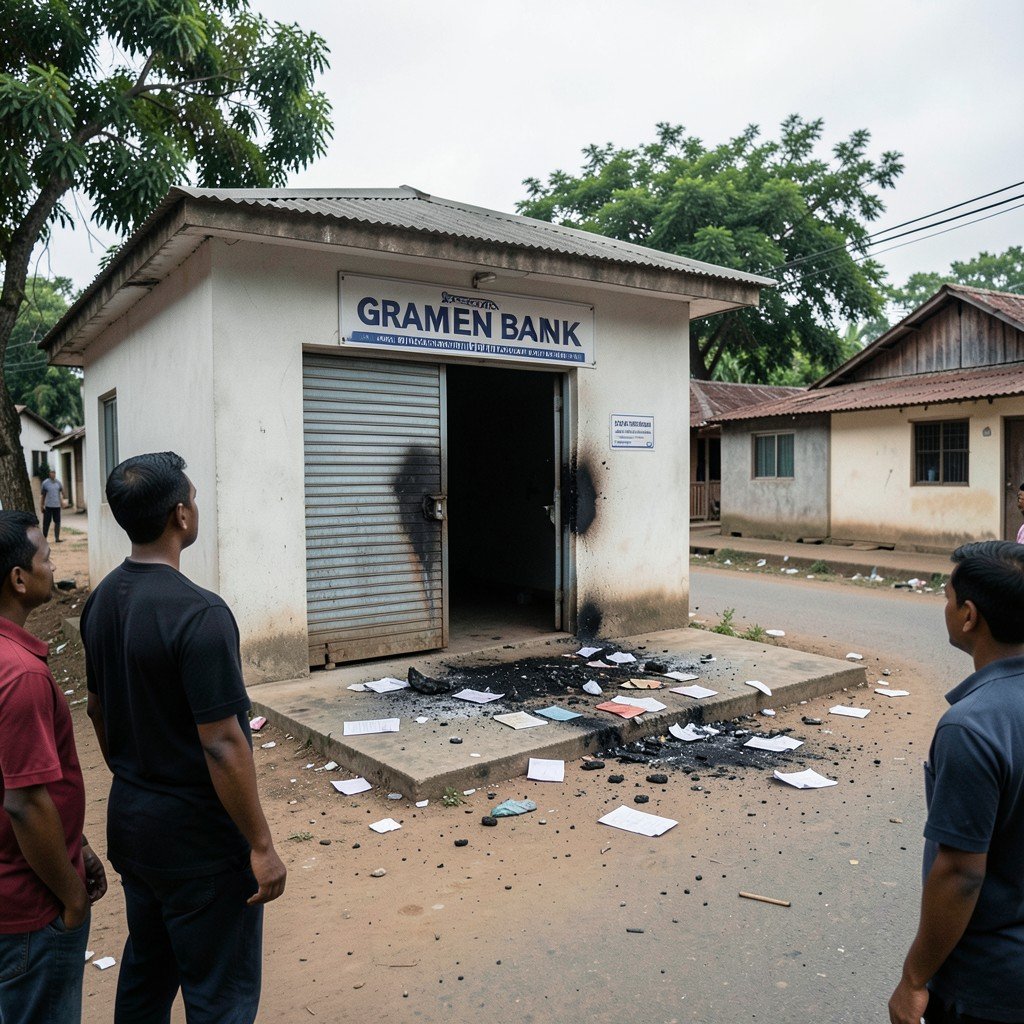
AI-generated representative image. A damaged microcredit bank branch in rural Bangladesh, illustrating the reported wave of attacks on Grameen Bank offices.
Editorial Team
Editorial Team
Yunus microcredit institution targeted as Awami League supporters stage violent demonstrations

Bangladesh's Grameen Bank has recorded 97 attacks on its branches and offices between November 10 and 23, according to an internal memorandum, as political tensions surrounding ousted former Prime Minister Sheikh Hasina's Awami League spill into violence across the country.

The assaults, which include the looting and torching of a branch in Kashiani on November 18, have thrown the Nobel Prize-winning microcredit institution founded by Muhammad Yunus into the center of Bangladesh's deepening political crisis.

The attacks carry outsized consequences because Grameen Bank's ownership structure places its future directly in the hands of some of Bangladesh's poorest citizens. About 90 percent of the bank is owned by its borrower-members, most of them rural women, meaning the destruction of loan files and savings records directly harms the very people the institution was designed to serve.

Wave of Violence Against Branches

Solaiman Morol, branch manager in Gopalganj district, said about a dozen men arrived on the afternoon of November 18 carrying machetes, petrol and tools to break locks while staff were away on field visits. The attackers looted equipment, tried to cut open the vault with a grinder, and set fire to roughly 40 sacks of vouchers and documents accumulated over nearly three decades.

  • Videos of the attack appeared online, with slogans including "Joy Bangla" and "Joy Bangabandhu", both associated with Hasina's Awami League, and calls to burn what attackers described as "Yunus's den".
  • Yunus called the "systematic assault" on the bank "unbelievably shocking" in a statement on Monday, noting officials and borrower-members "narrowly escaped fatal injury" in several incidents.
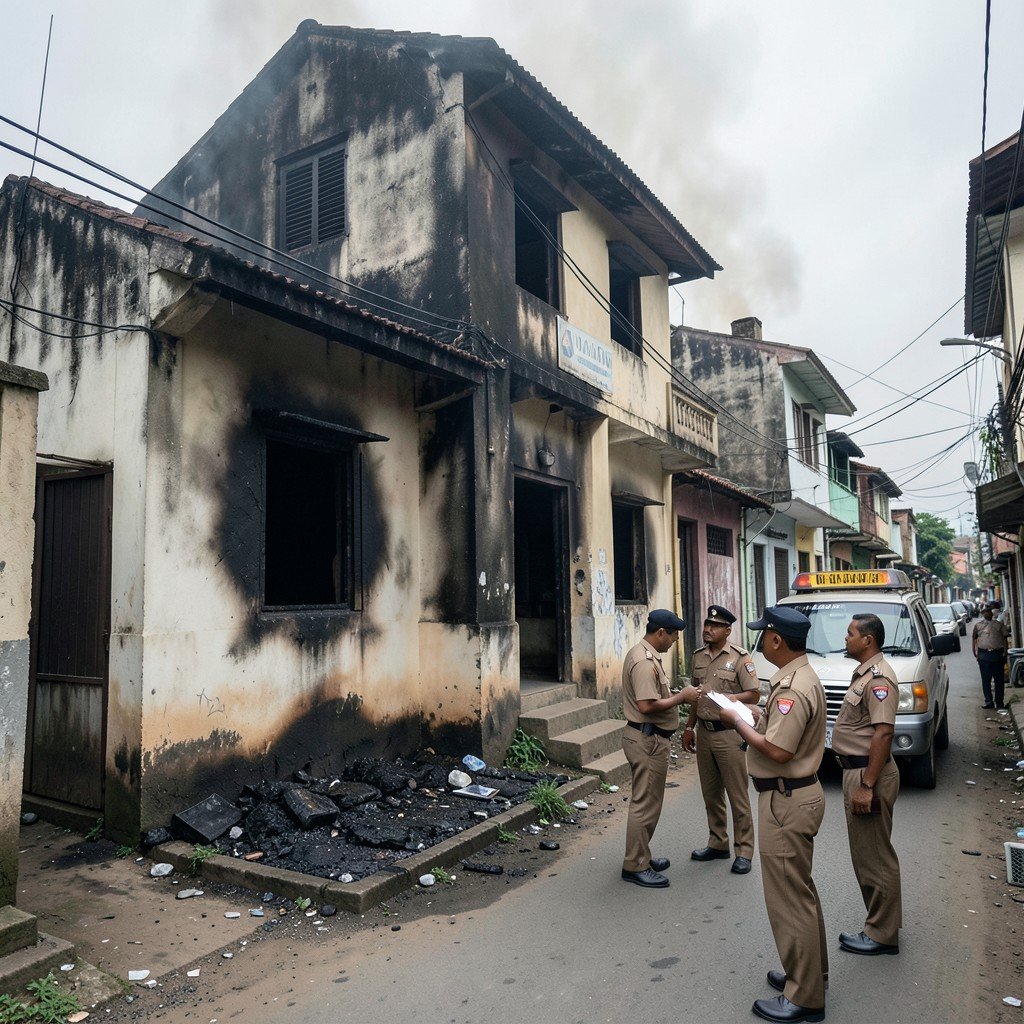
  • The government has blamed the Awami League for the attacks, and police have filed eight cases with eight arrests made so far.

Political Roots of the Conflict

Grameen Bank pioneered the microcredit model, providing small loans to people who cannot access conventional banking. It serves around 10.6 million members and employs about 21,000 people. Roughly 5.5 million borrowers hold outstanding loans worth more than Tk19,000 crore ($1.53 billion), while members hold deposits of around Tk25,000 crore ($2 billion).

The violence follows Hasina's removal from power in August 2024, after which Yunus served as chief adviser of an interim government. During that period, Hasina's party was banned from electoral politics and she was convicted by a tribunal for massacres carried out against protesters in 2024. Hasina, who faces a death sentence and lives in exile in India, has recently asserted she intends to return to Bangladesh.

Analysts say Grameen Bank has become a proxy target. Mubashar Hasan, a researcher at Western Sydney University, said the attacks may be "a performance of strength, especially in Gopalganj," Hasina's ancestral district, aimed at showing the party still has a street presence despite the ban.

Impact on Borrowers and Bank Operations

The destruction of records threatens to push borrowers toward informal lenders and disrupt repayment cycles. Managing Director Sarder Akhter Hamed said the bank has suspended the accrual of interest on outstanding loans at branches unable to operate because of the attacks.

Hamed said there is "a sense of insecurity" among employees, with some branches increasing security and relocating staff from high-risk locations. The Kashiani branch has not resumed normal operations, and staff members have received threats.

Asif Mohammad Shahan, a professor at the University of Dhaka, described the attacks as "an effort of sending a message of 'politics of revenge'." He suggested they may also be intended to provoke a heavy-handed government response that would let the Awami League portray itself as a victim.

Government Response and What Comes Next

Ziauddin Ahmed, additional secretary at the Ministry of Home Affairs, said "it would be wrong to say that the government is struggling to contain the situation," though he acknowledged the police force is "somewhat short of manpower." Hamed said police have responded when called and sometimes provided advance warnings of possible attacks.

Hamed expressed hope that restoring law and order would restore customer confidence, saying, "If the law-and-order situation in the country improves, confidence and trust will automatically return." Further developments remain under investigation.

MORE LIKE THIS

Comments (0)

Leave a comment

A verified Gmail account is required to post comments.

No comments yet. Be the first to share your thoughts!