

Yemen Parliament Approves Law Designating Houthis Terrorist Group
news

Yemen Parliament Approves Law Designating Houthis Terrorist Group

By Editorial Team•Nov 18, 2026 · 11:04 AM•4 min read
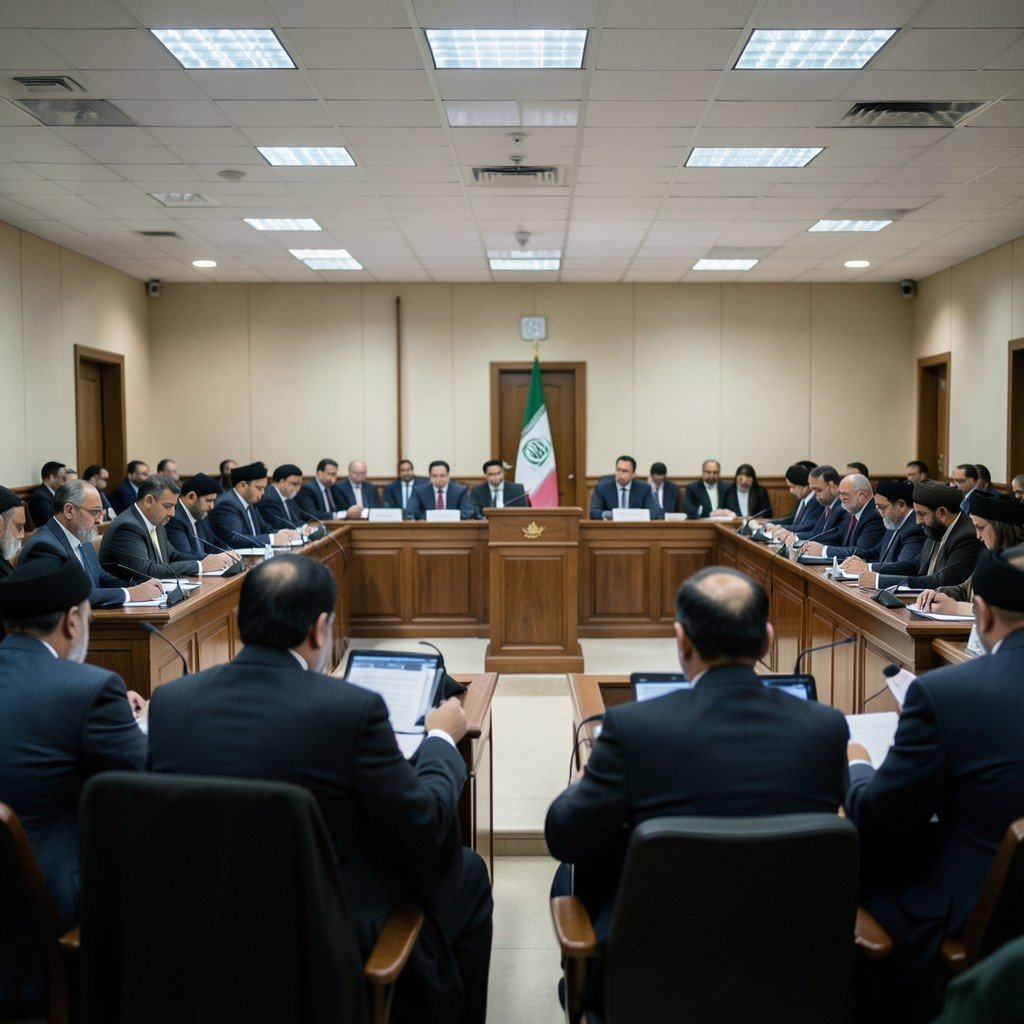
AI-generated representative image: A parliamentary chamber during a formal legislative session in Yemen, illustrating the vote on the Houthi designation law.
Editorial Team
Editorial Team
Long-delayed legislation criminalises Houthi activities and financing as fighting escalates across multiple governorates

Yemen's parliament has unanimously approved a law designating the Houthis as a "terrorist organisation" and criminalising the group's activities and financing, as fighting intensifies between the group and forces loyal to the internationally recognised government.

The vote, held over two sessions by videolink on Monday, comes seven years after the measure was first proposed and was formally submitted to Rashad al-Alimi, head of the Yemeni Presidential Leadership Council, on Tuesday to be signed into law.

The legislation marks a decisive shift toward a tougher government position after years of stalled peace efforts. It converts what had been an executive designation into parliamentary law, giving it wider legal force and potentially reshaping the trajectory of Yemen's decade-long conflict.

Analysts warn the move could complicate future negotiations and deepen divisions that affect civilians, banks, traders and aid delivery across the country.

What the New Law Provides

According to the state-run Saba news agency, the legislation runs to 55 articles and designates the group, including all of its political, military and civilian formations, as "a terrorist organisation" and a "rebellious faction".

  • It toughens penalties for offences including seizing state authority, besieging cities, attacking civilians, laying landmines and attacking international shipping.
  • Certain offences would carry the death penalty.
  • The law sets out procedures to identify, trace, freeze and confiscate assets linked to the group and its affiliated entities.

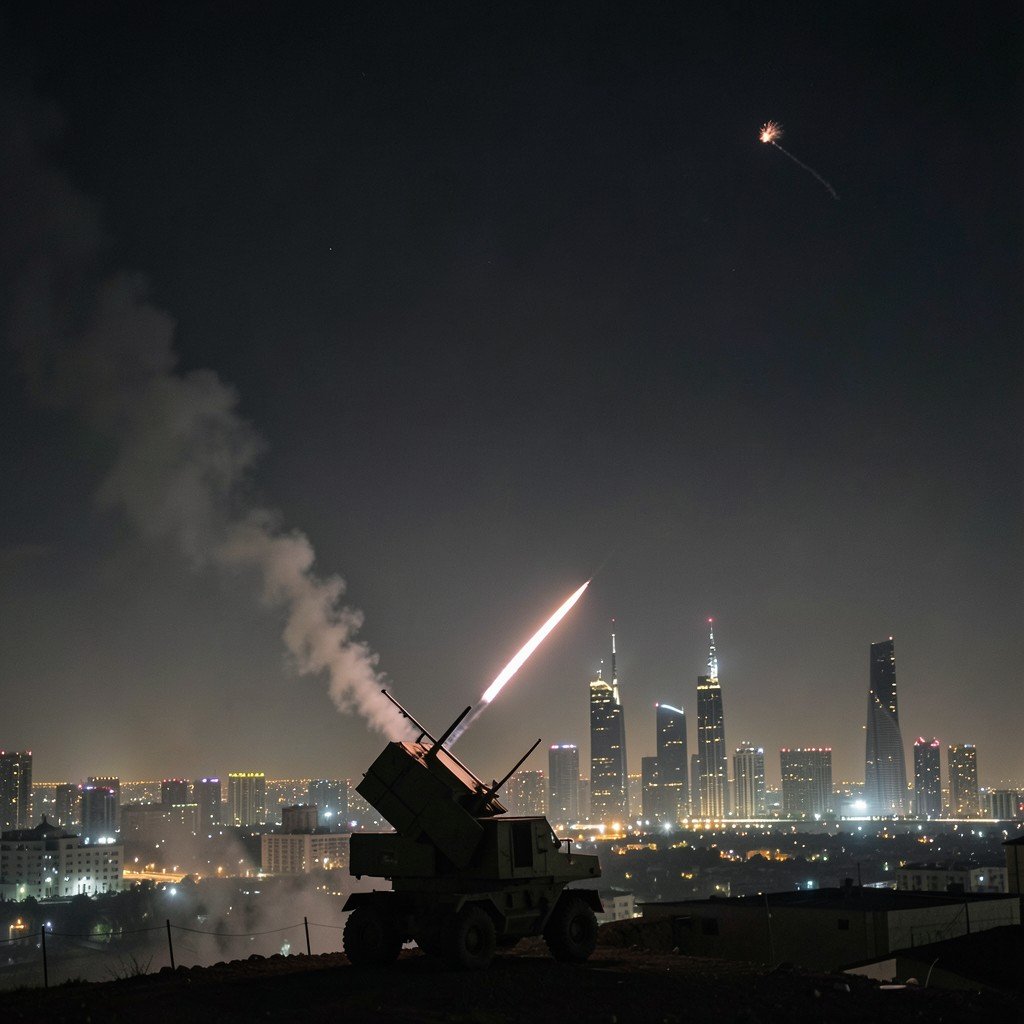
Parliament noted that the Houthis, also known as Ansar Allah, had attacked government-held areas of Yemen and Saudi Arabia, and accused the Iranian-backed group of brushing aside "all options for peace".
Background and Renewed Hostilities

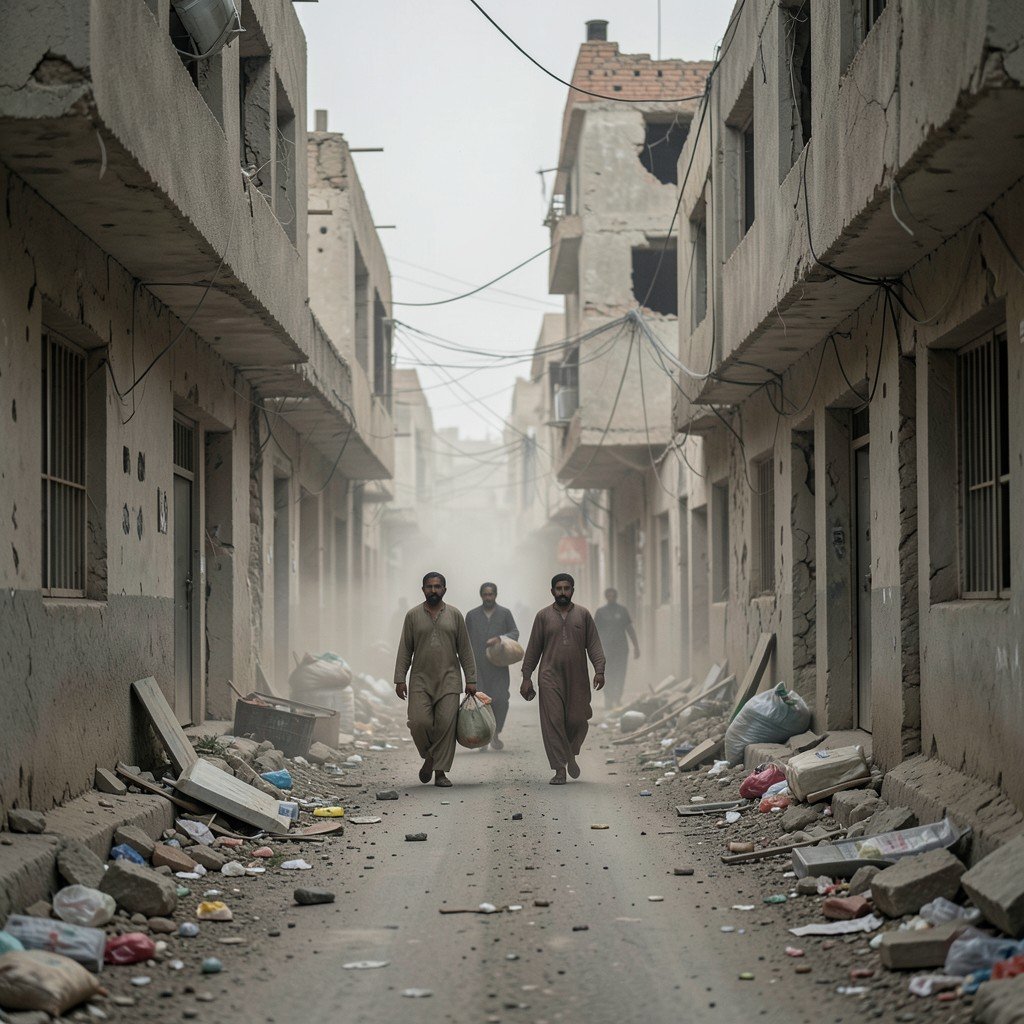
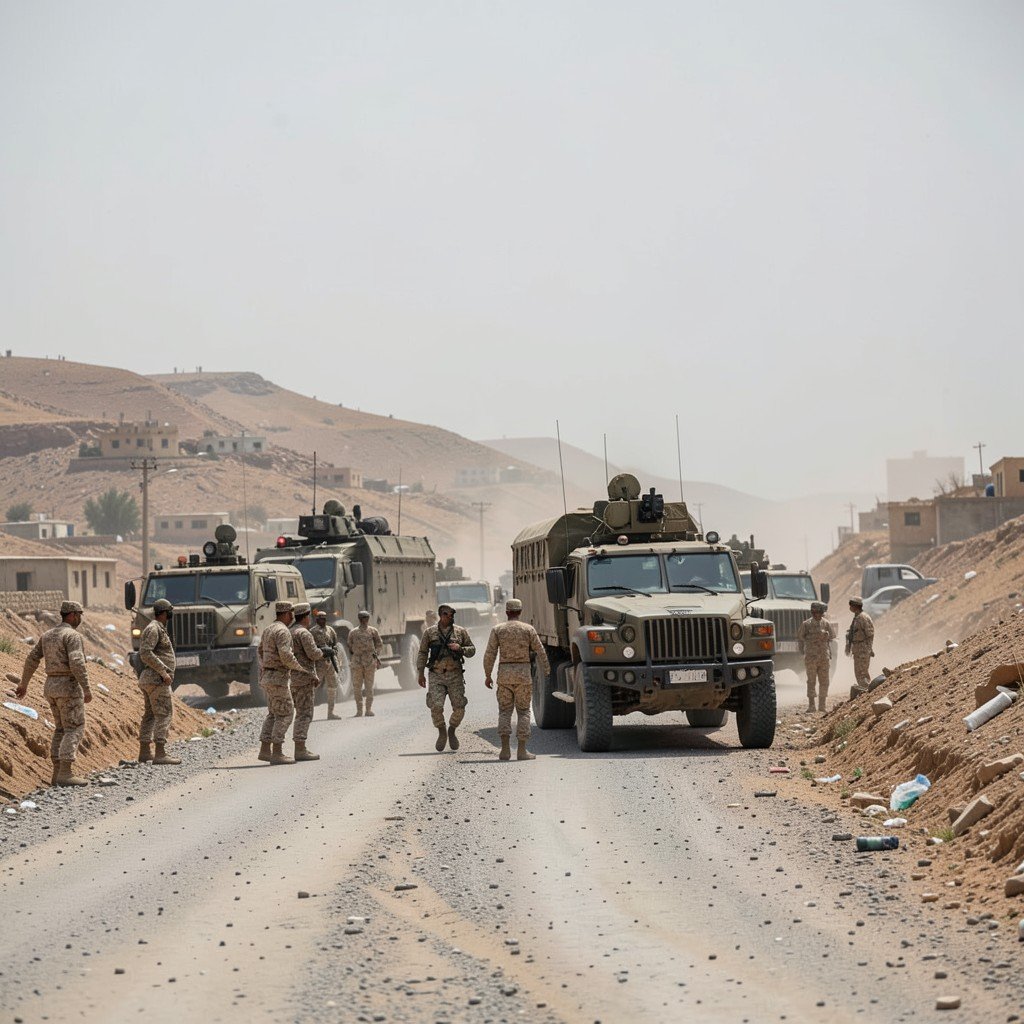
The vote follows months of renewed fighting after several years of relative calm on Yemen's front lines. In late June, the Houthis announced an escalation against government forces and Saudi Arabia, saying the move was aimed at lifting what the group describes as a "blockade".

In early September, a Houthi ground offensive on the western coast gave the group control of parts of Taiz and Hodeidah governorates after government forces withdrew from the port city of Mocha and the strategic Bab al-Mandeb area. Government forces launched an operation called "Dawn of Yemen" in early October to retake Houthi-held territory, including the capital, Sanaa, but pro-government forces withdrew on Sunday from areas they had recaptured on the Red Sea coast.

Heavy fighting continues in Marib, al-Jawf and Lahij governorates, while the Houthis press to take the city of Taiz, which the government and rights groups say is under a tight siege. The Houthis seized Sanaa in September 2014, and United Nations-sponsored talks and regional mediation have failed to end the war since then.

Expert Analysis and Implications

Ismail al-Suhaili, a political science professor and senior researcher at the Mokha Center for Strategic Studies, said the law marks a shift toward a tougher government position after the failure of peace efforts. He said it could complicate future negotiations by shifting their focus from power-sharing toward restoring state institutions, disarmament and UN Security Council Resolution 2216.

Al-Suhaili warned that the law could put additional pressure on banks, traders and companies operating between government- and Houthi-controlled areas and deepen Yemen's financial split. Donors and aid organisations could also become reluctant to work in Houthi-held areas, potentially disrupting the delivery of essential supplies to civilians.

Tawfiq al-Hamidi, head of the SAM Organization for Rights and Liberties, described the law as "a late step" but said it provides a legal basis for holding those responsible for abuses to account and compensating victims. While it narrows the space for political negotiations in favour of military action, he said, it does not entirely rule out a future settlement.

What Happens Next

The legislation now awaits signature by Rashad al-Alimi, head of the Presidential Leadership Council, to become law. Yemen's cabinet had approved the draft law on October 11, and the National Defence Council had already designated the Houthis a "terrorist" organisation by executive decision in October 2022.

The United States also lists the group as a "terrorist" organisation, and Saudi Arabia treats it as one. Analysts warn the Houthis could respond with further military escalation or countermeasures targeting government leaders, though the group has not yet issued an official reaction to the parliamentary vote.

MORE LIKE THIS

Comments (0)

Leave a comment

A verified Gmail account is required to post comments.

No comments yet. Be the first to share your thoughts!