

Iraq Kurdish Region Faces Two Rival Administrations Threat
news

Iraq Kurdish Region Faces Two Rival Administrations Threat

By Editorial Team•Nov 8, 2026 · 7:47 PM•3 min read
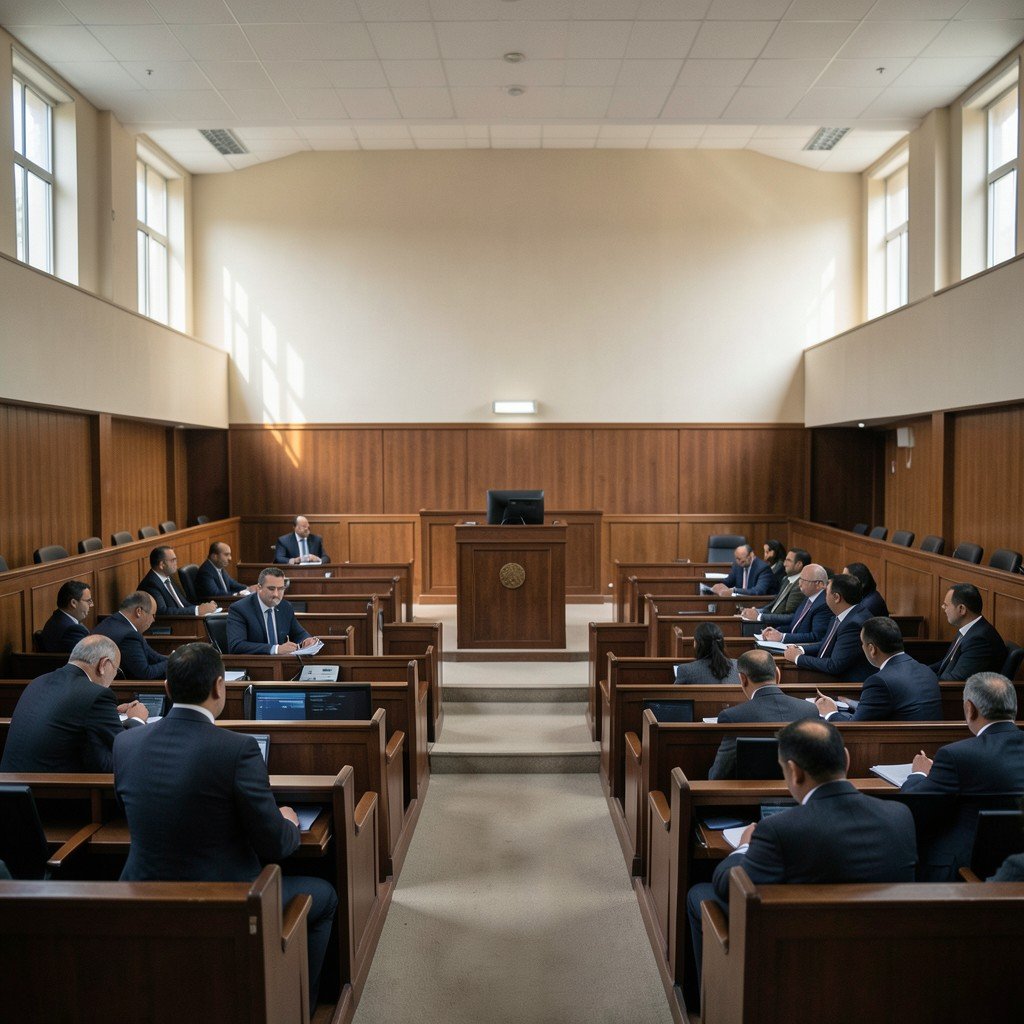
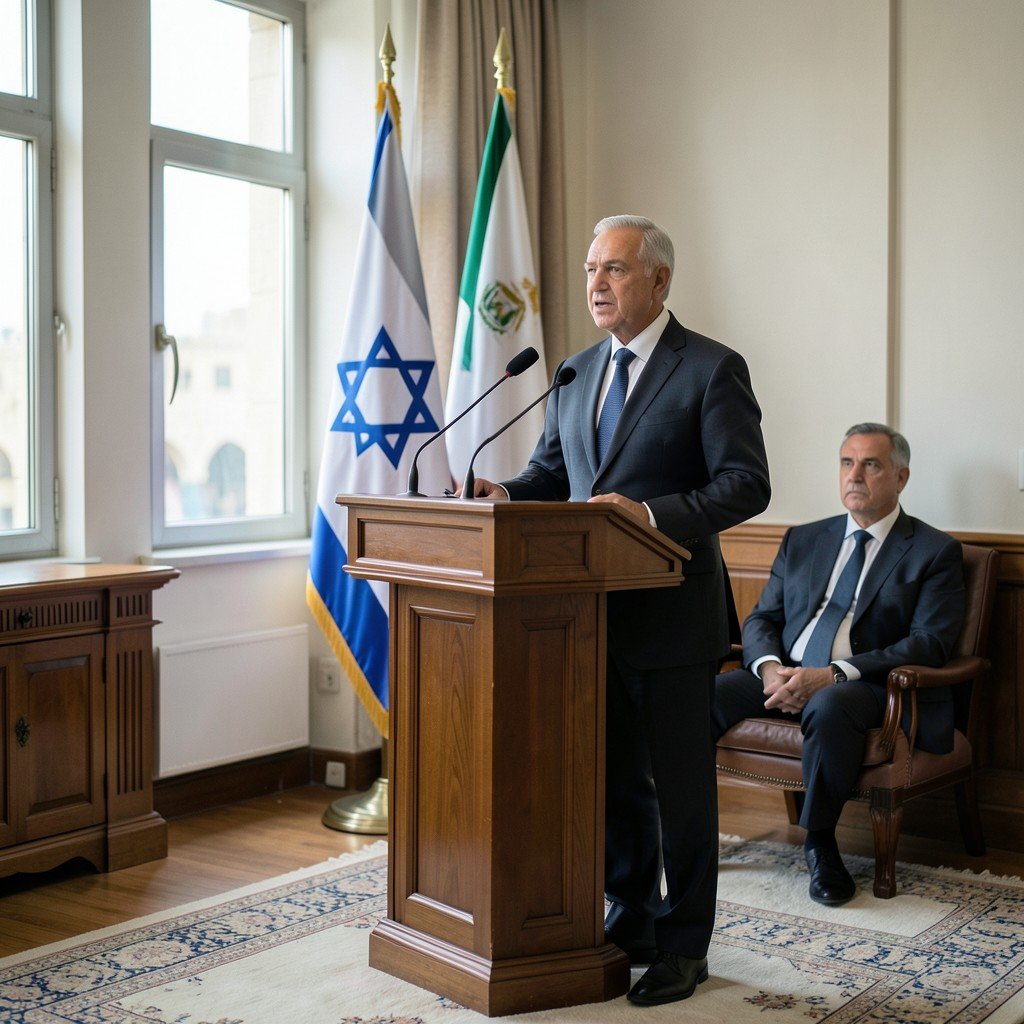
AI-generated representative image: An empty parliamentary chamber in Erbil reflects the political deadlock between the KDP and PUK over forming a new Kurdish re
Editorial Team
Editorial Team
KDP and PUK dispute over government formation risks dividing the Kurdistan Regional Government.

Disagreements between the Kurdistan Democratic Party (KDP) and the Patriotic Union of Kurdistan (PUK) over forming a new government have raised the threat of two rival administrations emerging in the Kurdish region of northern Iraq, analysts say. The dispute escalated after a parliamentary session was held last week in Erbil without the PUK's participation, prompting PUK leader Bafel Talabani to withdraw his party from the government.

The standoff threatens to undo the power-sharing arrangement that has long underpinned the semiautonomous Kurdistan Regional Government. A formal split would have significant consequences for governance, security and stability across northern Iraq, an area that has historically managed its own affairs separate from Baghdad.

Escalating Political Crisis

The KDP, led by Massoud Barzani, is the largest party in the region with strongholds in Erbil and Dohuk. After the PUK refused to collaborate on forming a government, the KDP reactivated the regional parliament on Wednesday without its rivals, ending a two-year wait since the October 20, 2024 elections.

In that sixth parliamentary election, the KDP won 39 seats and the PUK secured 23, leaving a 16-seat gap. The New Generation Movement won 15 seats. The KDP still required an agreement with the PUK and other parties to govern, but the PUK has so far refused to participate.
Historical Context of a Divided Region

Since the first Gulf War in 1990 and 1991 and the establishment of a US-led no-fly zone in northern Iraq, the country's Kurds have largely governed themselves separately from Baghdad. The Iraqi Constitution enacted after the 2003 US-led invasion recognized the northern Kurdish region as a federal entity with its own legislative, executive and judicial powers.

There is a historical precedent for two rival authorities in the region. When conflict erupted between elements of the KDP and PUK in the 1990s, the two parties formed separate local governments in Erbil and Sulaimaniyah respectively. While there have been no recent violent flare-ups between the parties, political distrust remains deep.

Party Positions and Legal Questions

Independent Kurdish politician Yasin Aziz said the prospect of two administrations is now very close, blaming the leaderships of both main parties for failing to recognize the risks of continued disputes. KDP member Subhi Mandalawi countered that the PUK delayed government formation, noting the KDP had previously convened parliament without the PUK in 2018 and the party later joined.

Senior PUK official Mahmood Khoshnaw warned that if a prime minister is appointed in Erbil, the PUK would take the same step in Sulaimaniyah. Constitutional affairs expert Ramadan Albadran said the Iraqi constitution provides no mechanism for dividing the region into zones of influence, describing any unilateral separation by the PUK as closer to an act of rebellion.

Current Status and Outlook

Both parties have indicated the door to dialogue remains open, though analysts do not expect a swift agreement given the political stubbornness on both sides. Despite the tensions, officials from both parties have dismissed the risk of a return to armed conflict. The legal and constitutional status of any potential separation in Sulaimaniyah remains unresolved.

MORE LIKE THIS

Comments (0)

Leave a comment

A verified Gmail account is required to post comments.

No comments yet. Be the first to share your thoughts!