

Mojtaba Khamenei Iran Supreme Leader Decision-Making System Takes Shape
news

Mojtaba Khamenei Iran Supreme Leader Decision-Making System Takes Shape

By Editorial Team•Nov 6, 2026 · 7:01 AM•4 min read
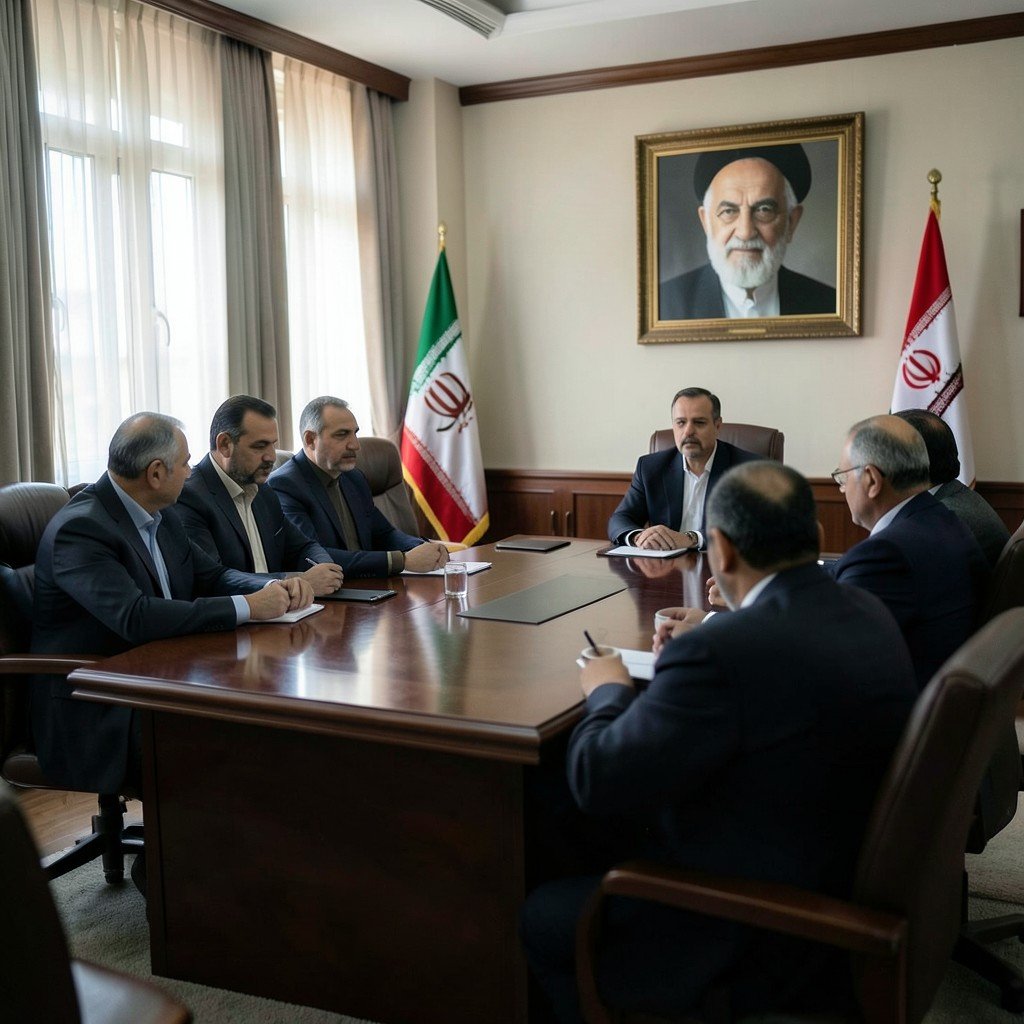
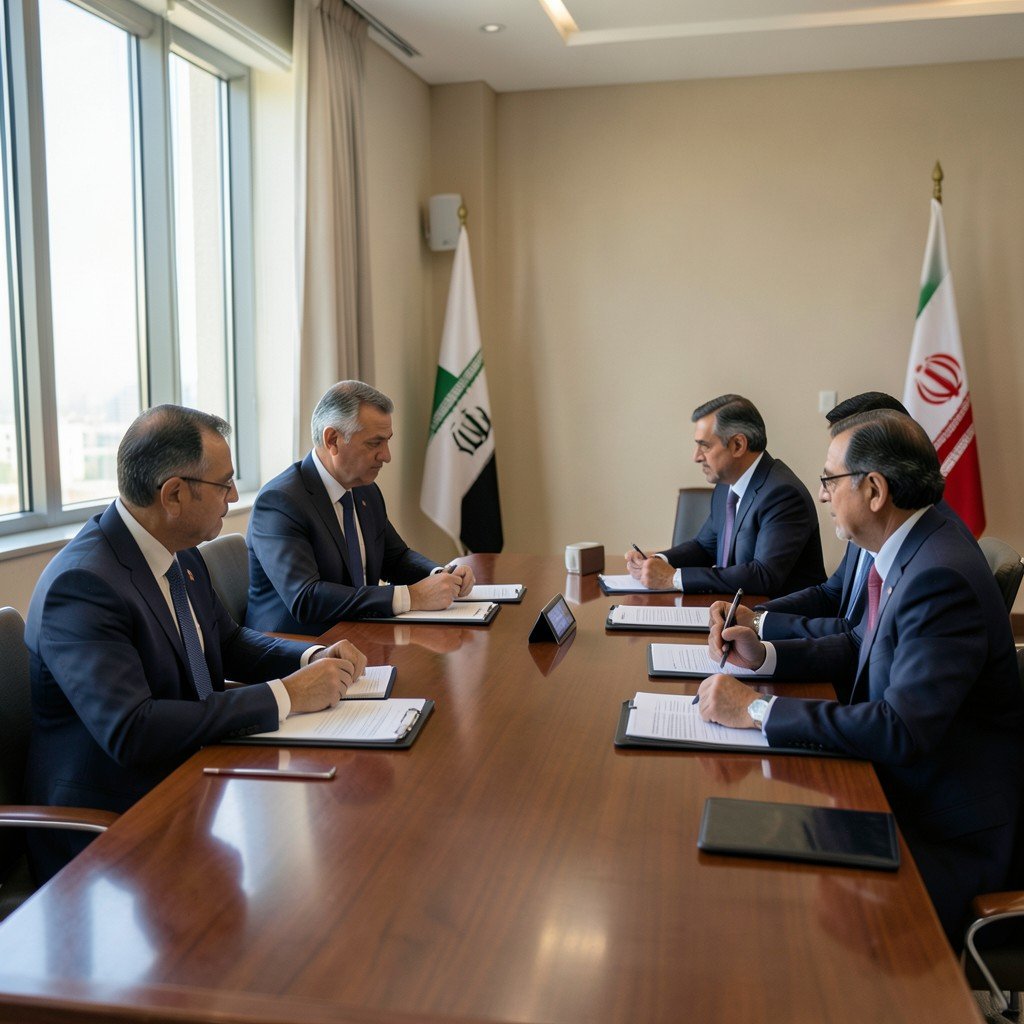
AI-generated representative image: a formal closed-door meeting room in Tehran, illustrating Iran's new leadership decision-making system.
Editorial Team
Editorial Team
October consultations with military and political leaders reveal Iran's new governing structure amid nuclear negotiations and deterrence messaging

Iran's new supreme leader, Mojtaba Khamenei, has been exercising power entirely through written statements and decrees since succeeding his father in March, without appearing in public or allowing his voice to be recorded. A burst of four reported meetings within 11 days in October, involving the heads of parliament, the judiciary, the national security establishment and senior military commanders, suggests a new system of decision-making is now taking shape in Tehran.

The consultations come as Iran weighs a choice between renewed negotiations and renewed confrontation with the United States and Israel, amid a naval blockade and armed tensions. The pattern invites direct comparison with the lengthy internal consultations that preceded the 2015 nuclear agreement, raising the question of whether the new leadership can produce a decision of similar consequence while its leader remains publicly invisible.

Key Developments in the New Leadership

The October meetings followed a wave of appointments to replace military and security commanders killed in the war. In August, Khamenei named his military adviser, Mohsen Rezaei, as his representative on the Supreme National Security Council, and Rezaei later became its secretary.

Six military appointments followed, including Ali Abdollahi as chief of the Armed Forces General Staff, Ahmad Vahidi as commander of the Islamic Revolutionary Guard Corps (IRGC), and Ali Azmaei as IRGC Navy commander. Abdollahi was also instructed to complete the merger of the General Staff with Khatam al-Anbiya Central Headquarters.

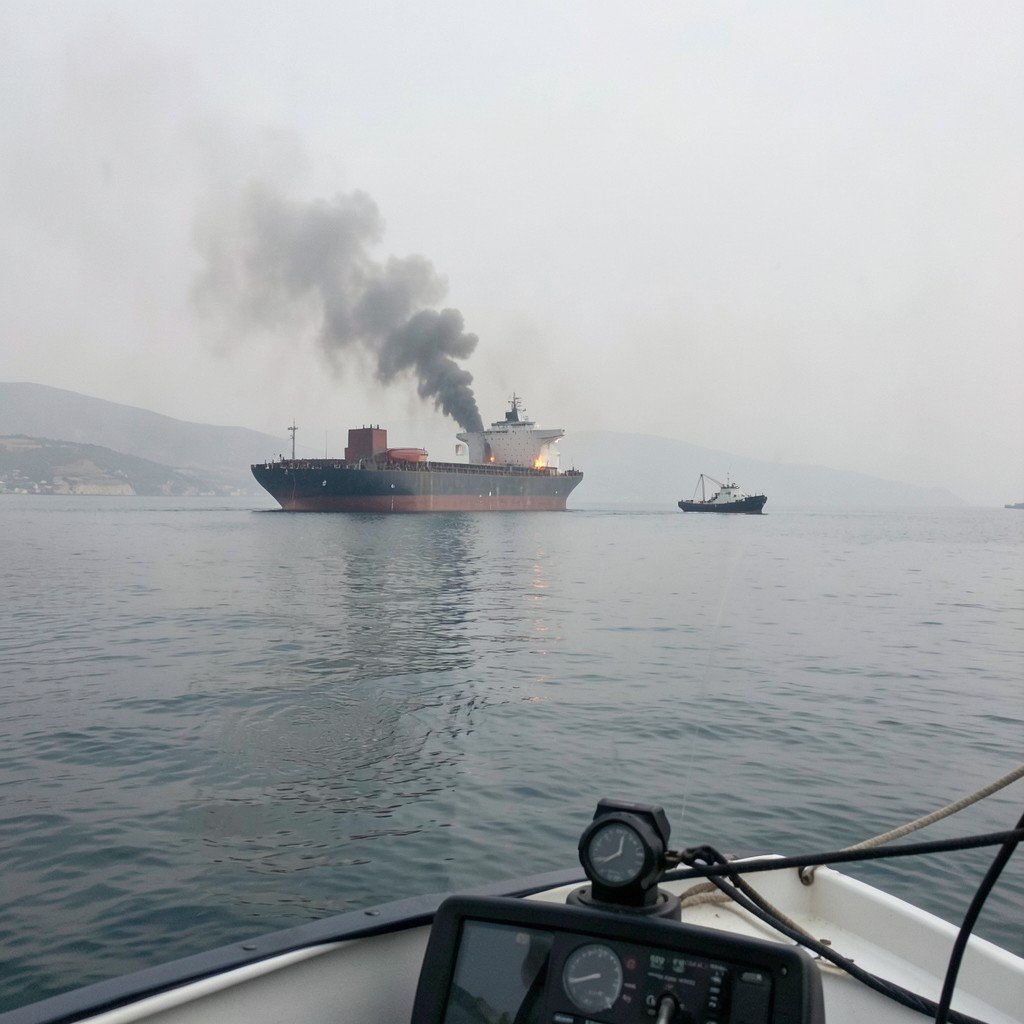
At his first reported meeting with the reconstituted military leadership, announced on October 31, Abdollahi, army commander Amir Hatami and Vahidi briefed Khamenei on military readiness in the Gulf, the Strait of Hormuz and the Sea of Oman.
Historical Context and the 2015 Comparison

For nearly 37 years, Ali Khamenei's rule rested on direct personal presence, including speeches setting red lines and public meetings with commanders and ordinary Iranians. His son came to power under different circumstances. Injured in the February 28 strike that killed his father, he was advised, according to sources close to him quoted by Reuters, not to appear or release audio recordings for fear of being tracked.

There are echoes of the consultations before the nuclear agreement of July 14, 2015. A secret channel in Muscat opened with Ali Khamenei's approval, and on September 17, 2013, he spoke to IRGC commanders of "heroic flexibility" to reassure the military before negotiations. In June 2015 he set out red lines, and in October he issued a letter of conditional approval, with the nuclear file passing to the Foreign Ministry under Mohammad Javad Zarif.

The differences are substantial. The earlier process lasted around two years under sanctions, while today's consultations were compressed into 11 days amid armed confrontation, a naval blockade and the approaching November 3 US midterm elections. Diplomats led the earlier negotiations, whereas now two figures with IRGC backgrounds, Ghalibaf and Rezaei, play central roles.

Mediation Timeline and Official Statements

Each stage of internal consultation followed an external diplomatic development. On October 20, Pakistan's army chief, Field Marshal Asim Munir, carried a Qatari-Pakistani compromise proposal to Tehran that envisaged unannounced inspections of nuclear facilities in exchange for Iran receiving interest on its frozen funds in Qatar. Khamenei's meeting with chief negotiator Mohammed Bagher Ghalibaf was announced the following day.

On October 26, Munir returned with Saudi Defence Minister Prince Khalid bin Salman Al Saud and Turkish intelligence chief Ibrahim Kalin, producing an understanding that regional security was the responsibility of the region's own states. Rezaei announced Tehran had sent Washington a proposal concerning the Strait of Hormuz with a seven-day deadline, and Khamenei's meeting with Rezaei, who had received a letter from US Vice President JD Vance, was announced the next day.

On October 30, Qatari mediators held 12 hours of talks in Tehran coordinated with the White House, after US envoy Tom Barrack suggested an initial understanding was close. Khamenei's meeting with military commanders was announced the following day.

Current Status and Outstanding Gaps

The meetings have defined the upper and lower limits of Iran's choices rather than settling on a single course. Khamenei insisted on Iran's conditions for ending the war and managing the Strait of Hormuz, while instructing commanders to prepare immediate retaliation against any threat without geographical limits and to maintain an expanded list of US and Israeli targets.

The gap between the sides remains wide. Washington wants nuclear concessions before negotiations resume, while Tehran first wants the naval blockade lifted, frozen assets released and oil exports restored. Khamenei notably described the conditions as "set by the country's officials" rather than by himself, distributing responsibility among institutions while preserving room to embrace or disown an eventual outcome.

MORE LIKE THIS

Comments (0)

Leave a comment

A verified Gmail account is required to post comments.

No comments yet. Be the first to share your thoughts!