

Netanyahu Blamed for Eroding US Support After Democrats Win Congress
news

Netanyahu Blamed for Eroding US Support After Democrats Win Congress

By Editorial Team•Nov 5, 2026 · 12:06 PM•4 min read
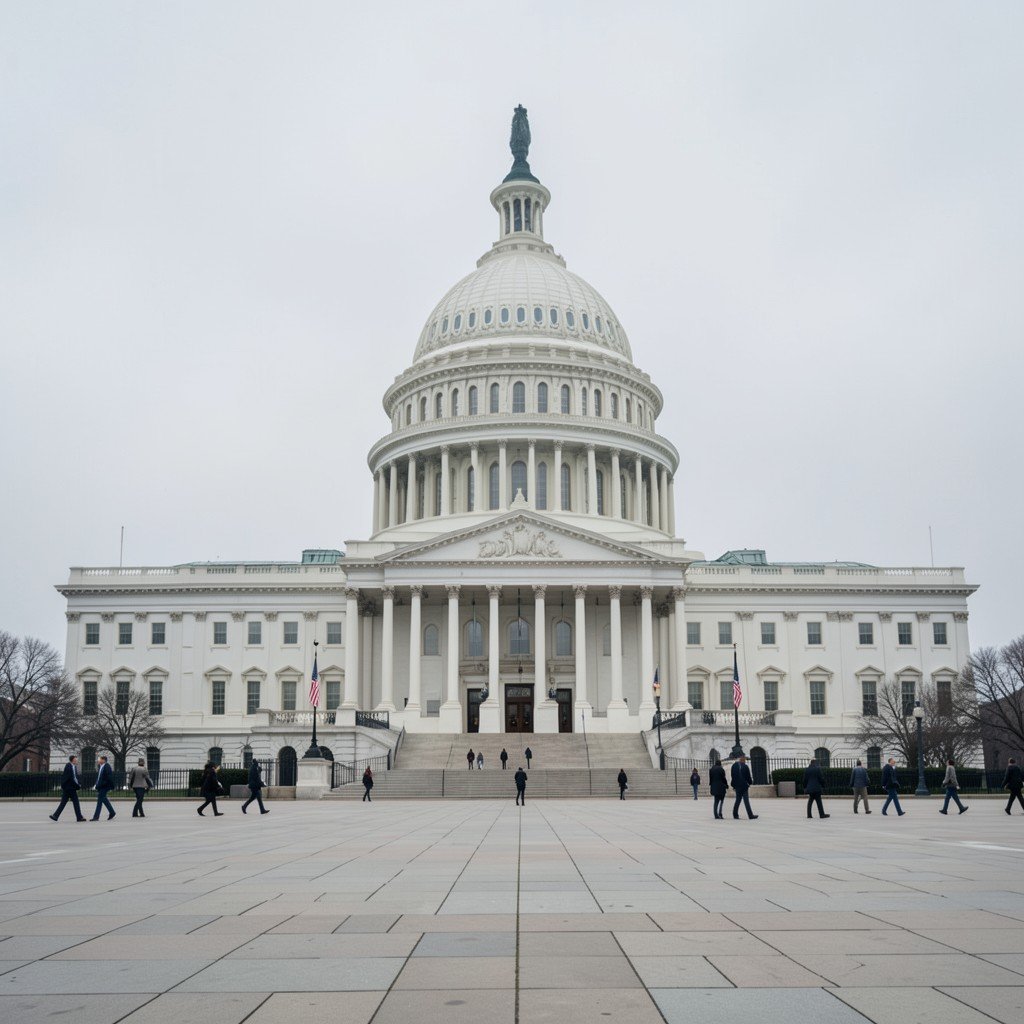
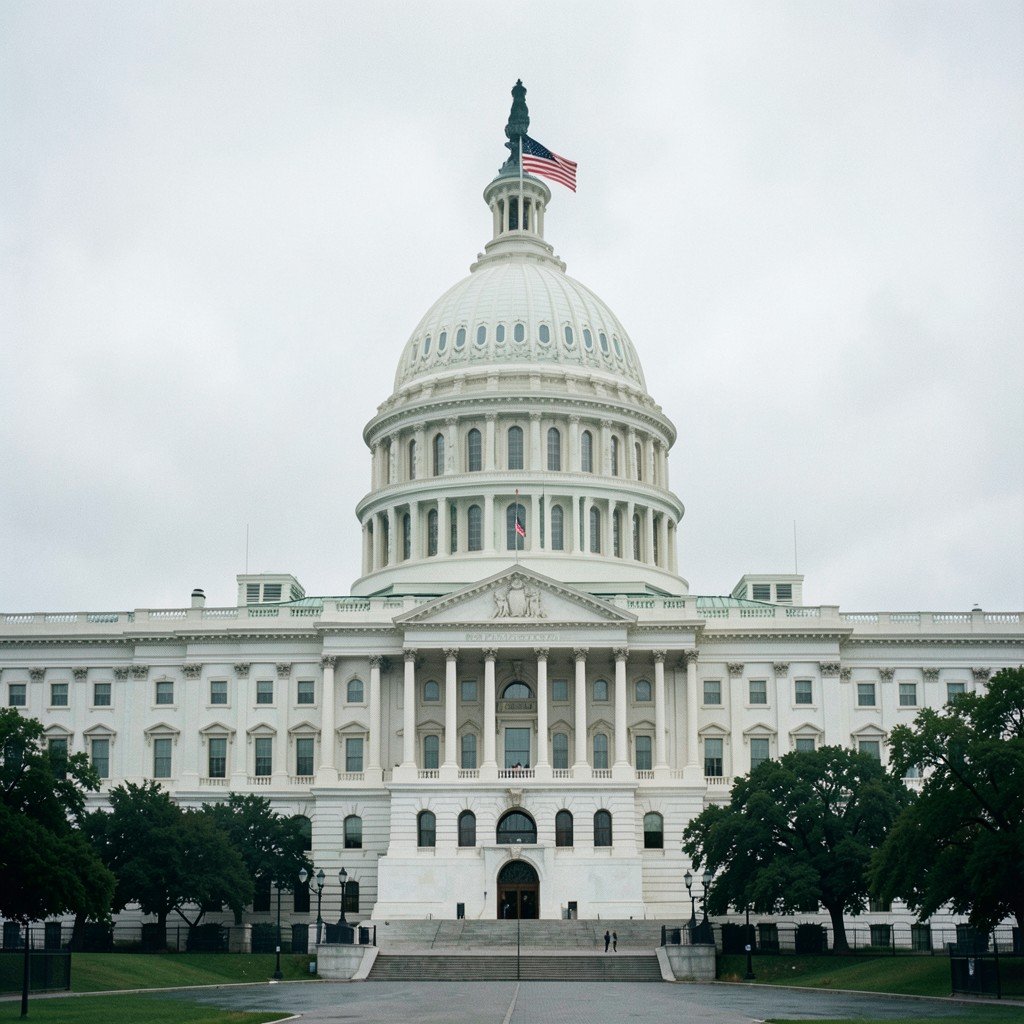
AI-generated representative image. The US Capitol building in Washington, symbolizing the shifting political landscape in US-Israel relations.
Editorial Team
Editorial Team
Israeli opposition leaders pledge to restore bipartisan ties with Washington after Democratic control reshapes the alliance

Israeli opposition politicians have blamed Prime Minister Benjamin Netanyahu for weakening support for Israel in the United States after Democrats won majorities in both the Senate and the House of Representatives on Tuesday. The comments came on Wednesday as opposition figures pledged to restore bipartisan ties with Washington if they form the next government.

The US midterm results, delivered a week after Israel's own election in which Netanyahu's right-wing coalition lost its parliamentary majority, have intensified a debate over whether his openly partisan approach to American politics has damaged a decades-old alliance. The outcome matters because the United States has been Israel's most reliable ally, providing billions of dollars in annual military aid since the 1970s under presidents of both parties.

Opposition Leaders React to the Vote

Yair Lapid, a former prime minister whose party is part of the coalition seeking to unseat Netanyahu, said the US results showed that "Israel cannot afford" for Netanyahu to remain in office. "It endangers our security, it jeopardizes our democracy, and it will ruin our standing on the global stage," Lapid wrote on social media.

Gadi Eisenkot, Netanyahu's main rival, said that under his leadership Israel would restore its bipartisan ties with Washington. He pledged to "strengthen the bipartisan foundations that have long sustained" the partnership and to work with allies toward a Middle East defined by "the presence of opportunity and cooperation."

Yair Golan, whose party is also part of the anti-Netanyahu coalition, said the US vote showed "just how toxic Netanyahu has become" among Democrats and Republicans alike. He warned that continued rule by Netanyahu and his far-right government would put Israel on "a path toward international sanctions, global isolation, and a confrontation with the United States."


Historical Context of the Alliance

For decades, the United States has been Israel's staunchest ally, providing billions of dollars a year in military aid since the 1970s. Unlike previous Israeli leaders, who carefully courted Democrats and Republicans alike, Netanyahu has openly sided with Republicans.

Lapid pointed to a turning point in 2015, when Netanyahu addressed Congress against then-President Barack Obama to warn against the nuclear deal being negotiated with Iran, aligning himself with Obama's Republican opponents. "Israel doesn't choose sides in America. We work with everyone," Lapid wrote on X, calling for a return to the rule that had worked for seventy years.

Some Democratic candidates made criticism of military aid to Israel amid its war on Gaza a central campaign theme. On Tuesday, US President Donald Trump, who had endorsed Netanyahu in Israel's election, pledged to halt $4bn in annual funding to Israel, saying the move would take away a "bad talking point" for Democrats.

Statements and Lobbying Response

Lapid acknowledged that there was "no question" that the "anti-Israel core" in Congress "has grown," but said it amounted to less than 10 percent of the Senate. He noted that Democratic lawmakers Hakeem Jeffries would lead the House and Chuck Schumer the Senate, adding: "Both are my friends; both voted with Israel this year even when the majority of their party caucus voted otherwise."

The American Israel Public Affairs Committee, the leading pro-Israel lobbying group, struck a similar note. In a post on X, it congratulated "the hundreds of pro-Israel Democrats and Republicans who won their elections last night," saying that 234 candidates it had backed won. The group singled out Schumer and Jeffries and pledged to "increase its support for Democrats and Republicans who recognize that a strong partnership with Israel helps keep both countries secure."

What Lies Ahead

Netanyahu did not immediately respond to the opposition's criticism. Israel's election a week earlier left Netanyahu's coalition without a parliamentary majority, while denying Eisenkot a clear path to forming a government. Israeli President Isaac Herzog has accepted the vote results and opened talks on forming a government, with the composition of the next administration and its approach to US relations still to be determined.

MORE LIKE THIS

Comments (0)

Leave a comment

A verified Gmail account is required to post comments.

No comments yet. Be the first to share your thoughts!