

Israel Coalition Talks: Arab Parties Back Eisenkot Bloc
news

Israel Coalition Talks: Arab Parties Back Eisenkot Bloc

By Editorial Team•Nov 2, 2026 · 5:47 PM•4 min read
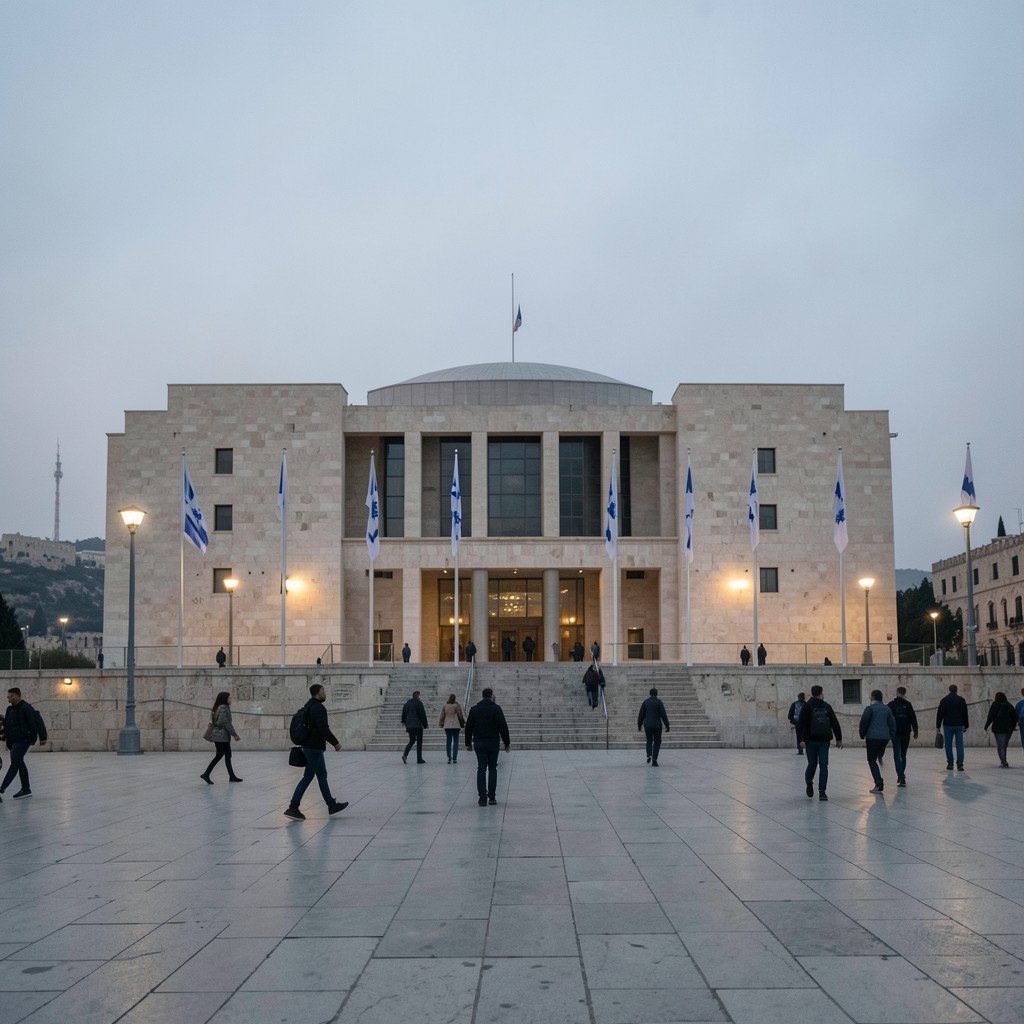
AI-generated representative image. The Knesset building in Jerusalem, where Israeli coalition negotiations are underway after last week's election.
Editorial Team
Editorial Team
Record Arab bloc may enable an Eisenkot minority government, blocking Netanyahu's path to a Knesset majority.

Israel's Arab-led parties, which secured a record 19 seats in last week's general election, are set to back opposition leader Gadi Eisenkot's bloc, dealing a further blow to Prime Minister Benjamin Netanyahu's efforts to form another government. The main Jewish opposition alliance won 48 seats, short of the 61 needed for a Knesset majority, while Netanyahu's Likud-led coalition took 53 seats.

Neither bloc reached the threshold on its own, leaving the two Arab parties, the Joint List and Ra'am, in a potentially decisive position as coalition negotiations begin.

The outcome could determine whether Israel avoids a political deadlock or heads toward another election. Arab citizens make up roughly a fifth of Israel's population, and their doubled turnout of about 80 percent has given Arab-led parties unprecedented leverage in a political system where they have long been marginalized.

The development also tests the opposition's earlier pledge not to partner with Arab parties, a promise made to appeal to Jewish voters amid openly anti-Arab campaign rhetoric from Netanyahu and others.

Election Results and Emerging Alliances

The Joint List, led by Yousef Jabareen, won 11 seats, while Ra'am, led by Mansour Abbas, won eight. The opposition "Change" bloc, which includes four parties led by former military chief Gadi Eisenkot of the Yashar party, has pledged not to join forces with Netanyahu, citing security failures surrounding the October 7 Hamas attacks and the prime minister's ongoing corruption trial.

According to multiple media reports, both Arab parties have signaled they will collaborate with the opposition to push Netanyahu out, though not necessarily by formally joining a government. Jabareen told The Guardian that the Joint List would vote with the Change bloc in the Knesset rather than sit in the cabinet, which could allow Eisenkot to form a minority government with fewer than 61 seats.
Background and Political Context

Arab parties have historically been sidelined in Israeli politics. Only one, Ra'am, has successfully joined a governing coalition, doing so in 2021 in a government that lasted less than two years. Since the October 7 attacks, Arab politicians have faced heightened scrutiny, with at least two former Palestinian legislators and one current Knesset member briefly arrested for comments or acts critical of Israel's actions in Gaza and the West Bank.

Eisenkot and other opposition leaders had earlier said they would not form a coalition with Arab parties, a stance aimed at appealing to their supporters. Any alliance now would require navigating conditions the opposition bloc previously set, including that partners accept Israel as a Jewish state, support army conscription, and denounce Hamas as a terror group.

Official Statements and Fraud Allegations

Netanyahu has repeatedly claimed, without proof, that Arab parties committed election fraud with foreign backing. His Likud party cited the arrests of three political activists who allegedly bribed voters before polls opened, though Ra'am denies involvement. That case appears to be weakening: on Sunday, an Israeli court released one suspect and placed another under house arrest.

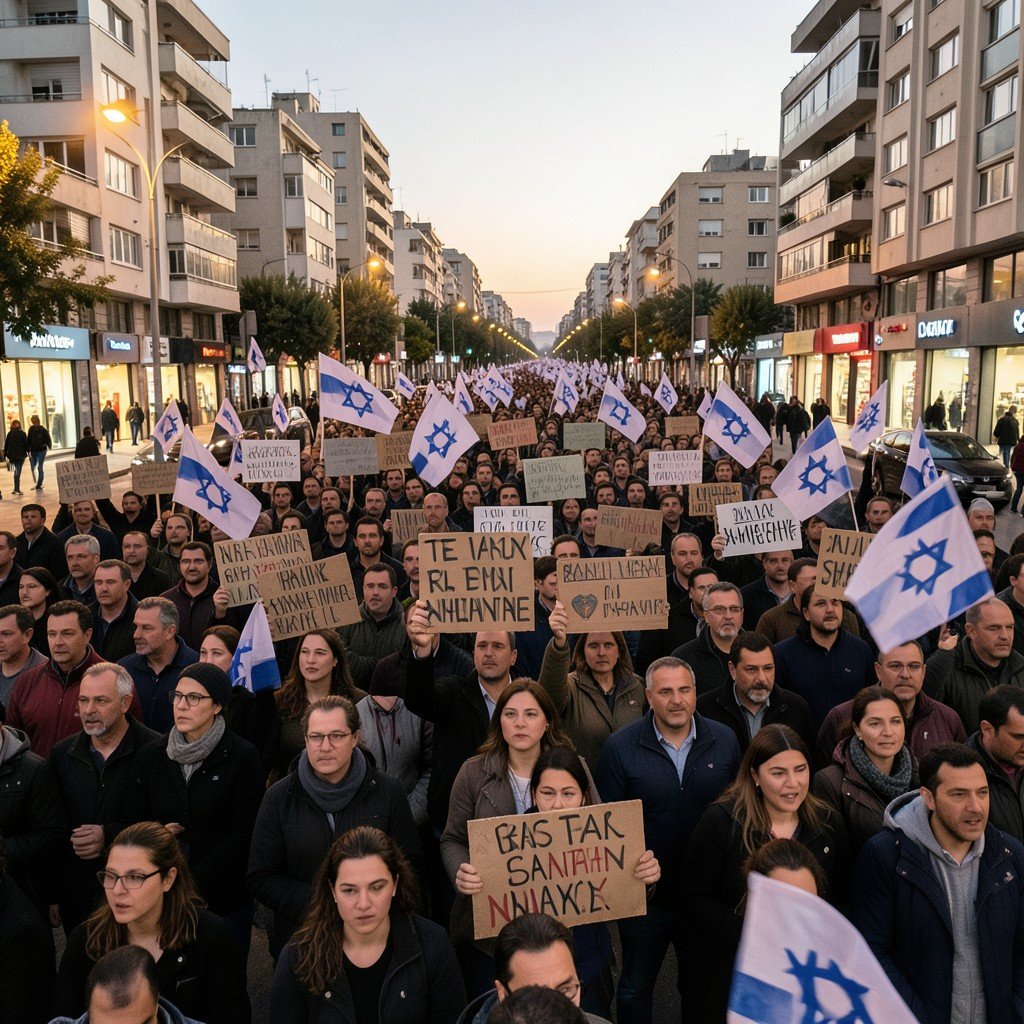
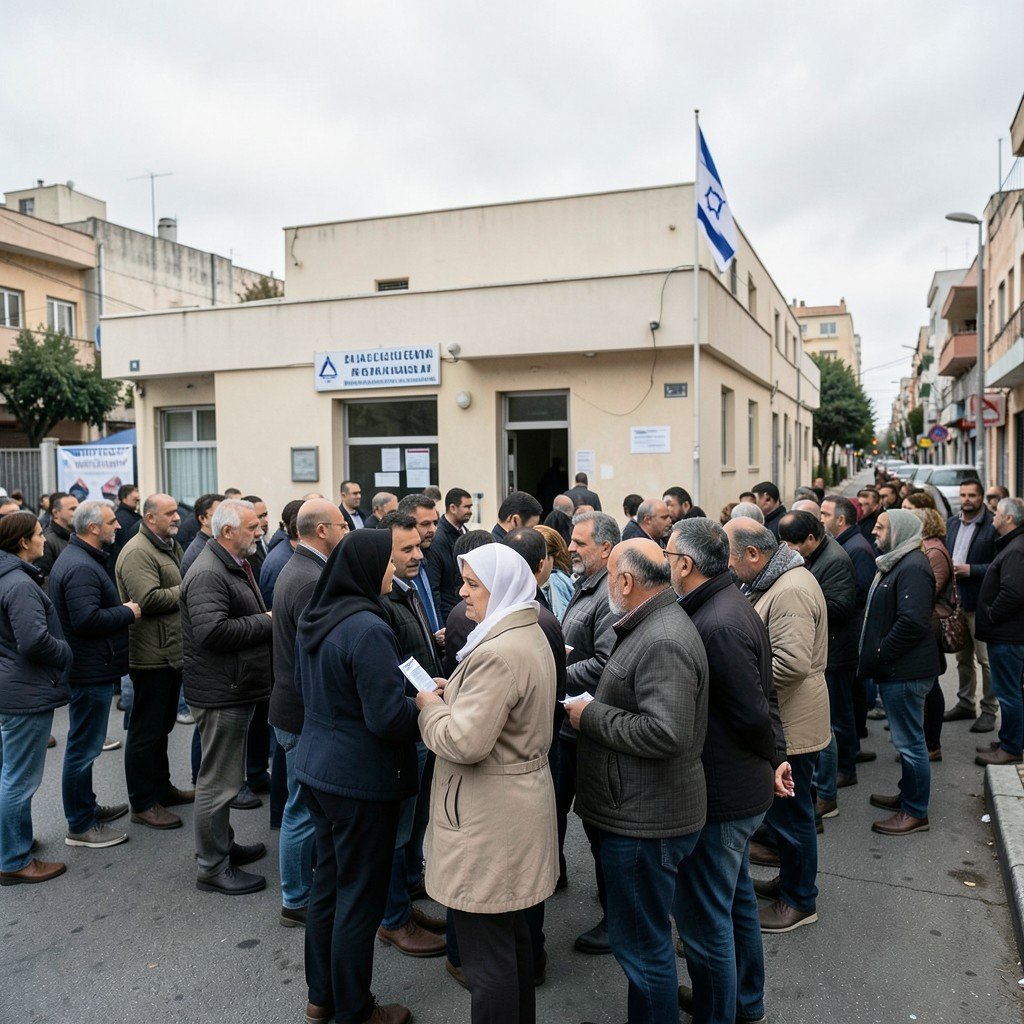
Central Elections Committee head Noam Sohlberg said that "even if the suspicions are substantiated, this would not undermine the integrity of the electoral process or the election results as a whole." Likud has also warned that Zionist parties cooperating with the Arab bloc would be "dangerous to Israel," and dozens of Israelis gathered outside Eisenkot's home late Sunday to protest a potential alliance.

What Happens Next

Election results are set to be certified on Wednesday. President Isaac Herzog will then meet with leaders of the 11 elected parties, in a livestreamed session, to determine their preferred candidate for prime minister before selecting the person most likely to form a coalition.

That candidate will have 28 days to build a government, with a possible 14-day extension. Parliamentarians are scheduled to be sworn in on November 10 regardless of the coalition talks. A unity government between Netanyahu and the opposition remains possible but unlikely, according to analysts.

MORE LIKE THIS

Comments (0)

Leave a comment

A verified Gmail account is required to post comments.

No comments yet. Be the first to share your thoughts!