Iran Claims Strike on US Early-Warning Radar in Bahrain
news

Iran Claims Strike on US Early-Warning Radar in Bahrain

By Editorial Team•Nov 13, 2026 · 12:18 PM•3 min read
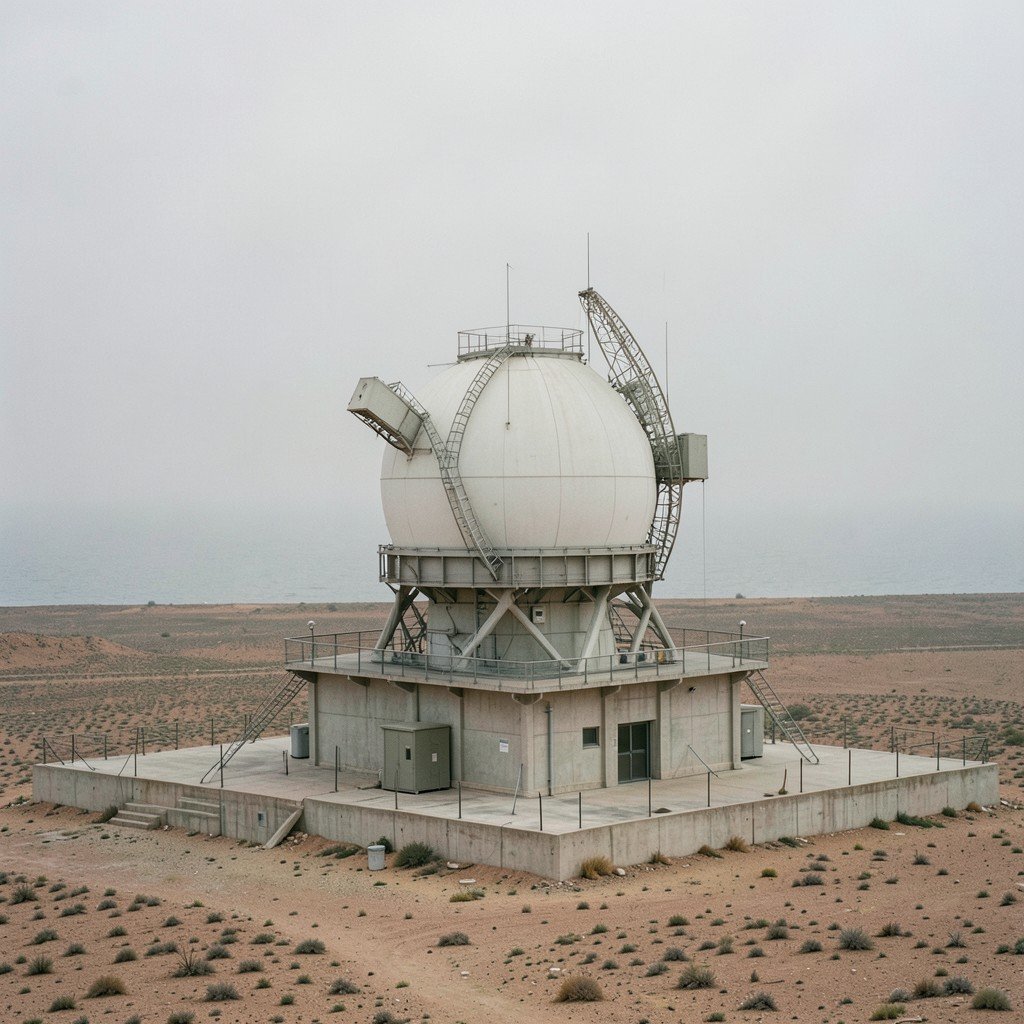
AI-generated representative image. A military early-warning radar installation in a desert coastal setting, illustrating reports of an unverified claimed strike
Editorial Team
Editorial Team
IRGC says Bahrain radar attack was retaliation for airstrike on Hormozgan telecom tower

Iran's Islamic Revolutionary Guard Corps (IRGC) claimed on Friday that it struck a US early-warning radar installation in Bahrain, describing the attack as retaliation for an alleged enemy airstrike on a telecommunications tower in Sirik, in Iran's southern Hormozgan Province.

The IRGC said it destroyed the radar, but neither the strike nor the reported damage has been independently verified, and there was no immediate confirmation from the US military or Bahrain.

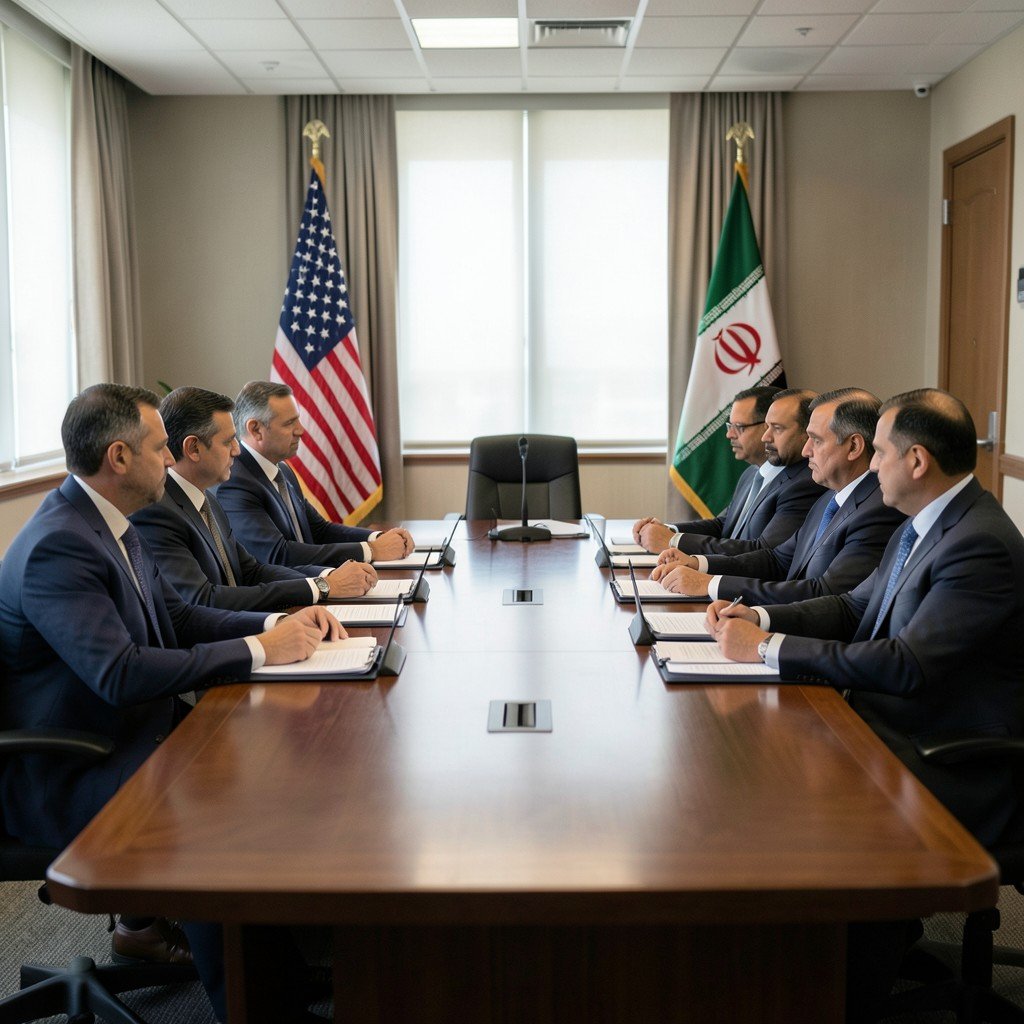
The claim escalates an already volatile standoff between Washington and Tehran, where peace negotiations have stalled and concerns persist over a possible resumption of major US military operations.

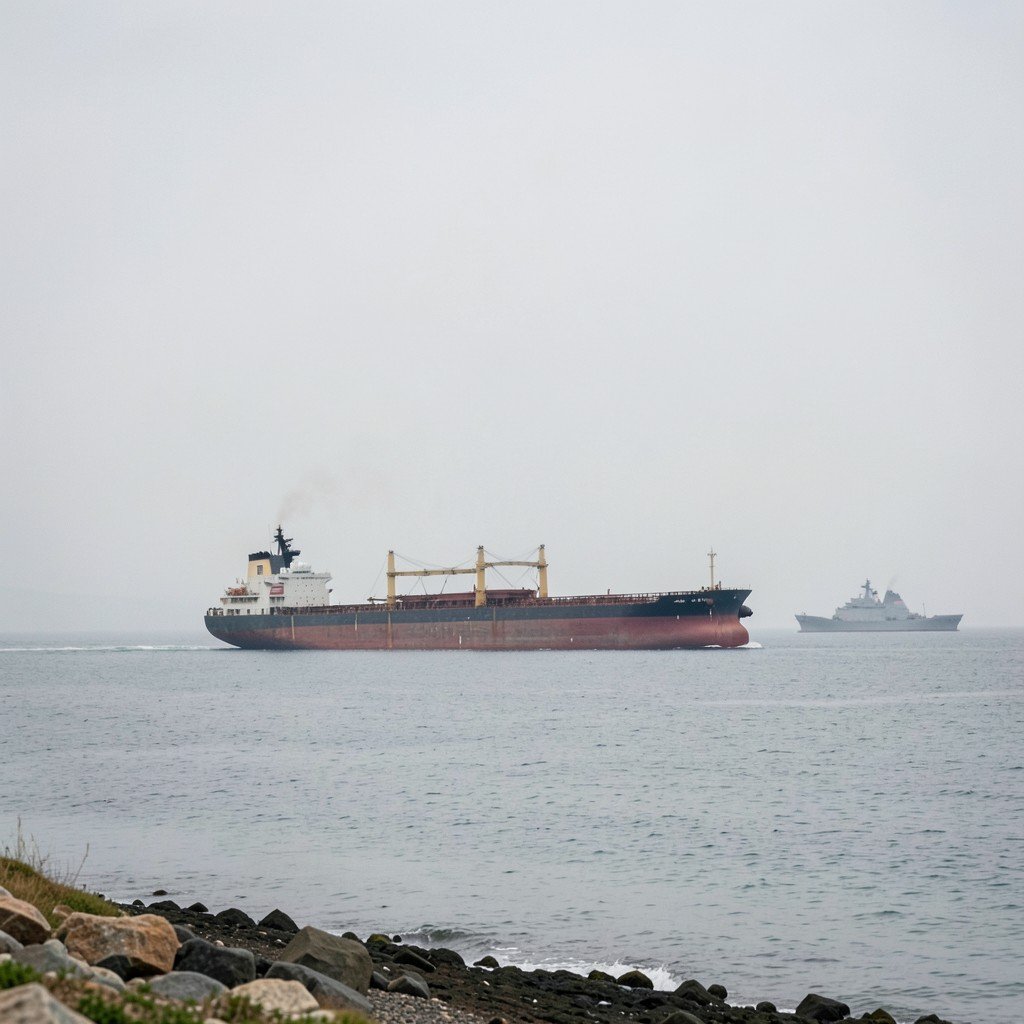
The reported incident carries significant regional implications, as Bahrain hosts US naval and military facilities and sits near the strategically vital Strait of Hormuz, a waterway central to global energy shipping and to the latest exchanges between the two governments.

Key Developments

  • The IRGC announced the claimed radar strike in a statement carried by Iranian media on Friday, saying it was in retaliation for an alleged enemy airstrike on a telecommunications tower in Sirik, Hormozgan Province.
  • US President Donald Trump said on Monday that further military action against Iran does not appear to be necessary, expressing hope for a diplomatic breakthrough amid calls for restraint from Arab allies.
  • Trump nonetheless warned that US forces are "locked and loaded" and ready to resume strikes if circumstances change.
  • In a Truth Social post on Thursday, Trump declared that the US no longer needs a peace deal with Iran, claiming Washington controls Iranian funds and the Strait of Hormuz.

Background and Recent Strikes

The US carried out limited airstrikes against Iranian air-defense positions on Qeshm Island on November 2 and 6. Trump described the latest operation as "minor."

Media reports have said Israeli Prime Minister Benjamin Netanyahu pressed Trump to launch a new offensive against Iran following the November 3 US midterm elections, but the president declined. The escalating exchanges follow a period in which Washington and Tehran have traded threats while diplomatic channels have remained stalled.

Official Statements and Warnings

Speaking to conservative radio host Hugh Hewitt on Thursday, Trump warned that Iran will "not exist very long" if it kills a senior US official. The remarks followed reports that Treasury Secretary Scott Bessent moved to a military base over alleged Iranian threats, which Tehran denied.

Mohsen Rezaei, the secretary of Iran's Supreme National Security Council, warned on Thursday that US military bases involved in a renewed attack on Iran, including those in Europe, would be considered legitimate targets. "No safe distance. No safe haven. No immunity," he wrote on X.


Current Status and Next Steps

As of the latest reports, neither the IRGC's claimed radar strike in Bahrain nor the reported damage has been independently verified, and no official confirmation has been issued by the US military or Bahraini authorities.

It remains unclear whether either side will pursue further military action or return to diplomatic engagement, and additional information on the alleged strike and its aftermath is still awaited.

MORE LIKE THIS

Comments (0)

Leave a comment

A verified Gmail account is required to post comments.

No comments yet. Be the first to share your thoughts!