

Gaza Winter Crisis: Families Face Hypothermia as Aid Falls Short
news

Gaza Winter Crisis: Families Face Hypothermia as Aid Falls Short

By Editorial Team•Nov 12, 2026 · 8:31 PM•3 min read
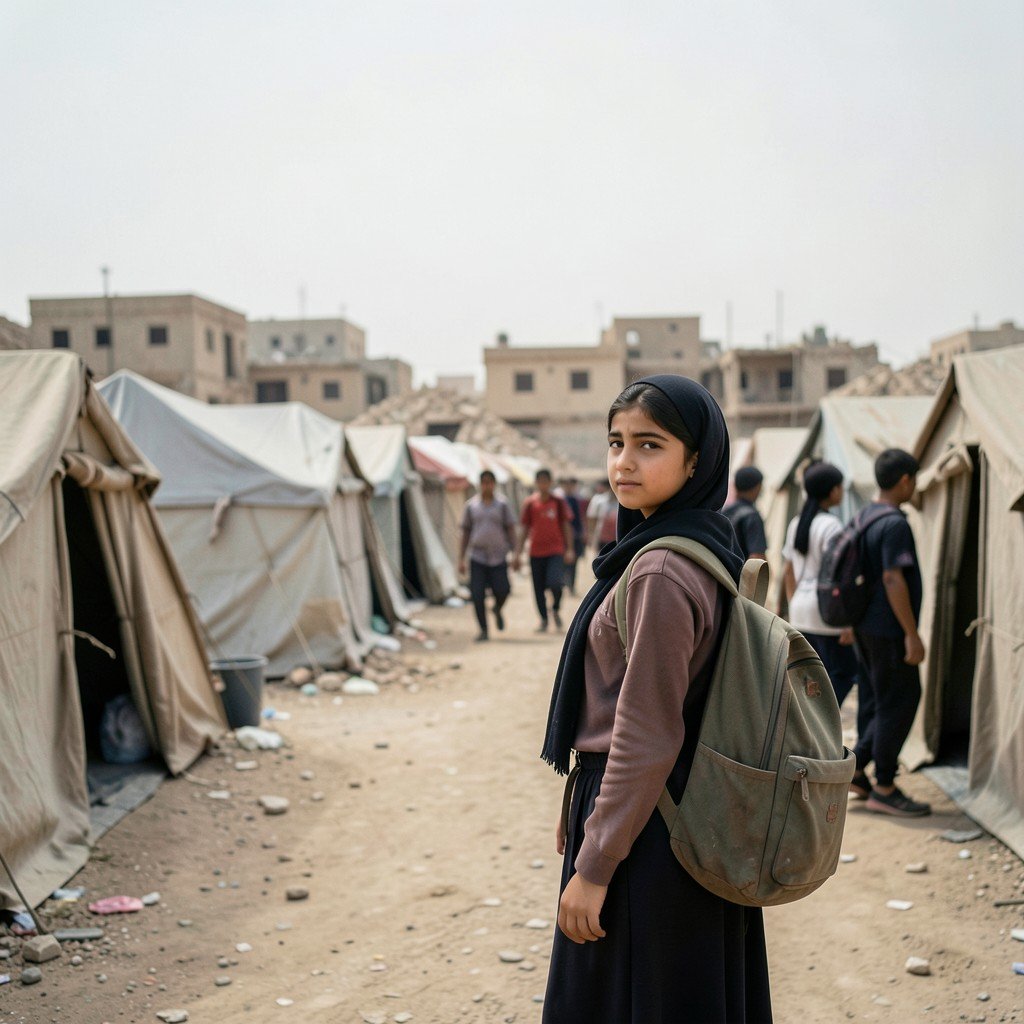
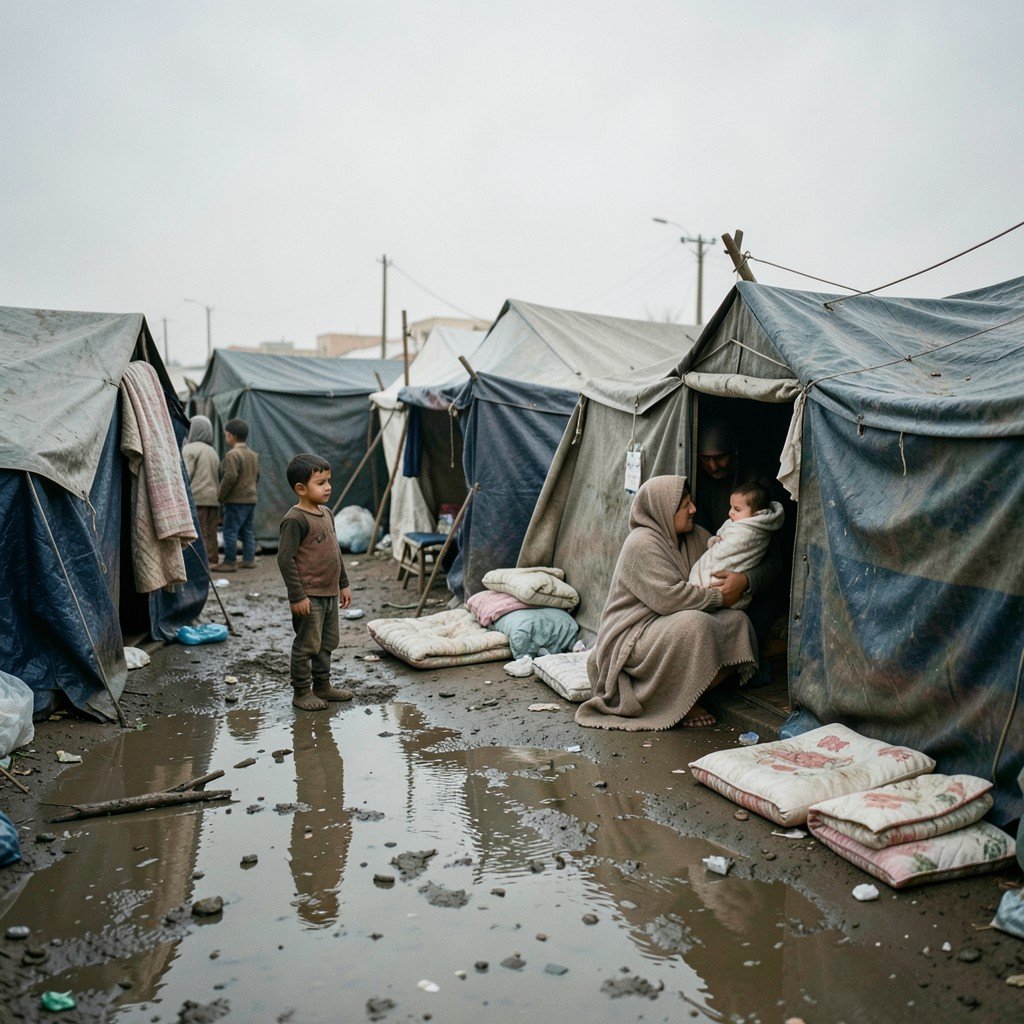
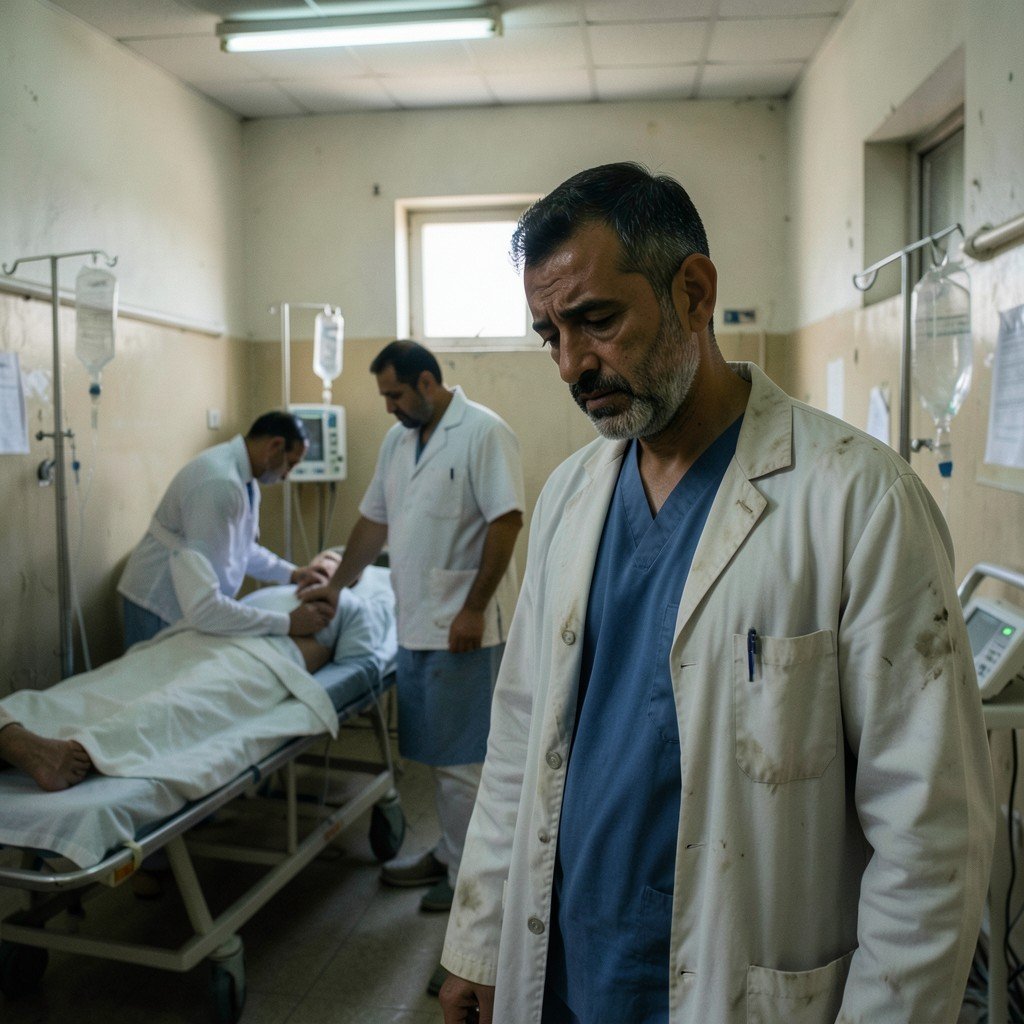
AI-generated representative image: Displaced families in Gaza face harsh winter conditions in makeshift shelters amid severe shortages of warm clothing and blan
Editorial Team
Editorial Team
Displaced Palestinians in makeshift shelters confront flooding, hypothermia and impossible choices amid severe winter aid shortages.

As winter temperatures drop across the Gaza Strip, displaced families living in makeshift tents are struggling to keep their children warm amid severe shortages of clothing, blankets and shelter materials. The United Nations Office for the Coordination of Humanitarian Affairs (OCHA) reports that 94 percent of Gaza's population urgently needs shelter assistance, while 650,000 children require winter aid including warm clothing and blankets.

The crisis has already turned deadly. On Thursday, a nine-month-old baby, Kinan Ahmed Raqiq, died of hypothermia after his father found his skin had turned blue in their tent. The death underscores the life-threatening conditions facing hundreds of thousands of Palestinians still living in tents and damaged shelters more than three years into the war.

Growing Winter Emergency

Recent heavy rains have worsened conditions across Gaza. UNICEF reported on November 9 that flooding had affected more than 106,000 people, while roughly 950,000 displaced Palestinians are living in flood-prone areas. Rainwater has soaked mattresses, pillows and blankets in many shelters, leaving families without dry bedding during cold nights.

  • OCHA says 65 percent of households live in tents or makeshift shelters.
  • By September, aid agencies had secured winter clothing for only 9,000 households and bedding for 50,000, far below the need.
  • UNICEF is seeking $97.5 million for its 2026-2027 winter response to support 540,000 children and families across Gaza and the occupied West Bank.
War's Devastating Toll

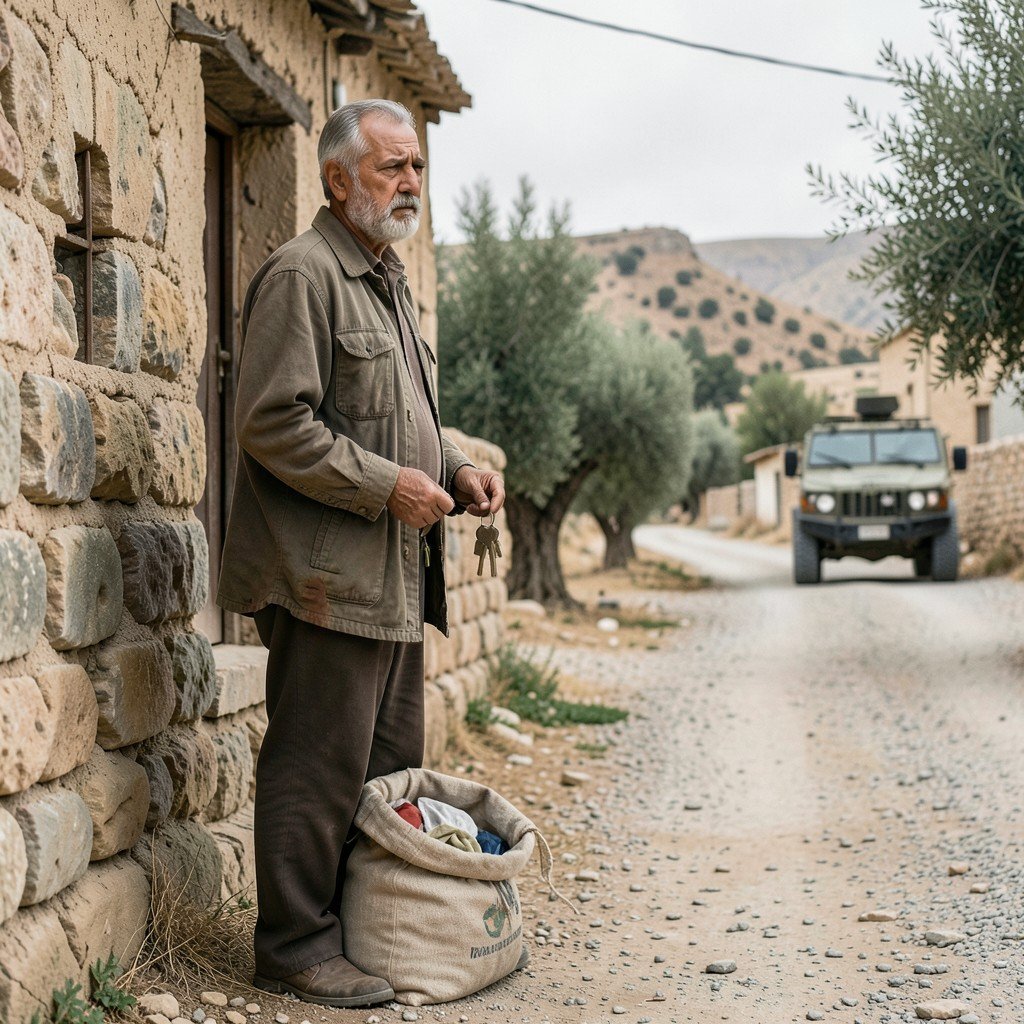
The winter hardship is unfolding against the backdrop of a war that has killed more than 74,600 Palestinians and wounded over 176,000. Nearly two million people have been displaced, many repeatedly, and hundreds of thousands remain in tents and damaged shelters. As the conflict enters its fourth year, unemployment and rising prices have made basic necessities increasingly unaffordable.

At least 11 children died from hypothermia last winter, according to the Gaza Ministry of Health. UNICEF has warned that winter conditions put children at increased risk of hypothermia and respiratory infections, with funding shortages hampering preparations for the cold season.

Struggles Across Displaced Communities

In Gaza City, 27-year-old Amira Saad lives with 18 family members, including nine children, under a tarp that offers little protection. Her four-month-old baby has mostly thin summer clothes, and the family relies on community kitchens for food with no income to spare for winter supplies. "My husband does not have a job. Two days ago, he went out to work breaking up rubble, but he broke his hand," Amira said.

Amal al-Maydana, a 46-year-old mother of seven, has been displaced six times since the war began. Her husband was killed by an Israeli quadcopter in January 2025 and her eldest son by a sniper later that year. Her younger daughters are still wearing summer clothes. In Gaza City's Rimal market, shop owner Mohammed Abu Shanar said high prices driven by goods shortages have left many customers unable to buy winter clothing, with tracksuits selling for 40 to 50 shekels instead of 20 to 25.

What Lies Ahead

With no regular income and aid falling far short of demand, displaced families face impossible choices between food, warm clothing and shelter repairs. Anas Hamad, a displaced father of three from Beit Hanoun, described the dilemma facing many. "I have to choose between buying food for my children, getting them warm clothes and blankets, or buying tarpaulins to protect our tent from the coming rain," he said. "I don't know what to prioritise or what to leave behind."

MORE LIKE THIS

Comments (0)

Leave a comment

A verified Gmail account is required to post comments.

No comments yet. Be the first to share your thoughts!