

Hebron Displacement: 5,000 Palestinians Expelled by Israeli Forces
news

Hebron Displacement: 5,000 Palestinians Expelled by Israeli Forces

By Editorial Team•Nov 1, 2026 · 10:12 AM•5 min read
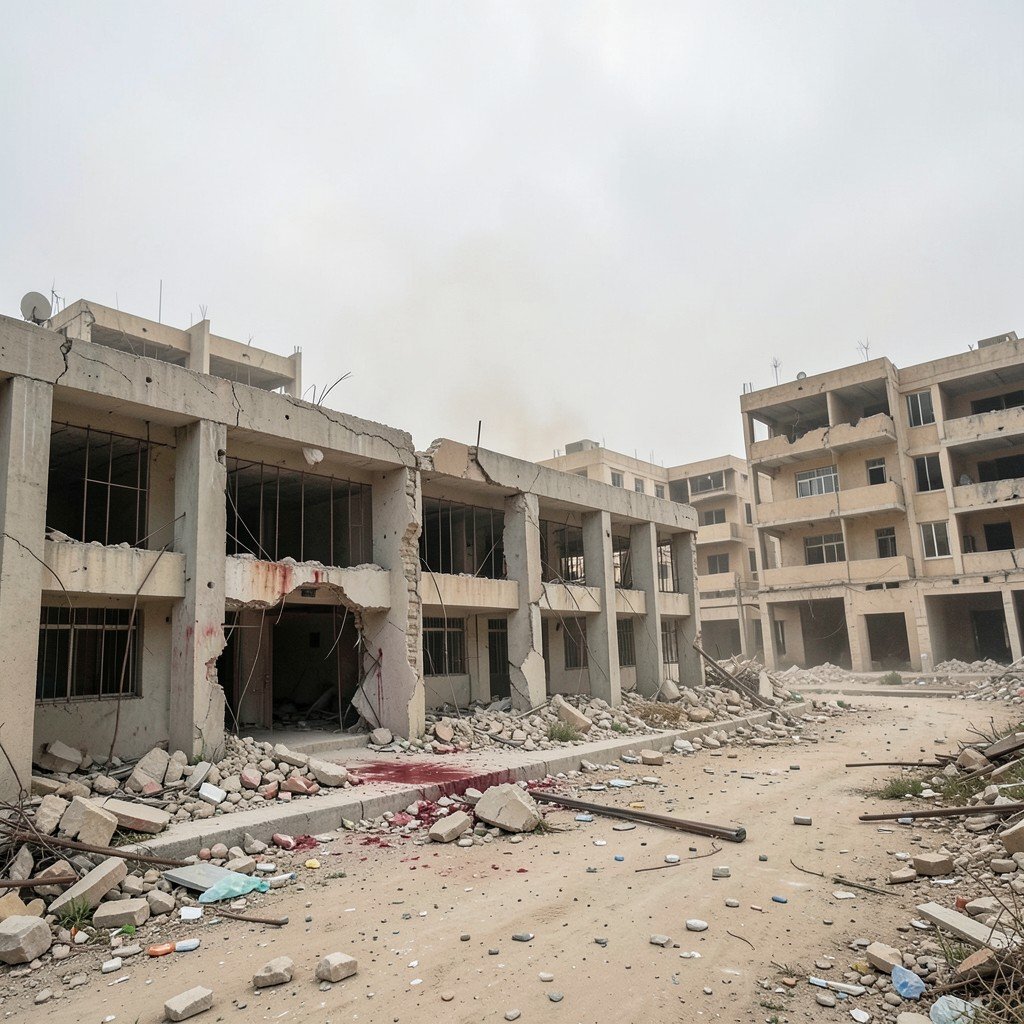
AI-generated representative image: Palestinians displaced amid the ongoing siege of Hebron in the occupied West Bank.
Editorial Team
Editorial Team
UNRWA condemns collective punishment as West Bank siege intensifies amid Gaza destruction

Nearly 5,000 Palestinians have been displaced in just over a week after Israeli forces placed Hebron, the occupied West Bank's largest city, under siege following the killing of two Israeli soldiers at a checkpoint on October 23. Families have been forced from their homes at gunpoint, with soldiers converting some residences into military outposts.

The United Nations agency for Palestinian refugees, UNRWA, has described the measures as collective punishment in violation of international law, as restrictions now extend across a governorate of about 800,000 Palestinians.

The displacement in Hebron is the latest escalation in a broader pattern of home demolitions and forced expulsions that has intensified across the occupied West Bank and Gaza over the past year. Human rights observers and UN agencies warn the tactics mirror those previously used in Gaza, where an estimated 82 percent of all structures have now been damaged or destroyed.

For affected residents, the expulsions have been abrupt and total, with families leaving behind homes, livestock and livelihoods with no clear indication of when or whether they can return.

Major Developments in Hebron and the West Bank

The current Hebron operation began hours after two Israeli soldiers were killed by armed Palestinian men at a checkpoint near the city on October 23. Since then, Israeli forces have marked expelled families' homes with a black X and moved soldiers into other residences, turning them into military outposts.

  • Nearly 5,000 Palestinians displaced across the Hebron governorate in just over a week, according to UNRWA.
  • Last week, Israeli forces detained four Palestinians in Tulkarem.
  • In the village of Burin, south of Nablus, troops converted several homes into military barracks.
  • Near Jenin, the army has ordered the residents of an entire village to leave permanently.

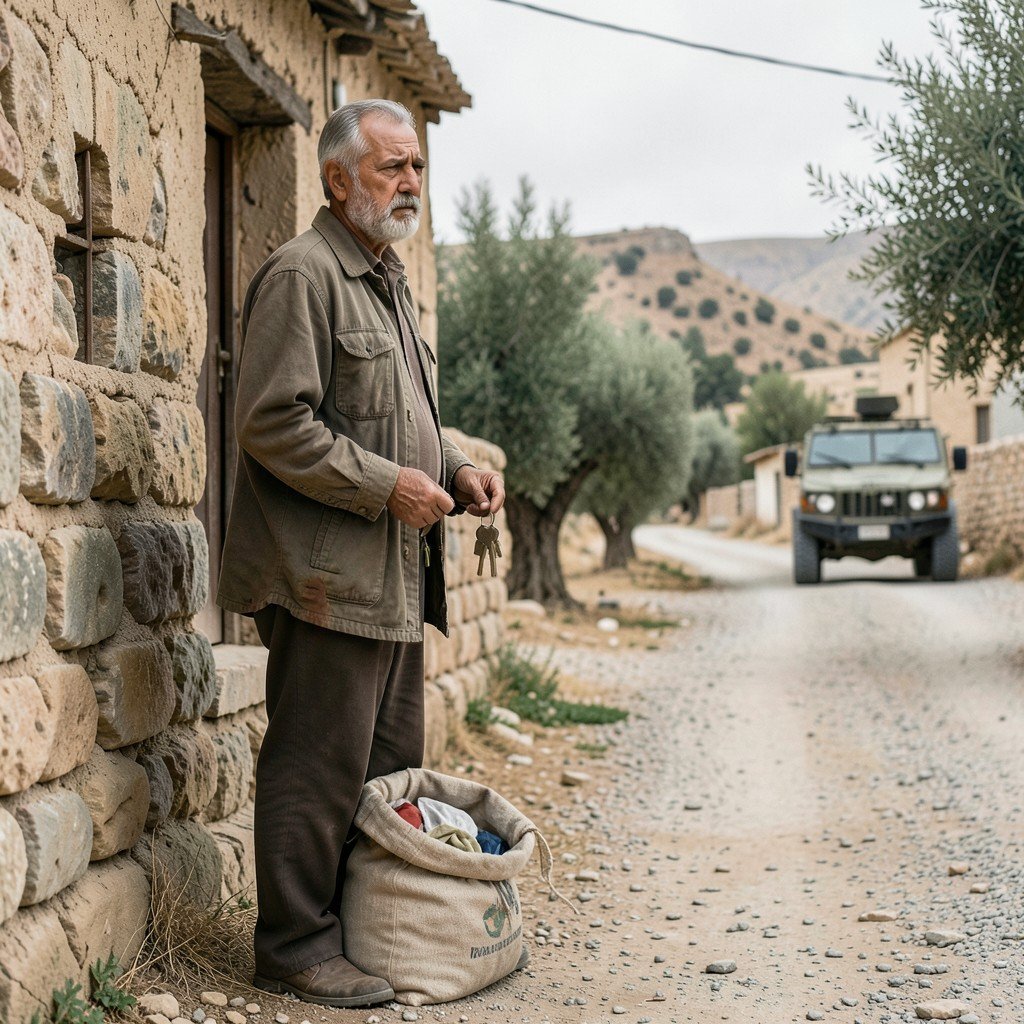
Farmer Jabri Yahya, who faces permanent expulsion near Jenin, said his family's entire life is tied to the land. "Last year they uprooted our olive trees, and this year they want to force us to leave. We don't know where to go," he said.

Years of Demolitions Precede the Siege

The current operation builds on a long history of demolitions. From 2009 until the siege began on October 23, Israeli forces demolished 2,491 buildings and displaced 3,534 Palestinians in the Hebron governorate, according to the Office for the Coordination of Humanitarian Affairs (OCHA). Across Area C and occupied East Jerusalem, the monthly average of demolitions since 2024 has been at least double that of the preceding 15 years.

Many demolitions are linked to Israel's restrictive permit system, under which Palestinians struggle to obtain Israeli-issued building permits, leaving structures built without them vulnerable to demolition. In Masafer Yatta, a cluster of 13 communities in the South Hebron Hills, Israeli authorities have demolished about 400 structures in 15 years, displacing 969 Palestinians, with nearly half demolished since January 2025.

UNRWA's West Bank director, Roland Friedrich, said the scenes in Hebron carry "alarming echoes" of the mass displacement in the northern West Bank in early 2025, when Israeli military operations emptied the Jenin, Tulkarem and Nur Shams refugee camps. More than 34,000 refugees from those camps remain displaced more than a year after the "Iron Wall" operation began in January 2025, an operation that destroyed more than half of the camps' residential buildings.

Investigation and Satellite Data Document Destruction

An investigation by the research group Forensic Architecture found evidence of deliberate, systematic destruction across four refugee camps. Researchers verified more than 200 incidents involving the destruction of buildings and streets using armoured bulldozers, controlled demolitions and air attacks. They found that roads were widened through homes and gardens to create routes for military vehicles, concluding that Israel was applying tactics in the West Bank similar to those used in Gaza.

In Gaza, the scale is far larger. By June 16, 2026, an estimated 201,290 structures had been damaged or destroyed, about 82 percent of all structures in the Strip, according to the UN Satellite Centre (UNOSAT). Many families now shelter in tents or damaged buildings without reliable water or sanitation.

OCHA's demolition records capture only a fraction of the destruction. Between 2009 and October 2026, the agency recorded 1,399 buildings demolished in the Jenin and Tulkarem governorates, displacing 4,139 people, but those records mainly track demolitions carried out for lack of permits or as punishment, not buildings destroyed during military raids.

Ongoing Displacement and Uncertain Future

The raids and expulsions have not stopped. In Gaza, Mohammed al-Jamal, 60, has been displaced several times since fleeing his home in Gaza City's Shujayea neighbourhood and now shares a worn-out tent on the beach with about 30 members of his extended family. "We are living in the street, not in houses that protect us," he said.

As another winter approaches, displaced families face new risks, with many unable to afford basic shelter repairs. Israeli authorities have not indicated when restrictions in Hebron will be lifted, and no timeline has been announced for the return of displaced residents.

MORE LIKE THIS

Comments (0)

Leave a comment

A verified Gmail account is required to post comments.

No comments yet. Be the first to share your thoughts!