

Trump Says US No Longer Needs Iran Deal, Redirects Vance Focus
news

Trump Says US No Longer Needs Iran Deal, Redirects Vance Focus

By Editorial Team•Nov 12, 2026 · 8:30 PM•3 min read
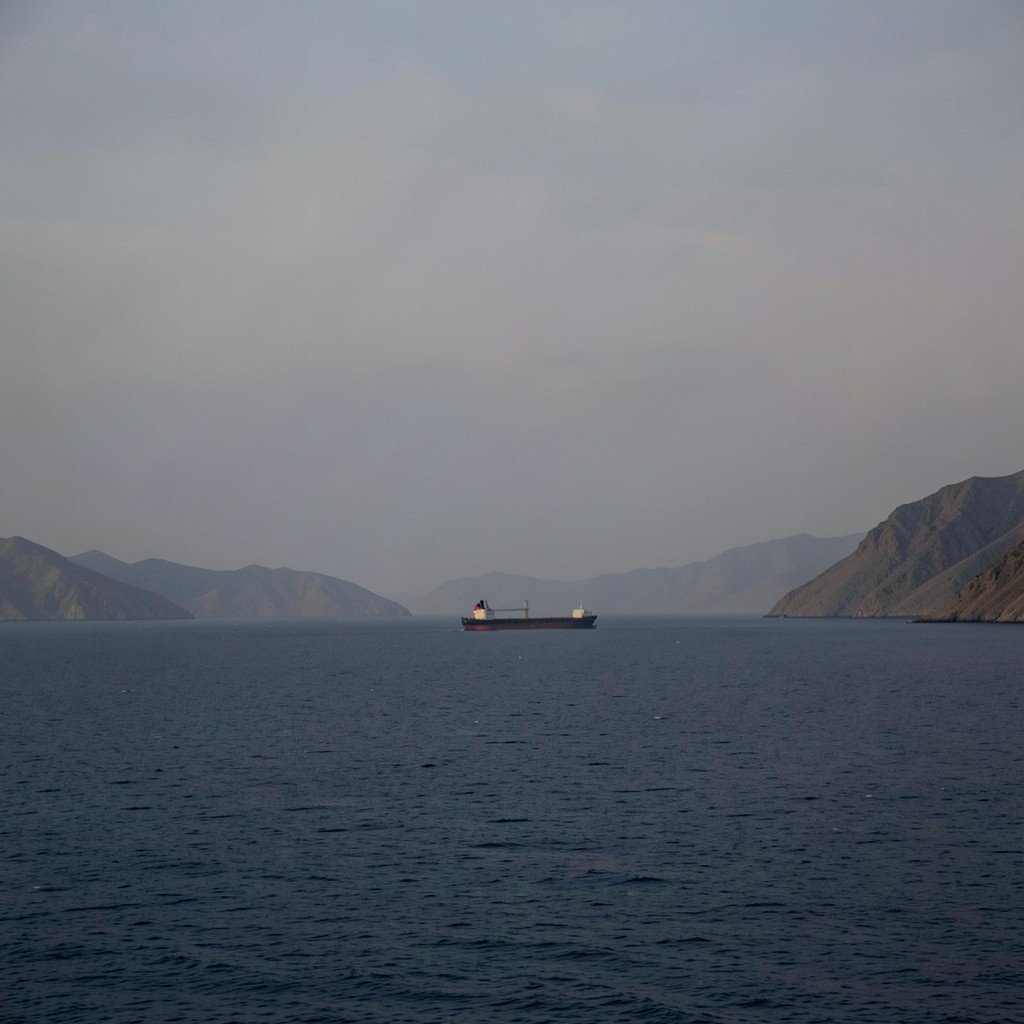
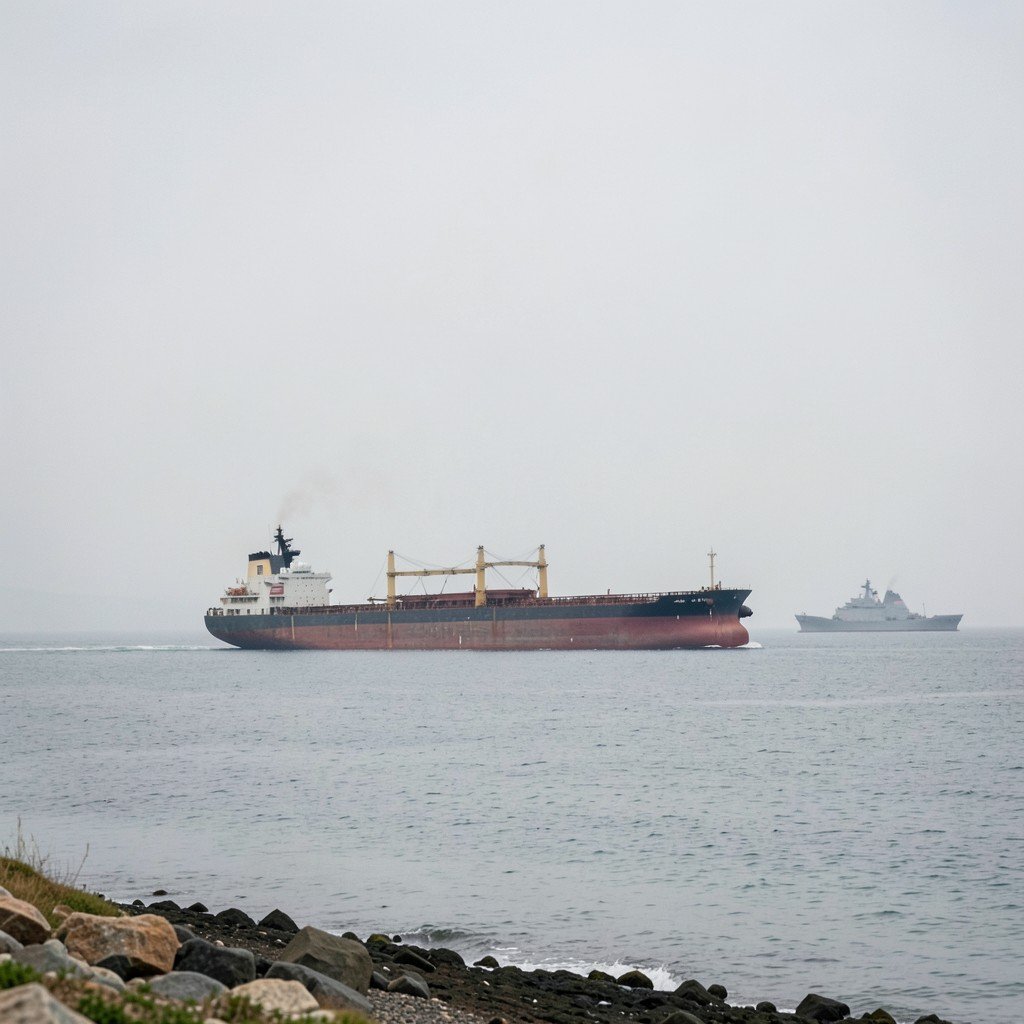
AI-generated representative image: An oil tanker transits the Strait of Hormuz under naval patrol amid US-Iran tensions over the strategic waterway.
Editorial Team
Editorial Team
President shifts vice president to Democrat-run states while Iran presses peace proposal through mediators

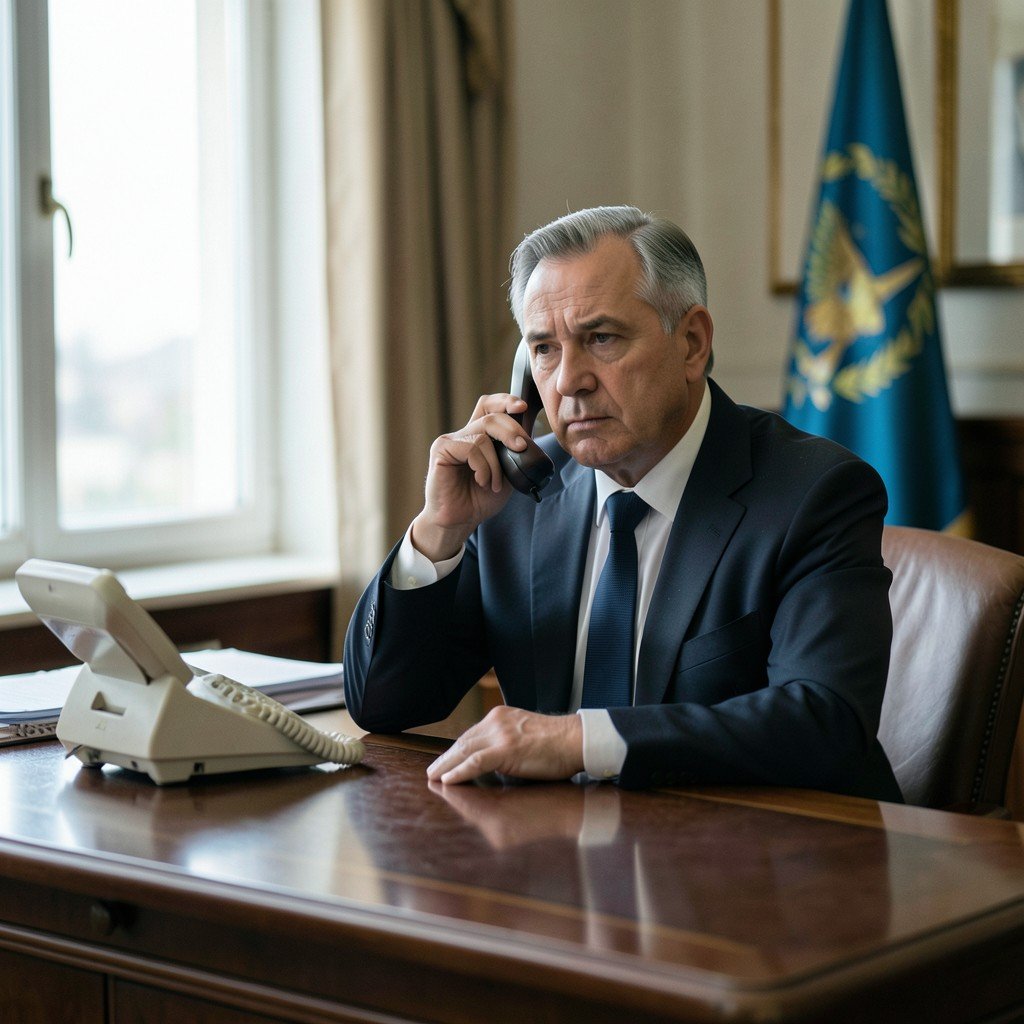
US President Donald Trump has declared that Washington no longer needs a deal with Iran, directing Vice President J.D. Vance to focus instead on alleged corruption and crime in Democrat-run states and cities. The announcement, made in a Truth Social post on Thursday, follows Vance's criticism of the US-Israeli war on Iran, which he blamed for the Republican defeat in last week's midterm elections.

The shift marks a significant change in the administration's posture toward Tehran, moving diplomatic attention away from the conflict and toward domestic policy. It also signals internal friction over the war's political cost, as the vice president publicly questioned whether the military campaign had been worth its expense.

Key Developments

In his Thursday post, Trump ordered Vance to devote his "complete and total attention" to tackling domestic corruption, arguing that a sweeping crackdown could help balance the federal budget.

"We don't need a deal with Iran. Those days have long since passed," Trump wrote. "We've got their money, Hundreds of Billions of Dollars, and we've got their Strait!"

Trump offered no explanation for his claim about Iranian money, which some media outlets have interpreted as a reference to frozen Iranian assets. Tehran estimates the funds at more than $100 billion, largely consisting of oil and gas revenues held in foreign banks under US sanctions.
Background and Recent Tensions

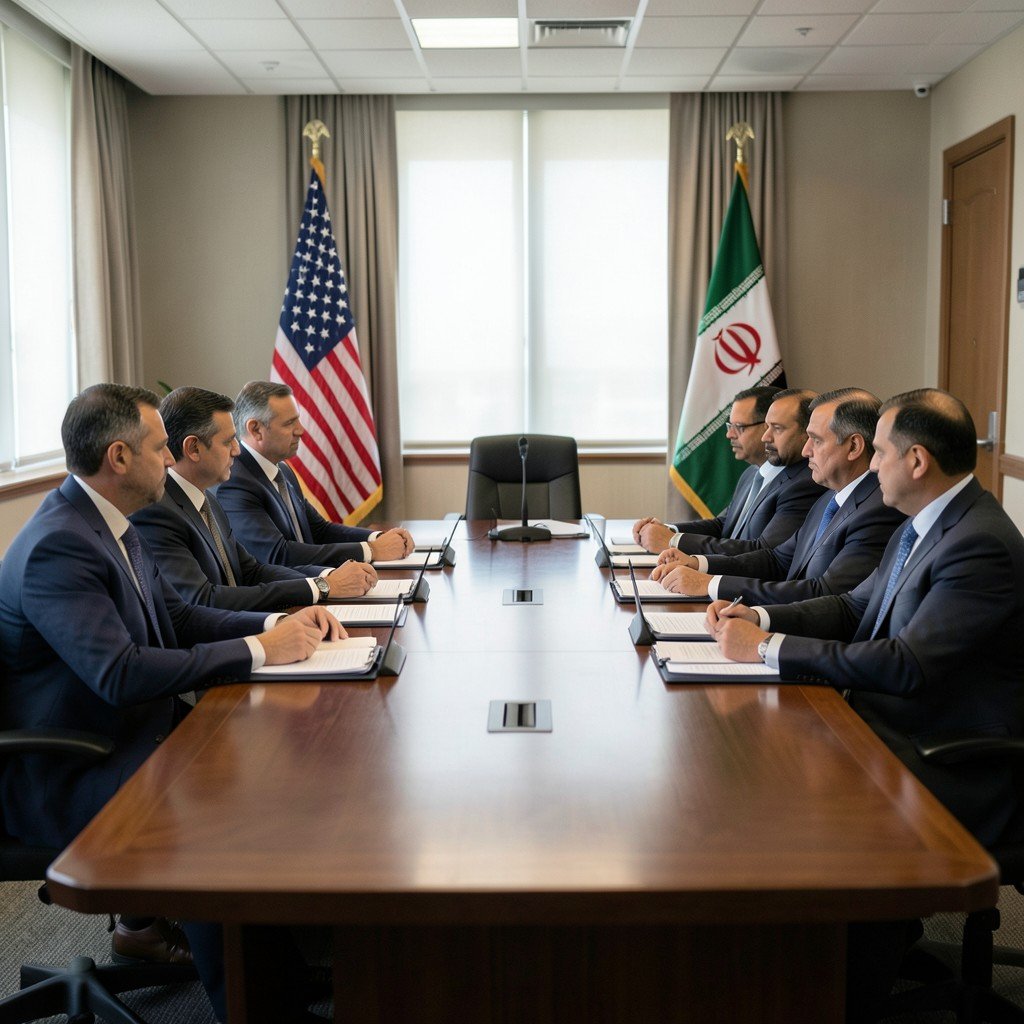
On Monday, Trump said he would hold off on further strikes against Iran after Gulf states urged Washington to avoid another escalation. His assertion of control over the Strait of Hormuz appears to refer to the US naval blockade, which restricts shipping to and from Iranian ports while allowing vessels serving other Gulf countries to pass.

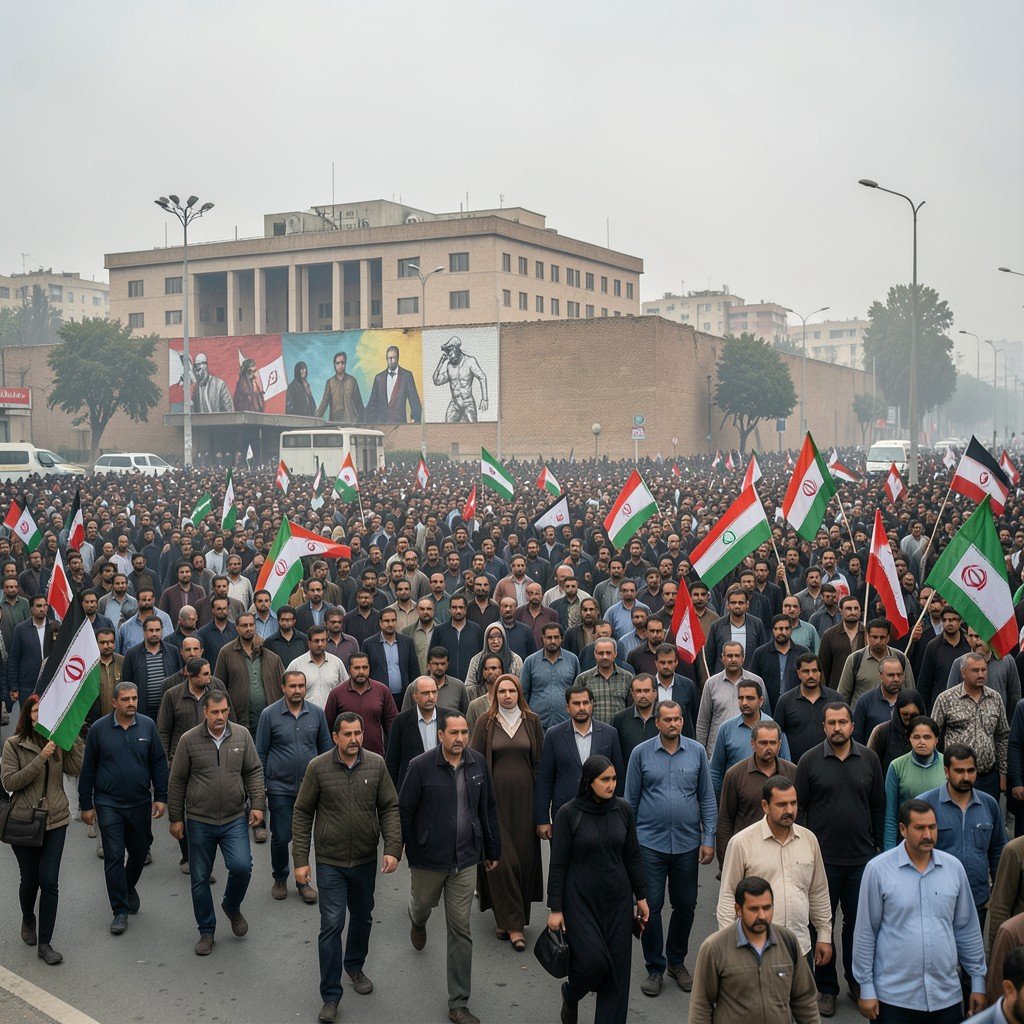
Vance had previously pursued diplomatic efforts to end the war and reportedly favored reaching an agreement with Tehran over continued military pressure. His criticism on Wednesday, in which he questioned whether the conflict had been worth its cost, marked a notable divergence from the administration's earlier stance.

Iran's Peace Proposal and Hormuz Claims

Iran has also asserted its authority over the strategic waterway. Iran's parliament speaker and chief negotiator, Mohammad Bagher Ghalibaf, told Al Jazeera on Wednesday that Tehran had reached an understanding with Oman on managing the strait as part of its seven-point peace proposal.

Ghalibaf insisted that Hormuz would "never return" to its pre-war status, when foreign vessels could transit without Iranian permission. Tehran is now seeking greater control over shipping through the vital oil trade route.

The Iranian official said Tehran had submitted its peace terms through Qatari mediators but had yet to receive a formal response from Washington. The proposal calls for lifting US sanctions and the naval blockade, releasing frozen Iranian assets and ending hostilities across the region.

What Lies Ahead

Ghalibaf stated that "the ball is now in the American court," indicating that Tehran is awaiting a formal response from Washington to its peace terms. No official reply from the US administration has been confirmed at this time.

MORE LIKE THIS

Comments (0)

Leave a comment

A verified Gmail account is required to post comments.

No comments yet. Be the first to share your thoughts!