Details and evidence
Strait of Hormuz: passage terms and disputes over fees
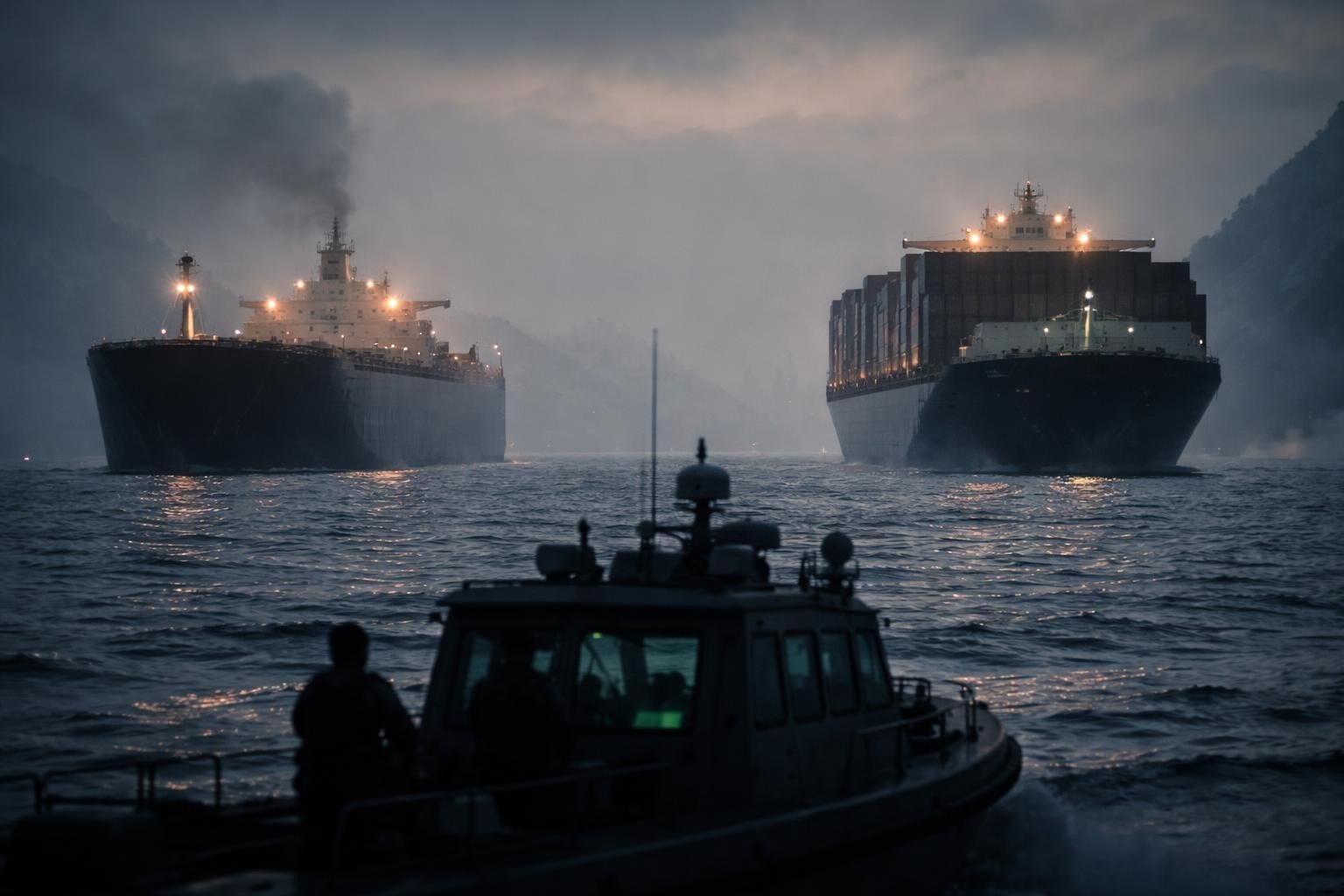
The MoU includes a 60-day provision that commercial vessels will be able to transit without charge between the Persian Gulf and the Sea of Oman. Iranian authorities have also said they plan to extract fees for insurance, environmental and other services, a position that has been rejected by Washington and others, while the MoU stipulates no tolls during the 60-day duration.
Frozen funds and licensing
Iran has sought access to funds frozen abroad for years under US sanctions. Trump and other US officials have said any access would come later and be tied to Iran’s performance in enforcing commitments.
Iranian officials have said they want to avoid arrangements in which money is nominally released but remains effectively inaccessible. President Masoud Pezeshkian said Iran expects at least $6bn held by Qatar to be released.
Under the MoU, Iran’s funds are to be “fully available for use” once the agreement is implemented, with release procedures to be mutually agreed in negotiations. The text also specifies that the funds must be usable whether they remain in the original account or are transferred, and must be payable to any ultimate beneficiary designated by Iran’s Central Bank, while the US is to issue necessary licences and authorisations.
Trump said Iran would use released funds to buy corn and other humanitarian goods such as food and medicine. Iran’s central bank chief Abdolnasser Hemmati said Iran may buy agricultural products from the US if the quality and price are agreeable, but said the MoU does not obligate Iran to do so.
Lebanon and the scope of the MoU
Iran has also identified broader goals for negotiations, including US recognition of Iranian sovereignty and non-interference, a US military pullback from Iran’s periphery, a halt to new sanctions or regional force build-up during the MoU period, a reconstruction or economic development package, and formal monitoring and dispute-resolution mechanisms.
Lebanon has remained a focus because the MoU’s first point called for an immediate and permanent halt of military operations on “all fronts”, including Lebanon, where Hezbollah has fought Israel for years. For more on the Lebanon track, see Israel-Hezbollah Ceasefire Agreement Takes Effect in Lebanon.
According to the source material, a US-brokered agreement with the Lebanese government signed on Friday does not require Israeli forces to leave southern Lebanon or halt all attacks. Hezbollah criticised the deal, while Lebanese government officials endorsed it, describing a path toward Hezbollah being disarmed and replaced in southern Lebanon by the Lebanese army.
Nuclear issues and internal pressure in Tehran
The source material said Iran’s missile programme will not be negotiated under the MoU. It also reported that some hardline voices in Tehran argue that Iran’s nuclear programme should no longer be discussed with foreign powers.
More than 60 members, described as nearly three-quarters, of Iran’s Assembly of Experts signed a statement saying negotiators must not cross Supreme Leader Mojtaba Khamenei’s perceived red lines, including demands for no talks on Iran’s nuclear rights, revenge for assassinated leaders, the closure of the Strait of Hormuz, war compensation and the removal of sanctions.
Iranian authorities have previously expressed willingness to make nuclear concessions, including diluting highly enriched uranium now buried under rubble at bombed facilities, but have said this would only happen under a clear step-by-step timetable guaranteeing Iran receives economic benefits from sanctions being lifted.