

Trump Iran Deal Highlights Pope Leo XIV Amid Backlash
news

Trump Iran Deal Highlights Pope Leo XIV Amid Backlash

By Editorial TeamJul 6, 2026 · 3:22 PM4 min read
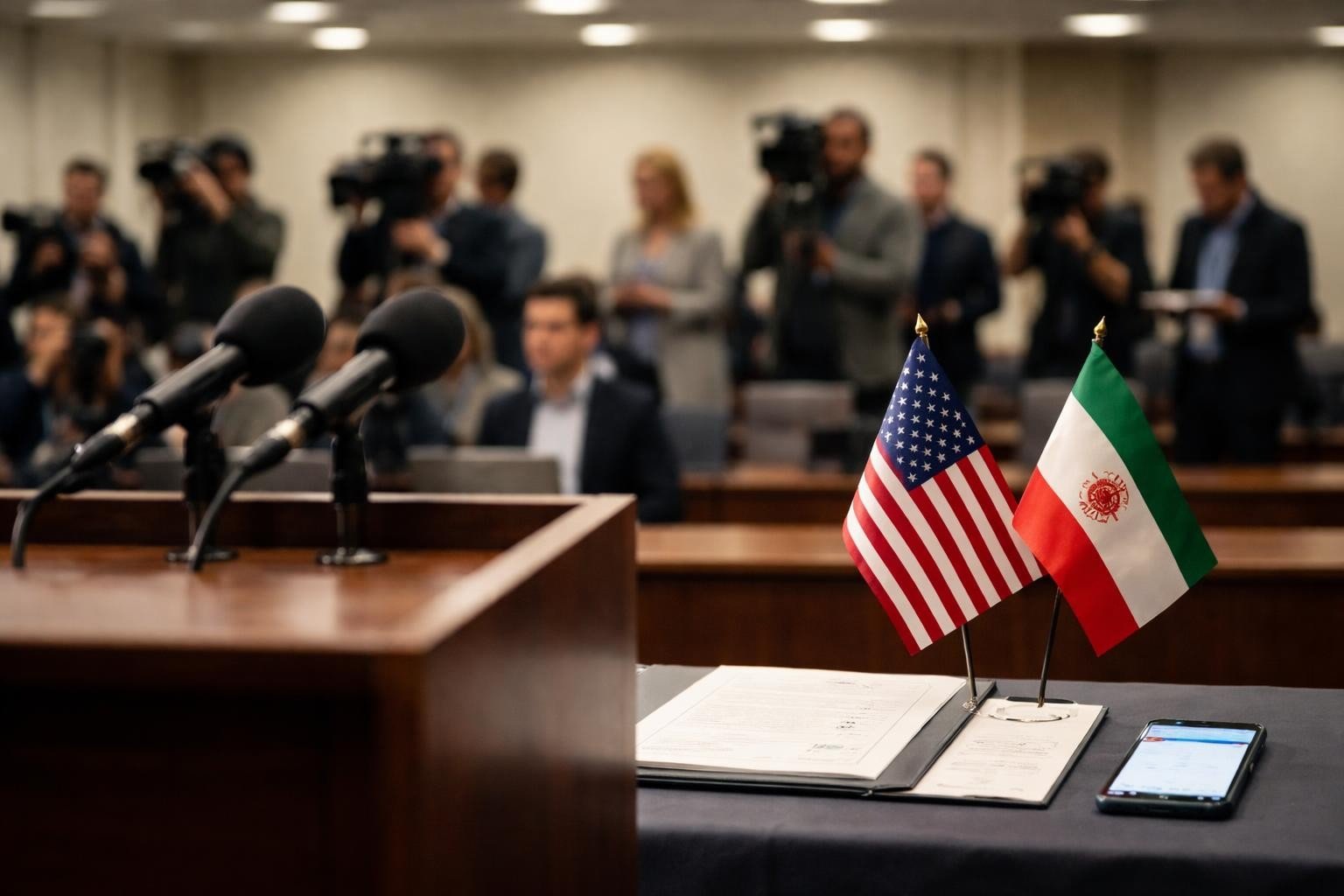
AI-generated representative image of a U.S.–Iran agreement context in a press briefing setting amid political reactions and public statements.
Editorial Team
Editorial Team

President Donald Trump on Thursday amplified Pope Leo XIV’s supportive remarks on a newly signed Trump Iran deal, even as Republicans escalated criticism of provisions such as sanctions relief and a $300 billion fund for Iran’s rebuilding.

The episode highlights the political pressure on the White House after the U.S.-Iran agreement was billed as a step toward ending the conflict and reopening the Strait of Hormuz. Critics, however, argue the framework leaves key security issues unresolved while delivering major economic benefits to Iran. Related coverage: Iran’s Plan to Strike Back Against the U.S.

Key developments

  • The United States and Iran signed a new agreement this week aimed at ending their ongoing conflict, reopening the Strait of Hormuz, and establishing a 60-day ceasefire to allow further negotiations.

  • Republicans voiced strong opposition to parts of the deal, including sanctions relief and a $300 billion fund for Iran to rebuild, with some calling it potentially the “worst foreign policy blunder in decades.”

  • According to a report cited in the source material, the framework would allow Iran to regain access to frozen assets and receive sanctions relief, while questions involving nuclear power, missiles, regional proxies, and long-term enforcement remain unresolved.

  • Pope Leo XIV posted on Monday welcoming the agreement as “an encouraging result of patient work in dialogue and negotiation,” saying he hoped it would strengthen “mutual trust, security, and stability in the Middle East.”

  • Trump circulated the Pope’s supportive words in a Truth Social post on Thursday, arguing the agreement would restore oil flows and prevent Iran from obtaining a nuclear weapon.
Context and background

The Pope’s comments drew attention because the Trump administration had previously clashed publicly with Pope Leo XIV, described in the source material as the first-ever American pontiff. The administration criticized him over statements urging dignified treatment of immigrants and condemning violence in the Iran war.

Against that backdrop, Trump’s decision to elevate the pontiff’s pro-dialogue message marked a notable shift in tone as the U.S.-Iran agreement faced resistance within Trump’s own party.

Details and evidence

In his Monday message, Pope Leo XIV said: “I welcome with satisfaction the reaching of an agreement between the Islamic Republic of Iran and the United States of America, which will be signed on Friday, as an encouraging result of patient work in dialogue and negotiation.” He added: “I hope that the agreement may help strengthen mutual trust, security, and stability in the Middle East, promoting paths of dialogue and cooperation among peoples.”

Trump’s Truth Social post argued the deal was already producing benefits. “Oil is flowing, Iran can never have a nuclear weapon (the world will be safe!), the stock markets are roaring, jobs are at records, and prices are dropping (affordability!),” he wrote, adding: “Our country is strong, safe, and respected like never before. ‘you’re welcome!’”

The source material also cited criticism from Michael McFaul, a former U.S. ambassador to Russia and now a senior fellow at the Hoover Institution. “This agreement is far worse than I expected,” McFaul said. “To reopen the Strait — a Strait that was open before the war — we and our partners are transferring billions to the autocrats. We get nothing else — no elimination of enriched uranium, missiles or terrorist support.”

Additional context on Iran-related tensions is available here: Iran Unveils New Nuclear Developments in Response to IAEA Criticism

Current status and next steps

As outlined in the source material, the U.S.-Iran agreement includes a 60-day ceasefire to facilitate further negotiations, while debate continues over the scale of economic concessions and the absence of publicly resolved terms on nuclear issues, missiles, regional proxies, and enforcement mechanisms.

Further details and outcomes of the negotiations during the ceasefire period have not been confirmed in the provided material.

MORE LIKE THIS

Comments (0)

Leave a comment

A verified Gmail account is required to post comments.

No comments yet. Be the first to share your thoughts!