


Nayara Energy Explained: India Refiner Linked to Russia
news

Nayara Energy Explained: India Refiner Linked to Russia

By Editorial TeamJul 4, 2026 · 2:20 PM3 min read
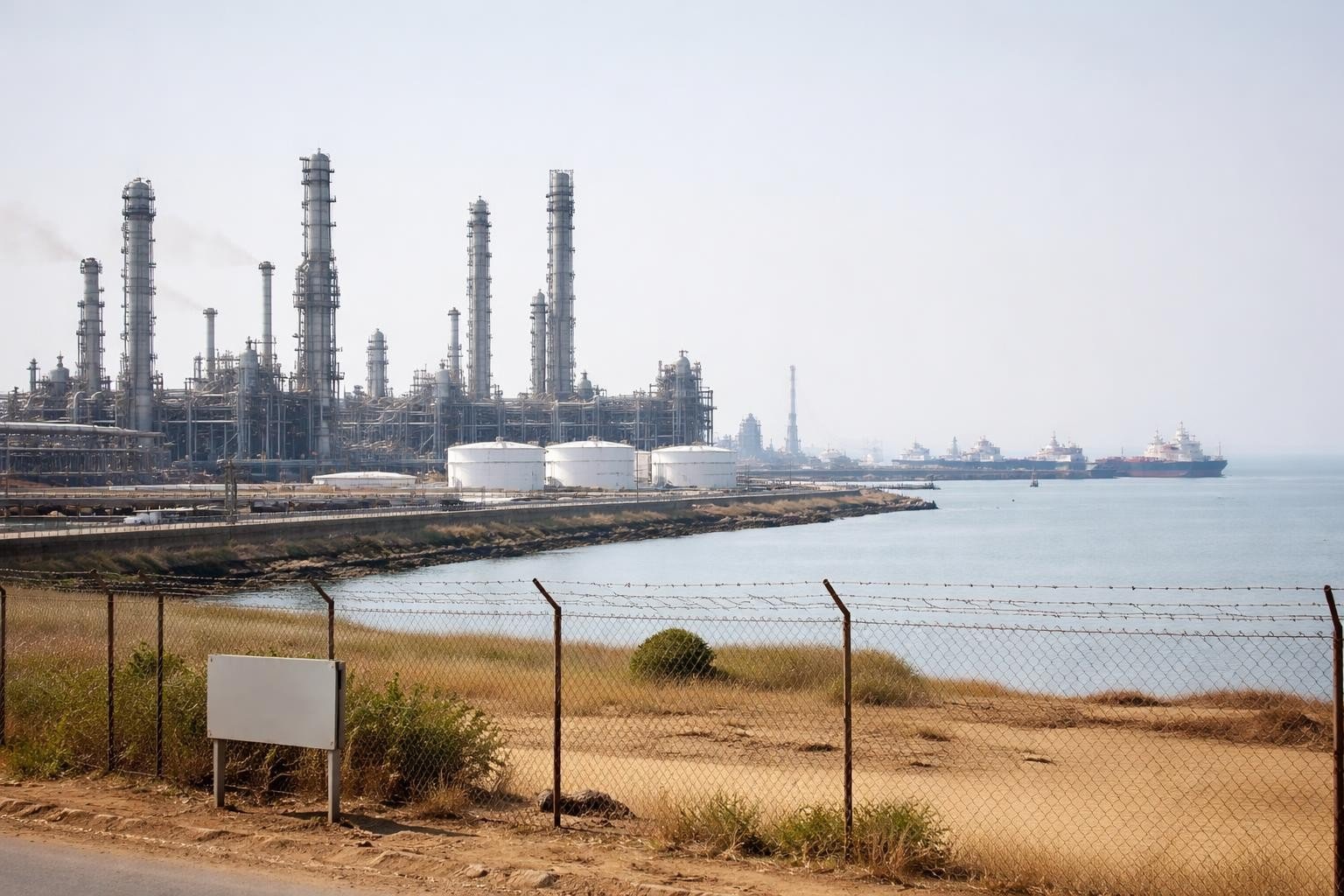
AI-generated representative image of an Indian coastal refinery and port infrastructure linked to coverage of Nayara Energy and Russian oil trade scrutiny.
Editorial Team
Editorial Team

Nayara Energy, an Indian oil refiner and fuel retailer partly owned by Russia’s state oil giant Rosneft, is drawing renewed attention after reports linked it to Russian crude and petroleum product flows amid sustained international scrutiny of Russia’s energy trade.

The focus on Nayara matters because India has become a major buyer of discounted Russian crude since the start of the Ukraine war, and fuels refined from that crude can enter global markets. That has raised questions among governments and analysts about how sanctions on Russia intersect with refined fuel trade and the ownership structures of energy companies operating outside Russia. For broader context on the import trend, see Behind India’s Surge in Russian Oil Imports: The Role of Ambani.

Key developments

  • Nayara Energy is an Indian downstream oil company with significant refining capacity and a large network of fuel retail outlets.

  • The company is partly owned by Rosneft, Russia’s state-controlled oil producer, linking Nayara to Russia through equity ownership even though it operates in India.

  • Nayara’s Vadinar refinery in Gujarat is among India’s largest and is a key site for processing crude into fuels such as diesel, petrol and jet fuel.

  • Reports tying Russian oil flows to Nayara have resurfaced as Russia continues redirecting energy exports after Western sanctions over the war in Ukraine.


Context and background

After Russia’s full-scale invasion of Ukraine in 2022, the United States, European Union and other partners imposed sanctions and restrictions aimed at limiting Russia’s revenue from oil and gas. Russia responded by shifting crude exports to alternative buyers, with India emerging as one of the largest destinations for Russian crude.

While many restrictions focus on Russian-origin crude and Russia-based entities, refined products made from imported crude can still be traded internationally depending on the applicable rules and the jurisdiction involved. That has made large refineries in key importing countries, including India, central to discussions about the global oil market and sanctions compliance. Related reporting on enforcement actions is available in US Sanctions Indian Companies for Supporting Russian Military Efforts.

Details and evidence

Nayara Energy operates across refining and marketing. Its core asset is the Vadinar refinery on India’s western coast, which has also been connected to port and storage infrastructure that supports crude intake and product exports.

Rosneft’s ownership stake is a central reason Nayara is frequently mentioned in reporting about Russia-linked oil trade. Ownership, however, is distinct from the origin of any particular cargo: crude supply decisions typically involve commercial contracts, price considerations and refinery requirements.

India has repeatedly said its purchases of oil are guided by national interest and market availability, while also maintaining that it complies with applicable international obligations. The extent to which specific shipments, contracts or end destinations are connected to particular companies is often difficult to verify publicly without official documentation.

Current status and next steps

As scrutiny continues over Russia’s energy revenues and the redirection of crude and fuel exports, companies with direct ownership links to Russian state firms are likely to remain in focus. Any further official action—such as new sanctions designations, tighter enforcement, or additional disclosure requirements—would determine whether and how Nayara’s operations or trading relationships are affected.

Additional details on the specific oil flows referenced in the reports, including cargo documentation and any responses from the companies or authorities involved, were not confirmed in the provided material and may emerge through further reporting or official statements.

MORE LIKE THIS

Comments (0)

Leave a comment

A verified Gmail account is required to post comments.

No comments yet. Be the first to share your thoughts!