

Religious Zionist Party Pushes Annexation Agenda in Knesset Election
news

Religious Zionist Party Pushes Annexation Agenda in Knesset Election

By Editorial Team•Oct 22, 2026 · 7:19 PM•3 min read
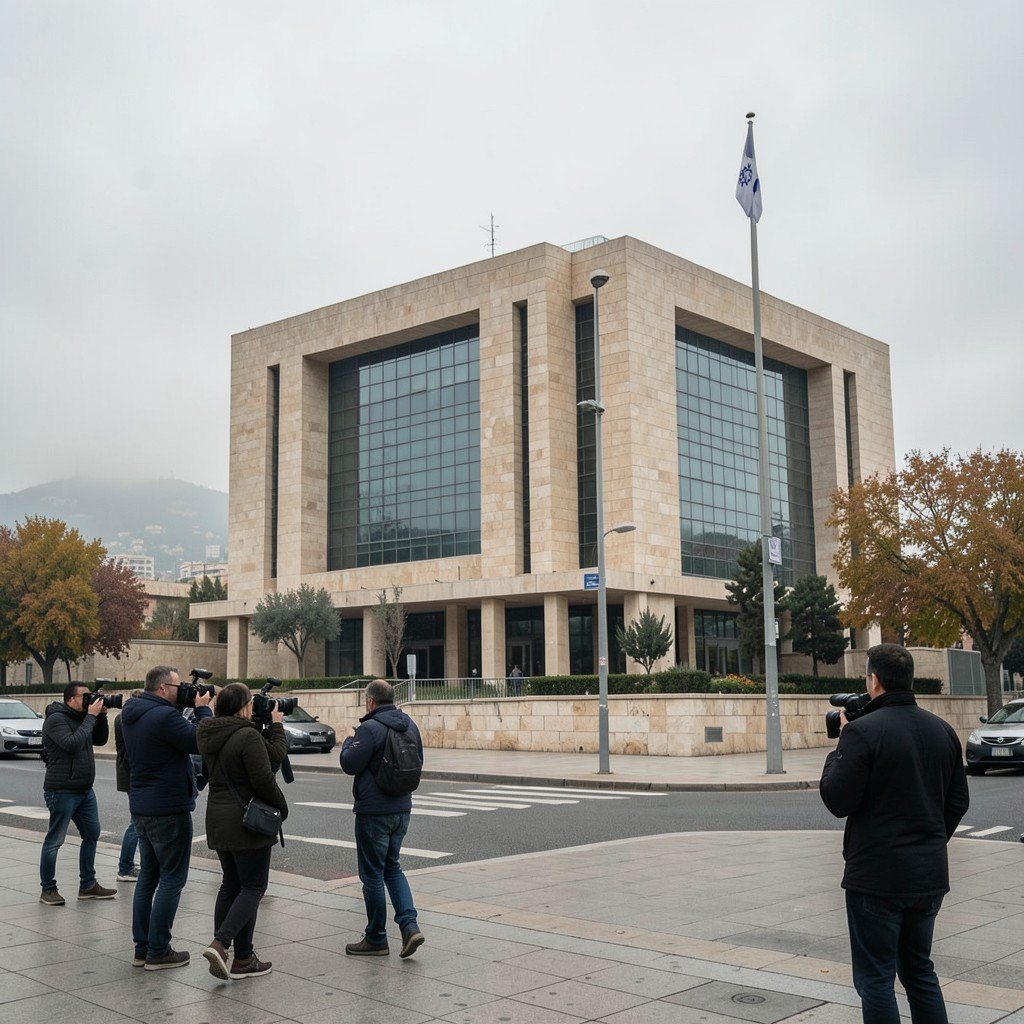
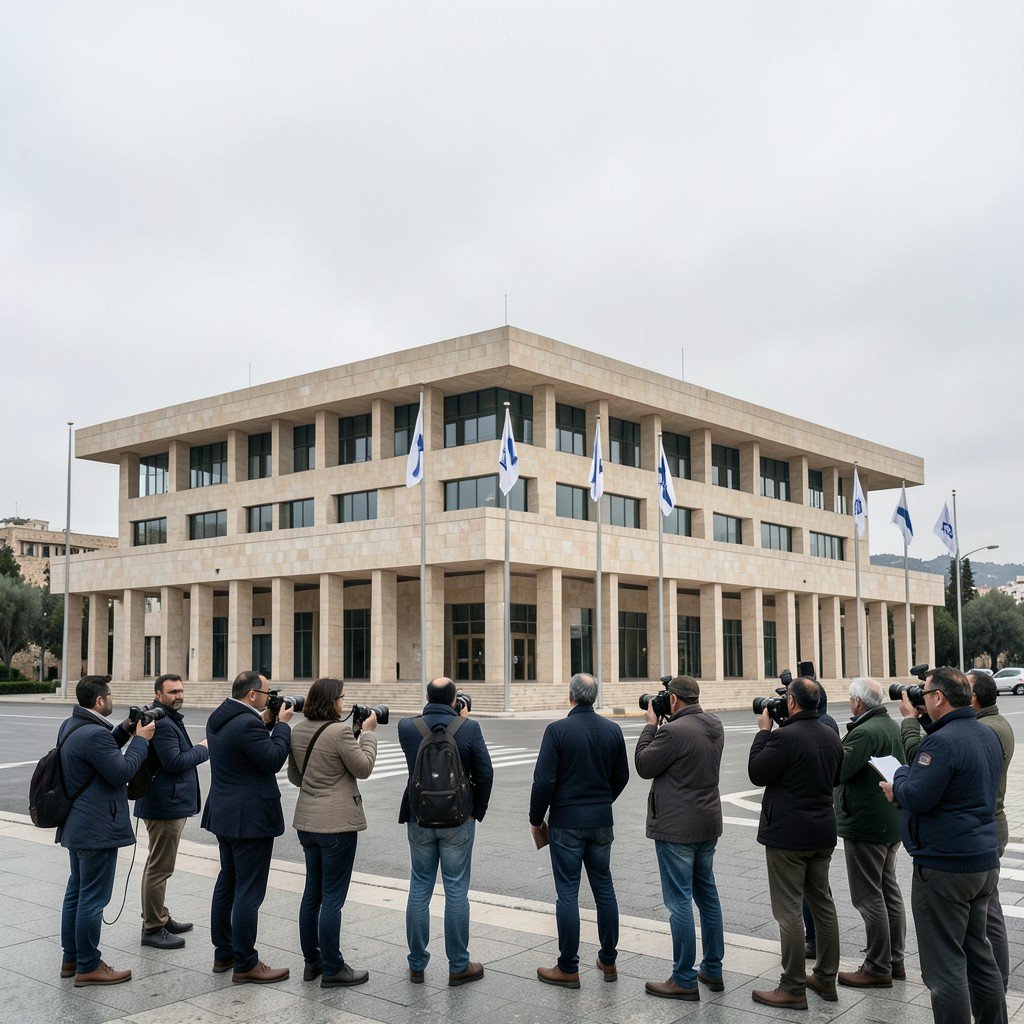
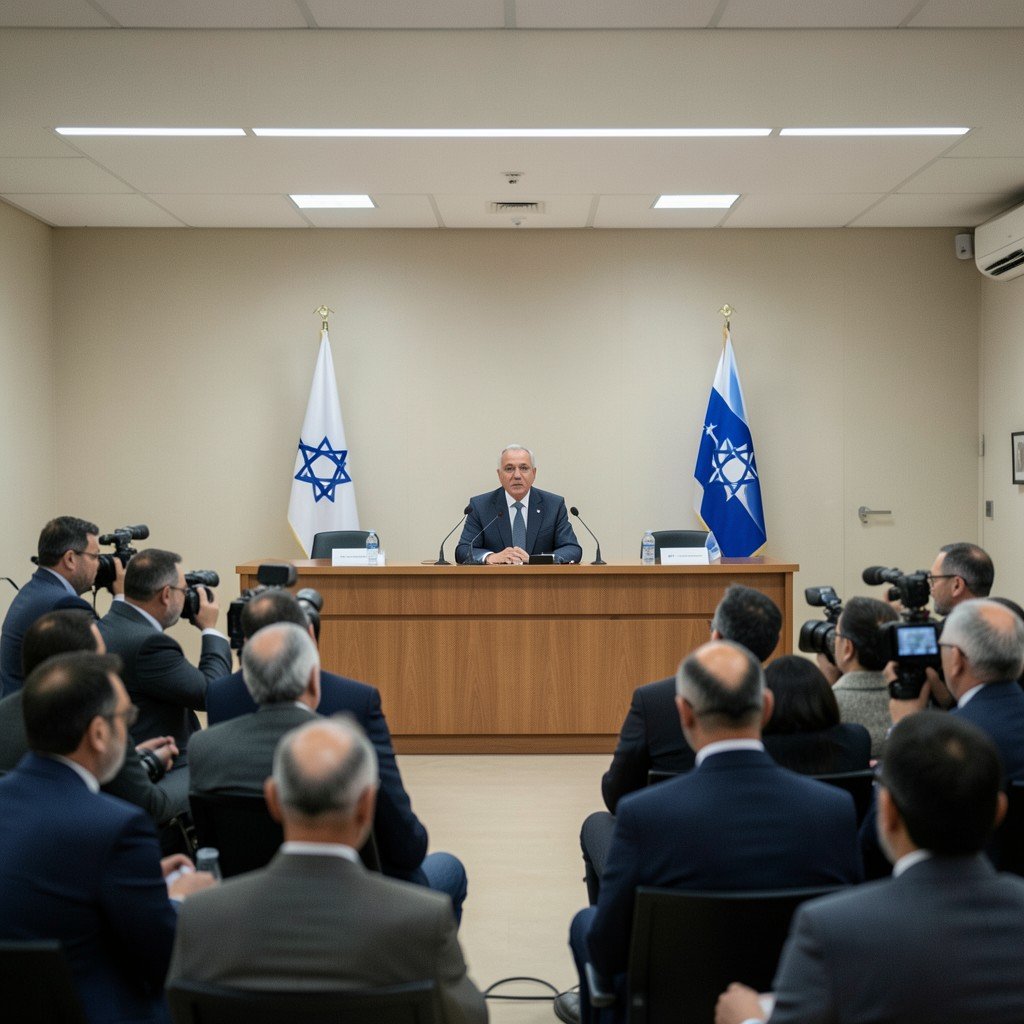
AI-generated representative image: The Knesset building in Jerusalem, as Israeli parties including the Religious Zionist Party campaign ahead of the October 27
Editorial Team
Editorial Team
Smotrich's seven-seat faction could wield outsized coalition influence as 37 parties contest 120 seats on October 27

The Religious Zionist Party (RZP), a seven-seat faction led by Israeli Finance Minister Bezalel Smotrich, is campaigning on a platform of territorial annexation and expanded military operations that could shape Israel's next government following the October 27 Knesset election.

With 37 parties competing for the Knesset's 120 seats, Israel's proportional representation system gives smaller factions significant leverage in coalition negotiations, potentially positioning the RZP as a decisive partner despite its modest parliamentary presence.

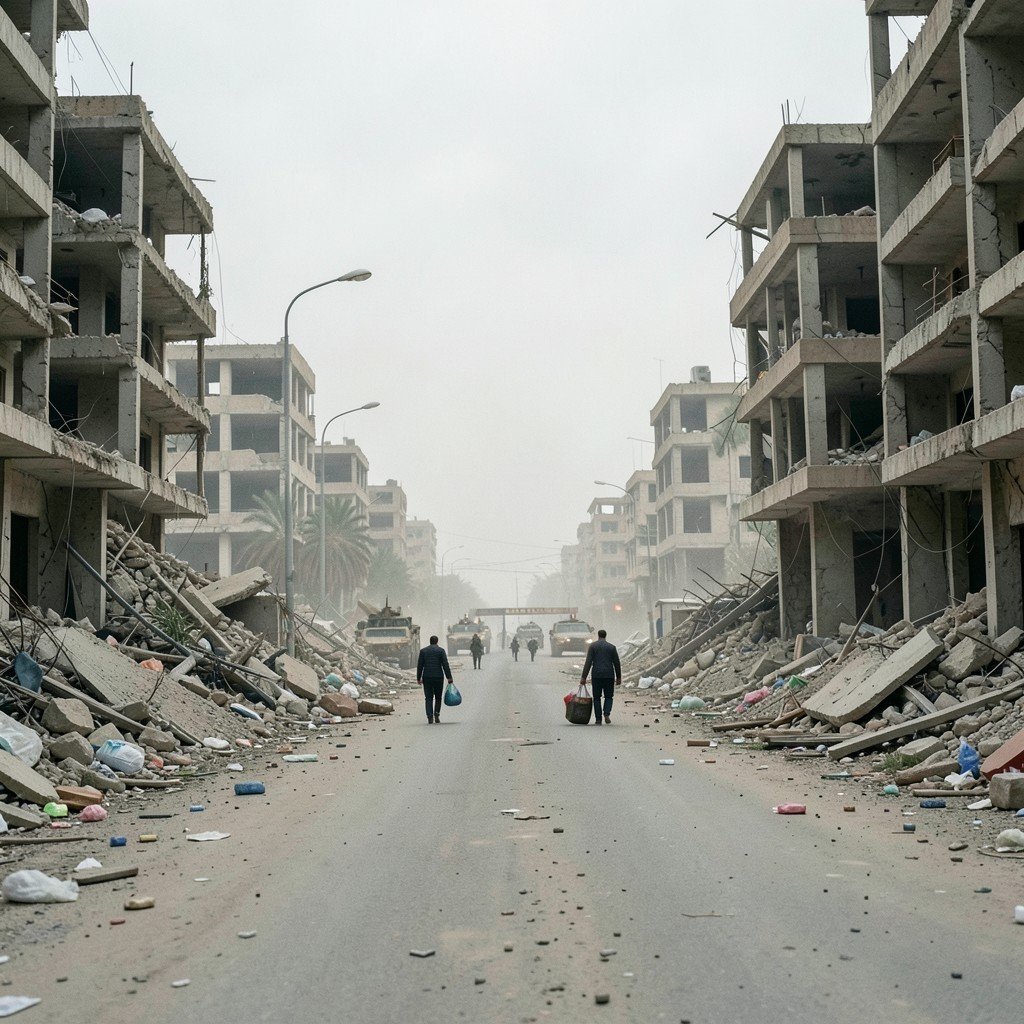
The election unfolds against a backdrop of continuing Israeli military operations in Gaza and southern Lebanon, along with escalating settler violence in the West Bank. The RZP's agenda carries direct implications for Palestinians, regional stability, and the future of occupied territories.

Because coalition formation often depends on securing support from smaller parties, the RZP's hardline positions could influence government policy far beyond what its seat count alone would suggest.

Key Campaign Positions

Smotrich has called for annexing territory as far as the Yellow Line in Gaza and the Litani River in Lebanon. His stated ambitions also extend to the occupied West Bank, which he refers to as Judea and Samaria.

Prime Minister Benjamin Netanyahu's Likud party faces rivals including Avigdor Lieberman's Yisrael Beiteinu, Gadi Eisenkot's centrist Yashar, and Yair Golan's left-leaning Democrats. The RZP currently holds seven seats in the outgoing Knesset.

Fellow RZP candidates Zvi Sukkot and Orit Strook have adopted similar positions, advocating for increased hostility, expanded Israeli settlements, and the takeover of territories controlled by the Palestinian Authority.
Background and Ongoing Conflict

The election campaign is taking place amid continuing Israeli attacks in Gaza and southern Lebanon. In the West Bank, settler violence has escalated, with recent olive-harvest attacks targeting Palestinian farmers, European diplomats, and American photojournalist Heidi Levine.

Smotrich's positions reflect a broader ideological current within Israel's religious nationalist movement, which views the West Bank as integral Israeli territory and opposes the existence of the Palestinian Authority. His September podcast remarks calling for war in the West Bank and the dismantling of the Palestinian Authority, which he described as a "terrorist authority," signal a significant escalation in rhetoric compared with previous campaigns.

Official Statements and Policy Proposals

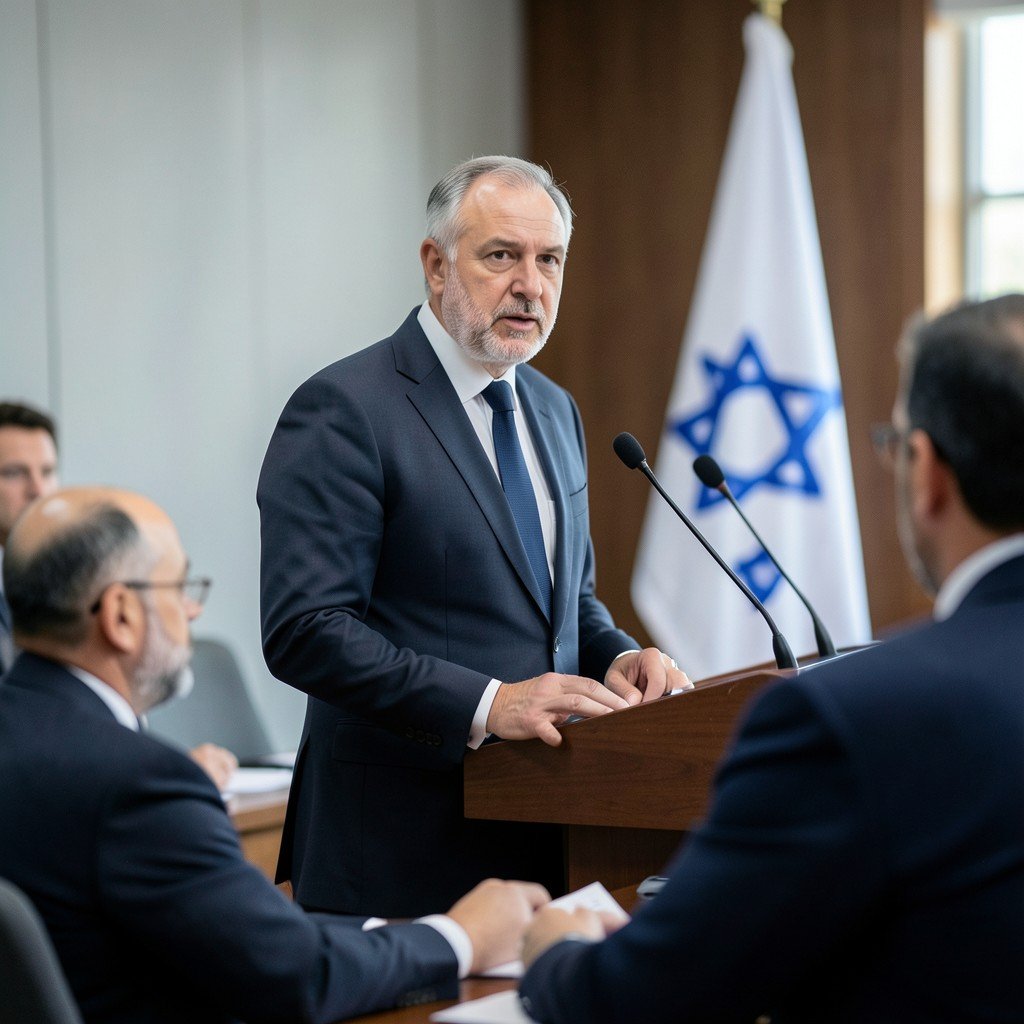
"I think we need to go to war in Judea and Samaria, do there what we did in Gaza, dismantle the Palestinian Authority, which is a terrorist authority," Smotrich said on a podcast in September.

The finance minister has also advocated for taking all of Gaza for what he described as "Zionist and security reasons." He further suggested that withholding food and water from Gaza's population until hostages were returned could be considered "just and moral."

What Lies Ahead

The Knesset election is scheduled for October 27, after which coalition negotiations will determine whether the Religious Zionist Party secures a place in the next government and how much influence its annexation and military agenda ultimately carries. Additional reporting and official confirmation of campaign developments are expected as voting approaches.

MORE LIKE THIS

Comments (0)

Leave a comment

A verified Gmail account is required to post comments.

No comments yet. Be the first to share your thoughts!