

Netanyahu's Israel War Expands But Political Endgame Remains Elusive
news

Netanyahu's Israel War Expands But Political Endgame Remains Elusive

By Editorial Team•Oct 7, 2026 · 6:46 PM•4 min read
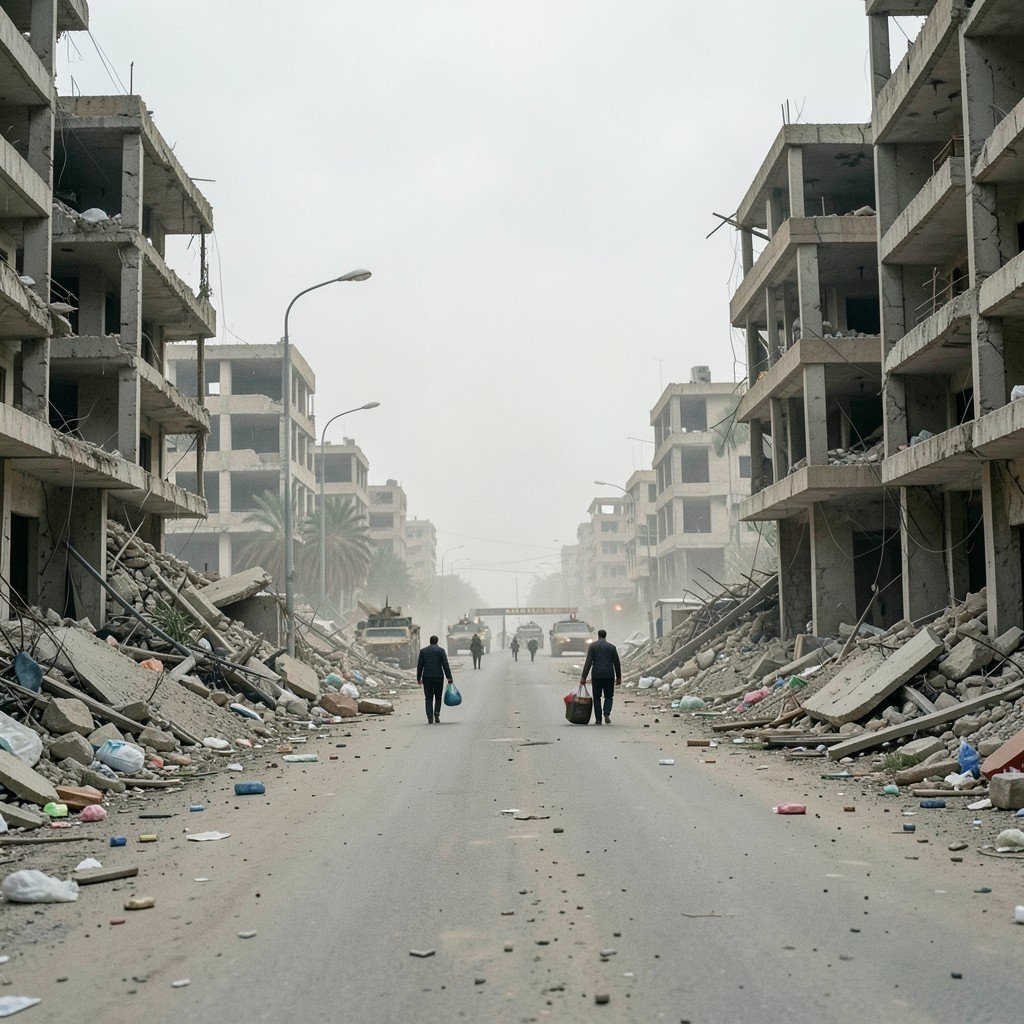
AI-generated representative image: A war-damaged street in Gaza amid the ongoing conflict and unresolved political future.
Editorial Team
Editorial Team
Three years after the October 7 Hamas attack, Israel's military gains in Gaza, Lebanon and Iran have yet to produce a credible long-term security plan.

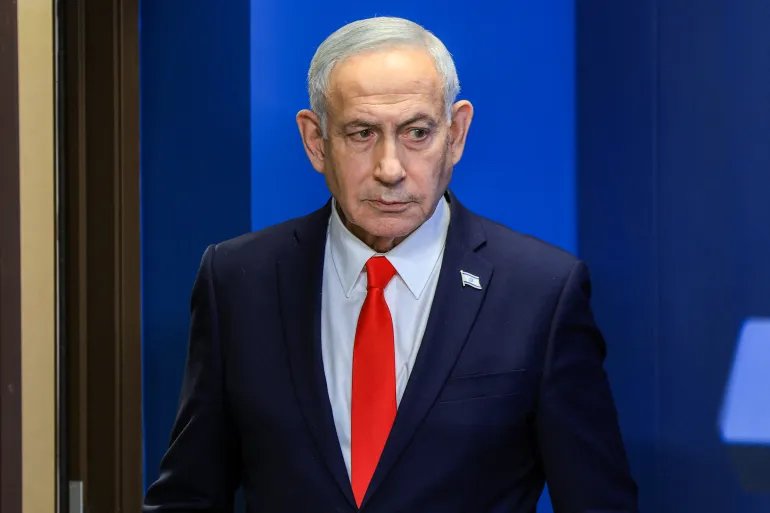
Three years after Hamas killed more than a thousand Israelis and took hundreds of hostages on October 7, 2023, Prime Minister Benjamin Netanyahu's government still has no convincing answer to how the ensuing war can secure a safer future for the country. The conflict has expanded from Gaza into Lebanon and escalated into direct confrontation with Iran, yet Israel's stated objective of long-term security remains unmet.

The widening war has reshaped the entire Middle East, destabilizing regional order and drawing in outside powers, including Russia. As Israel's tactical military victories accumulate, the absence of any political settlement means the consequences of the conflict are now being felt far beyond Israel's borders.

Escalation and Leadership Losses Across the Region

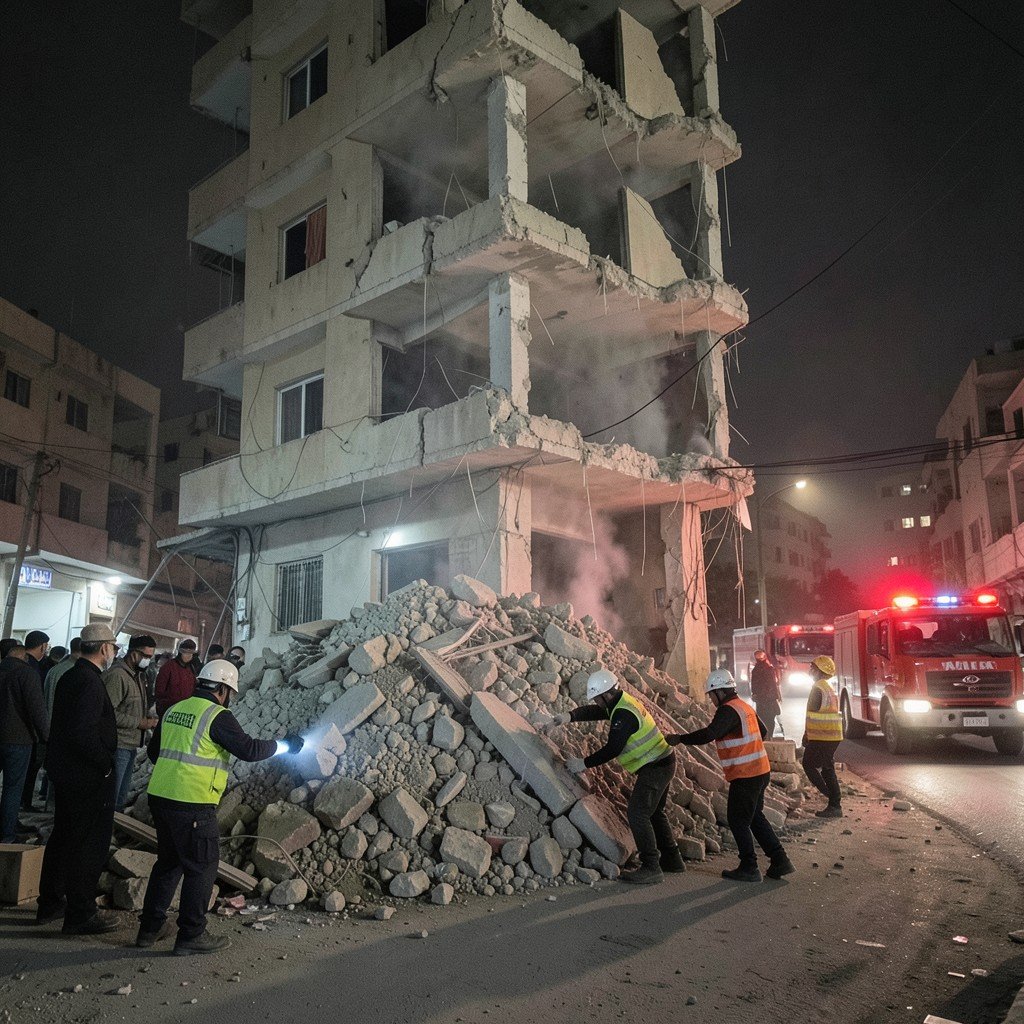
Israel's response to October 7 shifted from deterrence to destruction and elimination, first targeting adversaries' military capabilities and then their leaders. The war spread beyond Gaza, engulfed Lebanon, and eventually led to direct confrontation with Iran.

Several senior figures have been killed during this period, including Hamas leaders Ismail Haniyeh and Yahya Sinwar and Hezbollah leader Hassan Nasrallah. In February 2026, Iran's Supreme Leader Ali Khamenei was killed in US-Israeli strikes tied to the broader confrontation over Iran's nuclear program. On March 8, 2026, barely a week later, his son Mojtaba Khamenei was elected as the new Supreme Leader, and Iran retained its operational capacity.
Historical Precedent and the Limits of Leadership Strikes

History suggests the removal of individual leaders has rarely dismantled these movements. Hezbollah emerged in response to the 1982 Israeli invasion of Lebanon, and after the 1992 death of its leader Abbas al-Musawi, Hassan Nasrallah took command and strengthened the group. Hamas lost its founder Ahmed Yassin in 2004 yet won parliamentary elections in Gaza only two years later.

Hamas and Hezbollah are structured not as armies with a vertical chain of command but as networks combining a military wing with social services, schools, charitable activities, and community ties. A slain commander can be replaced, but such an environment cannot be easily destroyed by bombs. The organizations have suffered heavy losses and crippled supply chains, yet their influence persists among those who remain in the ruins.

Gaza's Unresolved Status and Shifting Global Opinion

On the third anniversary, Gaza reflects a persistent disconnect between military pressure and political outcomes. An October 2025 agreement secured the return of surviving hostages, and by January 2026 the bodies of the deceased had also been brought back. However, Hamas has not been disarmed, and the transition to a new governance structure has yet to begin. Israeli strikes continue, and the army reportedly controls about two-thirds of the territory.

International sentiment has shifted sharply. In spring 2026, a Pew Research Center survey of residents in 36 countries found that on average 67% held a very negative view of Israel, while only 25% viewed it favorably. Attitudes deteriorated even in countries that had sympathized most strongly, including the UK, Italy, Poland, and Australia. Saudi Arabia continues to demand irreversible progress toward Palestinian statehood as a condition for normalizing relations with Israel.

Russia's Growing Stake and the Road Ahead

Russia's interests are increasingly tied to the conflict's trajectory. Moscow is primarily concerned with Iran's stability, given Tehran's role in Eurasian transport, trade, and energy networks such as the North-South Corridor. The fall of Bashar al-Assad's government in late 2024 expanded Israel's freedom of action in Syria, and Russia now negotiates the terms of its military presence with new authorities, including agreements reached in August 2026 regarding Russian facilities.

Netanyahu's policy has failed to deliver long-term security, and the costs continue to rise. Israel is more capable of delivering strikes but less able to convince its neighbors and allies that its policies lead to an acceptable future. As long as Israel relies on continued coercion rather than defined political outcomes, the consequences of the war will continue to be felt far beyond its borders.

MORE LIKE THIS

Comments (0)

Leave a comment

A verified Gmail account is required to post comments.

No comments yet. Be the first to share your thoughts!