

Palestinian Israeli Politician Withdraws From Israel Election
news

Palestinian Israeli Politician Withdraws From Israel Election

By Editorial Team•Oct 3, 2026 · 3:16 PM•3 min read
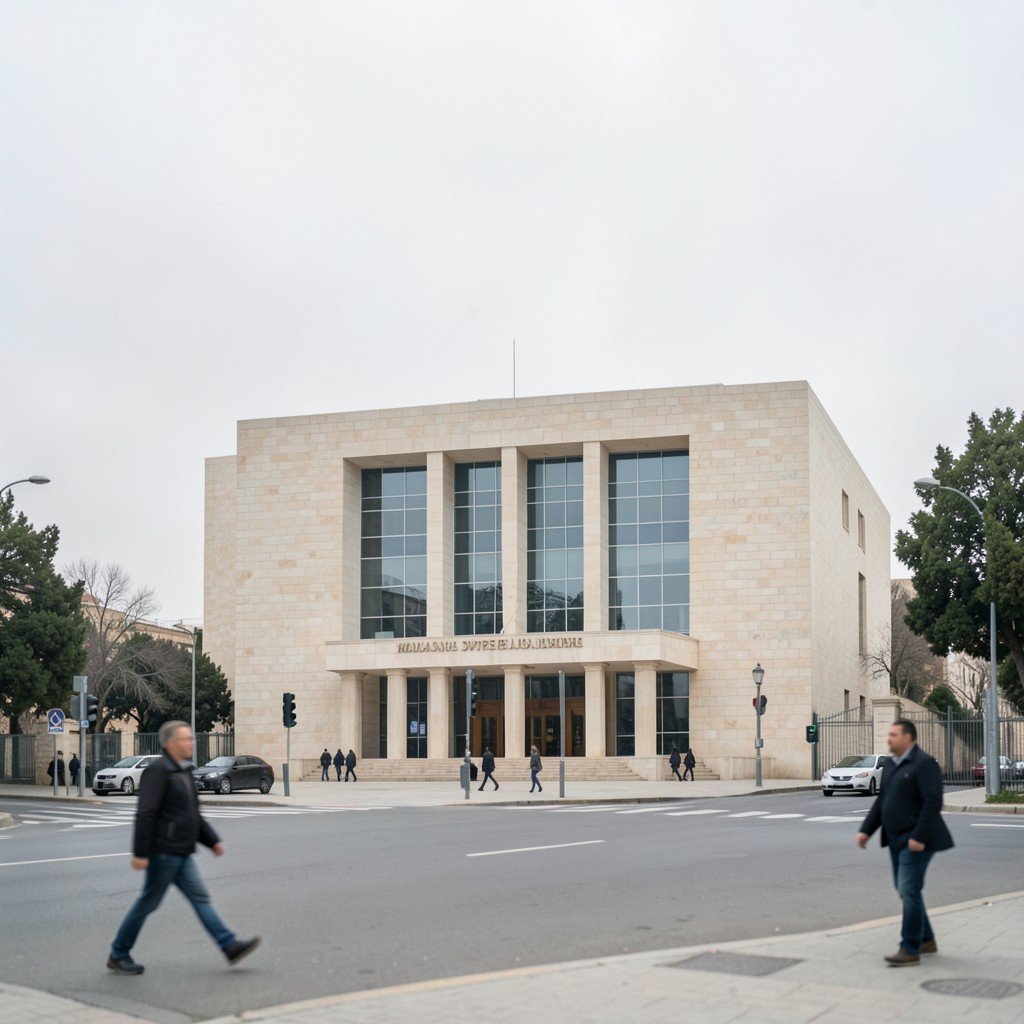
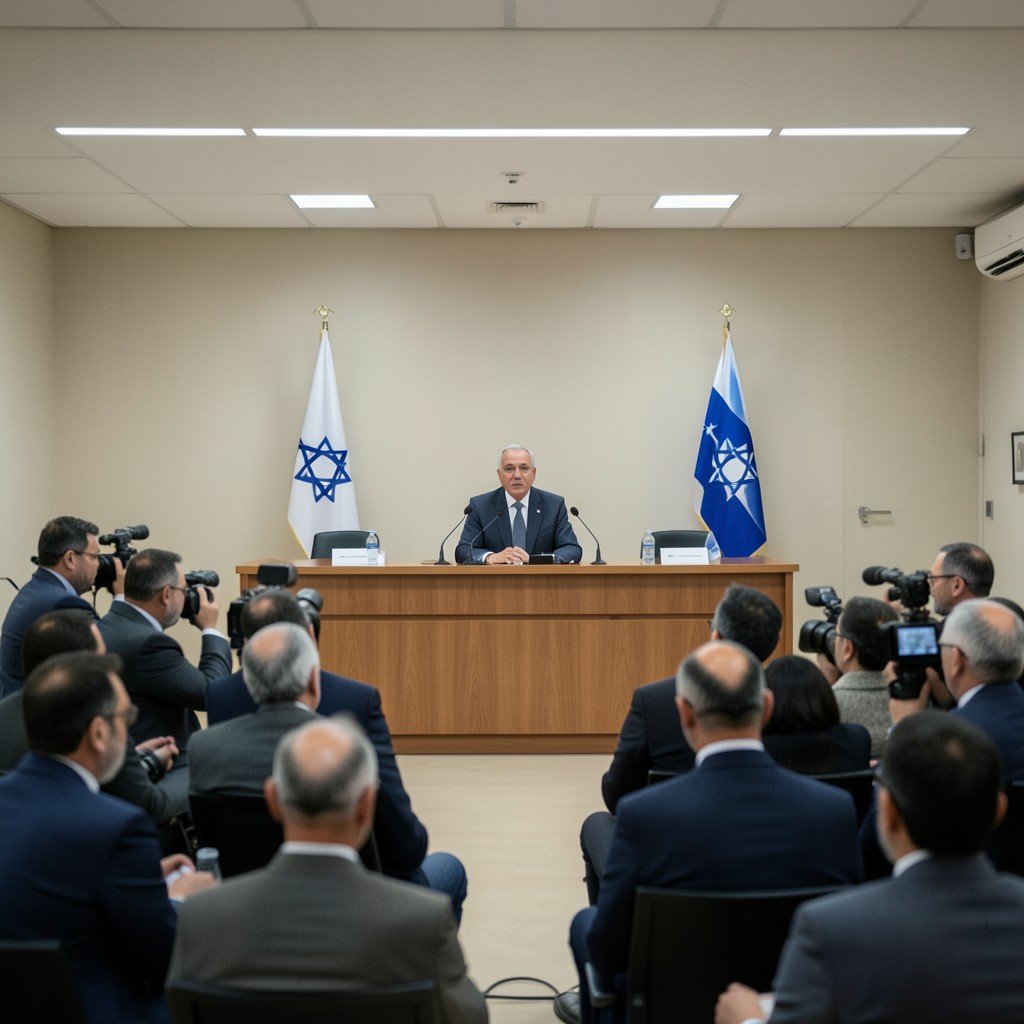
AI-generated representative image. The Israeli Supreme Court in Jerusalem, where rulings on candidate eligibility shaped the run-up to the election.
Editorial Team
Editorial Team
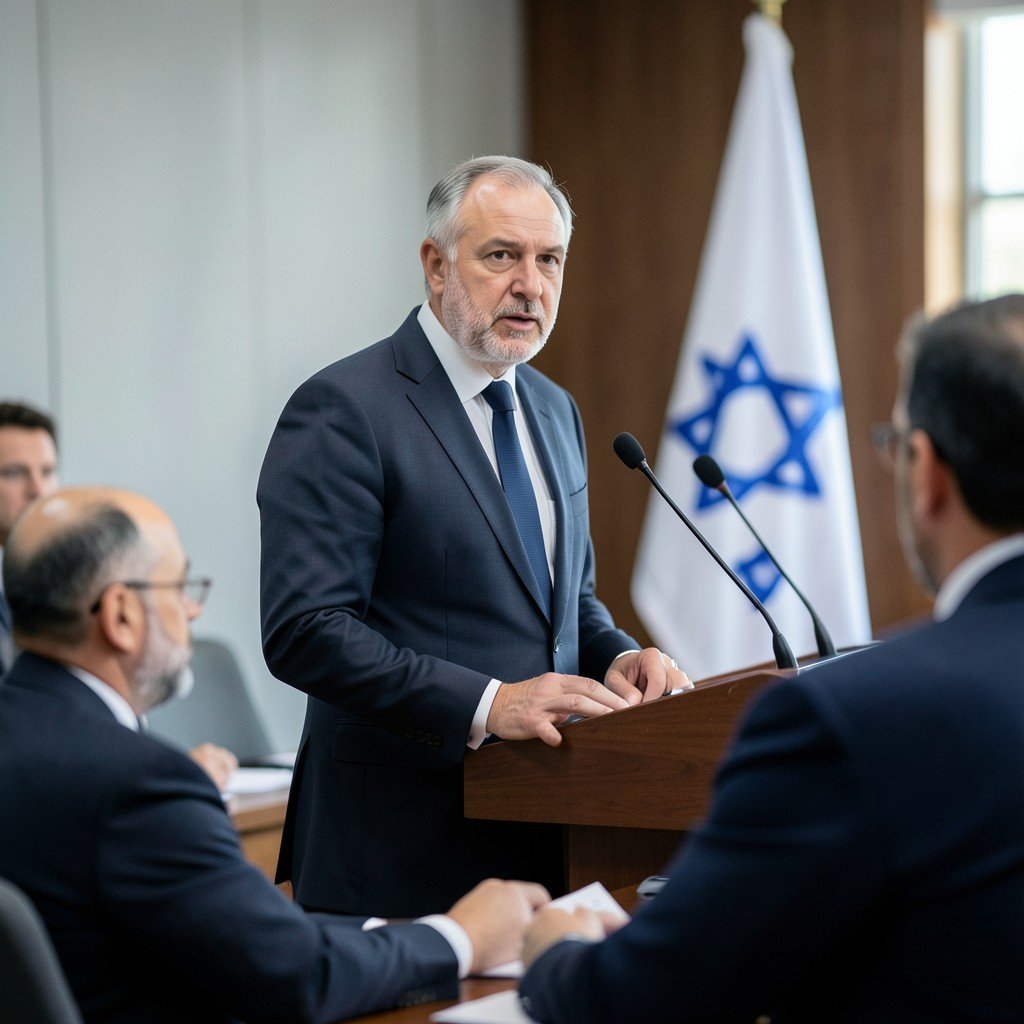
Sami Abu Shehadeh exits the Knesset race after a Supreme Court warning, fueling double standard claims against far-right rivals

Sami Abu Shehadeh, leader of the Balad party, has withdrawn his candidacy from Israel's October 27 election after the Supreme Court warned he could be disqualified over comments he made about the war on Gaza. His exit has drawn accusations of a double standard, as far-right Israeli politicians facing similar scrutiny over inflammatory statements against Palestinians have been allowed to remain on the ballot.

The controversy has renewed attention on the obstacles facing Palestinian citizens of Israel, who make up roughly 20 percent of the population, in securing political representation. Experts and rights groups argue the case exposes a two-tier electoral system in which Arab candidates face removal while far-right figures accused of inciting violence continue to run.

Election Rulings and Withdrawal

Last month, the Central Elections Committee voted to bar Abu Shehadeh, Hadash politician Ofer Cassif, and the two main Arab-majority electoral lists: the Joint List, which includes Balad, Hadash and Ta'al, and Ra'am, the United Arab List. The Supreme Court later overturned the bans on both lists and on Cassif, but upheld the pressure on Abu Shehadeh, who then withdrew.

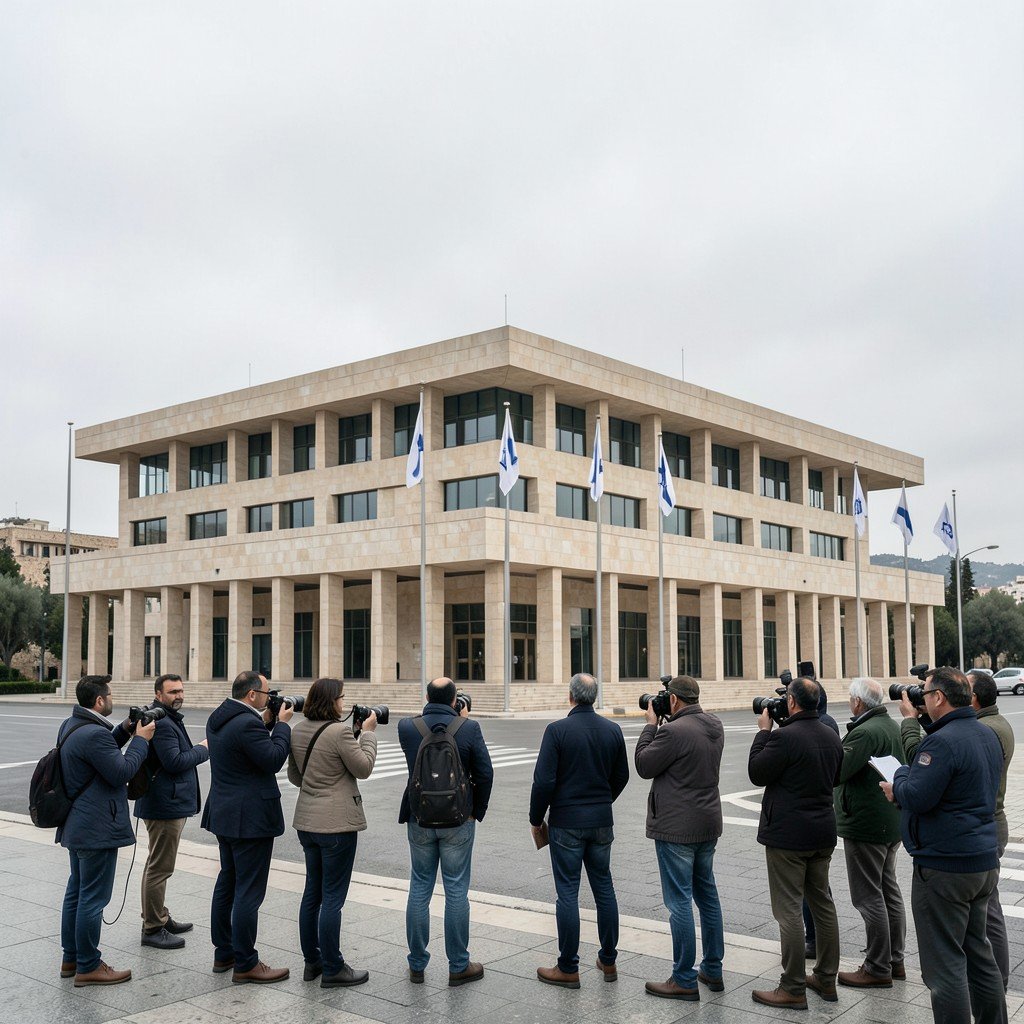
Before the court hearings, petitions had also sought to disqualify the parties of far-right National Security Minister Itamar Ben-Gvir and Finance Minister Bezalel Smotrich. The Central Elections Committee rejected those petitions, leaving both parties on the ballot. Attorney General Gali Baharav-Miara found that the attempts to exclude the far-right parties lacked sufficient legal basis.
Background of the Candidate and the Challenge

Abu Shehadeh is a historian from Jaffa who served in the Knesset from 2019 until 2022. His candidacy was challenged by Ben-Gvir over an article published on October 8, 2023, the day after the Hamas-led attacks on Israel, which Abu Shehadeh described as "an important historical event". The attorney general backed his disqualification, arguing the wording could amount to support for armed struggle.

Speaking at the Supreme Court on Thursday, Abu Shehadeh said he did not support armed struggle but acknowledged that a paragraph in the article had been incorrectly worded. He said his intention had been to urge moving the conflict towards a political process. He described the decision as "a historical catastrophe for democracy".

Incendiary Rhetoric and Legal Standards

Section 7A of Israel's Basic Law on the Knesset provides grounds for barring candidates or lists, including rejecting Israel's character as a "Jewish and democratic state", promoting racism, or backing an armed campaign against Israel. Critics note that Ben-Gvir and Smotrich have repeatedly faced international backlash over their rhetoric. In 2025, the United Kingdom, Canada, Australia, New Zealand and Norway imposed sanctions on both ministers, accusing them of inciting violence against Palestinians in the occupied West Bank.

Ben-Gvir has proposed a seven-year plan for Palestinians to leave Gaza through what he called "voluntary emigration", while Smotrich has advocated displacement from Gaza and annexation of the occupied West Bank. Adalah, the legal rights group representing Abu Shehadeh, called his withdrawal "a severe blow" to Palestinian citizens' right to political representation.

What Comes Next

With Abu Shehadeh out of the race, the two Arab-majority lists remain on the ballot after the Supreme Court overturned their bans. Palestinian citizens of Israel historically face lower turnout than Jewish Israelis, and parties must secure at least 3.25 percent of the national vote to enter parliament. Analysts say the controversy reflects a wider pattern of pressure on Palestinian political participation that has intensified since October 7, 2023.

MORE LIKE THIS

Comments (0)

Leave a comment

A verified Gmail account is required to post comments.

No comments yet. Be the first to share your thoughts!