


Saudi Arabia Shuts East-West Oil Pipeline After Iraq Drone Attack
news

Saudi Arabia Shuts East-West Oil Pipeline After Iraq Drone Attack

By Editorial TeamSep 12, 2026 · 8:14 AM4 min read
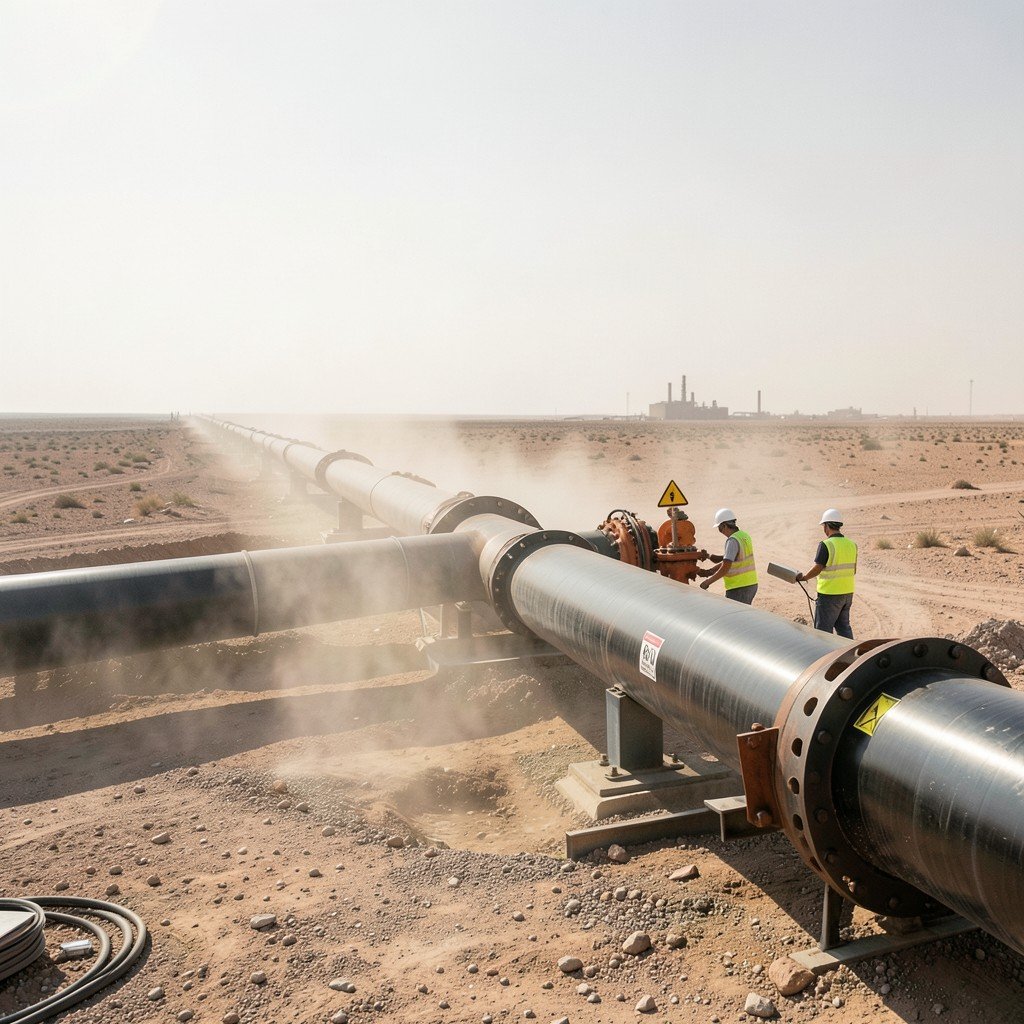
AI-generated representative image. A desert oil pipeline in Saudi Arabia, illustrating energy infrastructure targeted in a reported cross-border drone attack.
Editorial Team
Editorial Team
Riyadh holds off retaliation as Iraq investigates the Maysan launch site and dismisses a military commander.

Saudi Arabia has temporarily shut down its East-West oil pipeline after it was struck by drones launched from Iraq, resulting in injuries and material damage. The Ministry of Foreign Affairs said in a statement on Friday that the pipeline was targeted in the Riyadh and Medina areas by "several drones originating from Iraq."

Riyadh expressed its "strongest condemnation" but said it would not retaliate for now, following a request from Baghdad to allow the Iraqi government time to prevent further attacks launched from its territory.

The attack marks a significant escalation in a region already strained by the closure of the Strait of Hormuz, which has pushed Saudi Arabia to rely more heavily on the East-West pipeline to move oil to its Red Sea coast. The incident also tests relations between Riyadh and Baghdad, as Iraq works to prove it can stop its territory from being used as a launchpad for cross-border strikes.

The outcome could shape regional security dynamics, with the Gulf Cooperation Council describing the attack as a dangerous threat to Saudi stability and a violation of international law.

Key Developments

An official from Saudi Arabia's Ministry of Energy told the state news agency SPA that the pipeline had been stopped as a precaution and that the attacks resulted in some injuries. The Kingdom said it reserves the right to take all necessary measures to protect its sovereignty, security and critical facilities.

  • Iraq welcomed Saudi Arabia's decision to hold off on retaliation and said it appreciates Riyadh's response to its containment efforts.
  • Iraq condemned the attack and affirmed its rejection of any aggression threatening the Kingdom's security and stability.
  • The Iraqi Prime Minister's Office announced that a military commander overseeing operations in Maysan province was dismissed after investigations confirmed the drones were launched from within the southern province.
  • Prime Minister Ali al-Zaidi ordered the formation of an investigative council to probe the Maysan Operations Command.

Background and Strategic Significance

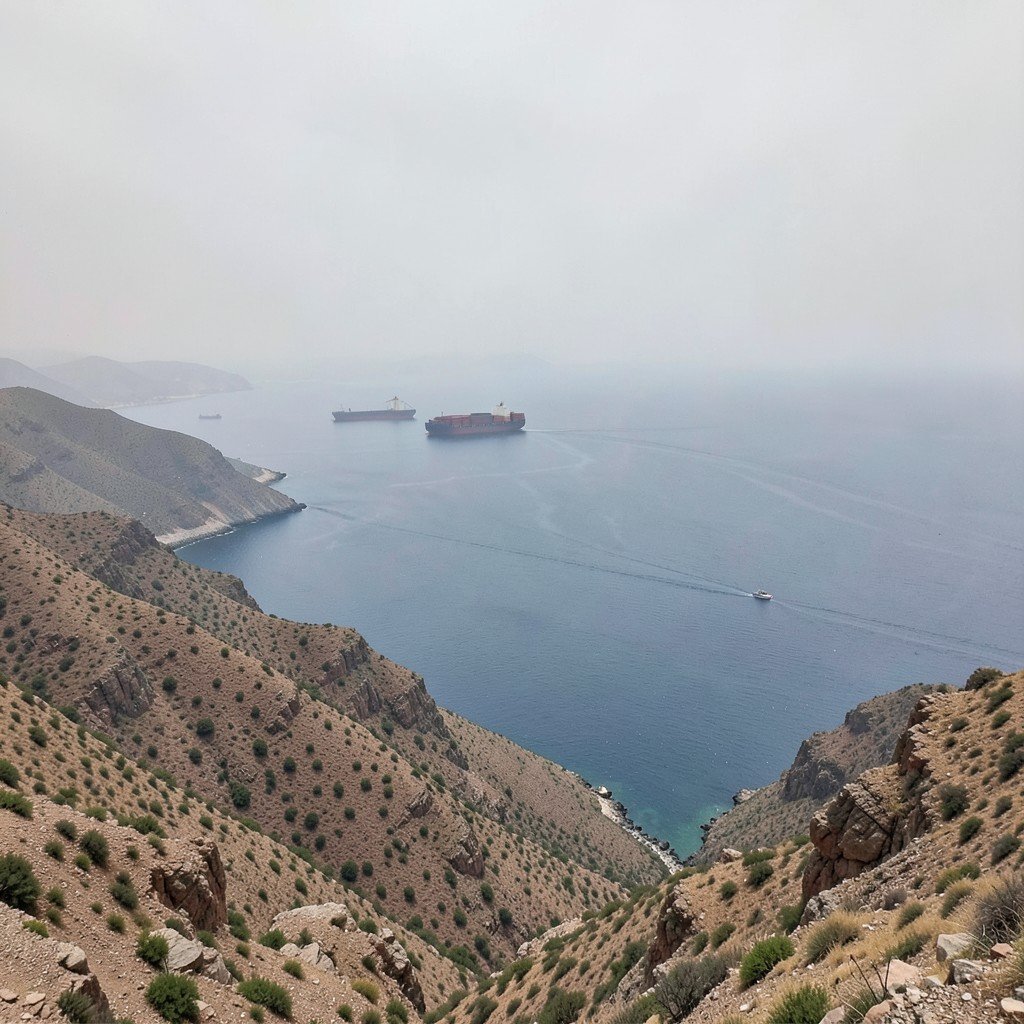
The East-West pipeline carries Saudi oil from eastern production areas to the Red Sea coast, providing a critical export route. Saudi Arabia has increasingly relied on this corridor to bypass the Strait of Hormuz amid Iran's ongoing closure of the strategic waterway, which has disrupted traditional shipping lanes in the Gulf.

The attack follows a period of heightened regional tension involving drone and missile activity in the Gulf. The incident in the Riyadh and Medina areas underscores the vulnerability of energy infrastructure to cross-border strikes and the diplomatic challenge of preventing such attacks without triggering wider escalation.

Official Statements and Evidence

Gulf Cooperation Council Secretary-General Jasem Mohamed Albudaiwi called the attack "a dangerous escalation and an unacceptable threat to the security of the Kingdom of Saudi Arabia, its territorial integrity, and its vital installations," as well as "a flagrant violation of the principles of international law." He said the GCC categorically rejects all actions targeting the Kingdom's security, stability and national assets.

Albudaiwi stressed the importance of Iraq intensifying its efforts to prevent its territory from being used as a launchpad for such attacks and reaffirmed the GCC's complete solidarity with Saudi Arabia. Satellite images from Copernicus Sentinel data taken on Thursday showed black smoke billowing near Medina along the pipeline route.

Current Status and Next Steps

The pipeline remains temporarily shut as a precautionary measure while authorities assess the damage and injuries. Saudi Arabia has chosen not to respond militarily at this stage, supporting Iraq's efforts to secure its territory.

Iraq has dismissed the Maysan operations commander and opened an investigative council into the command responsible for the province where the attack originated. Further details on the investigation's findings and the timeline for restoring pipeline operations have not yet been officially confirmed.

MORE LIKE THIS

Comments (0)

Leave a comment

A verified Gmail account is required to post comments.

No comments yet. Be the first to share your thoughts!