

Backrooms Phenomenon: How Creepypasta Became Digital Dark Tourism
science and technology

Backrooms Phenomenon: How Creepypasta Became Digital Dark Tourism

By Editorial TeamJul 26, 2026 · 1:32 PM4 min read
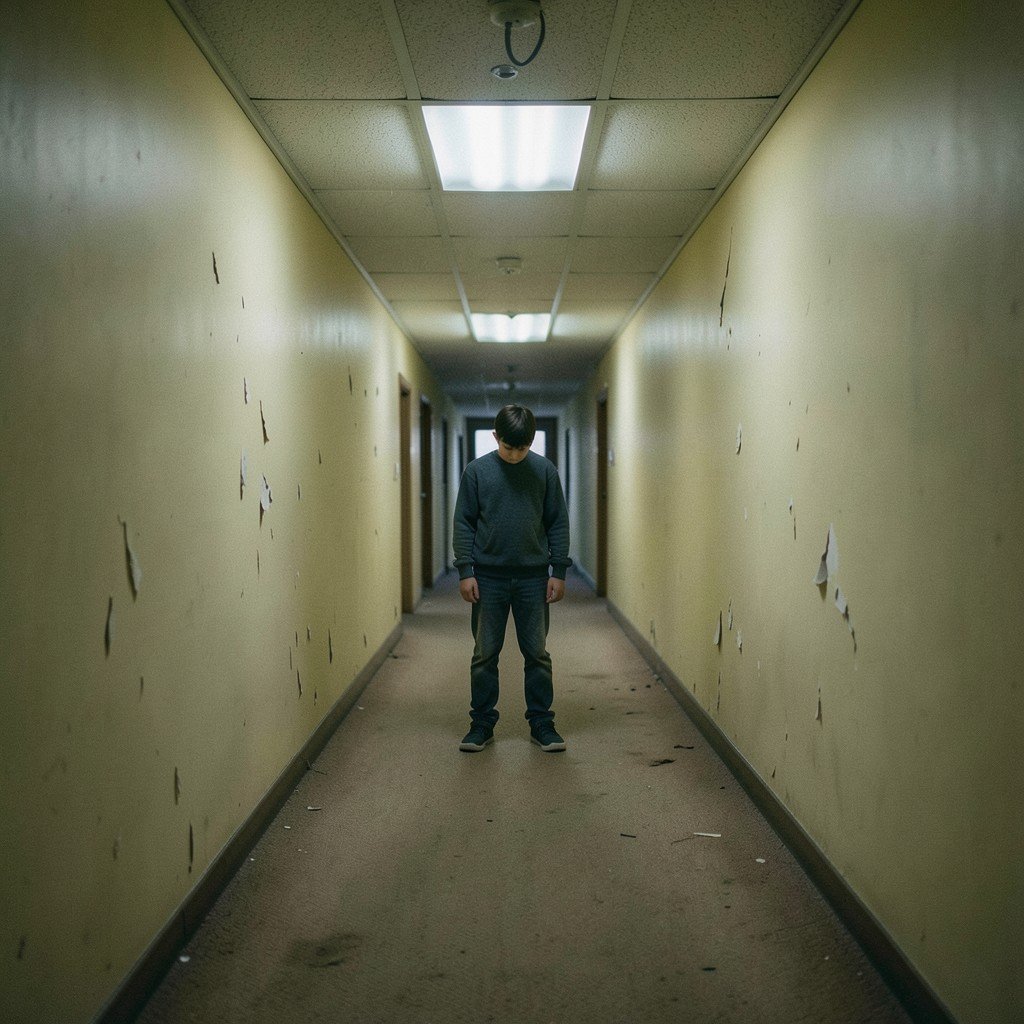
AI-generated representative image of a person in a liminal corridor, illustrating the Backrooms internet horror phenomenon and digital dark tourism.
Editorial Team
Editorial Team
Researchers explore how the infinite yellow labyrinth evolved from internet horror folklore into a participatory virtual travel experience

The Backrooms, an internet-born fictional setting depicting an infinite labyrinth of empty, fluorescent-lit rooms, is evolving from an online creepypasta into a new form of digital tourism where audiences collectively build, explore and emotionally inhabit a horror world that does not physically exist. Researchers studying the phenomenon say it represents a significant shift in how people engage with spaces of unease and trauma in the digital age.

Since its anonymous origin on the online bulletin board 4chan in 2019, the Backrooms have grown into a sprawling participatory mythology spanning Reddit, TikTok, YouTube, Instagram and gaming platforms. Unlike traditional horror narratives consumed passively, the Backrooms invite millions of users to become co-creators, mapping its corridors, writing survival guides and producing immersive content that turns the imagined space into a destination worth visiting repeatedly.

From Static Image to Mainstream Phenomenon

The Backrooms began with a single unsettling image posted anonymously online: a claustrophobic warren of yellow, windowless rooms with aged carpets and harsh fluorescent lights. Intrigued by the blend of menace and nostalgia the image evoked, internet users began building a mythology around the idea of a hidden dimension into which people might accidentally slip, becoming trapped with no clear exit.

Filmmaker Kane Parsons accelerated the phenomenon through viral "found footage" videos on YouTube, transforming the static image into immersive cinematic exploration. Parsons is now adapting the Backrooms into a feature-length horror thriller, pushing the fictional world further into mainstream culture.

Today, the r/backrooms subreddit hosts hundreds of thousands of members. Content tagged #backrooms on TikTok exceeds half a million posts, while Instagram fan accounts such as @xbackroom, with hundreds of thousands of followers, continue extending the mythology through images, edits and speculative storytelling.

A New Kind of Online Legend

At first glance, the Backrooms resemble other accelerated internet urban legends, or creepypasta, such as Slenderman or The Russian Sleep Experiment. However, researchers argue that the Backrooms represent something fundamentally different. Folklore scholar Michael Kinsella has described the activity surrounding the Backrooms as a form of "online legend-tripping," where audiences become contributors, collaborators and world-builders rather than passive spectators.

Unlike traditional horror films or ghost stories that present finished narratives, the Backrooms operate as a collectively maintained environment. Users create maps, fictional diary entries, survival guides, first-person exploration videos and virtual reality experiences that continuously expand the world. The phenomenon lacks a fixed mythology, geographical reality or narrative history, allowing users to construct meaning around spaces that feel uncannily familiar.

Dark Tourism in the Digital Realm

Dark tourism research has long documented how people are drawn to places associated with death, disaster, tragedy and the uncanny, such as former prisons, abandoned sites or locations connected to unsettling historical events. The Backrooms extend this logic into participatory digital territory. Unlike virtual dark tourism that allows armchair travel to real-world dark heritage sites, the Backrooms have no physical location anchoring them and no historical tragedy to commemorate.

With dated decor, hotel-like hallways, overhead ceiling tiles and abandoned office spaces, the Backrooms resemble the overlooked non-places of modern life spaces many people recognize but rarely notice. Researchers say this familiarity is central to the phenomenon's appeal, allowing the mundane to become menacing and transforming collective imagination into a cultural environment that audiences emotionally navigate and fully inhabit.

What Lies Ahead for the Backrooms

With Kane Parsons adapting the concept for a feature-length film and the online community continuing to expand the mythology across platforms, the Backrooms phenomenon shows no signs of fading. Researchers suggest the Backrooms point toward a future where collectively imagined digital worlds function as meaningful cultural environments in their own right: places people travel to, explore, emotionally invest in and repeatedly return to, despite never physically existing at all.

MORE LIKE THIS

Comments (0)

Leave a comment

A verified Gmail account is required to post comments.

No comments yet. Be the first to share your thoughts!