

Cyberattack Disrupts Supermarket Freezers Across Five European Countries
science-and-technology

Cyberattack Disrupts Supermarket Freezers Across Five European Countries

By Editorial Team•Nov 2, 2026 · 5:47 PM•3 min read
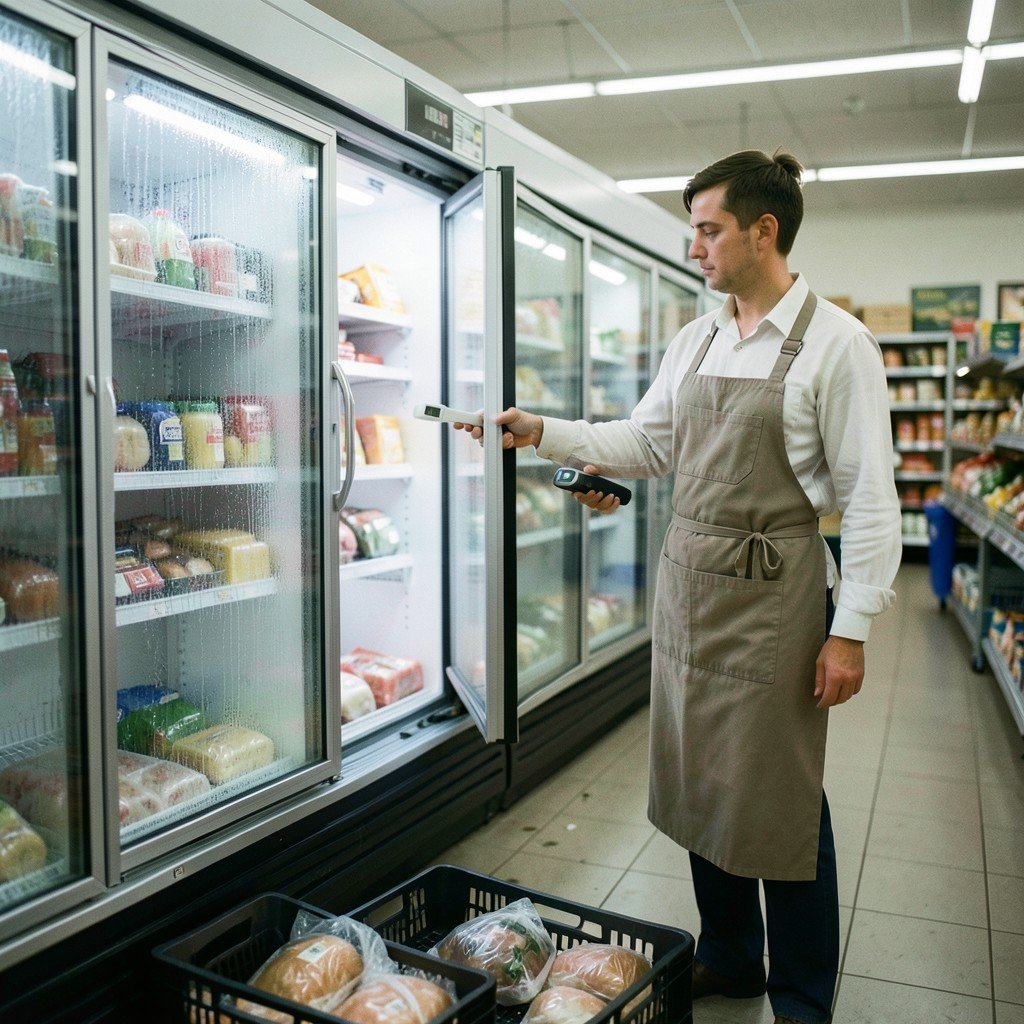
AI-generated representative image: a supermarket worker inspects a commercial freezer amid reported refrigeration failures linked to a suspected cyberattack.
Editorial Team
Editorial Team
Remotely altered refrigeration settings force mass disposal of chilled and frozen stock in Belgium, Sweden, Ireland, Estonia and Luxembourg

Dozens of supermarkets across Belgium, Sweden, Luxembourg, Ireland and Estonia reported problems with their refrigeration systems on Monday, raising suspicions of a coordinated cyberattack similar to one that disrupted around 700 French stores weeks earlier. Retailers said hackers appeared to have remotely activated defrost mechanisms, causing temperatures to rise and forcing the disposal of fresh and frozen products.

The incidents point to a potentially widening campaign targeting food retailers' cooling infrastructure, with consequences for food safety, product loss and consumer supply. If linked to last month's attacks in France, the disruptions would suggest that supermarket refrigeration systems remain vulnerable to remote manipulation, leaving retailers across Europe exposed to costly operational failures.

Affected Retailers and Locations

Belgium saw the broadest reported impact, with several dozen stores affected. According to RTL Belgium, the disruption included around 40 Delhaize outlets and 15 stores each operated by Carrefour and Intermarche. Hackers reportedly activated defrost mode remotely, driving temperatures upward and forcing some retailers to discard fresh and frozen stock.

Colruyt Group, which operates Spar stores, also reported problems with its cooling equipment, while the Belgian butcher chain De Laet & Van Haver said some of its settings had been changed remotely. Dutch broadcaster NOS reported that Delhaize stores in Luxembourg were also affected.

  • Ireland: Food wholesaler Musgrave said 13 SuperValu stores experienced cooling equipment failures, forcing the removal of chilled and frozen products from sale.
  • Sweden: Several ICA and Coop supermarkets reported overnight equipment failures, with most affected stores in the southern province of Skane, alongside incidents on the island of Oland, in Varmland and in Stockholm.
  • Estonia: One Selver supermarket reported a cooling system issue, with a freezer setting raised to 50°C before the problem was contained within minutes.


Earlier Attack on French Supermarkets

In October, cyberattacks disrupted cooling equipment at roughly 700 French supermarkets, including stores operated by Intermarche, Cooperative U and Carrefour. The attackers appeared to have remotely manipulated defrosting mechanisms, causing fridges and freezers to overheat and forcing retailers to discard products. No group has publicly claimed responsibility for those incidents.

It has not been confirmed whether Monday's disruptions are connected to last month's attacks or whether they exploited the same software vulnerabilities used to target French supermarket chains. The similarity in method, particularly the remote activation of defrost mode, has drawn attention from cybersecurity officials and industry observers.

Official Responses and Reported Damage

A spokesperson for the Centre for Cybersecurity Belgium told Politico that the agency was "closely" following the incident. In Sweden, an ICA spokesperson told broadcaster SVT that the equipment in the worst-affected stores was connected to networks outside the company's centralized system, while Coop reported similar problems at six stores.

Temperatures in some Swedish freezers reportedly reached around 50°C by morning, causing large quantities of food to spoil. In Estonia, public broadcaster ERR reported that a freezer setting had been raised to 50°C, but the issue was contained within minutes and no significant product losses were reported.

What Happens Next

Authorities and affected retailers have not yet confirmed the full scope of the incidents or identified any responsible party. No group has publicly claimed responsibility for the disruptions. Investigations are ongoing, and additional information about whether the attacks are connected to the October incidents in France is still awaited.

MORE LIKE THIS

Comments (0)

Leave a comment

A verified Gmail account is required to post comments.

No comments yet. Be the first to share your thoughts!