Background and Shifting Focus
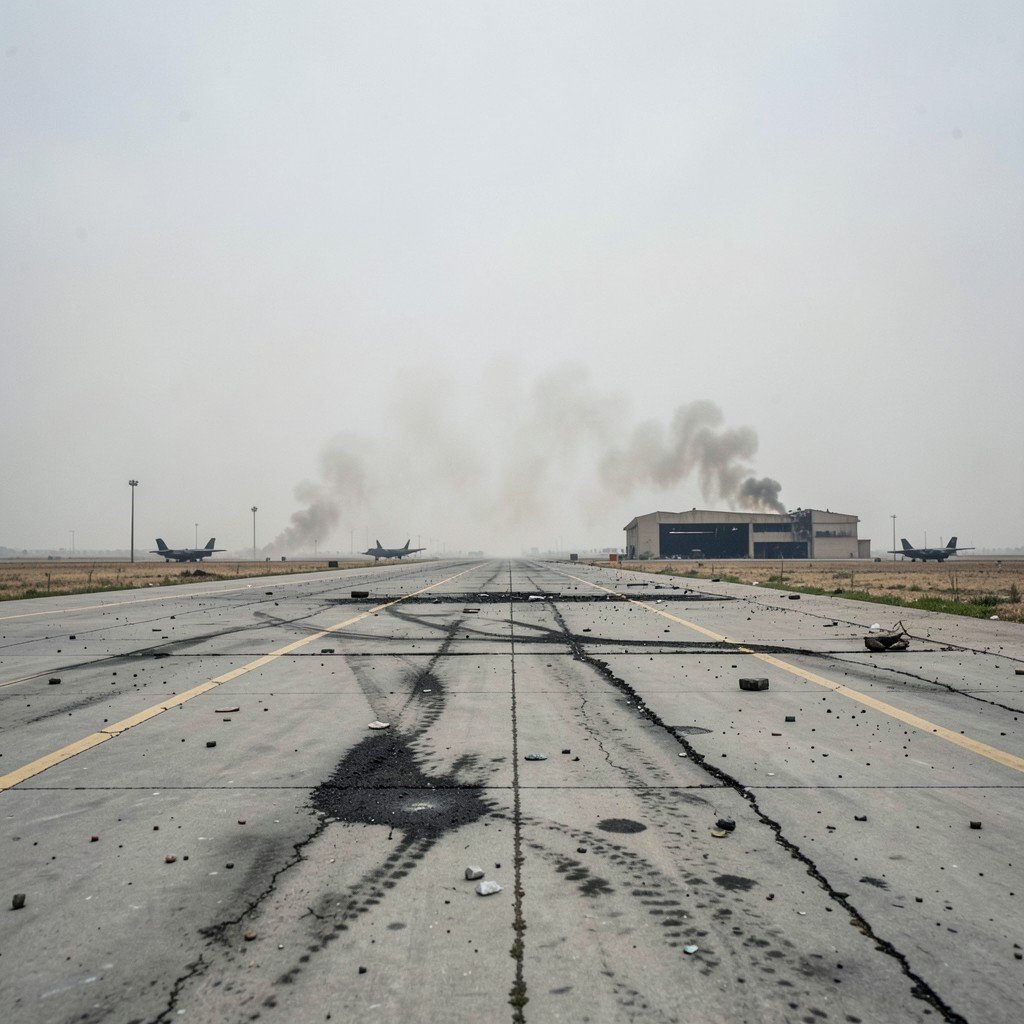
Under the former al-Assad regime, Israel frequently attacked Iranian-aligned targets in Syria, including the Iranian consulate in Damascus in April 2024, but largely avoided striking Syrian state targets directly. That pattern changed when al-Assad fled in the early hours of December 8, 2024, after which Israel attacked Syria's military infrastructure nationwide in an effort to cripple the new government's forces.
Since al-Assad's fall, Israel has redirected its attention from Iranian influence to Turkish influence in Syria. Turkiye backed several anti-Assad rebel groups, hosted many Syrian exiles, and has sought strong ties with Damascus and Syria's new President Ahmed al-Sharaa. Analysts said Tuesday's attack was effectively a message from Tel Aviv directed at Ankara.
The proposed mechanism mirrors a similar US effort in Lebanon aimed at stopping Israeli attacks, disarming Hezbollah, and securing an Israeli withdrawal from southern Lebanon. Experts note that process has yet to show results, largely because of Israel's military superiority and the Netanyahu government's willingness to undermine negotiations through unilateral action.