

Iran Criticizes UN Chief for Narrowing Role to Superpower War
news

Iran Criticizes UN Chief for Narrowing Role to Superpower War

By Editorial TeamSep 3, 2026 · 7:17 AM3 min read
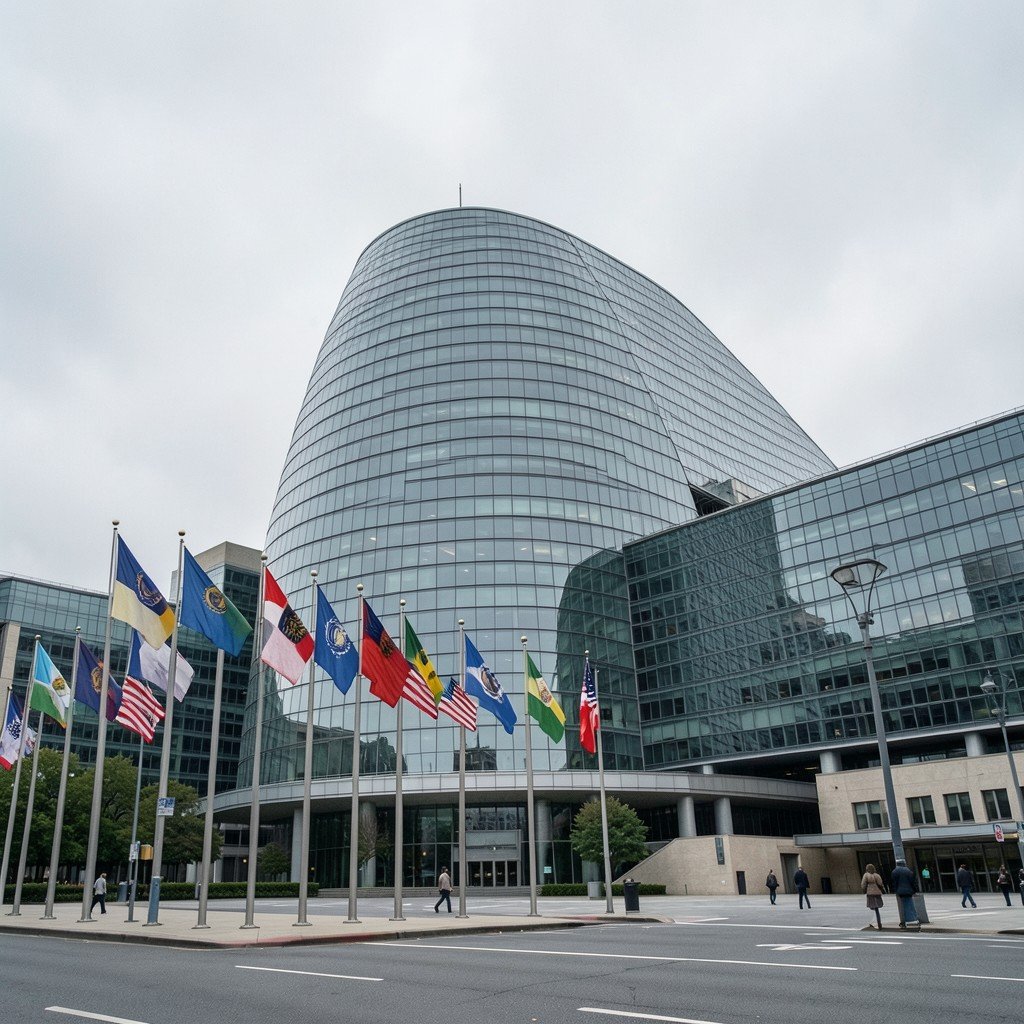
AI-generated representative image. The United Nations headquarters in New York, symbolizing the UN Charter and the role of the Secretary General.
Editorial Team
Editorial Team
Baqaei says such a Charter reading renders most member states irrelevant and excuses past conflicts

Iranian Foreign Ministry spokesman Esmaeil Baqaei has sharply criticized United Nations Secretary General Antonio Guterres, accusing him of reducing the organization's purpose to little more than preventing war between superpowers. In a post on his X account on Wednesday, Baqaei described that interpretation as misleading and dangerous, arguing it undermines the founding principles of the UN Charter.

His remarks came in response to recent statements by Guterres, who is nearing the end of his tenure as head of the world body.

The criticism reflects broader tensions over how the United Nations should balance the interests of powerful states against the security concerns of smaller and less influential members. Baqaei's comments frame the debate as a question of whether the organization serves all member states or primarily manages relations among major powers.

Baqaei's Central Criticism

Baqaei invoked former UN Secretary General Dag Hammarskjöld, who he said had warned against reducing the United Nations to static conference machinery serving great-power diplomacy rather than a dynamic instrument for protecting the security of smaller nations. He noted that Hammarskjöld staked his entire tenure on that conviction.

By contrast, Baqaei said, the current Secretary General appears to be shrinking the organization's purpose to avoiding a war between superpowers. He argued this minimalist reading twists Article 2(4) of the UN Charter into a doctrine that renders the overwhelming majority of the membership irrelevant, excuses almost every war, and hollows out the Charter's founding principles and purposes.

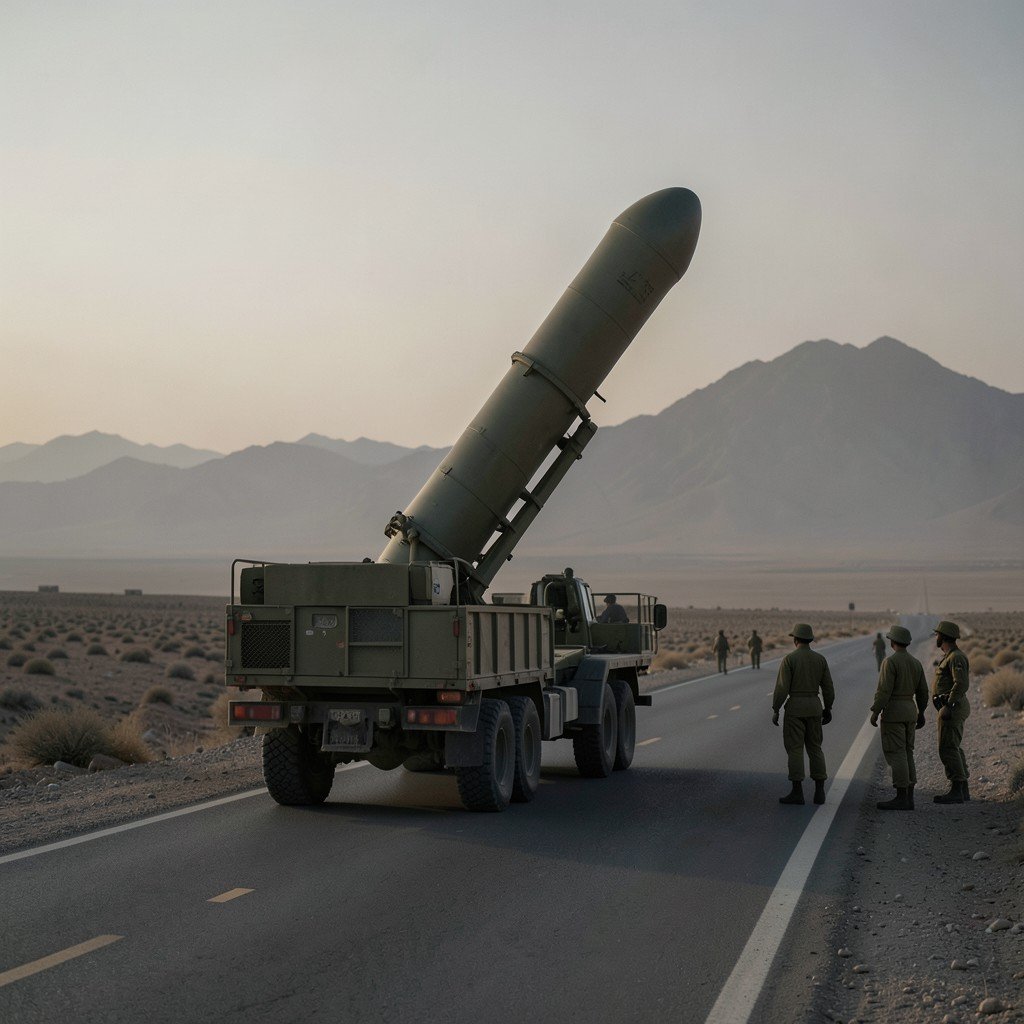
Historical Context and Charter Principles

Article 2(4) of the UN Charter prohibits member states from the threat or use of force against the territorial integrity or political independence of any state. Baqaei's criticism suggests that interpreting this provision primarily through the lens of superpower rivalry weakens its broader protective function for smaller nations.

Dag Hammarskjöld, who served as Secretary General from 1953 until his death in 1961, is remembered for championing the role of the UN as an active and independent force in international peace and security, particularly on behalf of smaller and newly independent states.

Baqaei's Full Remarks

The Foreign Ministry spokesman listed a series of conflicts that he said would count as successes under the approach he attributes to Guterres. "By that measure, wars and atrocities in Korea, Vietnam, the Congo, Iraq, Afghanistan, Yemen, Sudan and Gaza all count as successes," Baqaei wrote.

He also criticized the framing as one that whitewashes the atrocities committed by so-called superpowers against everyone else, and questioned whether such a message was appropriate for a Secretary General only months before the end of his tenure.

What Comes Next

There has been no official response from the United Nations or from Guterres's office regarding Baqaei's remarks. It remains unclear whether the criticism will prompt any formal clarification on the Secretary General's position or influence ongoing discussions about the organization's role in global security.

MORE LIKE THIS

Comments (0)

Leave a comment

A verified Gmail account is required to post comments.

No comments yet. Be the first to share your thoughts!