

Iran Economy Collapse Warning: US Treasury Sanctions Escalate
business

Iran Economy Collapse Warning: US Treasury Sanctions Escalate

By Editorial TeamAug 31, 2026 · 6:31 PM4 min read
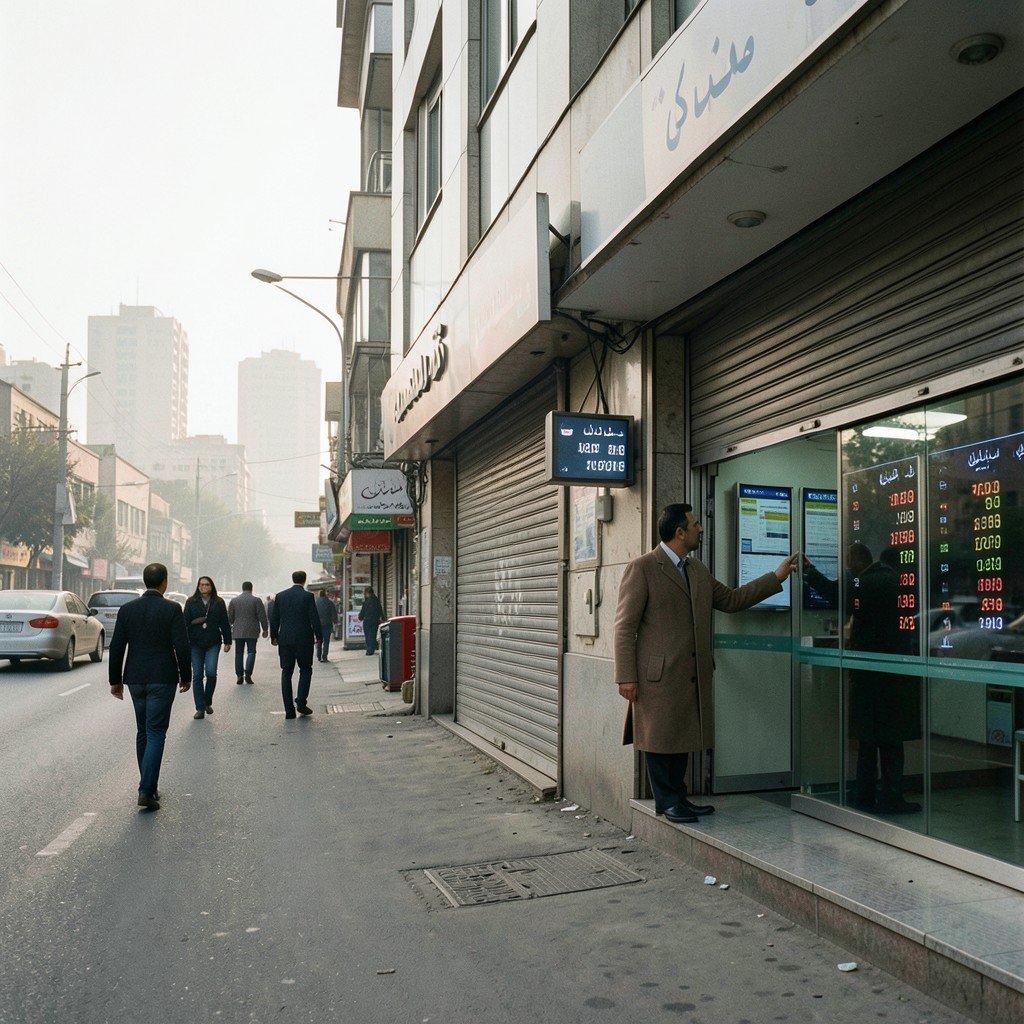
AI-generated representative image: A Tehran street scene reflecting economic pressure amid escalating US Treasury sanctions on Iran.
Editorial Team
Editorial Team
Scott Bessent says Tehran is taking new sanctions seriously as Washington prepares weekly penalties under Operation Economic Outcast.

United States Treasury Secretary Scott Bessent warned on Monday that Iran's economy could collapse "within weeks or months" as Washington escalates its sanctions campaign against Tehran. Speaking on the sidelines of a Group of 20 (G20) finance ministers meeting in Asheville, North Carolina, Bessent said Iran is taking the newly imposed sanctions seriously, and that the goal is to create conditions that push the Iranian regime toward negotiations.

The warning marks a significant escalation in the economic pressure campaign that US President Donald Trump's administration has branded "Operation Economic Outcast." The standoff between the US and Iran has now reached the six-month mark, and the Treasury's increasingly aggressive sanctions strategy signals that Washington intends to keep tightening the financial vise around Tehran while seeking to bring the regime to the negotiating table.

Escalating Sanctions Campaign

Last week, the US imposed a new wave of sanctions targeting five sectors of Iran's economy: aviation, digital assets, gold, technology, and shipping. The measures also sanctioned 60 specific individuals and vessels. On Sunday, Bessent told the Reuters news agency that the US would likely unveil new sanctions on a weekly basis.

Bessent said the next step may involve cutting an institution off entirely from the dollar-based financial system. The warning came after Washington imposed penalties on Friday against the United Arab Emirates branches of Egypt's Banque Misr over alleged financial ties to Iran. "You're going to see a lot more of these every week," Bessent said. "We're starting with the banks, and we're telling the banks it's not okay to have Iranian money and to aid the regime."


Six Months of Conflict and Economic Pressure

The US and Israel first struck Iran on February 28, beginning a conflict that has now stretched for six months. Since then, the energy market has become a key driver of US inflation. In July, the price of energy overall jumped 14.7 percent from a year earlier, with petrol prices rising 24.6 percent over the previous 12 months.

Bessent said he believes Iran is "lashing out kinetically because they are losing economically." He stressed that an economic collapse does not have to happen, adding: "We just have to have the regime come to their senses." The Treasury Secretary also highlighted support from trading partners, including the European Union, which he said backed the sanctions with "fulsome support."

Federal Reserve Signals and Market Reactions

US Federal Reserve Chairman Kevin Warsh, in his first international economic policy meeting since taking office in May, told the G20 opening plenary session that he was looking forward to learning more about growth prospects among member economies. His remarks followed a Friday speech at the Federal Reserve's Jackson Hole symposium, where he said policymakers would "have work to do" if they lacked confidence that inflation was returning to the central bank's two percent target. Warsh described inflation as too high and said financial conditions were not restrictive, signalling that price stability remained the Fed's priority and potentially hinting at a looming interest rate hike.

The European Commission also issued a statement welcoming "efforts at ensuring that Iran ceases its destabilising activities and engages in peace negotiations with good faith, also through additional economic pressure, including through the US-led Operation Economic Outcast."

Market Impact and What Comes Next

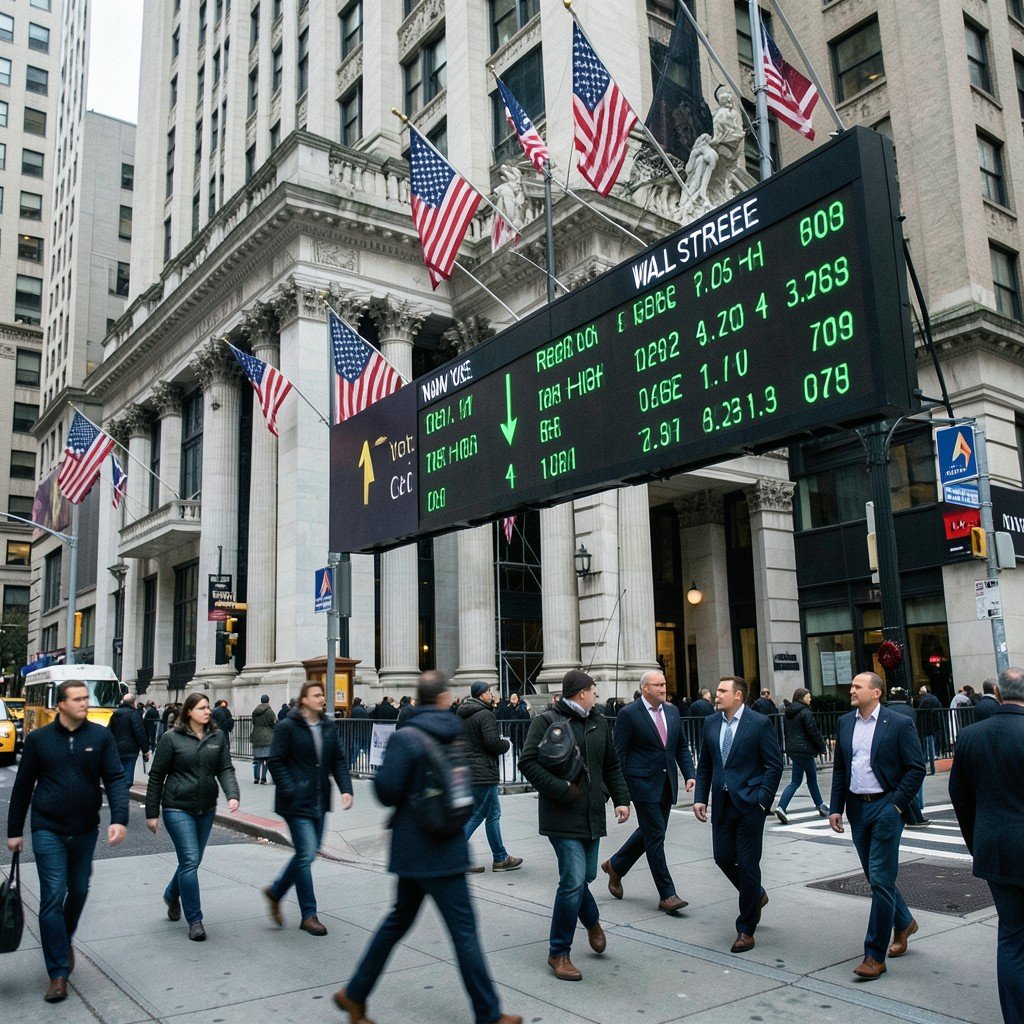
The growing tensions between the US and Iran are already moving financial markets. Gold, normally considered a safe investment during economic uncertainty, tumbled to a two-week low, falling 0.8 percent to $4,419.38 per ounce. On Wall Street, all major indices trended downward, with the Nasdaq down 0.4 percent, the S&P 500 down 0.5 percent, and the Dow Jones Industrial Average down 0.6 percent.

With Bessent indicating that additional sanctions will be unveiled weekly, further economic measures against Iranian financial institutions and related entities are expected in the coming days.

MORE LIKE THIS

Comments (0)

Leave a comment

A verified Gmail account is required to post comments.

No comments yet. Be the first to share your thoughts!