

G7 Oil Release: 100 Million Barrels to Ease Soaring Prices
business

G7 Oil Release: 100 Million Barrels to Ease Soaring Prices

By Editorial Team•Oct 3, 2026 · 3:15 PM•4 min read
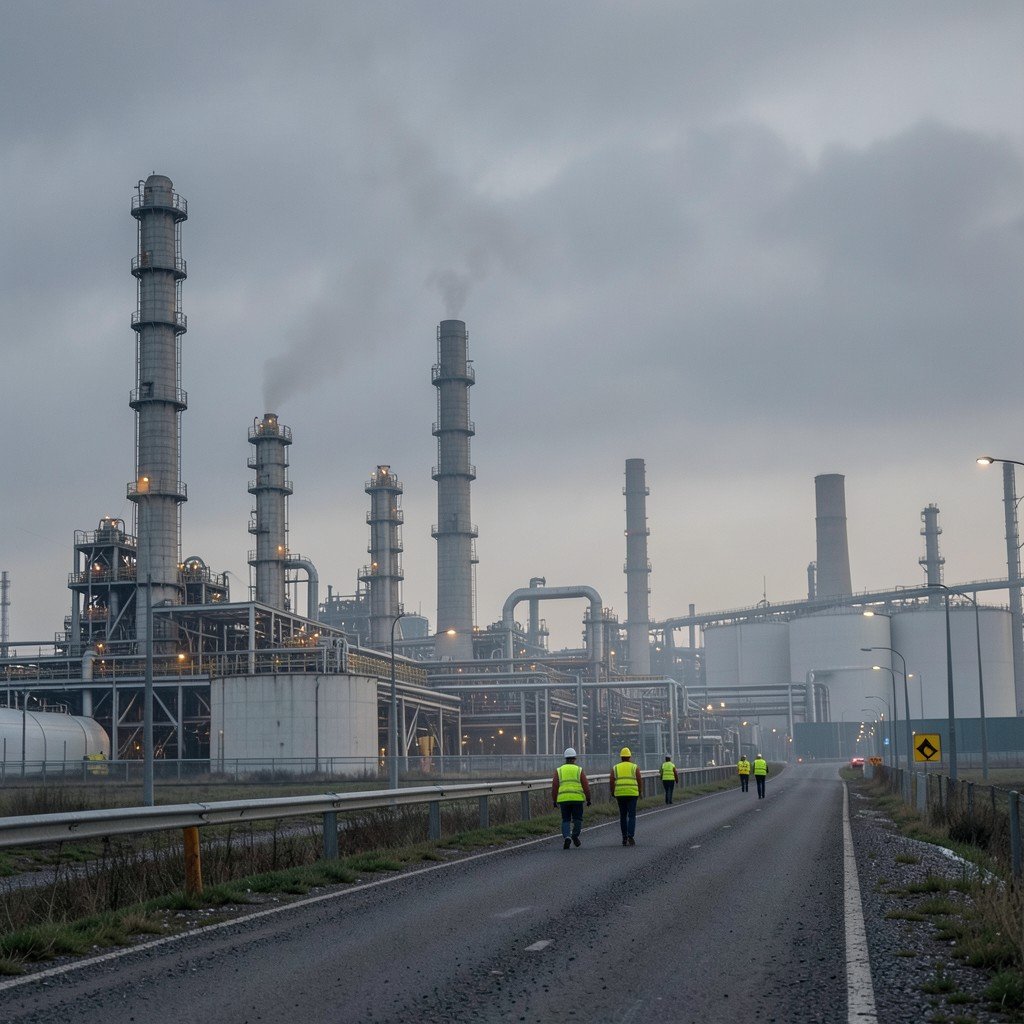
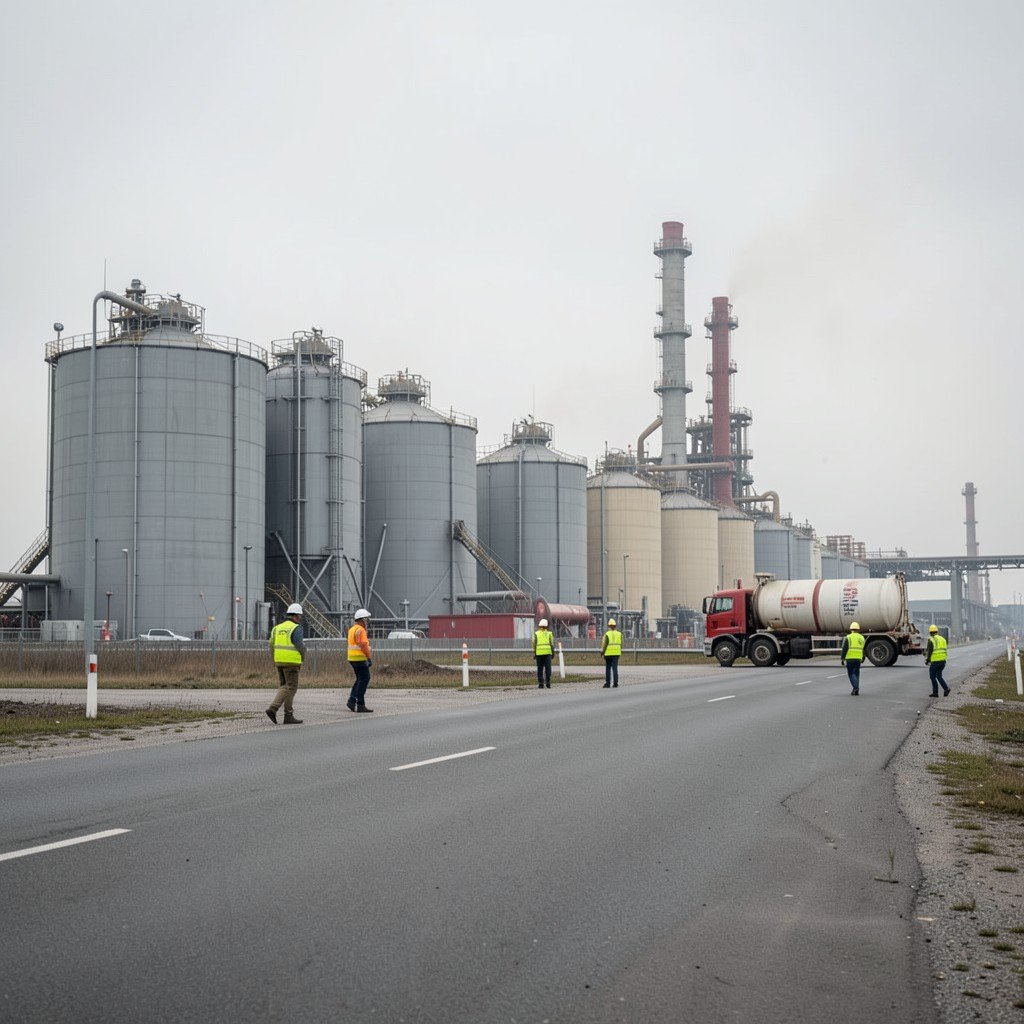
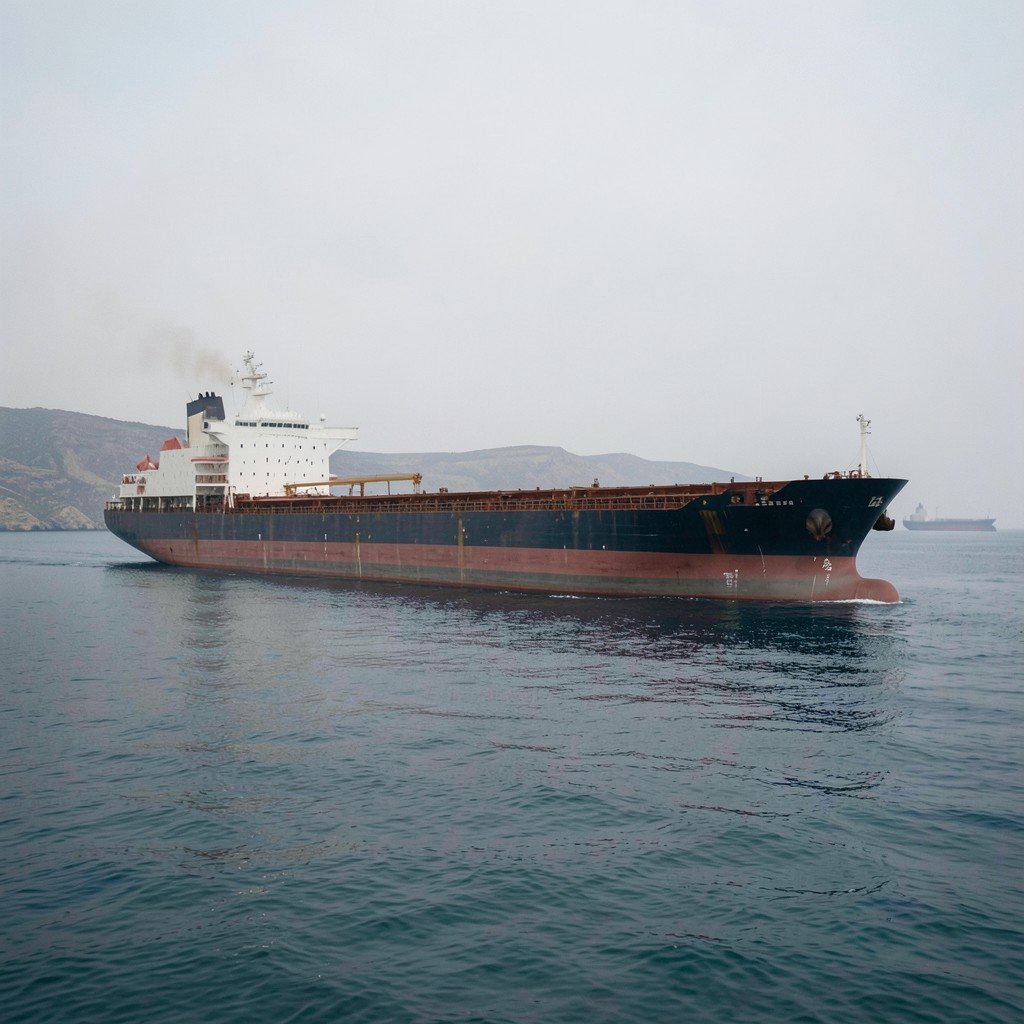
AI-generated representative image: Industrial crude oil storage tanks and a refinery, illustrating emergency strategic oil reserves.
Editorial Team
Editorial Team
Coordinated IEA emergency diesel and crude reserve release begins immediately, lasting four months to curb record energy costs.

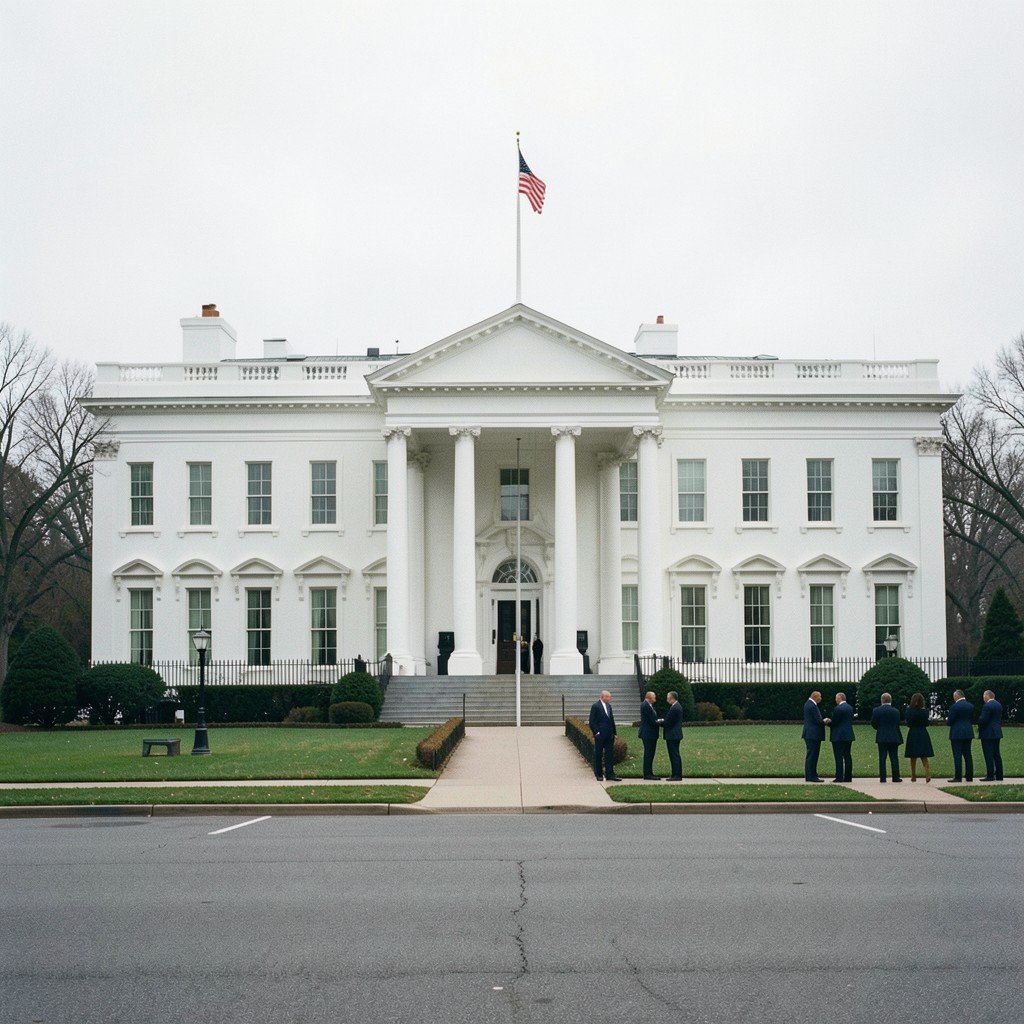
The Group of Seven (G7) countries have agreed to release 100 million barrels of crude oil and diesel from emergency reserves over several months in an effort to reduce soaring energy prices, following pressure from United States President Donald Trump.

The coordinated release, announced after a video conference of G7 leaders chaired by French President Emmanuel Macron on Friday, will begin immediately and last for four months. It comes as global diesel prices hit a record high and oil prices jumped more than $4 a barrel.

The move targets a global energy crunch driven by the US and Israel's war on Iran, which has disrupted exports from the Gulf, along with Ukraine's attacks on Russian energy installations. Soaring diesel costs have become a political liability for the Trump administration ahead of the November midterm elections, with record prices threatening to spread inflation across food, building materials and freight-dependent industries.

What the G7 Has Announced

In a joint statement issued after Friday's meeting, the group said: "Taking into account commitments that have already been fulfilled, we will implement our commitments with a coordinated release through the IEA of 100 million barrels."

The G7, which includes Canada, France, Germany, Italy, Japan, the United Kingdom and the US, with the European Union also represented, said there will be a "substantial diesel release within the first 20 days." The group will convene through the International Energy Agency (IEA) in the coming days to discuss the possibility of additional diesel releases as necessary.

The group also said it will coordinate maintenance schedules across G7 refineries to prevent simultaneous capacity shutdowns and temporarily increase utilization rates where feasible. Members were urged to refrain from imposing export restrictions on energy products among themselves.
Why Energy Prices Have Surged

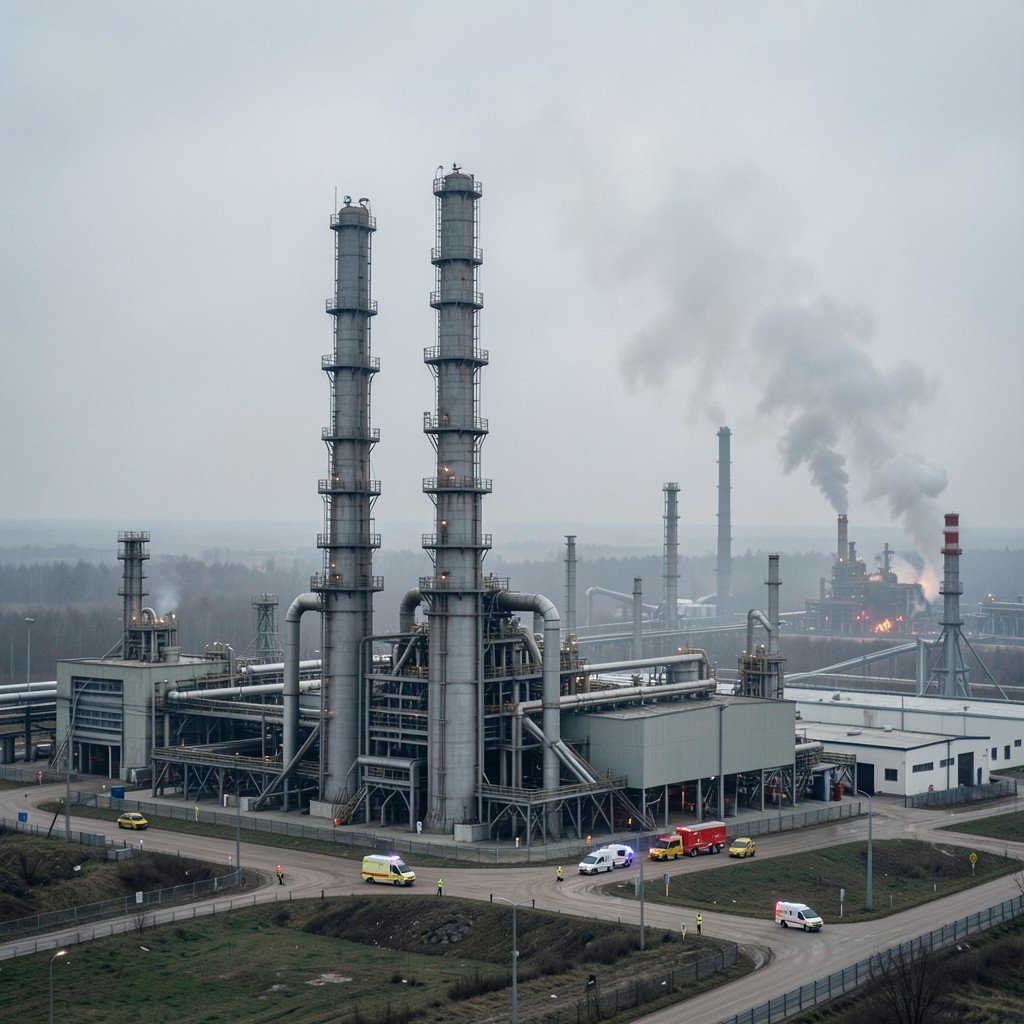
Global energy prices have been rising sharply due to the US and Israel's war on Iran, which has disrupted energy exports from the Gulf, while Ukraine's attacks on Russian energy installations have further constrained global supplies. Neil Atkinson, former head of the IEA's Oil Industry and Markets Division, identified three key factors behind the decline in global diesel supply.

First, diesel is no longer flowing from the Middle East to Europe, which previously imported significant volumes from Saudi Arabia and Kuwait. Second, Russia has ceased exporting diesel entirely because of Ukrainian attacks on Russian refineries. Third, China is no longer exporting diesel. Demand remains relatively high and is likely to stay elevated because of the agricultural harvesting season.

Earlier this week, IEA Executive Director Fatih Birol said members had released about two-thirds of a 400-million-barrel agreement. The Trump administration had previously threatened to ban US diesel exports and pressured Europe to release its emergency diesel stocks.

Market Data and Expert Analysis

Global diesel prices hit a record high last Friday, with the average price for a gallon (3.79 litres) reaching $6.50, up from $5.61 a month earlier, according to the American Automobile Association (AAA). Oil prices jumped on Thursday and settled up more than $4 a barrel. The price of Brent crude briefly dropped below $100 a barrel after the G7 announcement but rose to about $102 in the evening.

According to data from the Joint Organizations Data Initiative (JODI) and the Organization of Petroleum Exporting Countries (OPEC), the US is the world's largest producer and exporter of diesel, producing about 240.5 million tonnes and exporting around 1.26 million barrels per day. Russia is the second-largest diesel exporter at 783,400 barrels per day, while Saudi Arabia is the second-largest producer at 58.4 million tonnes but consumes much of its output domestically.

Hamad Hussain, a climate and commodities economist at Capital Economics, said the release will put "some downward pressure on prices, particularly global diesel prices," but warned the impact would be short-lived because it is a temporary solution to the supply crunch.

What Happens Next

It is not yet clear how many oil and diesel stocks each G7 member will release. French President Macron said the move will "bring down the prices of petroleum products, particularly diesel," while Trump wrote on Truth Social that Europe "has just agreed to release a massive amount of their heavily stocked Diesel Oil" and that the process would begin immediately.

The White House is reportedly preparing an executive order to tackle record-high US diesel prices that could be unveiled as early as next week, according to two people familiar with the process. Trump confirmed on Friday that Washington would not impose a diesel export ban, saying the plan was never really on the table.

MORE LIKE THIS

Comments (0)

Leave a comment

A verified Gmail account is required to post comments.

No comments yet. Be the first to share your thoughts!