

US Nears Deal for Long-Term Access to Venezuelan Oil Fields
business

US Nears Deal for Long-Term Access to Venezuelan Oil Fields

By Editorial TeamAug 28, 2026 · 4:07 AM3 min read
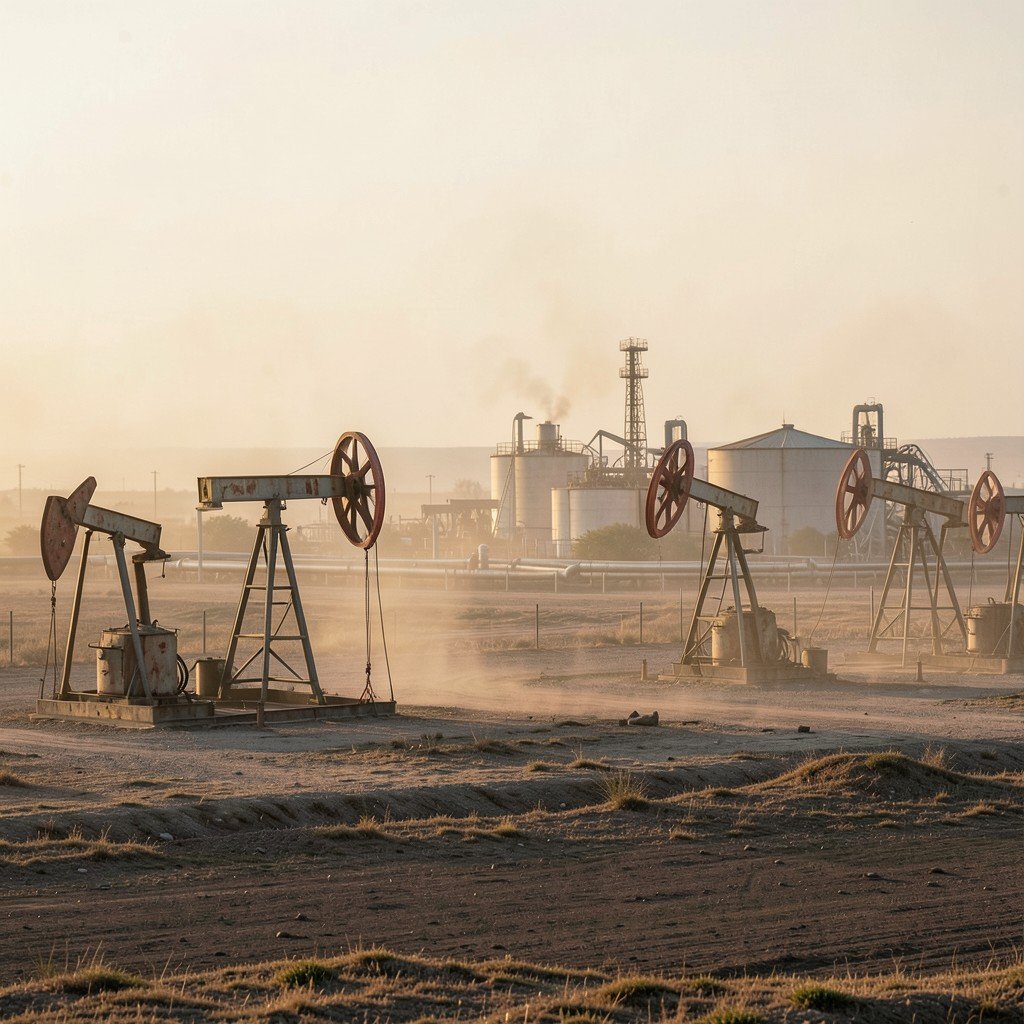
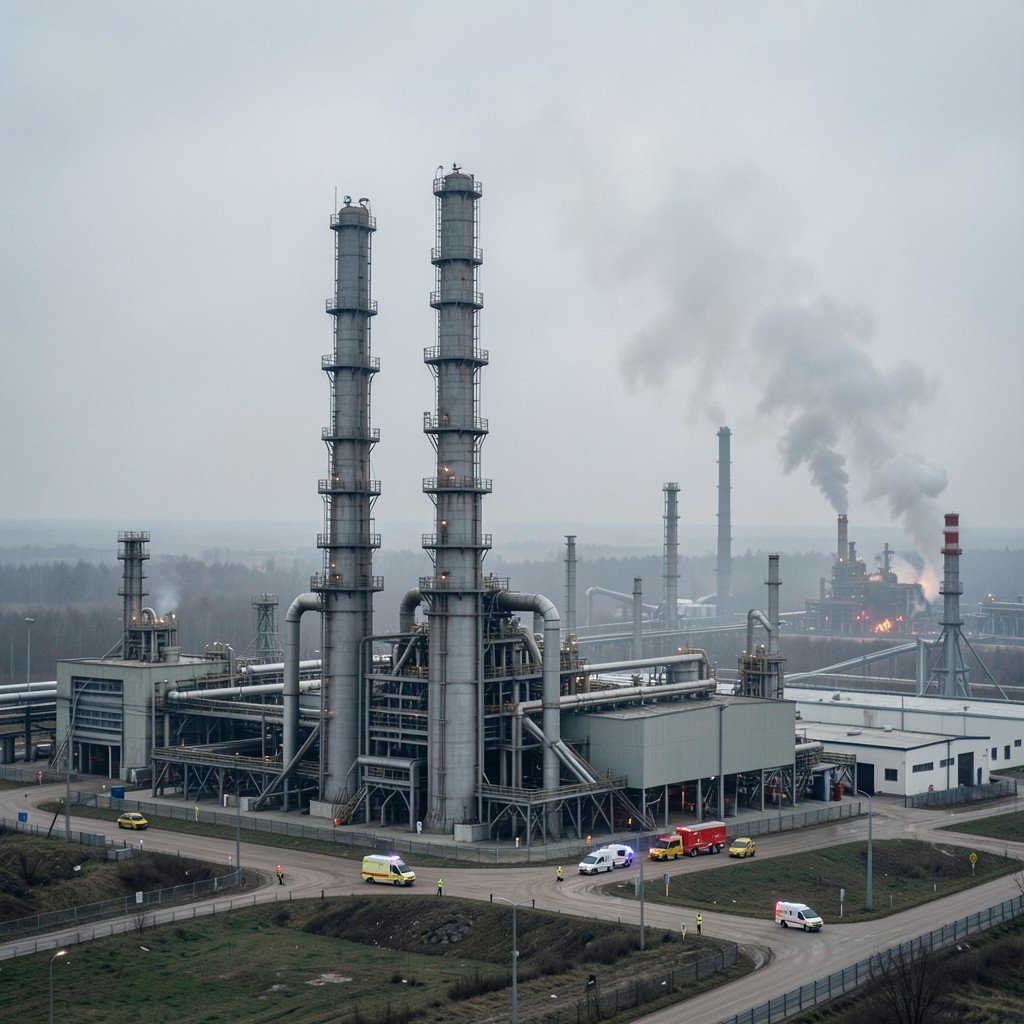
AI-generated representative image: Oil pumpjacks at a Venezuelan oilfield, as the US negotiates long-term access to the country's crude reserves.
Editorial Team
Editorial Team
Trump administration talks could open 17 crude fields to American producers under a lease model

The Trump administration is working on a deal to lock in long-term access to some of Venezuela's crude reserves, with the agreement expected to let the US government secure a group of oilfields to be developed by American companies whose output would be guaranteed for the United States.

Insiders say the agreement could be signed and made public soon, and that it is being discussed at the highest levels of both governments.

The prospective arrangement would mark a significant deepening of energy ties between Washington and Caracas following the removal of former President Nicolas Maduro from power in January. It comes as the Trump administration faces political pressure ahead of November's midterm elections over rising petrol prices, which could be eased through cheaper oil supplies and expanded output.

Deal Structure Under Negotiation

One source said a lease was being considered as the legal model to make the deal work, with a further auction or tender to allocate each field among US producers. A list of 17 fields in negotiation includes green fields in the vast Orinoco Belt combined with mature areas in Lake Maracaibo, some of which are currently operated by a small Chinese firm whose contract was signed during the Maduro administration.

Separately, Caracas is considering leaving the OPEC oil production group as it strengthens ties with the US, according to Bloomberg. Venezuela joined OPEC as a founding member in 1960 but has not met its quotas for years as the state-run oil industry suffered from neglect and corruption.
Background and Regulatory Hurdles

Venezuela holds the world's largest crude reserves, but current hydrocarbons regulation does not include acreage leases for oil areas, while the constitution reserves the industry's core activities to the state. Recently reformed oil legislation allows oilfield operation through joint ventures and production-sharing contracts, and the government has for decades prevented foreign producers from booking the country's oil reserves.

Since Maduro's removal in January, Washington has sought to secure a stable flow of Venezuelan crude for US refineries while promoting American investment into the country's deteriorated energy industry, which currently produces about 1.25 million barrels per day. Full details of the prospective deal have yet to emerge, and experts say it could raise constitutional questions and face legal challenges.

Official Responses and Strategic Pressures

The White House referred questions to the US Department of Energy. Venezuela's oil ministry, state oil company PDVSA and the Energy Department did not immediately reply to requests for comment, and Venezuelan oil minister Paula Henao could not be reached.

The administration is also looking for ways to replenish the Strategic Petroleum Reserve, including possible crude swaps with US producers. Funding shortages and ongoing maintenance have limited those efforts after the US tapped the reserve following Russia's invasion of Ukraine in 2022 and again after the war on Iran was launched in February.

What Lies Ahead

The agreement has not yet been finalized or made public, and no official confirmation has been issued by either government. If concluded, the deal is expected to be followed by an auction or tender process to allocate the 17 fields among American producers, though legal and constitutional questions remain unresolved.

MORE LIKE THIS

Comments (0)

Leave a comment

A verified Gmail account is required to post comments.

No comments yet. Be the first to share your thoughts!