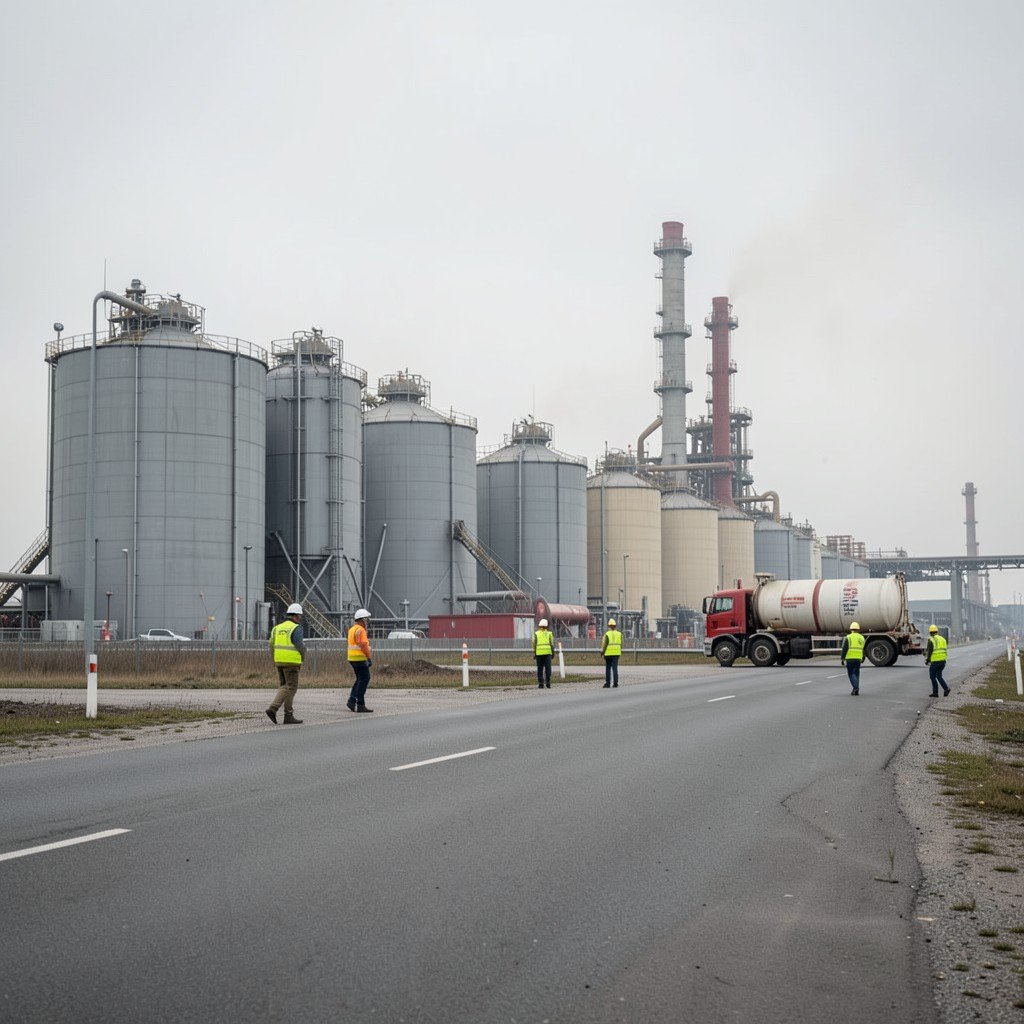


US Tariffs on Canadian Dairy Stall Sales, Spark Milk Dumping Fears
business

US Tariffs on Canadian Dairy Stall Sales, Spark Milk Dumping Fears

By Editorial TeamSep 20, 2026 · 6:36 PM4 min read
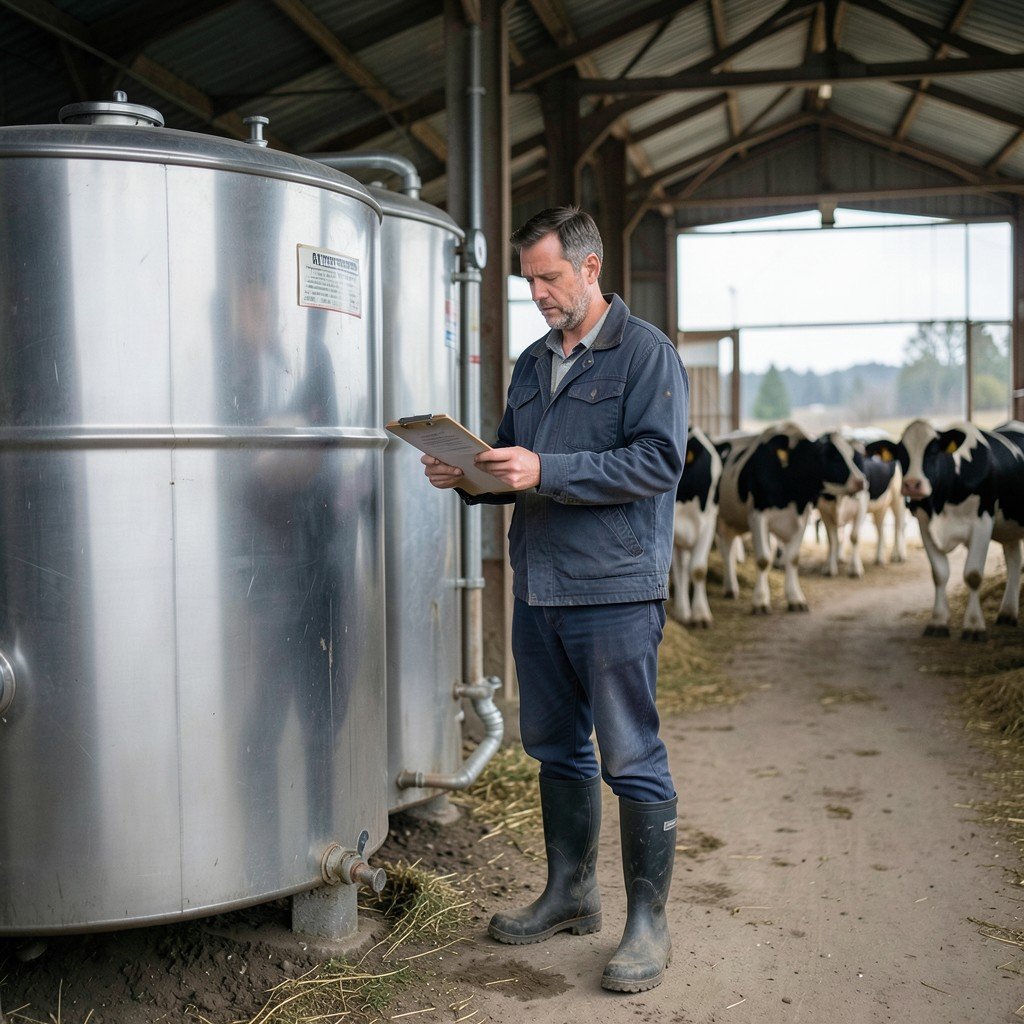
AI-generated representative image: A dairy farmer at a British Columbia farm reviews records beside a milk tank as US tariffs stall cross-border dairy sales.
Editorial Team
Editorial Team
A 50 percent US tariff has halted cross-border dairy trade, leaving farmers facing an uncertain future in a perishable-goods industry.

Canadian dairy farmers are feeling the immediate effects of a 50 percent US tariff that took effect on August 22, with cross-border milk sales largely grinding to a halt. Casey Pruim, who operates a farm in Abbotsford, British Columbia, with 330 cows, said the standstill threatens farms across the province, where milk is highly perishable and cannot be stored while producers search for new buyers.

The disruption matters because milk moves through a tightly scheduled distribution system that cannot quickly absorb lost demand. If processors lose US customers, farmers may be forced to dump milk or reduce their herds, with the financial impact spread across British Columbia's roughly 400 dairy farms. The tariffs also signal a broader breakdown in Canada-US trade relations affecting a sector that depends on rapid cross-border movement.

Tariff Impact on Producers

Pruim, who chairs the British Columbia Dairy Association, explained that individual farmers do not choose which products are exported. Producers sell into a provincial milk-marketing system that distributes milk to processors based on demand, including for export to the United States. If a processor loses US demand, it may require less milk, spreading the impact across the entire provincial pool.

Pruim warned that squeezed processor demand could force farmers to dump milk and, in the worst case, cut their herds. "Cows aren't like a tap; you can't just turn them on or off," he said. Dylan Kruger, director of public affairs at BC Dairy, said there remains "considerable uncertainty" about the tariffs' full impact and whether unsold milk can be redirected to other markets.
Supply Management and Trade History

Dairy trade between Canada and the United States has largely operated under the Canada-United States-Mexico Agreement, known as CUSMA in Canada, which came into force on July 1, 2020. Canada manages dairy, poultry and egg supply through a national policy of production quotas and import controls designed to stabilize prices and maintain domestic supply.

Washington has criticized this system as protectionist, with US President Donald Trump claiming on Truth Social that Canada had been "ripping off the United States of America for years" through "ridiculously high tariffs." Canadian producers reject that argument, saying the existing agreement already grants US imports substantial tariff-free access that is not fully utilized.

Trade data shows Canada's dairy deficit with the US has widened significantly. Canadian dairy exports to the US grew from 241.3 million Canadian dollars in 2020 to 308.7 million Canadian dollars in 2025, while US dairy imports into Canada more than doubled to 1.355 billion Canadian dollars, representing 13.8 percent of total US dairy export value.

Economic Outlook and Retaliatory Measures

Bryan Yu, chief economist at Central 1 credit union, said the immediate loss of a major market will be difficult to absorb because replacement buyers cannot be found quickly. "There is going to be pain in the near term for a lot of our producers," he said, adding that a 50 percent tariff "shuts Canadian producers out" because many lack the margins to absorb such costs.

Canada imposed its own retaliatory tariffs on September 8 covering 20 billion dollars in US goods, including a 50 percent tariff on milk, cream and whey products and a 25 percent tariff on many cheeses. Prime Minister Mark Carney said Canada would match Washington's tariffs "dollar for dollar" to protect workers, farmers, families and businesses. However, Oxford Economics cautioned that the retaliatory measures "will help some industries but hurt most and weaken economic growth."

What Lies Ahead

Ottawa's Trade Commissioner Service is advising affected companies to review their CUSMA compliance, explore available relief programs and contact trade commissioners about potential new markets. Yu predicted the two countries could reach a tariff agreement in the coming months, though he warned the interim period may bring "higher prices, weaker economic activity and deeper mistrust." For farmers like Pruim, the uncertainty itself remains as destabilizing as the tariff threat.

MORE LIKE THIS

Comments (0)

Leave a comment

A verified Gmail account is required to post comments.

No comments yet. Be the first to share your thoughts!