

Iran Reopens Schools After Minab Strike That Killed 168
news

Iran Reopens Schools After Minab Strike That Killed 168

By Editorial TeamSep 22, 2026 · 7:02 PM3 min read
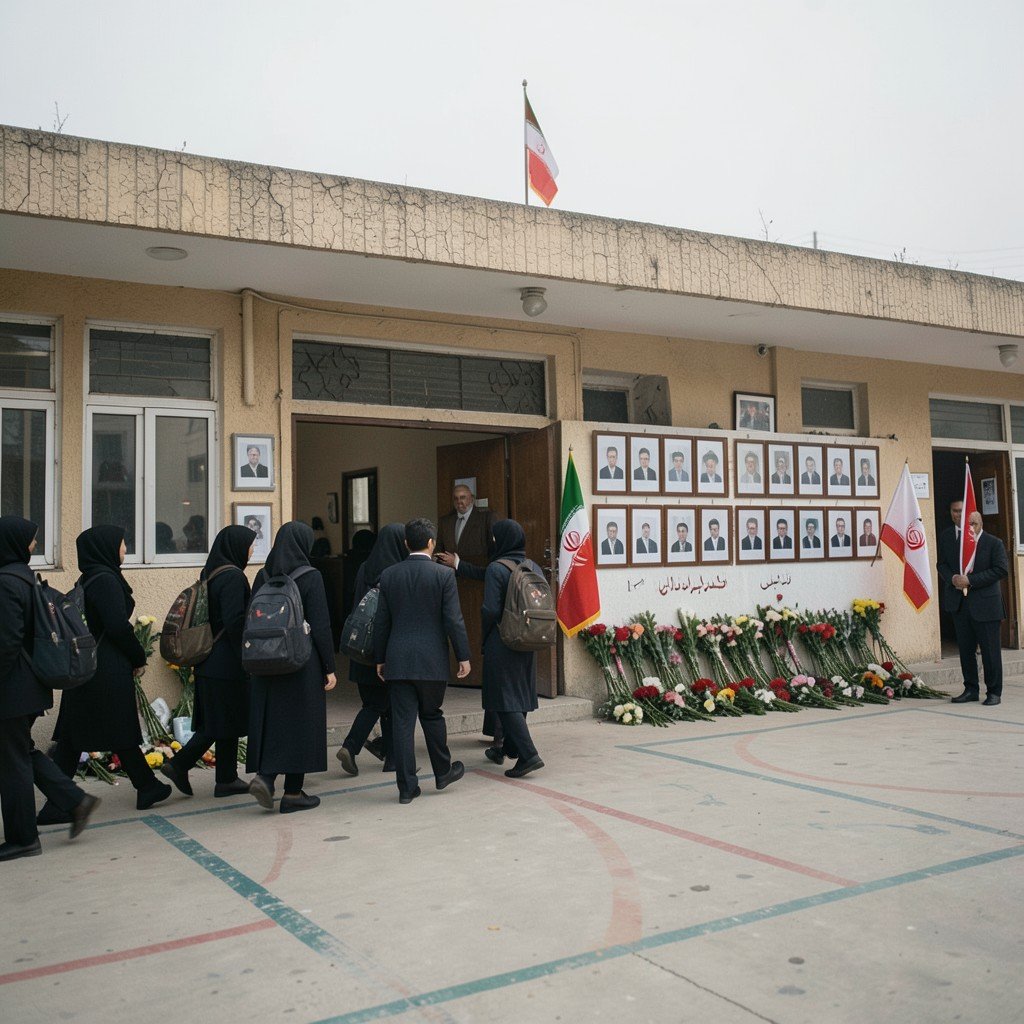
AI-generated representative image: Iranian students return to school as the new academic year begins, with a memorial for the victims of the Minab attack.
Editorial Team
Editorial Team
UN mission finds reasonable grounds to believe the US committed war crimes in the Minab school attack

Iran reopened its schools on Monday, seven months after a US strike on the Shajareh Tayyebeh school in Minab killed 168 people, including students and teachers, during the opening phase of the US-Israeli war against Iran. The new academic year began as a United Nations fact-finding mission concluded last week that there were "reasonable grounds to believe" the United States committed war crimes in the attack.

The Minab strike has become a defining symbol of the civilian cost of the conflict and a central issue in Iran's public and diplomatic response. As students across the country return to classrooms, the commemoration of those killed has elevated the attack into a national rallying point for demands of accountability against Washington.

National Commemoration and Diplomatic Push

President Masoud Pezeshkian attended a school ceremony in Tehran and paid tribute to the students and teachers who will not return to their classrooms this year. Iranian officials emphasized that the new academic year would continue despite the deaths and destruction caused during the war.

Foreign Minister Abbas Araqchi, who arrived in New York for the 81st United Nations General Assembly, said Iran would use the international platform to present the suffering of the Iranian people and the victims of the war. "It is natural that this tribune will be a place where the people of Iran and the martyrs of the children of the Minab School will be able to express themselves," Araqchi said.

He added that restoring confidence in the United Nations would be a major issue for Iran, arguing that the organization's credibility has been weakened by selective enforcement of international law.

Background of the Minab Attack

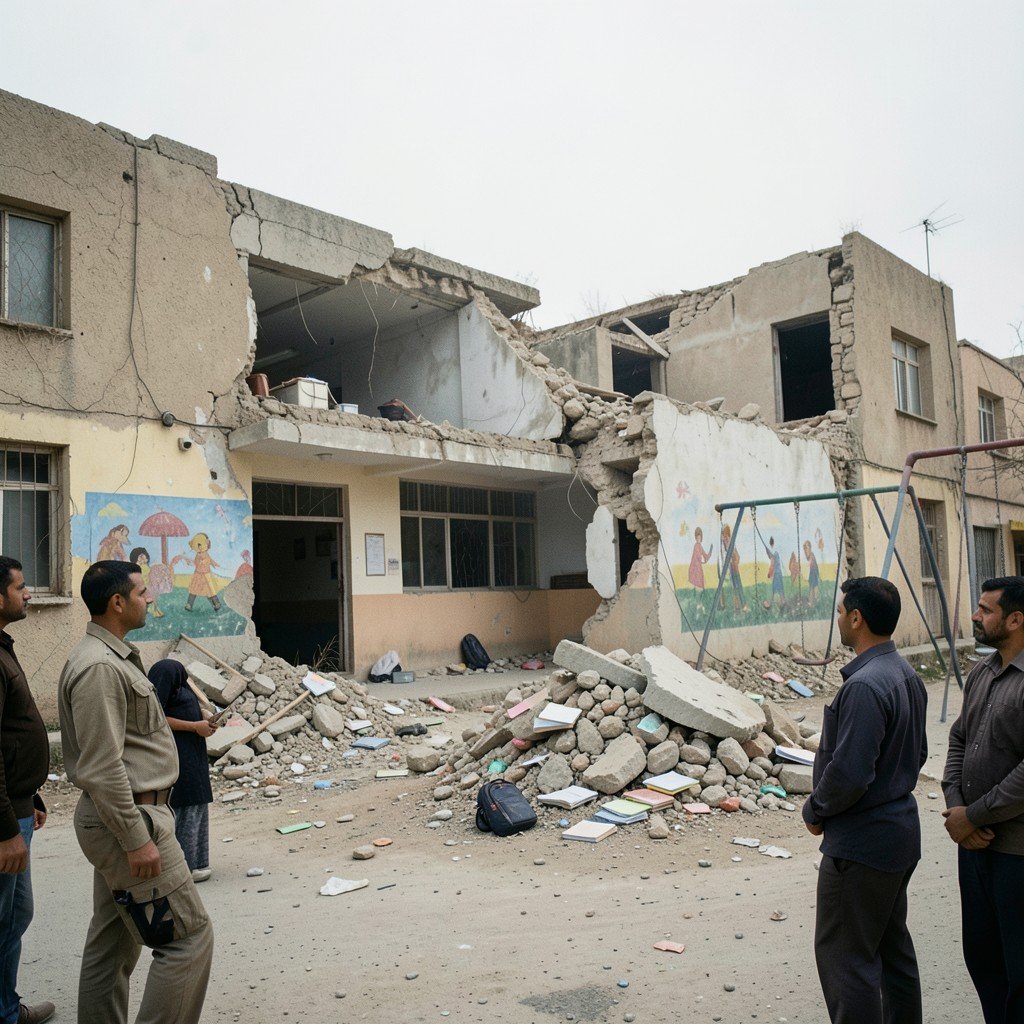
The Shajareh Tayyebeh school was struck on Feb. 28 as US and Israeli attacks began across Iran. The attack has remained central to Tehran's condemnation of Washington and its demand for accountability, with officials describing it as a defining example of the failure of international institutions to hold powerful states accountable.

Independent investigations have since examined evidence indicating that US forces were responsible for the strike. The Washington Post reported that video evidence reviewed by weapons experts showed what appeared to be a US Tomahawk missile striking near the school and an adjacent Iranian military facility. Amnesty International separately examined footage and missile remnants and said the available evidence was consistent with the use of a US-made Tomahawk missile.

Investigation Findings

The UN fact-finding mission concluded that the United States had failed to take all feasible measures to verify that the school was a legitimate military target before launching the attack, saying the failure went beyond negligence. The mission also examined a separate US strike in Lamerd and concluded there were reasonable grounds to believe that attack constituted an indiscriminate assault prohibited under international humanitarian law.

In a separate investigation published this month, Bloomberg reported that a Pentagon review identified flawed intelligence, outdated imagery and excessive reliance on artificial-intelligence systems as contributing factors in the strike. The report said Pentagon personnel knew within hours that the attack had struck the school and that the internal investigation had identified a series of failures in the US targeting process. The Pentagon has not publicly released the full findings of its investigation.

What Lies Ahead

The Minab victims are expected to remain at the center of Iran's diplomatic messaging as the country begins a new academic year and its leadership raises the issue at the United Nations. For families in Minab, the return to school carries a painful absence, with empty desks and the memory of children who will not walk through the school gates again.

MORE LIKE THIS

Comments (0)

Leave a comment

A verified Gmail account is required to post comments.

No comments yet. Be the first to share your thoughts!