

Yemen Forces Strike Houthis to Retake Strategic Port of Mocha
news

Yemen Forces Strike Houthis to Retake Strategic Port of Mocha

By Editorial TeamSep 13, 2026 · 8:28 PM4 min read
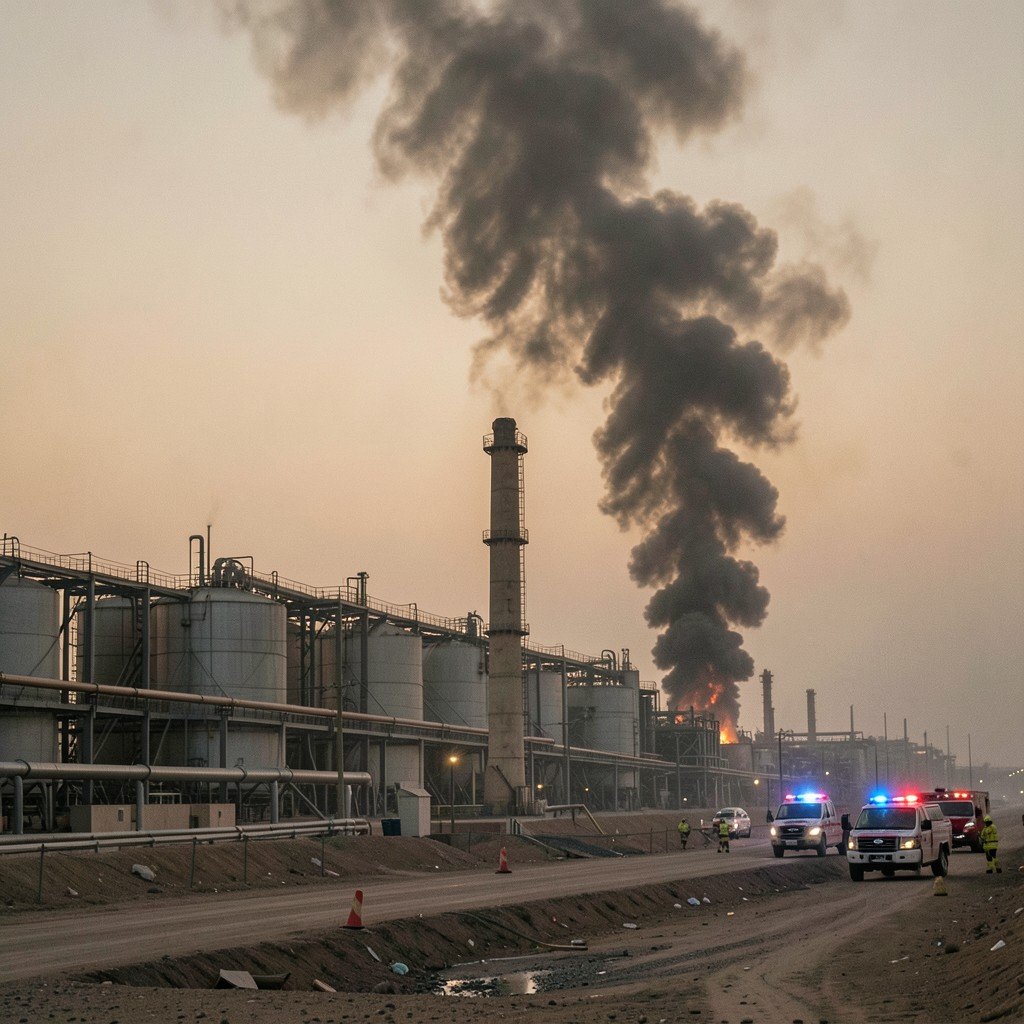
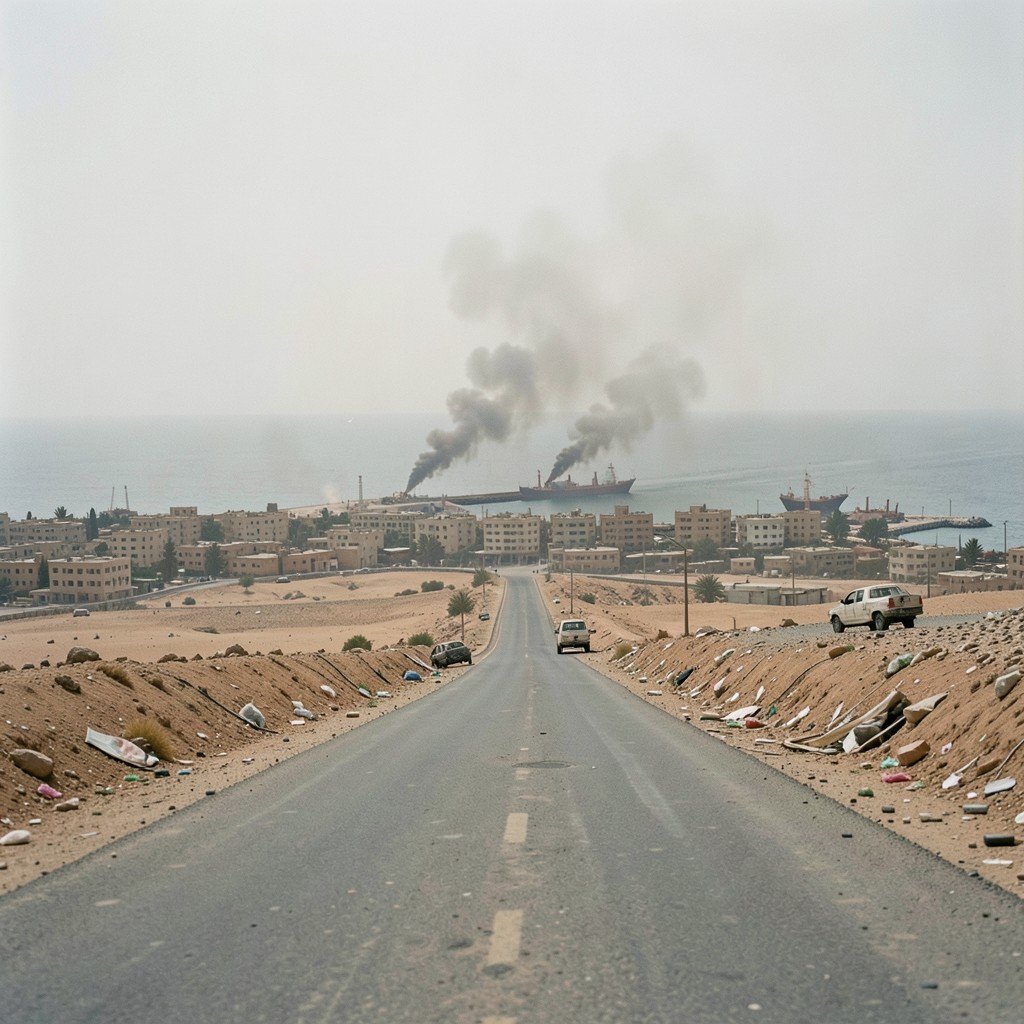
AI-generated representative image: Smoke rises over a coastal port city on Yemen's Red Sea coast amid reported fighting near Mocha.
Editorial Team
Editorial Team
Fighting intensifies along the Red Sea as the Iran-backed group tightens control of Bab al-Mandeb

Yemeni government forces have launched air attacks on Houthi positions along the Red Sea coast in an effort to retake the strategic port city of Mocha, days after the Iran-backed group captured it and completed its control of the Bab al-Mandeb strait, a vital global oil shipping lane.

The Houthis, also known as Ansar Allah, have accused Saudi Arabia of carrying out 129 air strikes across Yemen within the past 48 hours, while the fighting has forced tens of thousands of people from their homes, including more than 2,000 who fled to Djibouti.

The renewed hostilities mark the most serious escalation since a UN-brokered truce halted large-scale fighting in 2022, reigniting a conflict that Saudi Arabia-backed government forces have described as a "battle for survival." Control of the Bab al-Mandeb strait and the Red Sea coast carries major implications for international shipping and regional security.

Latest Developments on the Ground

On Saturday, government forces struck Houthi fighters near Mocha and along the Mocha-Dhubab road, 11km (7 miles) from the city, according to Yemen's state news agency Saba. Spokesperson Majed Abdullah al-Nazili said the attacks destroyed vehicles and weapons and killed members of the group.

The strikes followed the Houthis' capture of Mocha on Thursday and the island of Mayyun, also known as Perim, on Friday. On Sunday, Sultan al-Arada, a member of the Presidential Leadership Council and governor of Marib, said government forces that withdrew from the west coast are regrouping in Marib and will return to the battlefield.

The Yemeni military's reserve Nation Shield Force also claimed its 6th Brigade downed five drones during clashes in the al-Aghbara area, while air forces reportedly conducted additional raids against Houthi targets across the country.

Background and Main Front Lines

Yemen's civil war began more than a decade ago, when the Houthis seized vast swaths of the country in 2014, including the capital Sanaa. Saudi Arabia intervened militarily in March 2015 to restore the internationally recognised government, then led by President Abd-Rabbu Mansour Hadi.

The conflict reignited in July after roughly four years of relative calm, with hostilities now concentrated on several fronts. These include the western coast and Bab al-Mandeb strait, where Houthi forces have pushed toward Red Sea shipping lanes; the mountainous terrain of Taiz province; Marib and al-Jawf, where government forces are defending the economic hub of Marib; and Dhalea, a volatile connector between the Houthi-controlled north and the south.

The Presidential Leadership Council was established in 2022 when Hadi transferred power to an eight-member body representing the recognised government. Key factions within it include the Islah Party, a Sunni Islamist movement whose stronghold is Marib, and the National Resistance Forces led by Tareq Saleh.

Cross-Border Attacks and Official Statements

The Houthis have launched missile and drone attacks on southern Saudi Arabia in recent days. On Tuesday, the group struck civilian and economic facilities in Abha, Khamis Mushait, Jazan and Najran, wounding 73 people, including women and children. On Sunday, the group claimed it had hit a Saudi military base in Sharurah using ballistic missiles and drones.

Houthi military spokesperson Yahya Saree said Saudi warplanes, including F-15 and Typhoon aircraft, had conducted 129 air raids targeting the governorates of Taiz, Marib, Hodeidah, al-Jawf, Saada, Amran and Hajjah. Saudi Civil Defence separately reported that two people were wounded and a mosque and several buildings were damaged after a projectile struck the Jazan region.

Iranian authorities praised the Houthi advances, with Islamic Revolutionary Guard Corps spokesman Hossein Mohebbi calling them "the fruit of years of steadfastness." However, Iran's Foreign Ministry insisted the Houthis act independently of Tehran, with spokesman Esmaeil Baghaei stating that "what is happening now in Yemen is the result of the Yemenis losing patience."

Current Status and What Lies Ahead

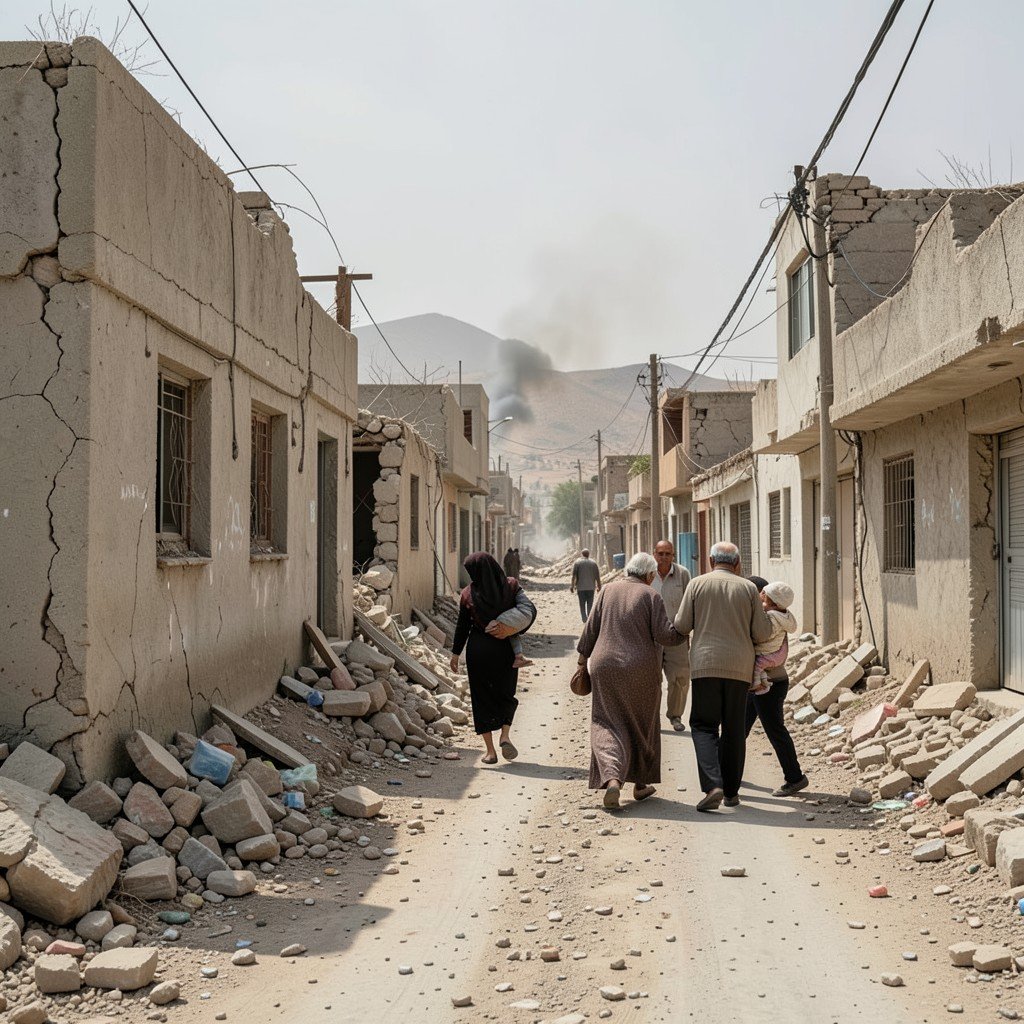
The United Nations said on Friday that nearly 46,000 people have been displaced since the latest escalation, though the figure is likely higher. The fall of Mocha, where the UN maintained a strong presence, has made it harder for aid agencies to reach those in need, according to Abdusattor Esoev, chief of the International Organization for Migration in Yemen.

Analyst Mohammed al-Basha of the Basha Report Risk Advisory predicted a protracted conflict, noting that political infighting within government forces is hindering the fight against the Houthis. He said air power alone would not be enough and that a larger Saudi operation would depend heavily on ground forces, while the United States is not expected to join the fighting directly.

MORE LIKE THIS

Comments (0)

Leave a comment

A verified Gmail account is required to post comments.

No comments yet. Be the first to share your thoughts!