

Yemen Airstrikes Hit Houthis in Major Taiz and Hodeidah Escalation
news

Yemen Airstrikes Hit Houthis in Major Taiz and Hodeidah Escalation

By Editorial TeamSep 5, 2026 · 4:06 PM4 min read
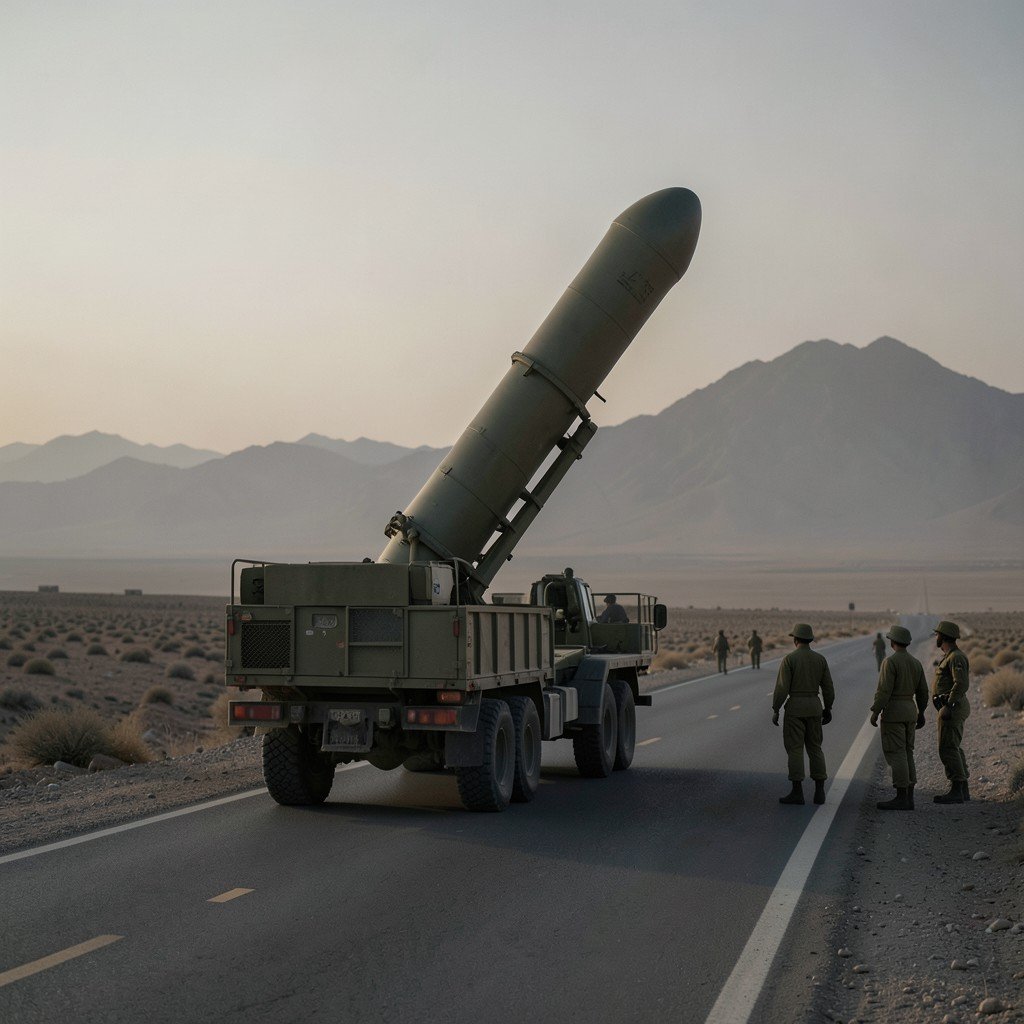
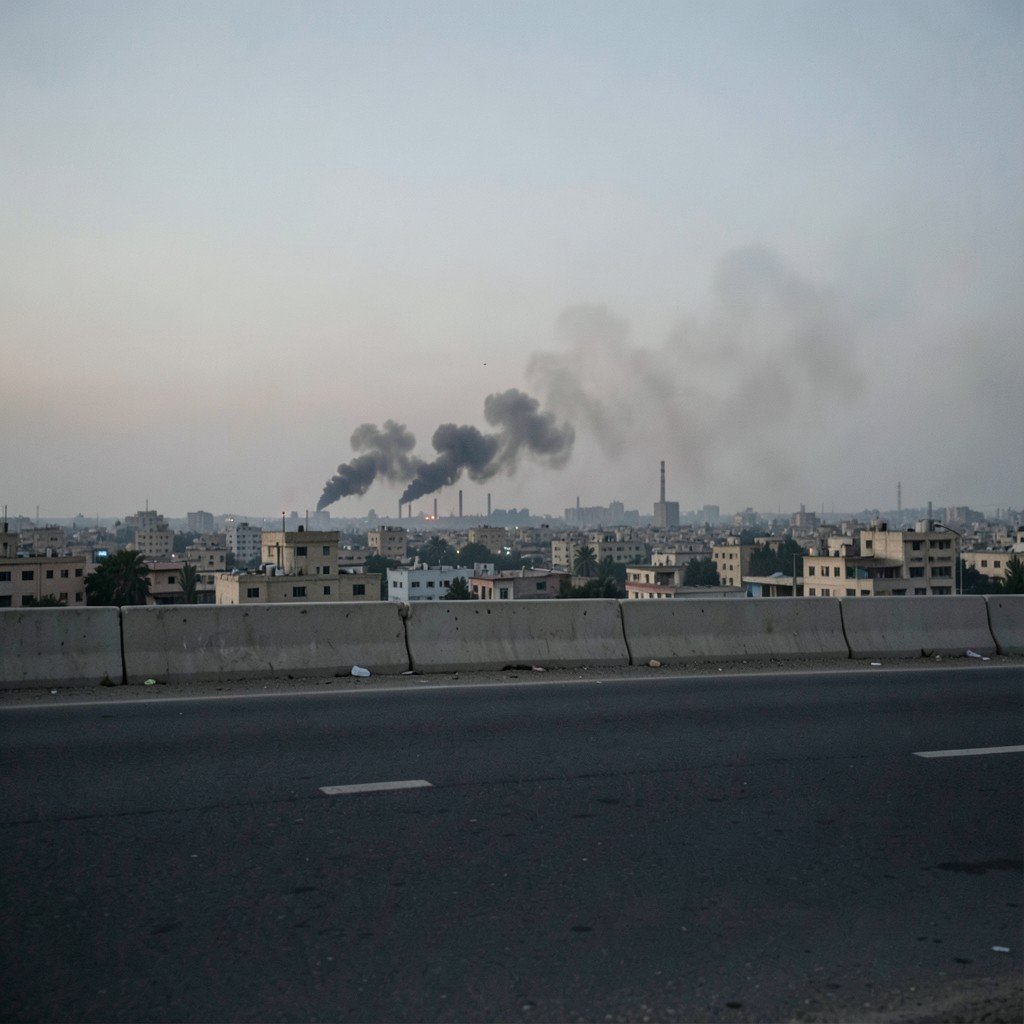
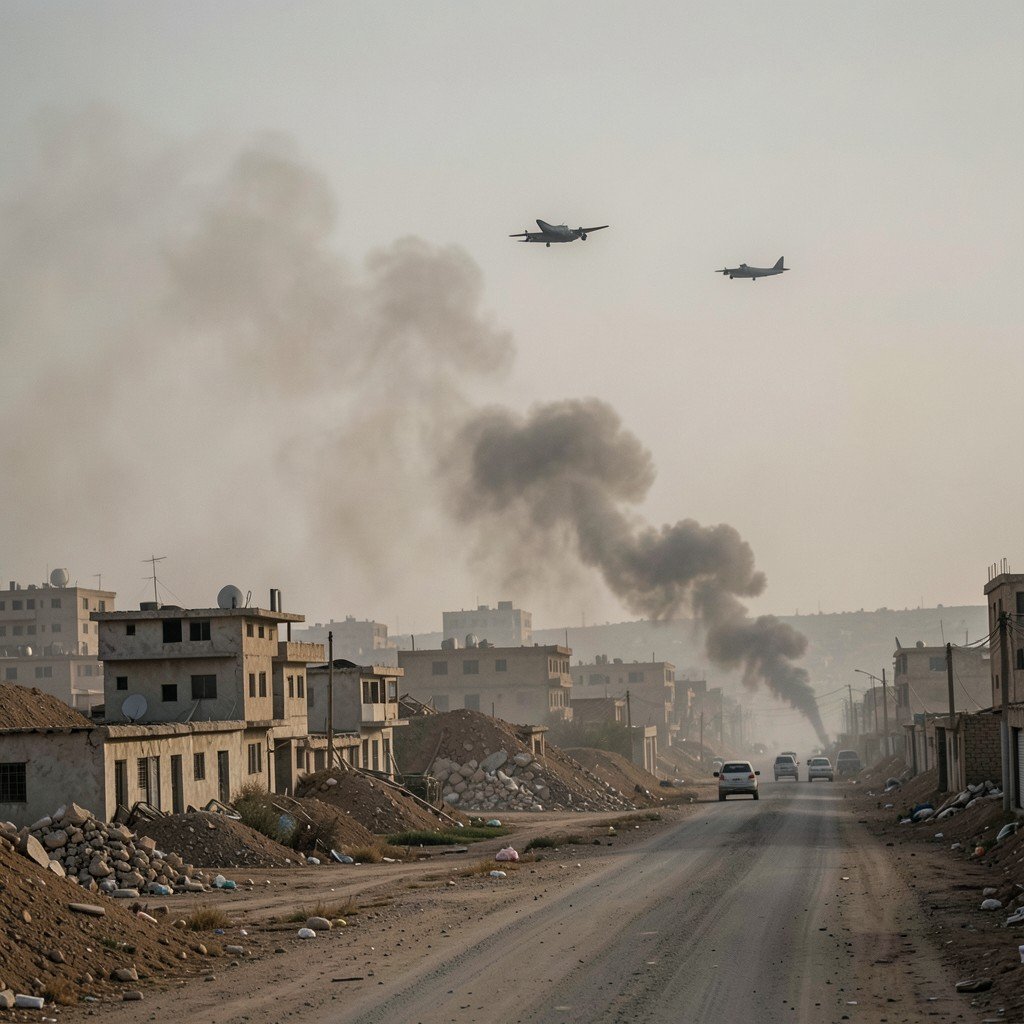
AI-generated representative image: smoke rises over a conflict-affected area amid reported airstrikes in western Yemen.
Editorial Team
Editorial Team
Government forces launch 15 strikes as fighting intensifies over the strategic Bab al-Mandeb Strait

Yemen's internationally recognised government has launched a series of air attacks against Houthi positions, marking a significant escalation in the country's conflict with some of the heaviest fighting since a fragile truce in 2022.

Government warplanes carried out at least 15 strikes on Friday against Houthi positions, gatherings and vehicles in the western provinces of Taiz and Hodeidah, according to the Yemeni military. The assault provided support to government forces fighting a major Houthi offensive towards the Red Sea coast and the strategic Bab al-Mandeb Strait.

The fighting holds consequences far beyond Yemen's borders. The Bab al-Mandeb Strait is one of the world's most important shipping routes, and any expansion of Houthi influence there could disrupt maritime traffic through the Red Sea at a time when regional tensions have already strained alternative passages.

The clashes also signal a shift in how the Yemeni government wages war, deploying its own depleted air force rather than relying on Saudi-led coalition aircraft that previously provided the bulk of aerial firepower.

Major Escalation on the Battlefield

Fighting erupted on Thursday as Houthi forces launched a major offensive along front lines in western Taiz and southern Hodeidah, using ballistic missiles, drones and artillery as ground forces attempted to advance towards government-held territory along the Red Sea coast. The fighting centred on areas west of Taiz and around al-Makha, a government-held port near the Bab al-Mandeb Strait.

More than 120 fighters have been killed since the offensive began, according to a tally compiled by the AFP news agency, making the clashes among Yemen's deadliest in years. Houthi forces made initial gains in western Taiz, capturing a strategic military base atop a mountain that provides an overview of the entire area, according to military officials from the internationally recognised government.

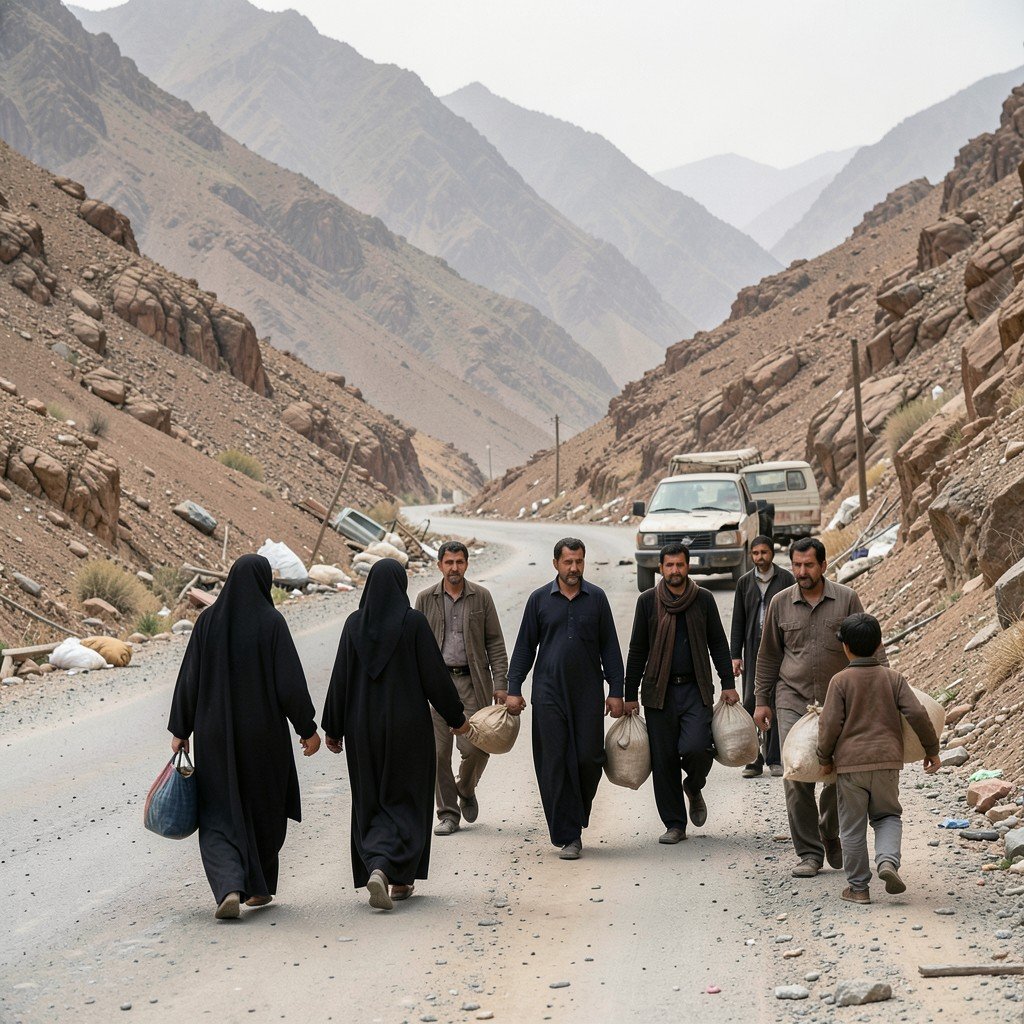
Civilian casualties have also mounted. Several civilians were reported killed after a ballistic missile hit a restaurant in the al-Makha area, according to government-run Saba TV. On Saturday, at least four civilians were killed and nine others injured in a Houthi missile strike targeting a gathering along the Heijah al-Abd Road south of Taiz city, according to the Saba news agency.
Background of the Conflict

The Houthis seized Yemen's capital, Sanaa, in September 2014 and subsequently took control of much of northern and western Yemen, prompting a Saudi-led coalition of Arab countries to intervene in support of the internationally recognised government in March 2015.

A United Nations-brokered truce in April 2022 sharply reduced fighting. Although the agreement formally expired six months later, large-scale hostilities remained relatively limited and Saudi Arabia pursued negotiations with the group. No comprehensive peace agreement followed, leaving front lines largely frozen rather than ending the conflict.

That fragile status quo came under increasing pressure after the United States and Israel launched their war against Iran on February 28. Tensions escalated further in July when government aircraft struck the runway at the Houthi-held Sanaa International Airport to prevent an Iranian aircraft from landing.

Air Power and Civilian Toll

The modern Yemeni Air Force was created after North and South Yemen unified in 1990, bringing together militaries equipped with Soviet and Western aircraft including MiG-21 and MiG-29 fighters, Su-22 fighter-bombers and US-made F-5 fighters. However, the force fractured during the 2014-2015 conflict, and Saudi-led coalition aircraft conducted tens of thousands of air raids between March 2015 and the 2022 truce.

That campaign caused extensive civilian casualties. Between 2014 and 2022, Human Rights Watch documented dozens of apparently unlawful coalition air attacks on homes, markets, hospitals, schools and other civilian sites. The US Pentagon disclosed earlier this year that US military attacks against Yemen's Houthis killed 153 civilians in 2025 and wounded another 243.

The conflict has caused a severe humanitarian crisis. In 2021, the UN estimated that 377,000 people had died in Yemen since 2014, with 60 percent the result of food shortages and lack of accessible health services.

What Lies Ahead

Mohammed al-Basha, a Yemeni American analyst and former spokesperson for Yemen's embassy in Washington, said the Houthis gained ground through the initial surprise and speed of their multi-axis assault, but much of that ground was subsequently recovered by government and allied forces.

Both sides are now reinforcing, and control of Jabal Numan, a mountain overlooking the Taiz-al-Makha road, remains a key immediate objective. Al-Basha said the coming hours will likely centre on attempts by anti-Houthi forces to recover the mountain, consolidate their lines and prevent another Houthi push towards the Taiz-al-Makha corridor.

MORE LIKE THIS

Comments (0)

Leave a comment

A verified Gmail account is required to post comments.

No comments yet. Be the first to share your thoughts!