

Yemen Counteroffensive: Forces Vow to Retake Sanaa from Houthis
news

Yemen Counteroffensive: Forces Vow to Retake Sanaa from Houthis

By Editorial TeamSep 8, 2026 · 7:33 AM4 min read
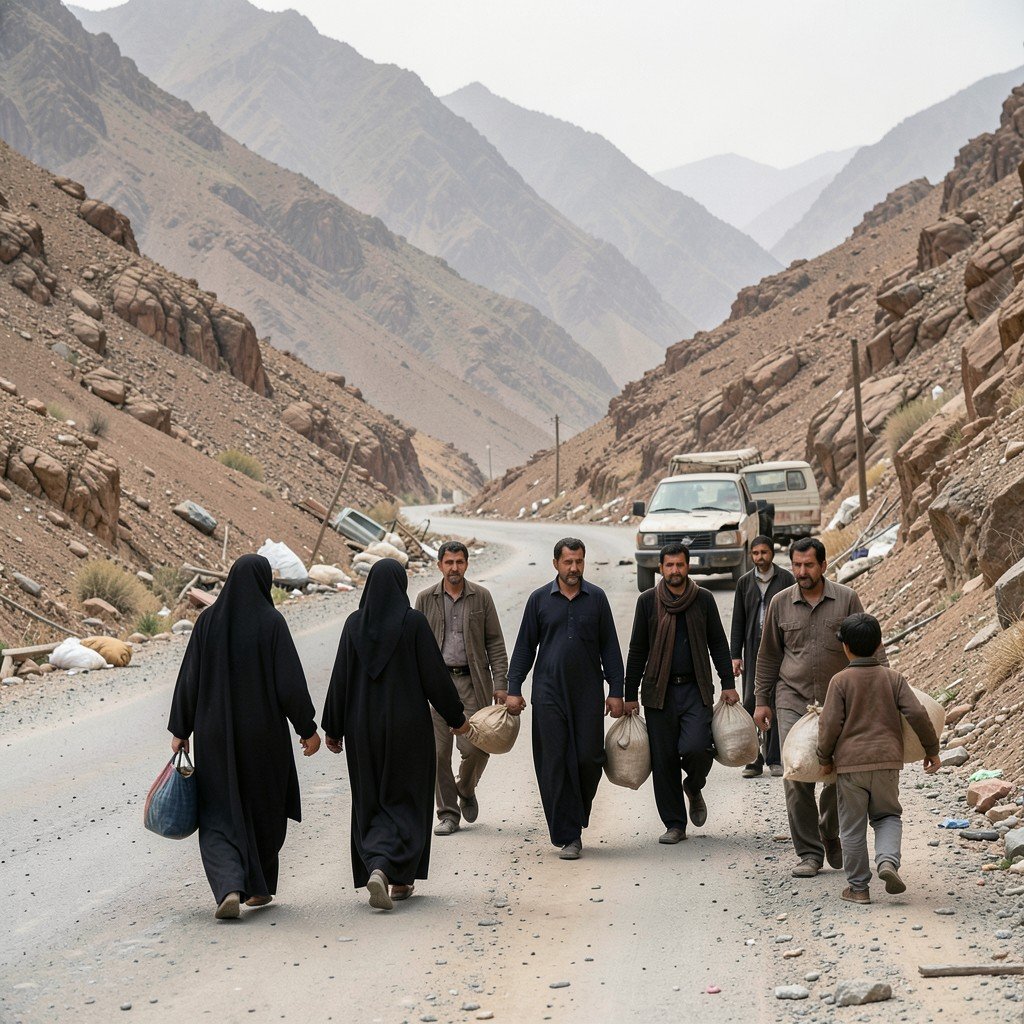
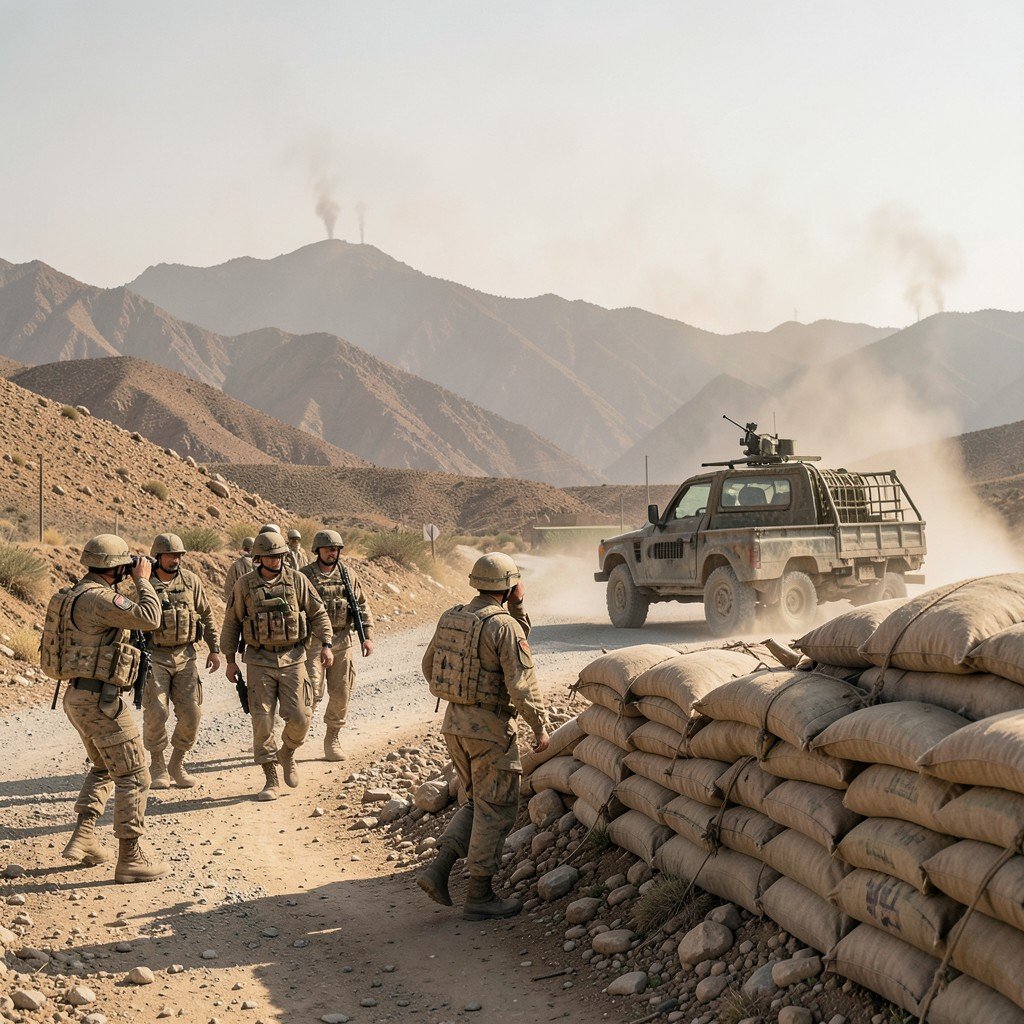
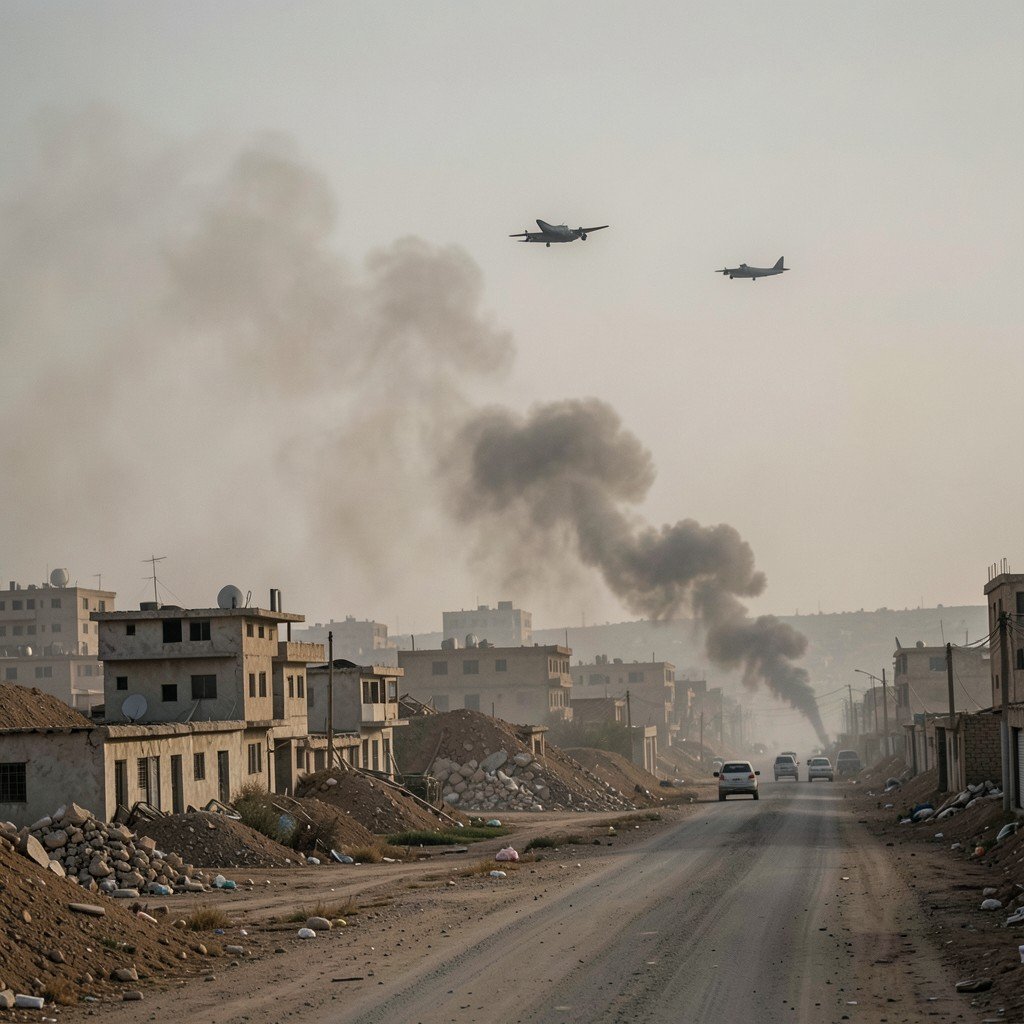
AI-generated representative image: Yemeni government-aligned forces advance through rugged terrain amid renewed fighting in al-Jawf province.
Editorial Team
Editorial Team
Fighting spreads across Taiz, al-Bayda and al-Jawf as Saudi-backed troops push toward the capital

Forces loyal to Yemen's internationally recognised government have launched counterattacks against Houthi rebels, with officials declaring their aim to recapture the capital, Sanaa, from the Iran-backed group. Fighting intensified on Monday in the provinces of Taiz, al-Bayda and al-Jawf, the latter regarded as the main gateway to the capital.

Government forces, backed by Saudi Arabia, claimed to have carried out rocket and drone strikes against Houthi positions and reported intensive battles involving ground troops, marking the most serious escalation since a United Nations-brokered truce halted large-scale fighting in 2022.

The renewed hostilities threaten to unravel years of fragile diplomacy and deepen a humanitarian crisis that has already displaced thousands of civilians. The capital Sanaa has remained under Houthi control since 2014, and any sustained push to retake it would reshape the balance of power in a conflict closely tied to regional tensions involving Iran, Saudi Arabia and the Red Sea shipping corridor.

Major Offensive Gains and Claims

Yemen's deputy defence minister, Major-General Samir Al-Sabri, said in remarks broadcast on state television that the government has decided to retake Sanaa. Majid al-Nuzaili, a spokesman for government-aligned forces, said the campaign's objective was to liberate Yemen from Houthi control and restore Sanaa as a capital for all Yemenis.

Rashad al-Alimi, head of Yemen's Saudi-backed Presidential Leadership Council, claimed sweeping gains on Monday, crediting government forces with advances in al-Jawf, al-Bayda, Taiz and Hodeidah. The media centre of government-aligned forces separately reported air attacks against Houthi positions west of Taiz and a ground offensive toward the al-Labanat mountains in al-Jawf, adding that forces had advanced to the outskirts of Dhi Na'im district in al-Bayda.

The Houthis said they repelled the large-scale advance toward the al-Labanat mountains. Mohammed al-Farah, a member of the Houthi political bureau, claimed dozens of government-aligned fighters were killed or wounded and that Houthi forces targeted reinforcements in al-Jawf with several ballistic missiles, destroying or damaging dozens of vehicles and armoured vehicles.
Background of the Conflict

The war in Yemen began in 2014 after the Houthis took Sanaa, prompting a Saudi-led military intervention the following year. Diplomats had hoped a United Nations-brokered truce would evolve into a durable political settlement, but those efforts faltered amid regional tensions triggered by the United States and Israel's war on Iran.

Fighting resumed in July, when government forces struck the Houthi-controlled airport in Sanaa, blocking the landing of an aircraft from Iran. Last week, the Houthis launched a major offensive, attempting to advance through western Taiz and southern Hodeidah toward the port city of al-Makha and the Bab al-Mandeb Strait in the Red Sea.

The Houthis had declared a blockade against Saudi vessels transiting the waterway, a vital corridor for shipping between the Red Sea and the Gulf of Aden. The strait has gained new significance for Saudi oil exports since Iran began restricting passage through the Strait of Hormuz at the outset of the US and Israel's war on the country.

Casualty Figures and Official Statements

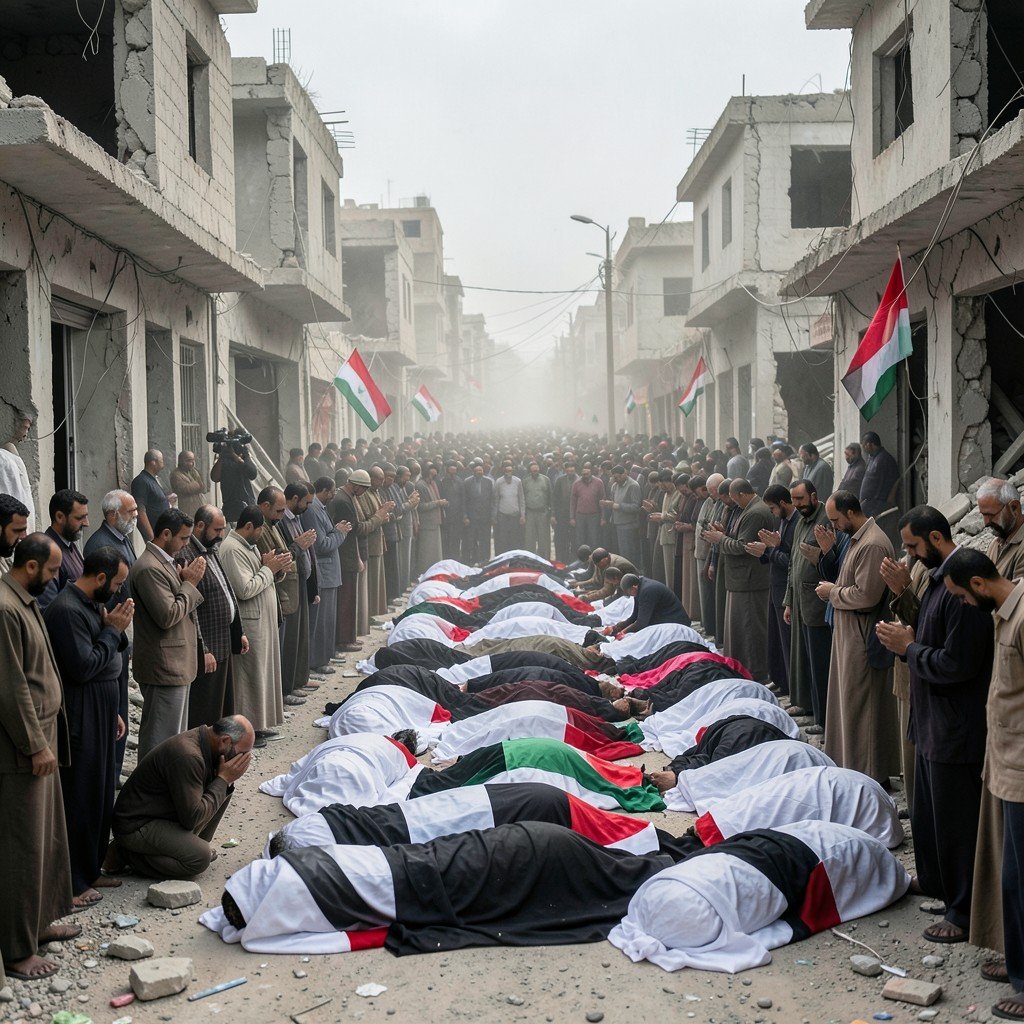
The World Health Organization said on Monday that at least 728 people have been killed or wounded since August 23, with the majority in Taiz and along the western coast. An estimated 21,000 people, roughly 3,000 families, have been displaced from Taiz alone since Thursday, and the casualty count is expected to rise as it does not include Monday's figures.

The Houthis said at least seven people were killed in an air strike on a prison in the town of al-Hazm, blaming Riyadh and warning that the aggression would not go unpunished. Saudi Arabia, meanwhile, accused the Houthis of wounding at least 73 civilians, including women and children, in recent attacks on the kingdom's southern provinces, and promised a response to what it called a dangerous escalation.

Al-Alimi accused the Houthis of choosing escalation over peace, warning that the group would bear full responsibility for the consequences of its actions. Voice of Urdu could not independently verify the battlefield claims made by either the Houthis or the Yemeni government.

What Lies Ahead

The fighting, initially concentrated west of Taiz and south of Hodeidah, has now spread to the provinces of al-Dhalea, Marib, al-Jawf and al-Bayda. Al-Jawf is strategically important because it borders Saudi Arabia and connects toward the Houthi stronghold of Saada, while al-Bayda lies at Yemen's centre and connects eight governorates.

Government-aligned forces have warned civilians to avoid major roads leading into Sanaa, including routes through Nihm, Sirwah, Mahliyah and al-Hazm. Additional confirmation of battlefield outcomes remains awaited as both sides continue to report conflicting claims.

MORE LIKE THIS

Comments (0)

Leave a comment

A verified Gmail account is required to post comments.

No comments yet. Be the first to share your thoughts!