

US Diesel Prices Hit Record $6.16 Per Gallon Nationwide
news

US Diesel Prices Hit Record $6.16 Per Gallon Nationwide

By Editorial TeamSep 13, 2026 · 8:29 PM3 min read
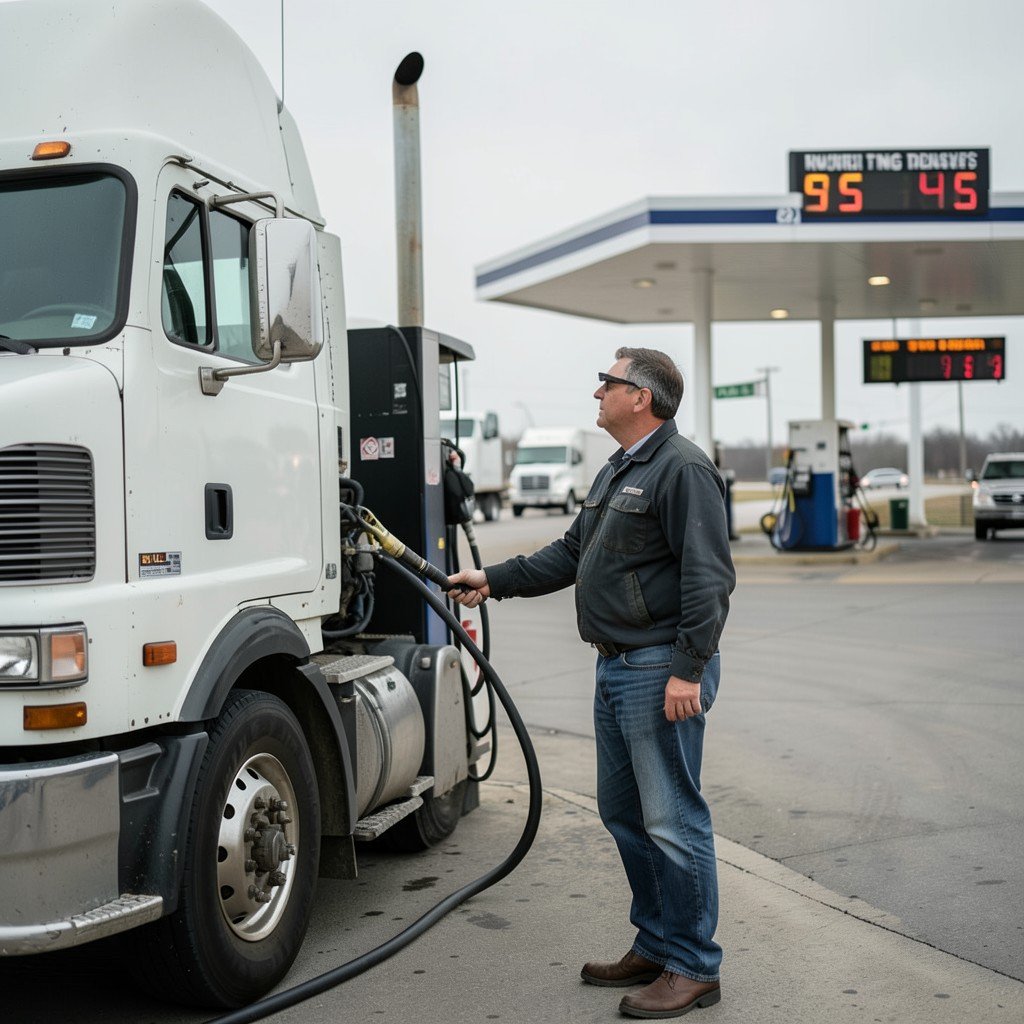
AI-generated representative image: A truck refuels with diesel at a US gas station as record fuel prices strain the trucking industry.
Editorial Team
Editorial Team
Record fuel costs pressure trucking, groceries, and consumers across the supply chain

Diesel prices in the United States have climbed to a record $6.16 per gallon, marking an all-time high and a dramatic increase from the $3.70 per gallon recorded one year ago. The surge was confirmed in reports published Saturday, with gas stations throughout Indianapolis selling diesel for more than $6 a gallon.

Just 30 days earlier, a gallon of diesel was priced at $5.38, underscoring how quickly costs have accelerated for drivers and businesses that depend on the fuel.

The rise carries broad economic consequences because diesel powers the trucks, farm equipment, and distribution networks that move goods across the country. Unlike gasoline, where prices have remained comparatively low in some states, diesel costs have not spared Indiana or its capital city.

Truck drivers, grocers, and everyday shoppers are among those most directly exposed to the increase, with the effects expected to ripple through food prices and other consumer goods.

Record Pricing and Local Impact

  • Diesel reached $6.16 per gallon nationally, an all-time high.
  • The price one year ago was $3.70 per gallon, according to WRTV.
  • Thirty days ago, diesel was priced at $5.38 per gallon.
  • Indianapolis gas stations sold diesel above $6 per gallon on Saturday.

Drivers described the strain in practical terms. Jaskeerat Sidhu, a local truck driver, said he must refuel daily, filling 100 to 200 gallons of diesel each day. Todd Hughes, another driver, said the high prices affect him severely and that costs remain elevated most of the time.


Why the Price Spike Matters

Diesel is central to freight transportation and agriculture, meaning its cost feeds directly into the broader economy. Perishable foods such as meat and produce are among the most immediately affected because they must be hauled and restocked frequently, and may be harvested using diesel-powered farm equipment.

Fuel represents roughly 15% to 30% of the total cost of food, according to the Independent Grocers Alliance, a grouping of 7,500 global supermarkets. As a result, higher diesel costs often translate into more expensive groceries, although energy shocks can take time to move through the supply chain, the Associated Press reported.

Voices From the Road

Truck drivers emphasized their role in keeping goods moving. "We're the ones that bring materials to places. Without us, what do you have?" Hughes said. Sidhu described the daily routine of refueling as a constant financial burden under current prices.

The frustration among drivers reflects a longer-term concern: a constrained supply environment could keep diesel prices elevated, with the possibility of further increases ahead. The record price follows a year in which diesel costs have risen sharply rather than stabilizing.

What Lies Ahead

The current situation points to a prolonged period of constrained supply and potentially higher diesel prices. While the full effect on grocery prices may take time to materialize, shoppers are likely to feel continued sticker shock as fuel costs work through the supply chain.

No official timeline has been confirmed for when prices might ease, and additional information on supply conditions remains awaited.

MORE LIKE THIS

Comments (0)

Leave a comment

A verified Gmail account is required to post comments.

No comments yet. Be the first to share your thoughts!