

Algeria Severs Diplomatic Ties With UAE Over North Africa Rivalry
news

Algeria Severs Diplomatic Ties With UAE Over North Africa Rivalry

By Editorial TeamSep 13, 2026 · 8:28 PM3 min read
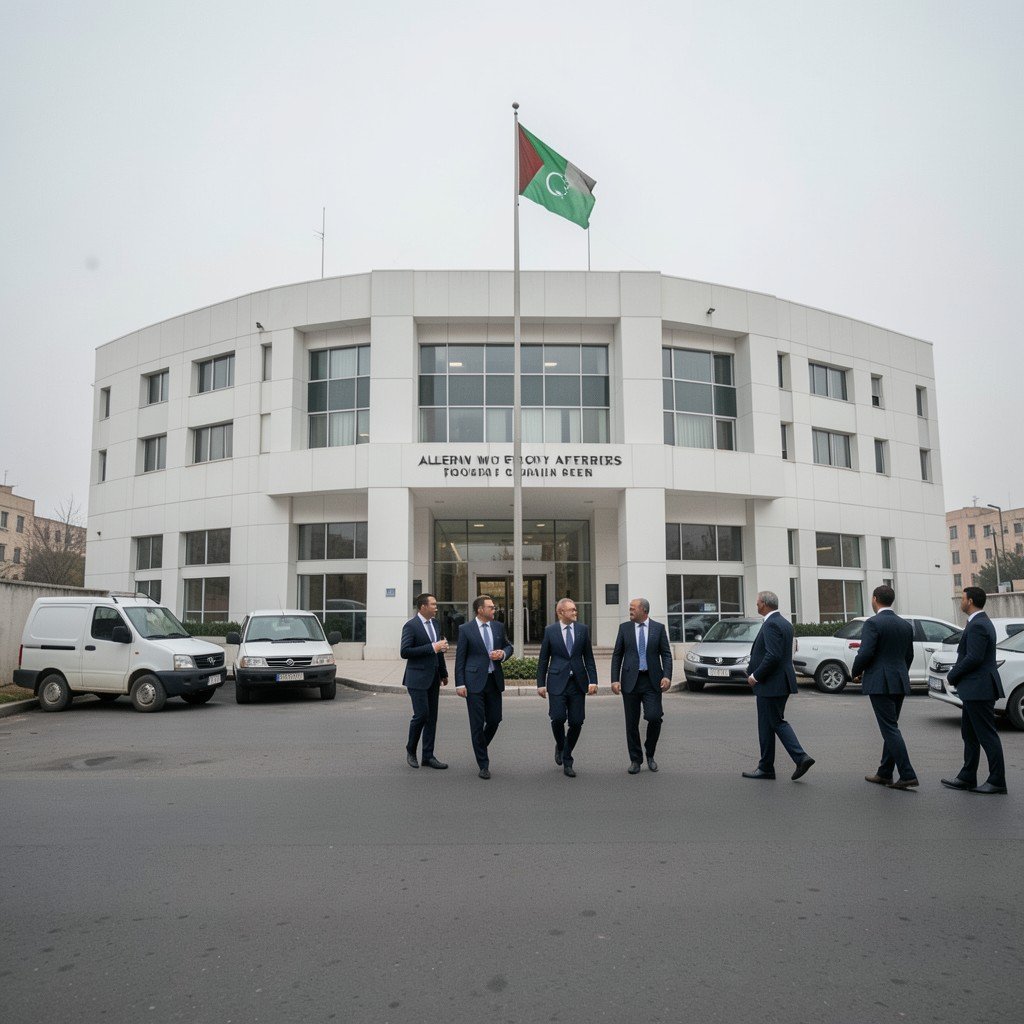
AI-generated representative image: The Algerian Ministry of Foreign Affairs building in Algiers, symbolizing the diplomatic break with the UAE.
Editorial Team
Editorial Team
Western Sahara, Libya and Sahel disputes push Algiers-Abu Dhabi relations to breaking point

Algeria has severed diplomatic relations with the United Arab Emirates, summoning the UAE ambassador and giving him 48 hours to leave the country. In an official statement, Algerian authorities accused Abu Dhabi of increasingly frequent "provocative and hostile actions," adding that all "efforts to preserve bilateral ties had been exhausted." No specific triggering incident was cited.

The rupture formalizes a conflict that has been building for months and reflects a wider realignment across North Africa. Algeria and the UAE have found themselves on opposing sides of several regional disputes, from Western Sahara to Libya and the Sahel. The decision signals that Algiers is now willing to absorb economic costs in pursuit of what it frames as core national security interests.

Immediate Diplomatic and Airspace Measures

The first practical consequence of the break was the closure of Algerian airspace to UAE civil and military aircraft, effective September 11. A temporary exception remains for commercial flights to and from Algiers' Houari Boumediene Airport, which may continue operating until the end of 2026, when the air services agreement signed in 2013 expires.

The UAE has expressed hope that the rupture will be temporary. Anwar Gargash, an advisor to the UAE president, said without directly naming Algeria that diplomacy should be based on clear interests rather than "riddles and signals requiring decoding."
A Partnership That Soured

Diplomatic relations between the two Arab nations were established in 1974 and developed for decades without major crises. In 2015, UAE Foreign Minister Abdullah bin Zayed described Algeria as one of the UAE's most important partners. As recently as February 2023, the two sides intended to elevate their relationship to a strategic partnership. Non-oil trade turnover stood at approximately $800 million, while UAE investments in Algeria were valued at $600 million.

However, economic and political interests increasingly diverged. Algeria traditionally prioritizes non-interference and the preservation of existing borders, while the UAE combines investments in ports and infrastructure with military cooperation and support for certain forces. From Algeria's perspective, such activity became alarming when directed at countries vital to its own security.

Regional Fault Lines Behind the Rift

Morocco lies at the heart of the conflict. Algeria and Morocco have been at odds for decades over Western Sahara, with Algiers backing the Polisario Front's demand for self-determination. The UAE made its position clear in November 2020 by becoming the first Arab state to open a consulate general in Laayoune, in the Moroccan-controlled part of the territory. That same year, both the UAE and Morocco normalized relations with Israel under the Abraham Accords.

Algeria's grievances also extend to Libya and the Sahel. The UAE has long been a key backer of Khalifa Haftar, whose forces control eastern Libya and much of southern Fezzan, a province bordering Algeria. Additionally, Algerian government-affiliated media have accused the UAE of ties to the Movement for the Self-Determination of Kabylia, an organization designated as terrorist by Algerian authorities. No public evidence of UAE funding has been presented.

What Comes Next

In February 2026, Algeria had already initiated the process of cancelling the air services agreement with the UAE, making a full rupture appear inevitable. The recall of the ambassador has now made the longstanding conflict official. The economic impact is expected to be significant but not critical, as neither side is indispensable to the other. A narrow air corridor will remain open until the end of the year, but the era of developing trade independently of regional rivalries appears to be over.

MORE LIKE THIS

Comments (0)

Leave a comment

A verified Gmail account is required to post comments.

No comments yet. Be the first to share your thoughts!