

UK Bans West Bank Settlement Imports and Tightens Israel Arms Rules
news

UK Bans West Bank Settlement Imports and Tightens Israel Arms Rules

By Editorial TeamSep 8, 2026 · 5:21 PM4 min read
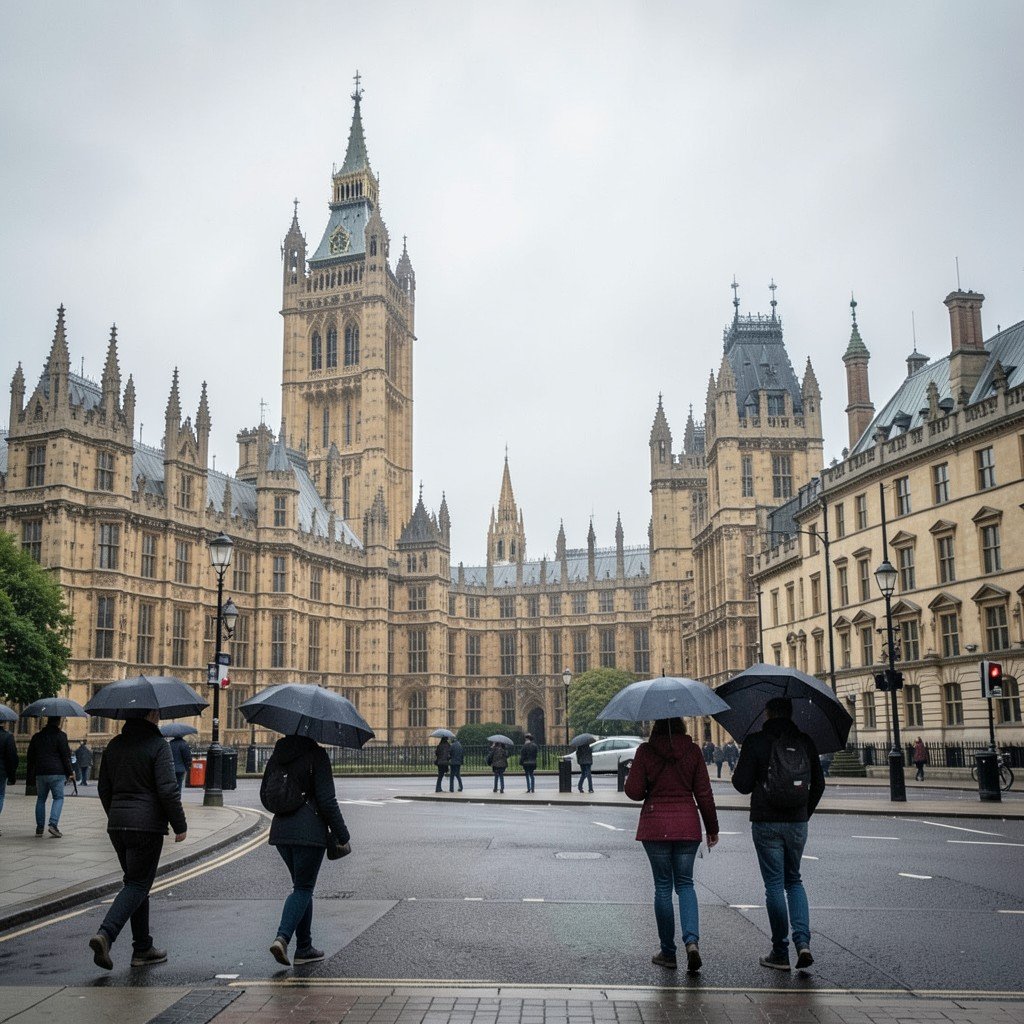
AI-generated representative image: The Palace of Westminster in London, where the UK government announced new trade restrictions on Israeli settlements in the W
Editorial Team
Editorial Team
Ed Miliband unveils sweeping trade sanctions and arms restrictions in Parliament, drawing swift Israeli counter measures

The United Kingdom has announced a ban on the import of all goods produced by Israeli settlements in the occupied West Bank, marking the country's most significant policy shift since London's recognition of Palestinian statehood last year.

Speaking in Parliament on Tuesday, Foreign Secretary Ed Miliband accused Israel of carrying out "ethnic cleansing" in Palestine, affirmed that the settlements are "unlawful" under official UK policy, and announced tougher new restrictions on arms sales to Israel.

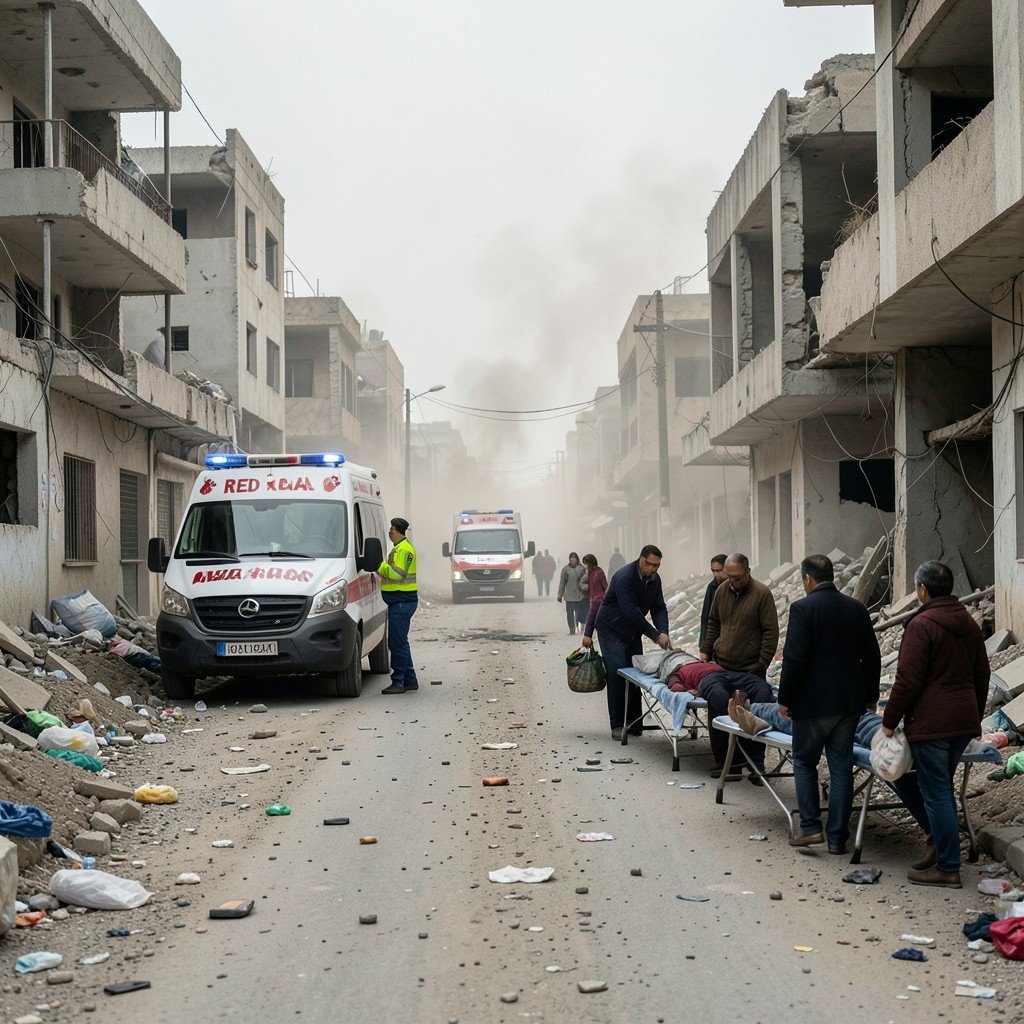
The measures arrive amid an intensifying wave of Israeli settler violence against Palestinian communities in the West Bank and controversial settlement expansions. Following Miliband's speech, 12 countries issued a joint statement supporting a two-state solution and signalling their own intentions to restrict trade with illegal Israeli settlements.

The announcement carries immediate diplomatic consequences, with Israel responding through reciprocal restrictions on British officials and institutions.

What the UK is banning

The new restrictions target settlement activity specifically, not Israel itself. The confirmed measures include:

  • A ban on importing all goods from illegal Israeli settlements in the West Bank.
  • Sanctions on organisations, businesses and individuals providing construction, infrastructure, financing or real estate services for settlement expansion.
  • A total ban on UK advertising for the sale of properties in illegal West Bank settlements.
  • Sanctions against extremist settlers who have supported or incited violence against Palestinians.
  • Refusal of all new export licences for weapons and other exports that "materially contribute to the occupation", remaining in place as long as the occupation persists.

Products and services originating from Israel itself remain exempt. Miliband said the UK has already suspended more than 30 arms licences used by the Israeli army in Gaza.
Background to the policy shift

The UK has long sought to distinguish between goods imported from Israel and those from settlements, which do not receive preferential tariffs under the free trade agreement. Importers claiming preferential tariffs must provide customs documentation showing goods were not produced in territory brought under Israeli administration since June 1967.

Guidelines also require products from Israeli settlements to be labelled accordingly, although concerns persist about goods from occupied Palestinian territory being mislabelled as "produced in Israel". In May 2025, the UK suspended negotiations to modernise the trade agreement covering digital trade and other areas.

Trade between the UK and Israel totalled 6 billion pounds ($8.1bn) in 2025, according to the House of Commons. An estimated 38 million pounds ($51.4m) worth of goods was imported from the occupied territory in the same year, meaning settlement products represent less than 1 percent of total UK-Israel trade.

Official statements and international reaction

Miliband described the changes as a "comprehensive reset" of UK policy, saying the sanctions regime "will target illegal settlements and settlement expansion, not Israel". He also announced an extension of the global human rights regime to deter settlement expansion, including efforts to prevent development of the E1 project, which he said would divide the Palestinian territory in two.

Israel's Foreign Minister Gideon Saar announced counter measures, including closing the British Consulate in Jerusalem, removing UK representatives from the International Gaza Support Center in Kiryat Gat, terminating British training of Palestinian Authority forces, and banning 12 British MPs from entering Israel. Saar accused the UK of trying to interfere in Israel's October election.

US Secretary of State Marco Rubio said Washington would not follow the UK's lead, while US Ambassador to Israel Mike Huckabee accused the British government of "Jew hate" and claimed 25 percent of UK pharmaceuticals are produced in Israel.

What happens next

Palestine's Ambassador to the UK Husam Zomlot called the decision "long overdue" but a "turning point in UK-Palestine relations". Human Rights Watch and Amnesty International UK also welcomed the measures, while the Jewish Leadership Council and Chief Rabbi Ephraim Mirvis criticised the move as placing an "increased target on British Jews".

Advocates say implementation will be crucial, with calls to ensure settlement products are not mislabelled and to extend restrictions to investments and financial services. Miliband confirmed the export ban will remain in place as long as the occupation persists, but details on enforcement timelines have not yet been fully outlined.

MORE LIKE THIS

Comments (0)

Leave a comment

A verified Gmail account is required to post comments.

No comments yet. Be the first to share your thoughts!