

US Midterms Loom as Pivotal Moment in Iran War Strategy
news

US Midterms Loom as Pivotal Moment in Iran War Strategy

By Editorial TeamSep 4, 2026 · 2:19 PM4 min read
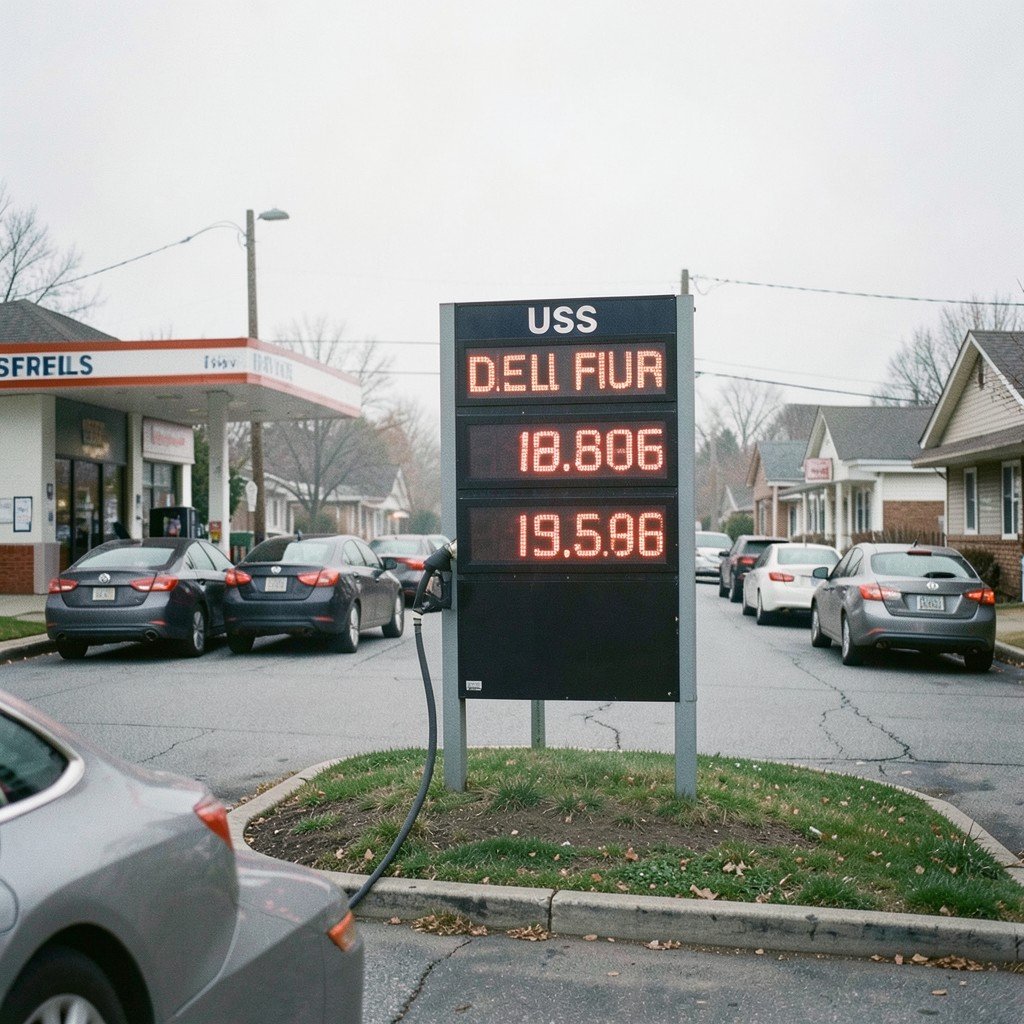
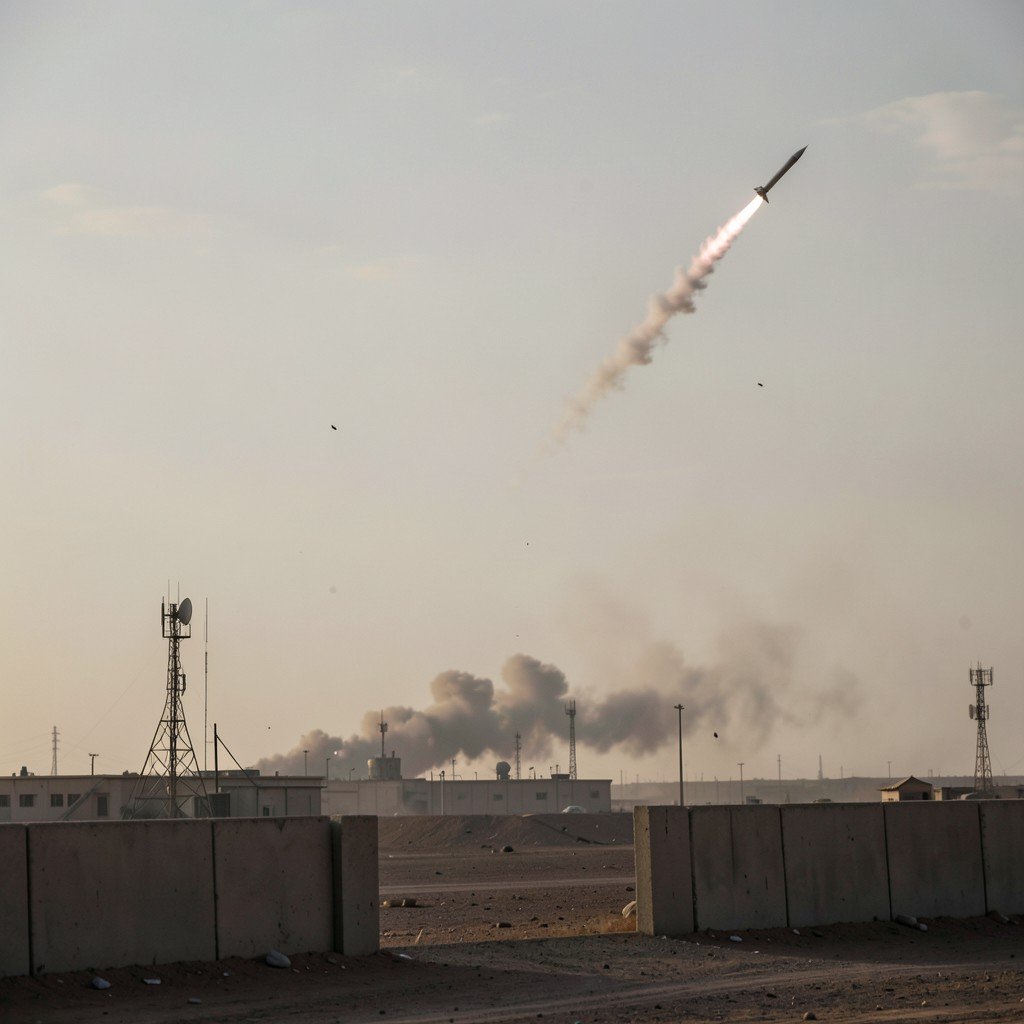
AI-generated representative image. Rising US fuel prices have become a central issue ahead of the November midterm elections amid the Iran conflict.
Editorial Team
Editorial Team
Trump advisers race to avert all-out conflict with Iran before the November 3 vote

As the United States and Iran exchanged attacks this week, senior advisers to President Donald Trump are working to prevent the conflict from escalating into all-out war before the US midterm elections on November 3, when Republicans will defend narrow majorities in both houses of Congress.

The war, launched by the US and Israel with strikes on Iran on February 28, has become increasingly unpopular at home, with rising fuel prices and public opposition threatening to become political liabilities for Republicans ahead of the vote.

The midterms will determine whether the Republican Party can retain its narrow control of Congress. If the war escalates again before polling day, it could persuade more voters to turn against the Trump administration, making containment of the fighting a central political calculation for the White House.

The stakes extend beyond Washington, as Tehran may see advantage in escalating now, while Trump is at his most politically vulnerable.

Shifting Strategy Between Restraint and Strikes

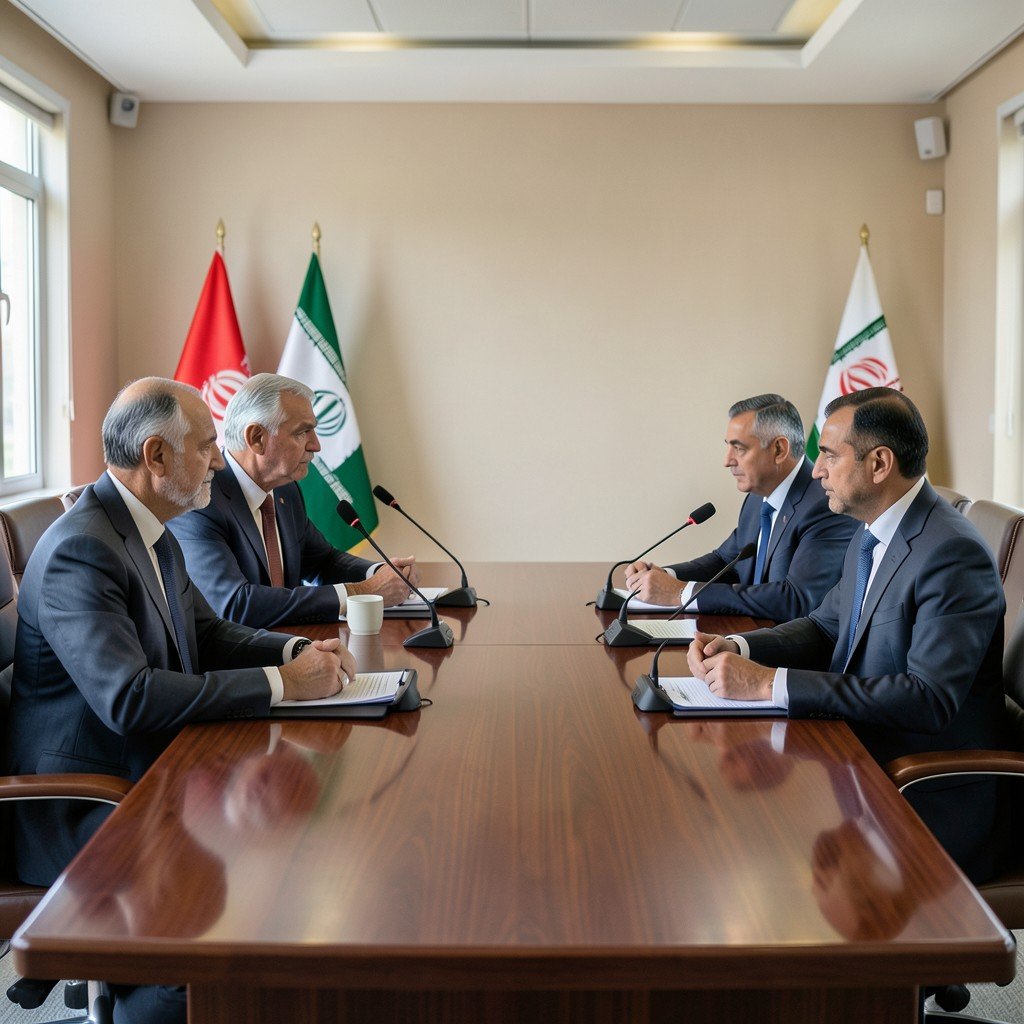
Washington has turned toward economic pressure on Iran instead of military force. In August, the Trump administration announced its so-called Economic D-Day, imposing sanctions on 60 entities it says facilitate oil revenues for trade with Iran and threatening secondary sanctions against countries doing business with Tehran.

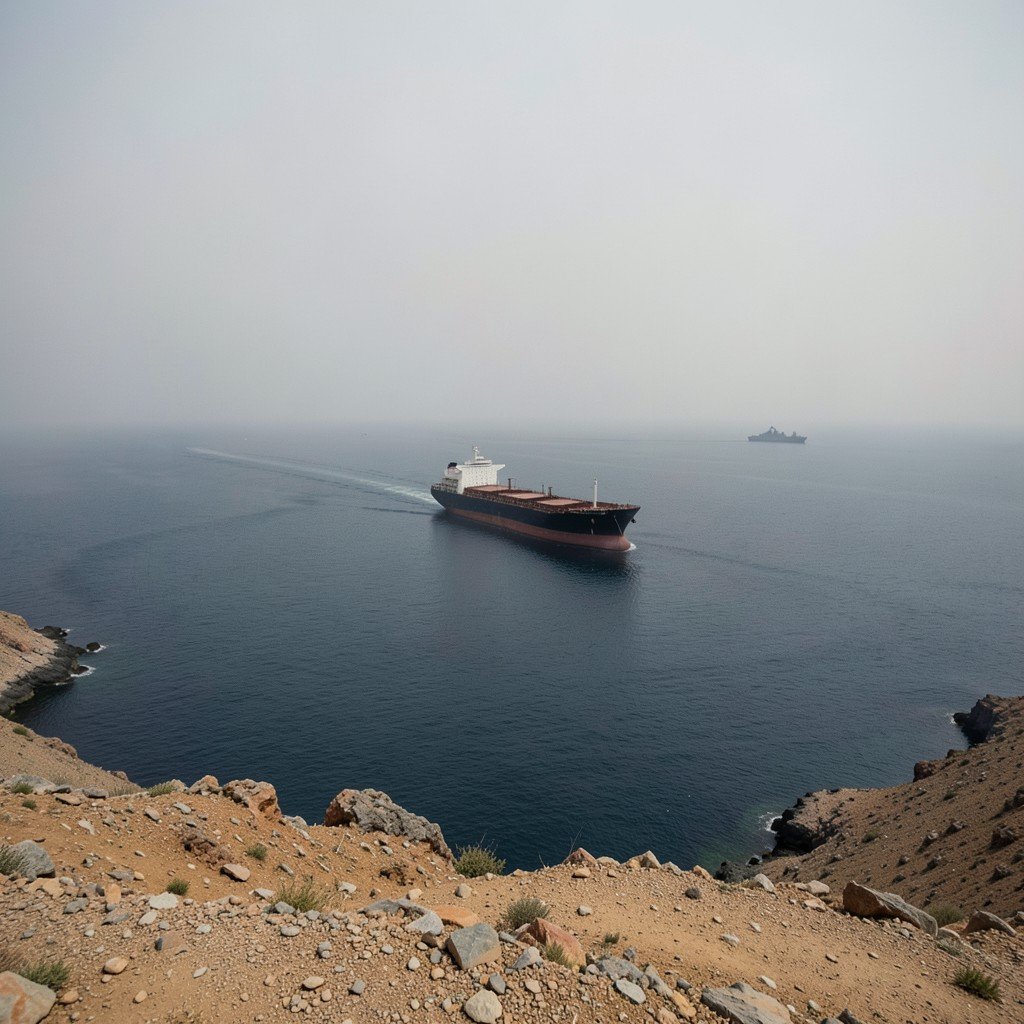
The US naval blockade of Iranian ports in and around the Strait of Hormuz continues to exert pressure on Tehran's oil exports. Yet US forces have continued to strike Iran in recent days, and Vice President JD Vance said this week that "everything that could happen is on the table," including economic, military, diplomatic and covert pressure.
A War That Outlasted Early Predictions

In early March, Trump insisted the war would last "four or five weeks." Instead, the conflict has dragged on, and unexpected consequences, including Iran's closure of the Strait of Hormuz causing energy prices to spike, have made it even more unpopular with US households.

US diesel prices hit a record high on Thursday, surpassing the previous peak recorded in 2022, as higher crude oil prices and refining bottlenecks drove up the cost of a fuel that underpins much of the US economy. A late-August Reuters/Ipsos poll suggested just 31 percent of Americans support the war, compared with 63 percent who oppose it, while Trump's approval rating has fallen from 40 percent to 33 percent since the outbreak of hostilities.

The economic fallout has not stopped at the petrol pump. Sustained increases in fuel and transport costs feed into the price of groceries, manufactured goods and other everyday purchases, potentially worsening inflation as Democrats make the cost of living a defining midterm issue.

Official Statements and On-the-Ground Reports

Senior administration officials have sought to downplay the scale of the military confrontation. Asked at a White House briefing whether the Iran war would be resolved before the midterms, Vice President JD Vance said he "wouldn't call it a war" and claimed there was "no active shooting right now." Asked when Iran would stop attacking commercial shipping, he replied, "You would have to ask the Iranians."

The US claims it is escorting about 30 ships per night through the Strait of Hormuz, with officials saying some 18 million barrels of oil were transported through on Tuesday. However, shipping data does not appear to fully support this claim. One US attack this week is also believed to have hit a civilian home where a wedding was taking place in Kuhestak, southern Iran, killing at least four people, including children, and wounding dozens.

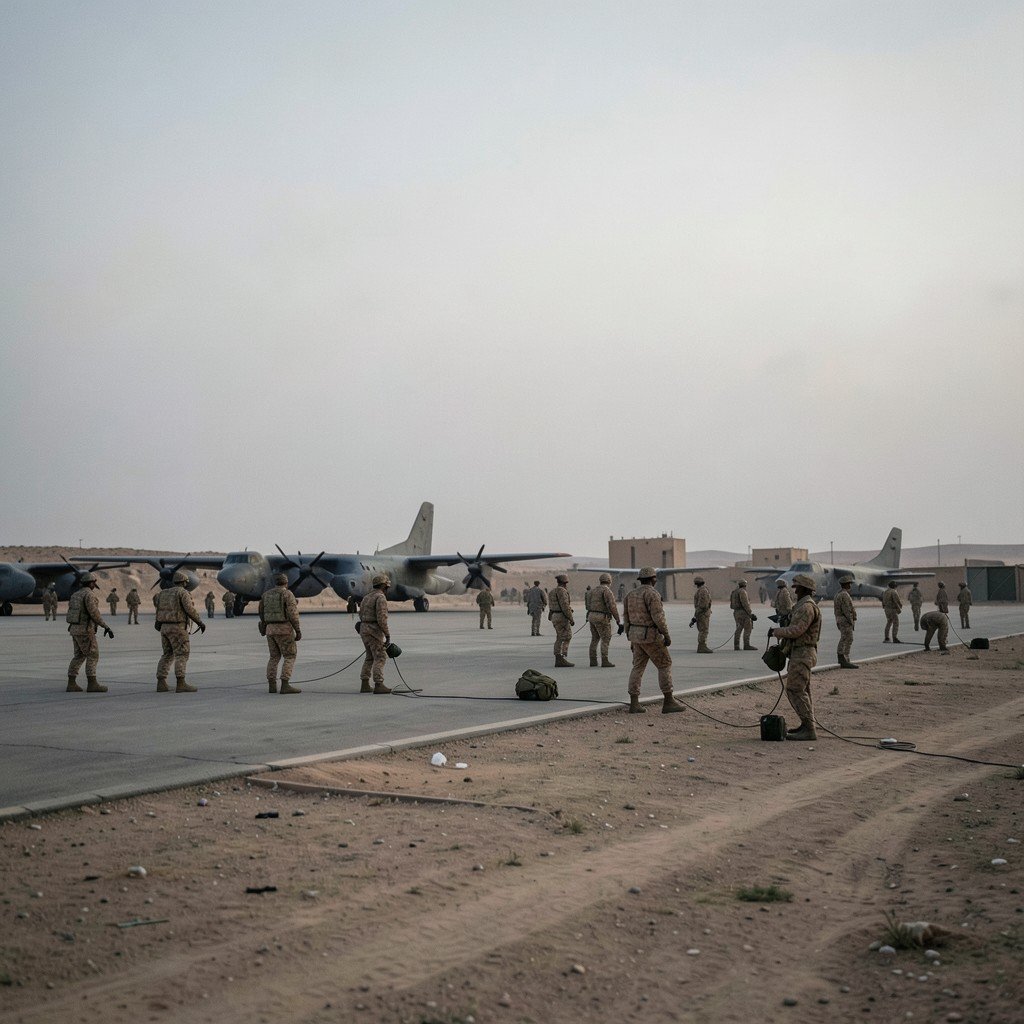
The Washington Post reported that senior Army, Navy and Air Force leaders warned Pentagon chief Pete Hegseth in a written assessment that continuing the war at its current pace is unsustainable and risks undermining US military readiness elsewhere.

What Happens After November

Reuters reported that senior White House officials are already considering whether to intensify military operations against Iran after the November 3 vote, although no decision has been made on returning to full-scale conflict. A Republican victory could give Trump greater political room for escalation, while a defeat may constrain the administration through congressional control of funding.

Analysts caution that the outcome remains uncertain, with the risk of an escalatory cycle persisting regardless of the White House's electoral calculations.

MORE LIKE THIS

Comments (0)

Leave a comment

A verified Gmail account is required to post comments.

No comments yet. Be the first to share your thoughts!