

Iran Permits Iraqi Oil Tankers Through Strait of Hormuz
news

Iran Permits Iraqi Oil Tankers Through Strait of Hormuz

By Editorial TeamAug 23, 2026 · 6:32 AM3 min read
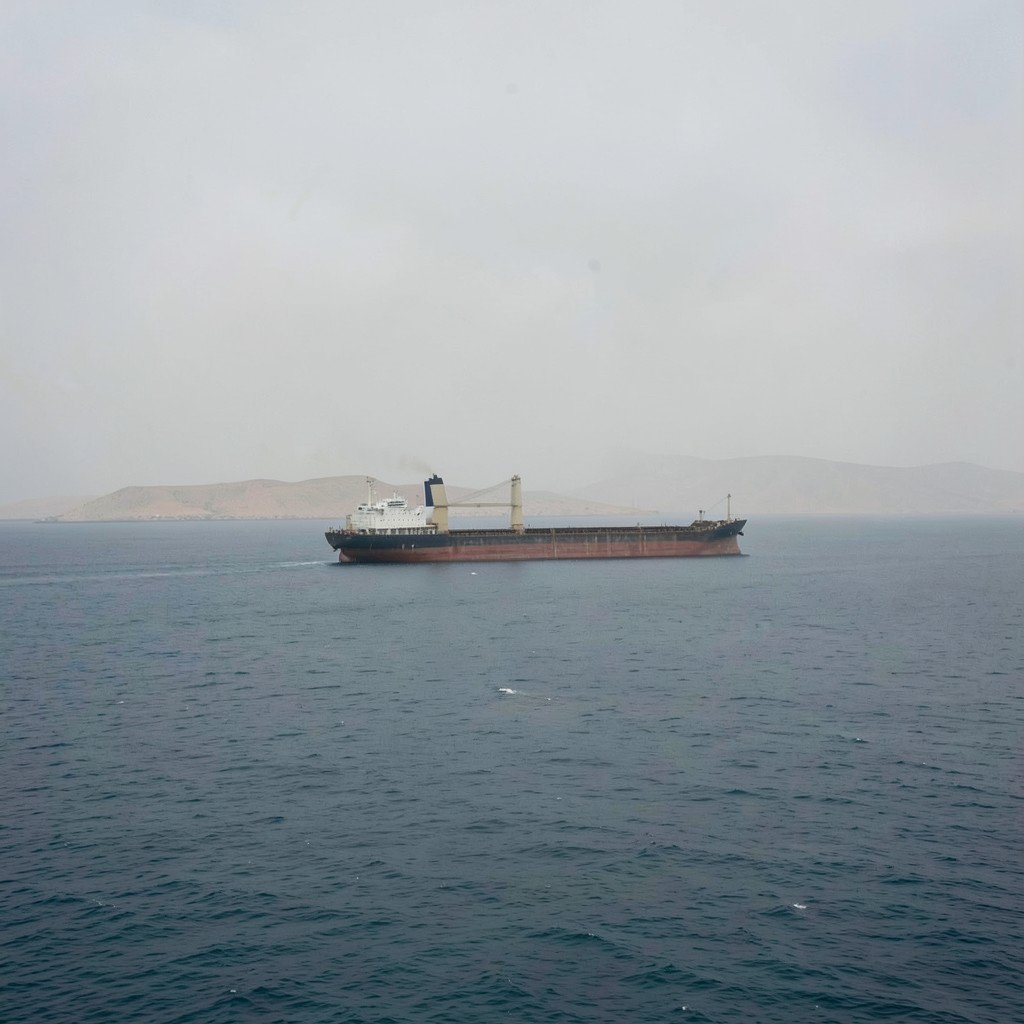
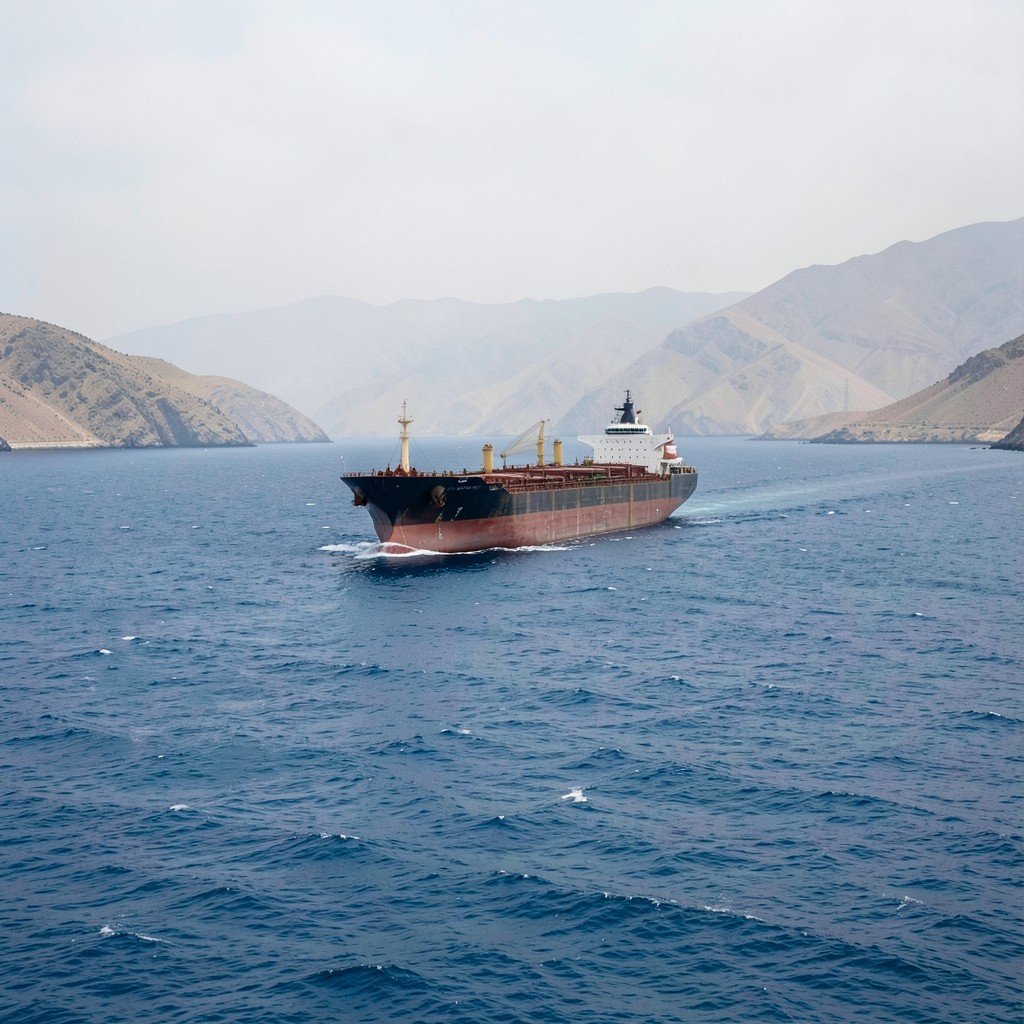
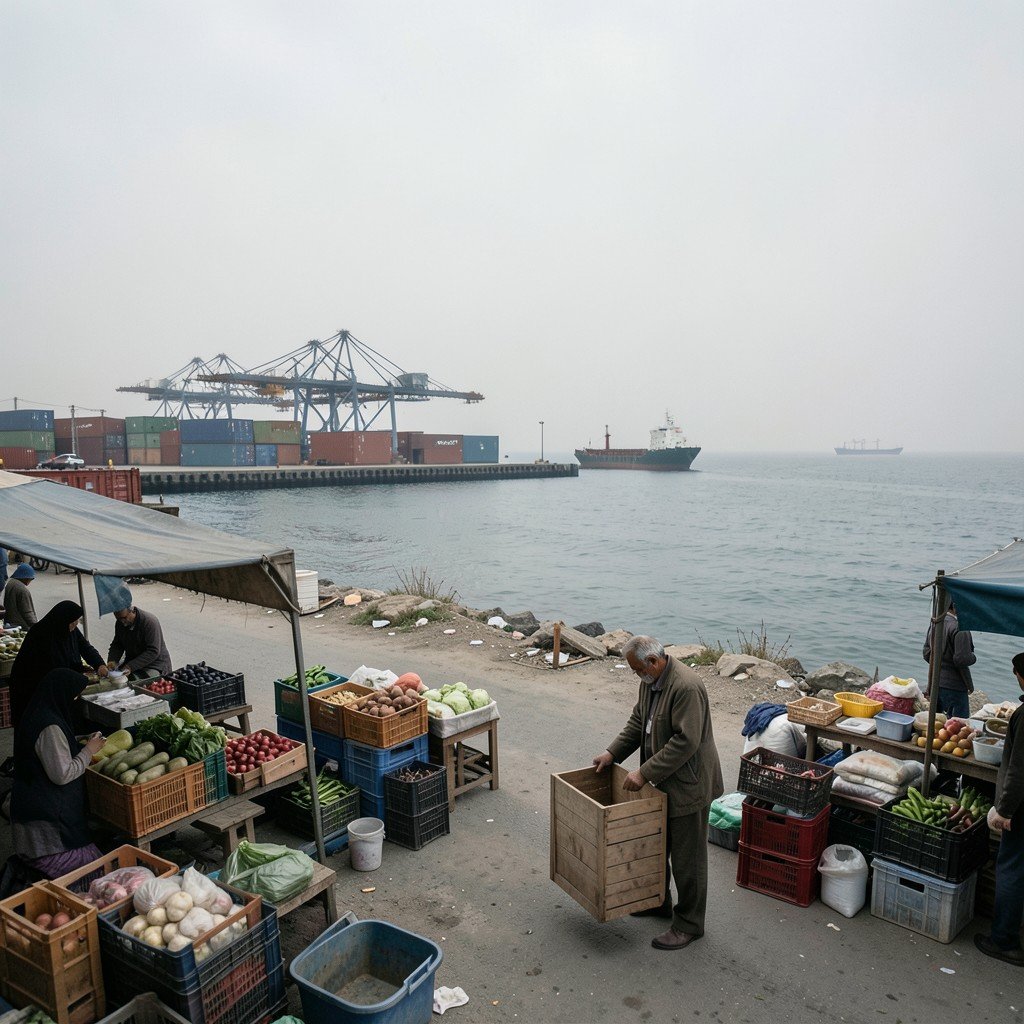
AI-generated representative image: An Iraqi oil tanker passing through the Strait of Hormuz, a key Gulf shipping route.
Editorial Team
Editorial Team
Baghdad secures passage for tankers after repeated requests as broader Hormuz shipping talks remain unresolved.

Iran has granted permission for a number of Iraqi oil tankers to pass through the Strait of Hormuz following repeated requests from Baghdad through various channels, according to Iranian state media. The IRNA government news service reported on Saturday that securing special permission for Iraqi tankers was one of Baghdad's main requests during Iranian parliament speaker Mohammad Bagher Ghalibaf's visit to Iraq this week.

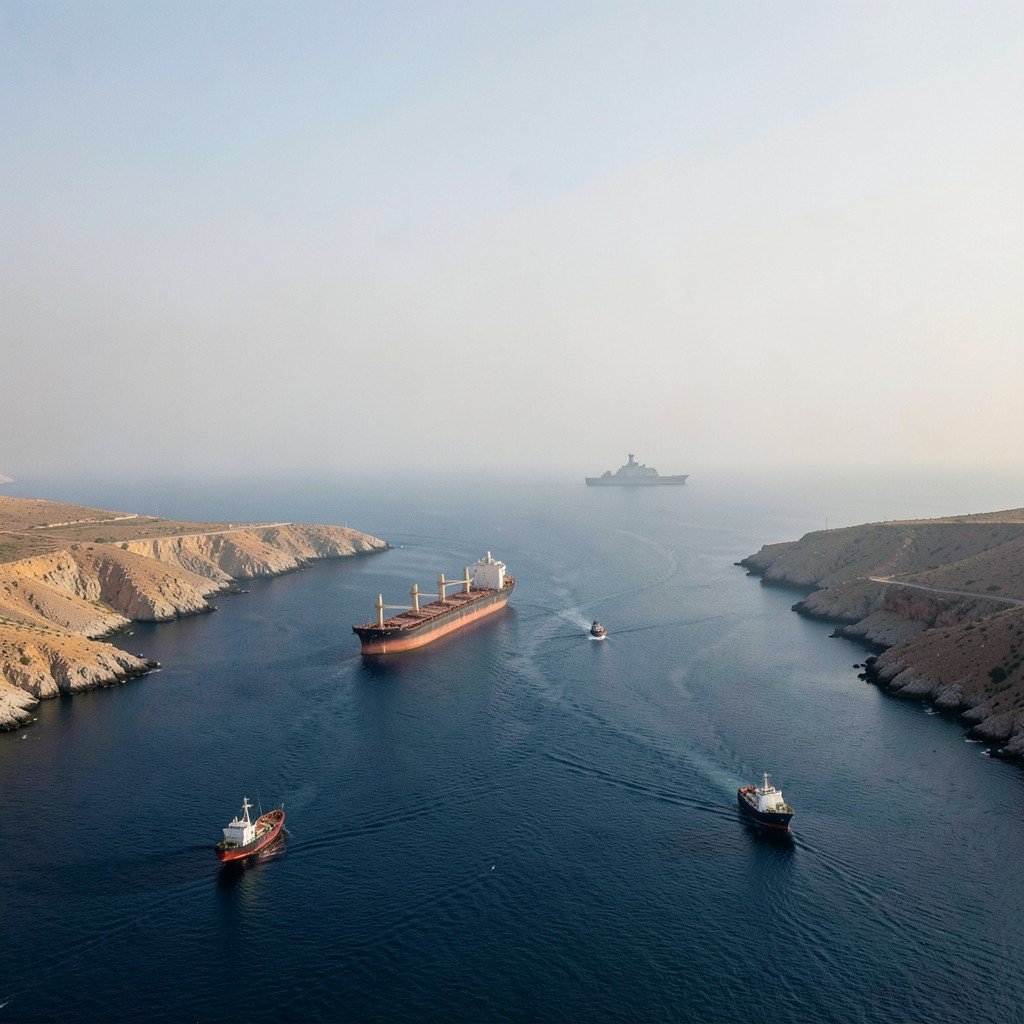
The development matters because Iraq has been among the countries most affected by Iran's effective closure of the strait, a vital global shipping route. Traffic through Hormuz remains significantly below pre-war levels, and ships continue to face attacks in the area, making any easing of access for Iraqi oil exports economically significant for Baghdad.

Confirmed Developments

Iraqi President Nizar Amidi said on Saturday that Iran had facilitated the passage of "some ships carrying Iraqi oil in the strait" in recent days, and that Baghdad had discussed the export of Iraqi oil through Hormuz with Iranian officials.

Speaking at the Baghdad Dialogue policy conference, Amidi also stated that the government will not accept Iraqi territory being used to launch attacks against any other country. He said attacks launched from inside Iraq against countries in the region "have no justification".

"Everyone is keen to prevent Iraq from being dragged into the ongoing war in the region," Amidi said, adding that its repercussions "have been harsh on our country".
Background and Regional Tensions

On the Strait of Hormuz, Amidi said it "affects the whole world, not only Iraq", and noted that Baghdad remained in talks with Iran over what he described as "complex problems" in the strait.

Analysts have linked Iran's decision to broader regional dynamics. Mostafa Khoshcheshm, a professor at the University of Applied Sciences in Tehran, said Iran decided to let Iraqi tankers pass because Baghdad has "always stood up to the United States". He suggested Iran is looking to punish Gulf states, which he claimed have allowed US forces to use their military bases to launch attacks on Iran, an accusation regional countries deny, while treating Iraq as a "friendly state".

"Iran has requested other states to do the same [and] stop the US from using their territory," Khoshcheshm added.

Status of the Waterway

Reporting from Tehran, Al Jazeera correspondent Tohid Asadi described the situation around the strait as a "holding pattern that applies not only to Iraqis but also all countries".

"The situation at the Strait of Hormuz remains still vague as Iran has been involved in talks with Oman to find the arrangements for the reopening of the strait," Asadi said. He added that so far no deal has been reached, and that the United States remains a key factor, with Iran maintaining that the strait will remain closed as long as the naval blockade continues.

What Lies Ahead

While the passage of some Iraqi tankers has been facilitated, the broader reopening of the Strait of Hormuz remains unresolved. Talks between Iran and Oman are ongoing, but no formal agreement has been reached. Iraq has indicated it will continue discussions with Iranian officials over the strait's "complex problems", and further clarity on wider access is still awaited.

MORE LIKE THIS

Comments (0)

Leave a comment

A verified Gmail account is required to post comments.

No comments yet. Be the first to share your thoughts!