

Mohsen Rezaei Appointed Iran Supreme National Security Council Secretary
news

Mohsen Rezaei Appointed Iran Supreme National Security Council Secretary

By Editorial TeamAug 10, 2026 · 6:35 PM4 min read
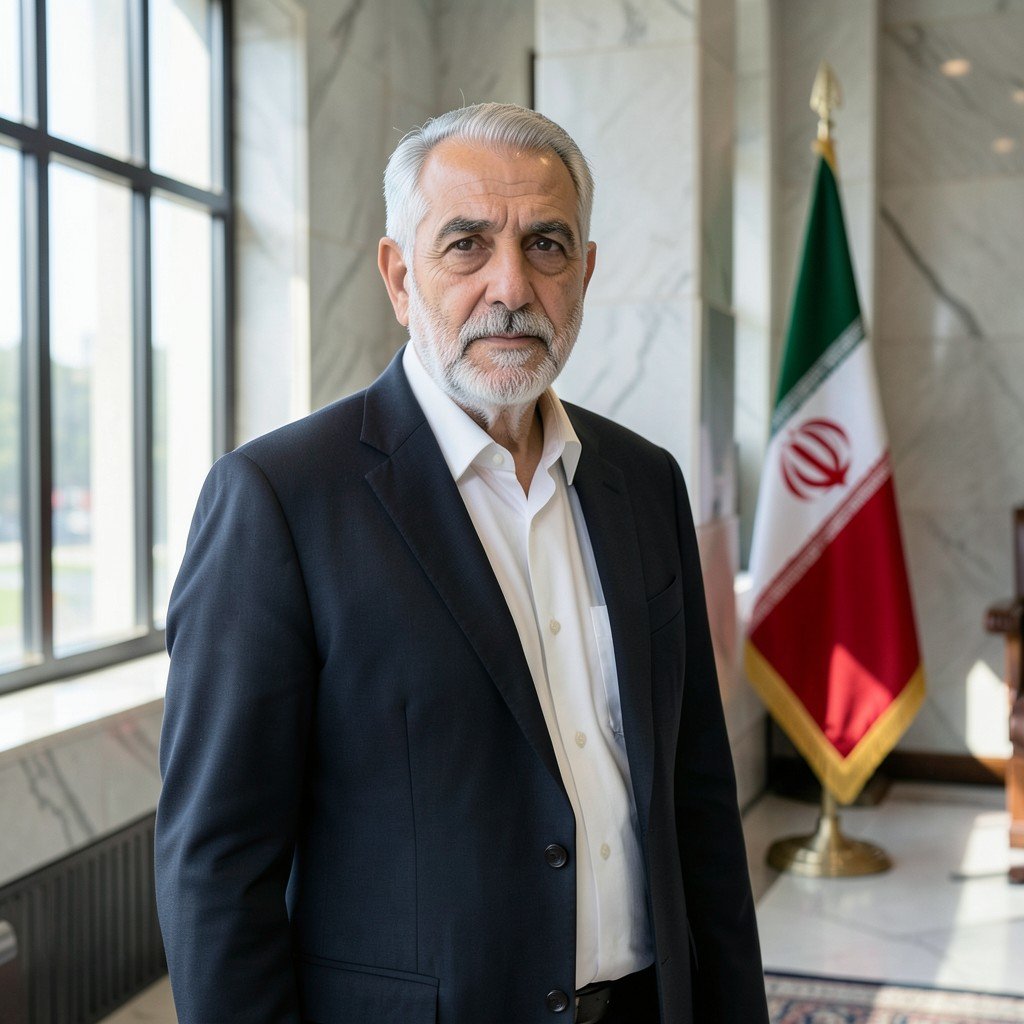
AI-generated representative image. Mohsen Rezaei, newly appointed secretary of Iran's Supreme National Security Council, in a formal government setting.
Editorial Team
Editorial Team
Former IRGC commander-in-chief Mohsen Rezaei takes the helm of Iran's top security body as tensions with the US and Israel escalate over the Strait of Hormuz.

Mohsen Rezaei, the former commander-in-chief of Iran's Islamic Revolutionary Guard Corps (IRGC), has been appointed as secretary of the Supreme National Security Council, the country's highest security and foreign policy body. President Masoud Pezeshkian announced the appointment on Sunday evening, with Supreme Leader Mojtaba Khamenei issuing a parallel decree naming Rezaei as his representative on the council.

Rezaei, 71, replaces Mohammad Bagher Zolghadr, who was reassigned as a political adviser to Khamenei. The leadership change comes at a critical moment, with Iran engaged in an ongoing conflict with the United States and Israel and locked in negotiations over control of the strategically vital Strait of Hormuz.

The appointment places a seasoned military figure with deep ties to Iran's security establishment at the centre of decision-making during an active war and faltering diplomatic efforts. The Supreme National Security Council is the institution where the strategic priorities of the presidency, foreign ministry, armed forces and intelligence agencies converge, making the secretary's identity consequential well beyond administrative duties.

Analysts are divided on whether Rezaei's selection signals a hardening of Iran's military posture or, paradoxically, provides the domestic political cover needed to pursue a negotiated settlement with Washington.

The Appointment and Its Immediate Context

Rezaei's appointment was announced through the Iranian president's communications office on Sunday evening. On the same day, Supreme Leader Khamenei issued a decree that specifically referenced Rezaei's experience and described him as among the "pioneers of the Sacred Defence era", a term Iran uses for the 1980s Iran-Iraq War. This language underscored the weight given to his military credentials in the selection process.

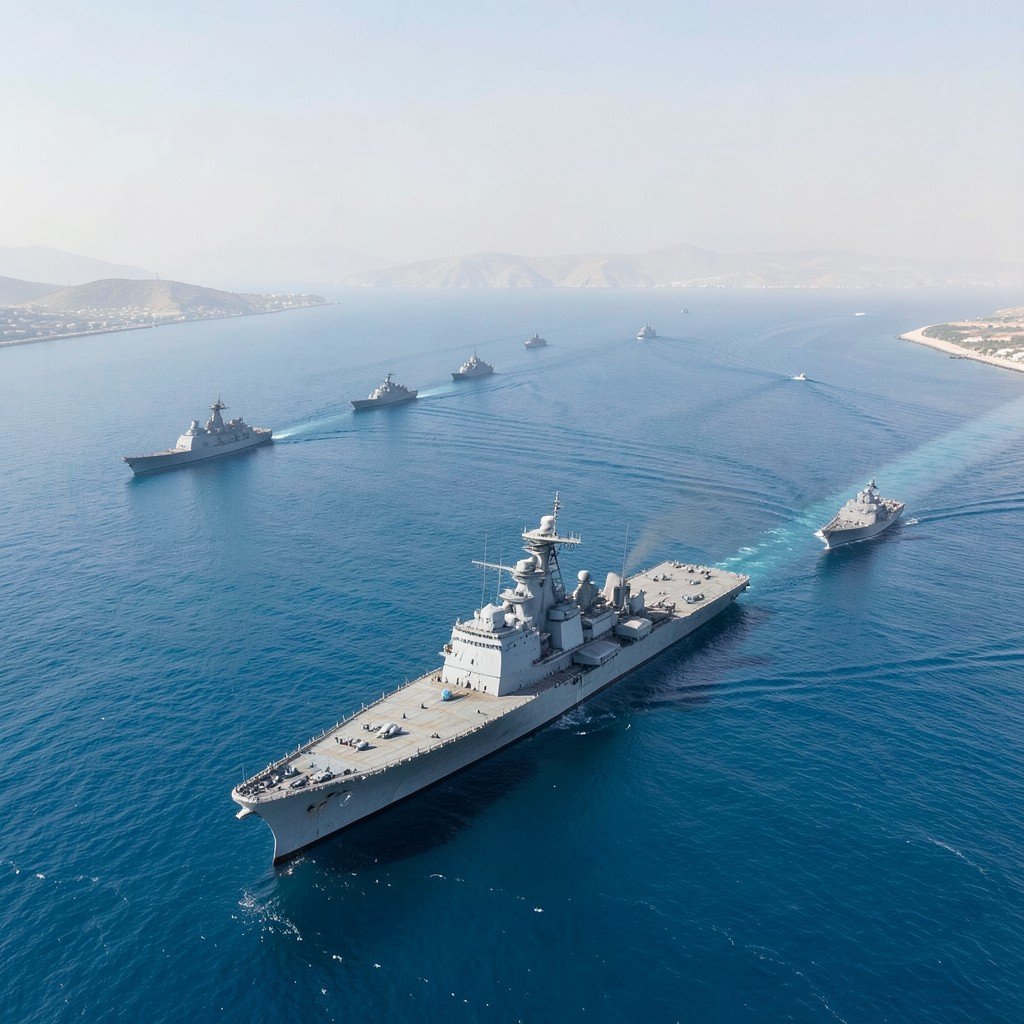
The leadership change follows the assassination of former council secretary Ali Larijani in a US-Israeli strike in March. Rezaei now assumes the role as Iran maintains a blockade on the Strait of Hormuz, imposed in response to the US-Israel war launched in February, while Washington has countered with its own naval blockade aimed at exerting economic pressure on Tehran.
Rezaei's Military and Political History

Rezaei commanded the IRGC from 1981 to 1997, a 16-year tenure that encompassed the entirety of the Iran-Iraq War. Following his military service, he became a member of the Expediency Discernment Council, the body responsible for resolving legislative disputes between parliament and the Guardian Council, which vets candidates and reviews laws for compatibility with the constitution and Islamic law.

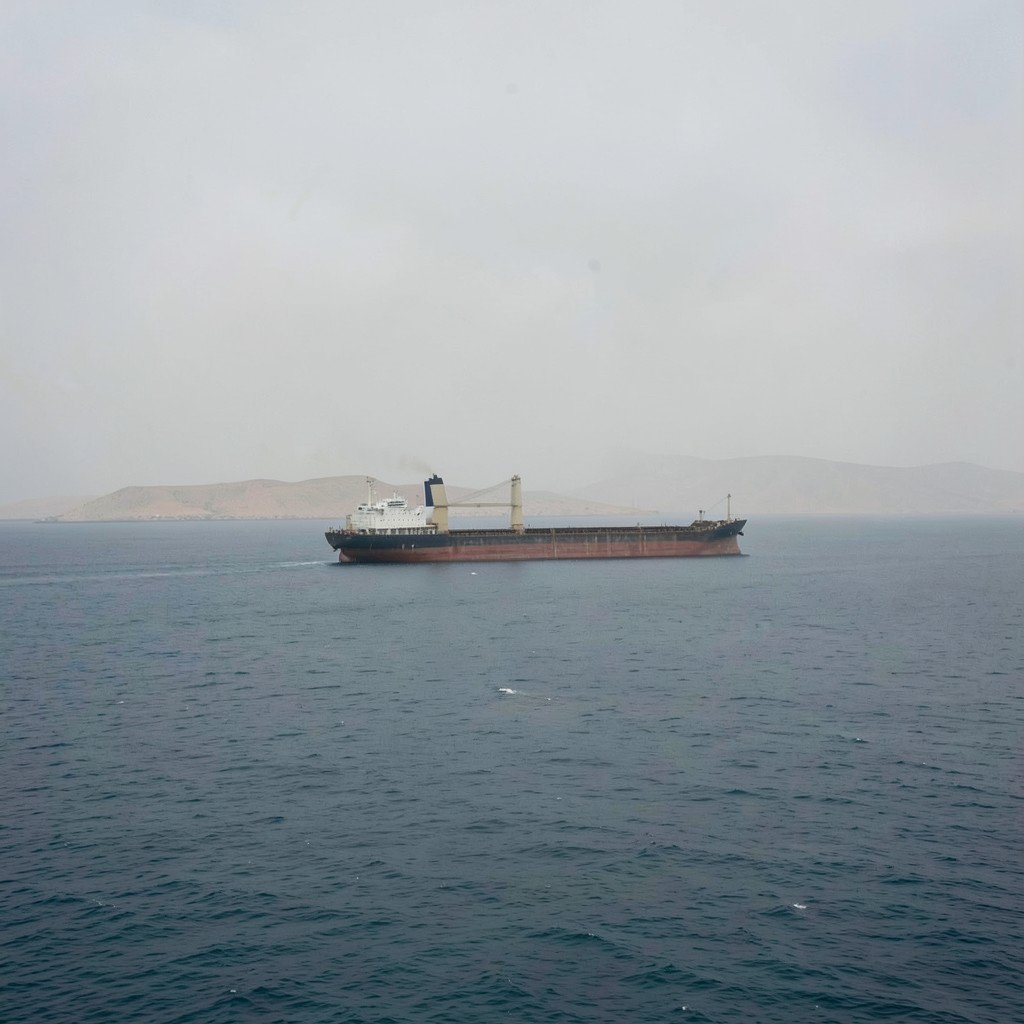
Rezaei has been outspoken on the Strait of Hormuz, the narrow waterway through which approximately one-fifth of global oil and gas supplies transit. In July, he stated that controlling the strait was worth more than "dozens of atomic bombs." Last week, he warned that the United States would "face serious risks and casualties" if its blockade of Iranian ports continued.

During the 2024 presidential election, Rezaei backed Mohammad Bagher Ghalibaf, the current parliament speaker and chief negotiator in talks with the US, aligning himself with the conservative wing rather than the more hardline faction associated with Saeed Jalili, who finished as runner-up to Pezeshkian. This positioning does not make Rezaei a moderate, but it places him at a distance from the forces most opposed to negotiations with Washington.

Analyst Perspectives on the Appointment

Abas Aslani, a senior research fellow at the Tehran-based Center for Middle East Strategic Studies, told Al Jazeera that Rezaei brings military, economic and political experience to the role. "They needed to have someone who can somehow synchronise different bodies of the government," Aslani said, adding that Rezaei's ability to reach across factional lines was a key factor in his selection.

Iranian journalist and political analyst Mashallah Shamsolvaezin argued that Rezaei's IRGC background gives decisions issued by the council stronger security and political guarantees. He suggested that hardline factions would find it difficult to accuse a former IRGC commander of weakness, potentially reducing domestic opposition to any negotiated outcome.

International relations professor Mohsen Farkhani offered a contrasting view, linking the appointment to what he described as repeated US violations of a June Memorandum of Understanding and the failure of diplomacy. He argued that Rezaei's experience aligns with Iran's shift toward "offensive deterrence based on punishment" and readiness for a prolonged war of attrition, suggesting Tehran will adopt less flexible positions going forward.

What Lies Ahead

Rezaei now occupies a position that gives him room to manoeuvre among President Pezeshkian's government, which is more open to negotiation; the conservative camp linked to Ghalibaf; and the military and security establishment where Rezaei retains deep historical ties. The council operates under the supervision of the supreme leader, who holds final decision-making authority, meaning Rezaei's influence will be exercised within established institutional parameters.

Whether his tenure leads to hardened military postures or a domestically defensible path toward negotiation remains to be seen. Both interpretations remain viable, and the coming weeks of diplomatic engagement over the Strait of Hormuz are likely to offer the first concrete indications of direction.

MORE LIKE THIS

Comments (0)

Leave a comment

A verified Gmail account is required to post comments.

No comments yet. Be the first to share your thoughts!