

Pakistan Invites Top Iranian Officials for US-Iran Mediation Talks
news

Pakistan Invites Top Iranian Officials for US-Iran Mediation Talks

By Editorial TeamAug 4, 2026 · 2:28 PM4 min read
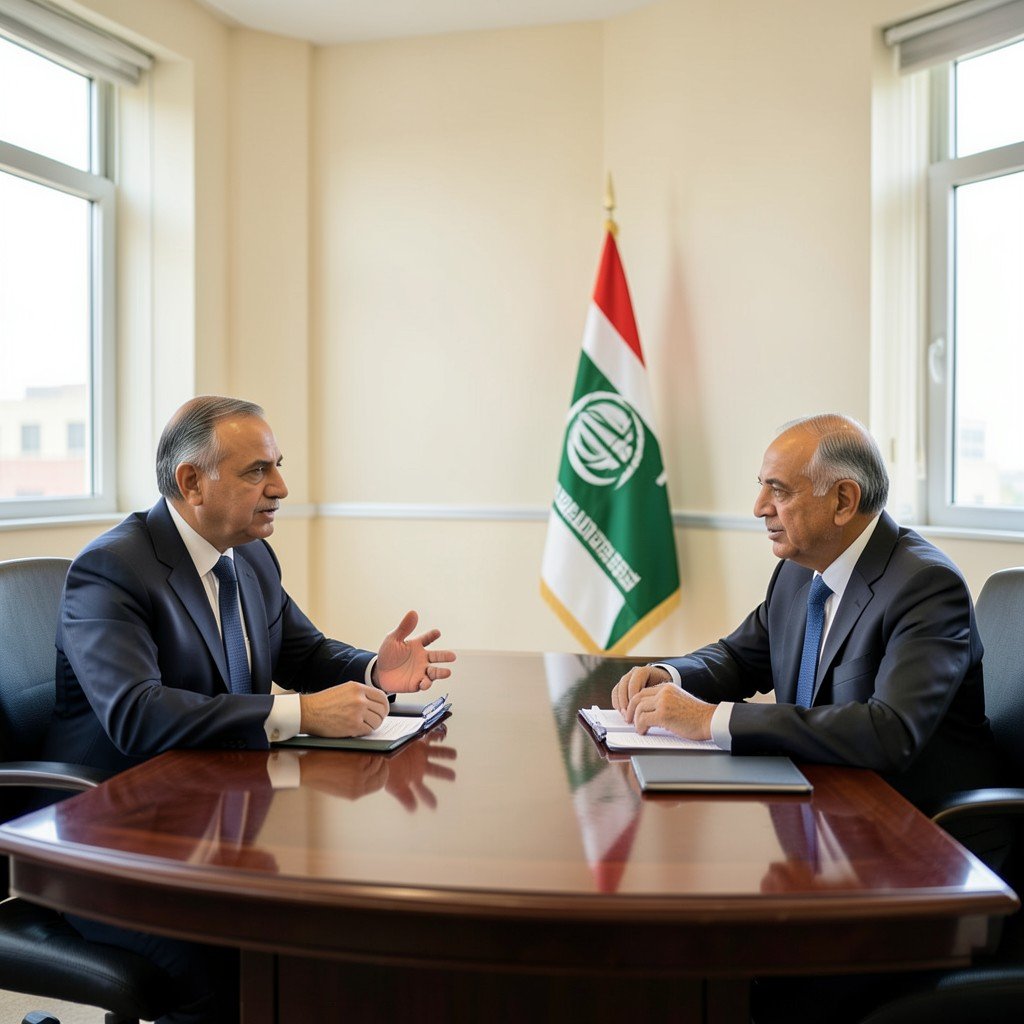
AI-generated representative image: Senior Pakistani and Iranian diplomats engaged in mediation talks in Islamabad as Pakistan works to broker US-Iran ceasefire
Editorial Team
Editorial Team
Islamabad extends diplomatic invitations to Tehran's foreign minister and chief negotiator as ceasefire efforts between Washington and Iran intensify.

Pakistan has invited senior Iranian officials to Islamabad for urgent consultations as efforts to mediate an end to the war between the United States and Iran gain fresh momentum. The Ministry of Foreign Affairs confirmed late Monday that Foreign Minister Ishaq Dar spoke with his Iranian counterpart Abbas Araghchi and invited him to visit Pakistan at his earliest convenience. Separately, National Assembly Speaker Ayaz Sadiq extended an invitation to Iran's chief negotiator Mohammad Bagher Ghalibaf, according to government sources.

The diplomatic outreach comes at a critical juncture. US President Donald Trump has issued stark warnings that Iran faces its "last chance" to reach an agreement, while Tehran insists no direct talks with Washington are underway. Pakistan, which hosted the first direct US-Iran negotiations in decades earlier this year, remains formally designated as the mediator, but repeated ceasefire collapses have raised questions about whether any framework can hold.

Latest Diplomatic Moves

Pakistan's invitations to Araghchi and Ghalibaf follow Trump's accusation that Iranian leaders have been "unbelievably duplicitous" in their handling of negotiations. Writing on Truth Social, Trump claimed Tehran requests meetings only to later deny discussions are taking place. He separately warned reporters that Iran must sign a "good document" or face "decapitation," framing the choice as "a deal or total surrender."

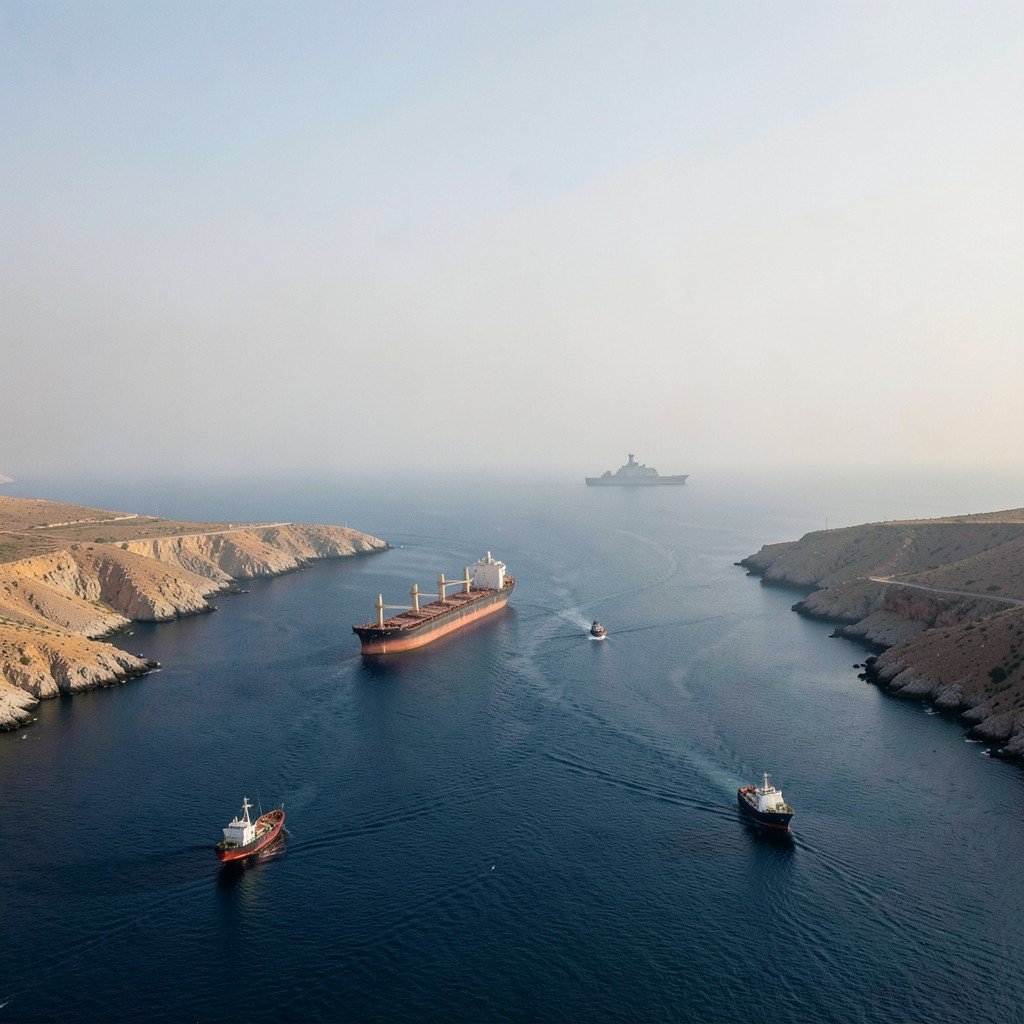
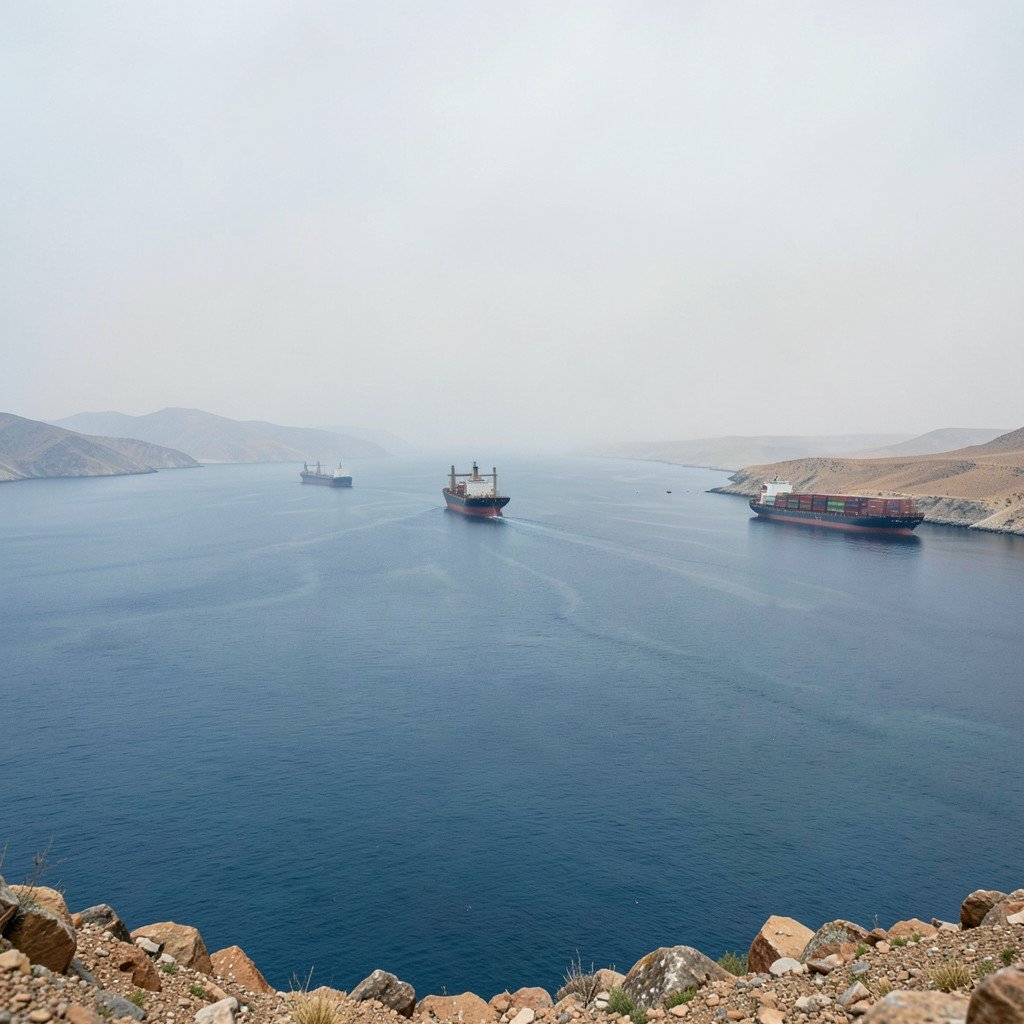
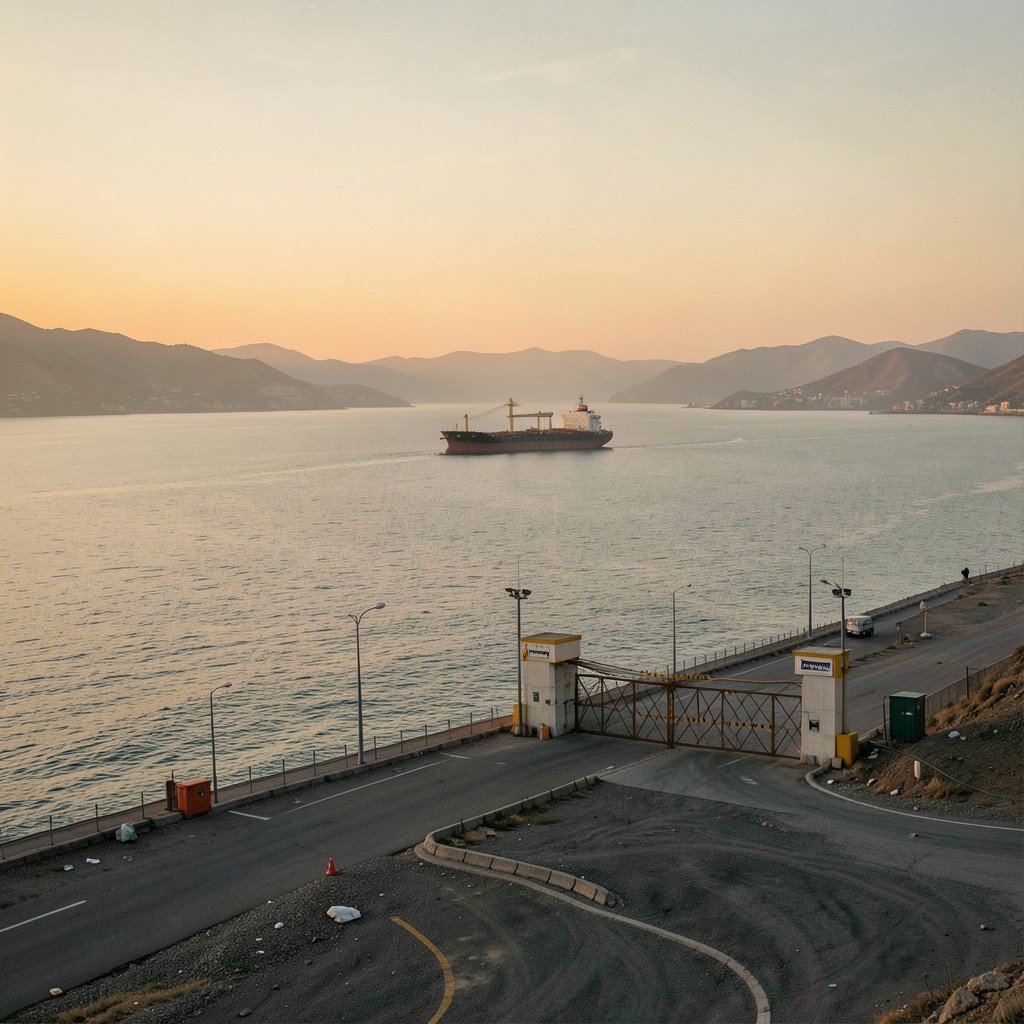
Iranian Foreign Ministry spokesperson Esmaeil Baghaei pushed back on Monday, stating that no talks with the US were under way and that only technical discussions with Oman regarding the reopening of the Strait of Hormuz were ongoing. Baghaei reaffirmed that Pakistan remains "the mediator" in US-Iran matters, with Qatar offering assistance "if necessary."
A Fragile Mediation Track

The war began on February 28 when the US and Israel launched military operations against Iran. Pakistan has consistently advocated restraint and dialogue. In April, Islamabad hosted the first direct US-Iran talks in decades, which culminated in the Islamabad Memorandum of Understanding (MoU), signed in June by Pakistani Prime Minister Shehbaz Sharif, Iranian President Masoud Pezeshkian and Trump.

Each de-escalation attempt has collapsed within weeks. An April ceasefire disintegrated within days, triggering a US naval blockade on Iran's southern ports. The MoU lasted barely a month before both sides exchanged attacks and the blockade was reimposed. Despite this, Pakistani Foreign Ministry spokesperson Tahir Andrabi has maintained throughout July that the MoU remains the peace framework. Pezeshkian reinforced this position this week, calling the memorandum "the centre of gravity" of Iran's future foreign relations.

Analyst Perspectives on Pakistan's Role

Asif Durrani, Pakistan's former ambassador to Iran, described the MoU as "a foundational document" rather than a dead one, noting Pakistan's sincerity has been "acknowledged internationally." However, Grace Wermenbol, a former US national security official, argued that "persistent recurring conflict has eroded the trust necessary for a longer-term ceasefire."

Mehran Kamrava, professor of government at Georgetown University in Qatar, placed the blame squarely on Washington. "The United States has no exit strategy, no clear objectives and no sense of what the end game is or ought to be, and it continues to move the goalposts," he said. Seyed Mojtaba Jalalzadeh, a Tehran-based analyst, suggested Pakistan's role has been downgraded "from that of a mediator capable of resolving the conflict to that of a facilitator with access to the parties," warning that overpromising could erode Pakistan's reputational capital.

What Lies Ahead

It remains unclear when Araghchi or Ghalibaf will travel to Islamabad. Parallel negotiations between Iran and Oman over the Strait of Hormuz continue separately, with US Secretary of State Marco Rubio warning against any arrangement granting Iran control over the strategic waterway. Analysts describe the split between Pakistan's political mediation and Oman's technical maritime track as a constructive "diplomatic division of labour." However, Pakistan's structural limitation persists: it can facilitate talks and broker agreements but cannot compel either Washington or Tehran to honour commitments once made.

MORE LIKE THIS

Comments (0)

Leave a comment

A verified Gmail account is required to post comments.

No comments yet. Be the first to share your thoughts!