

Iran Refuses to Reopen Strait of Hormuz Until US Ends War and Blockade
news

Iran Refuses to Reopen Strait of Hormuz Until US Ends War and Blockade

By Editorial TeamAug 12, 2026 · 9:58 AM4 min read
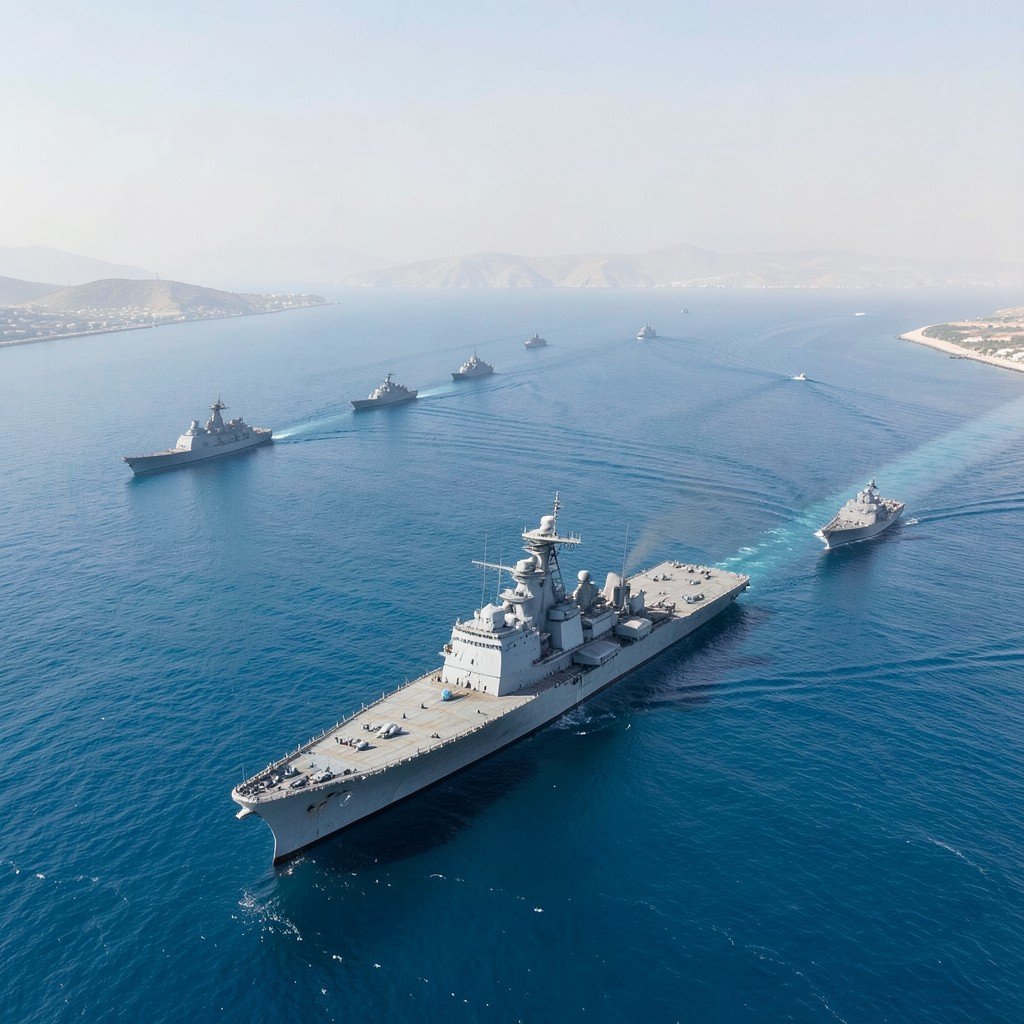
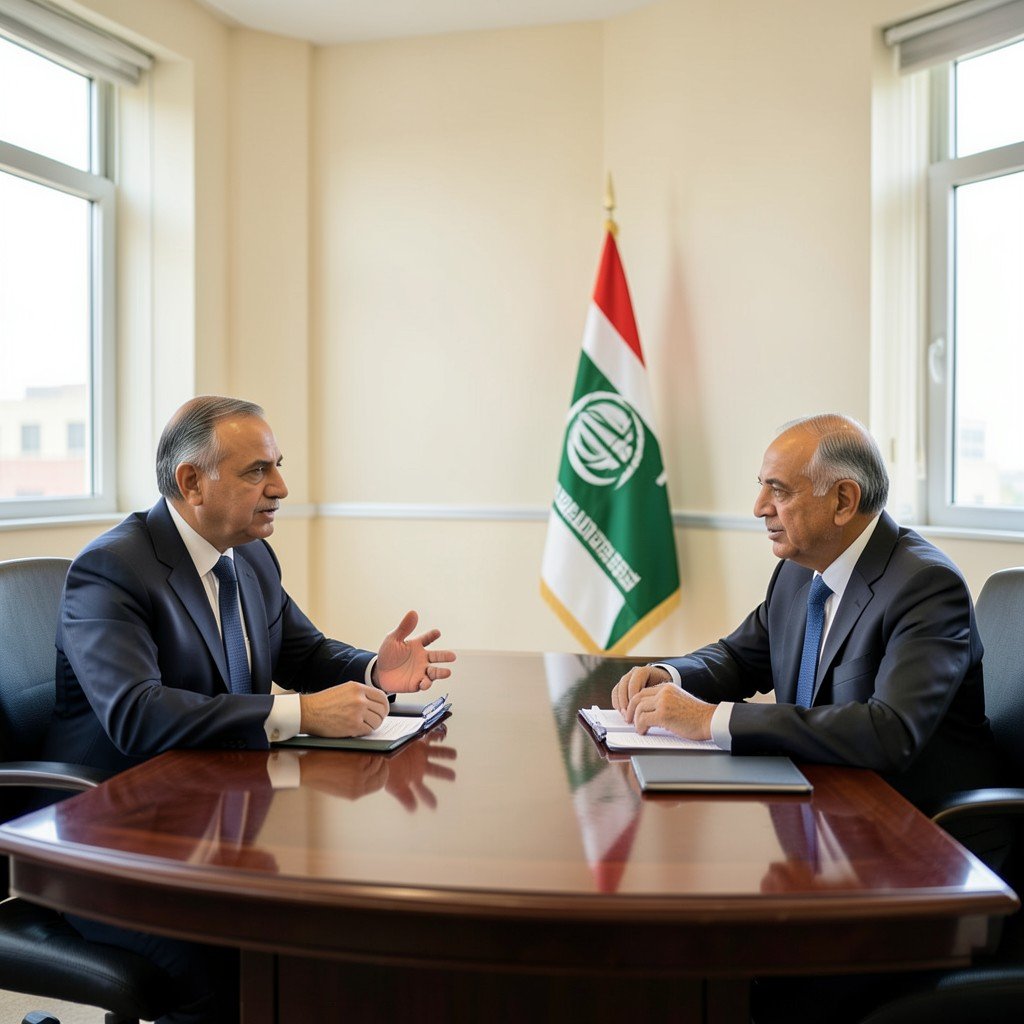
AI-generated representative image. The Strait of Hormuz, a critical global shipping route, remains closed amid ongoing tensions between Iran and the United Stat
Editorial Team
Editorial Team
Tehran sets firm conditions as Pakistan's interior minister visits for mediation talks, while US and Houthi forces strike shipping in regional waters

Iran has refused to reopen the Strait of Hormuz until the United States ends its military campaign, lifts its naval blockade on Iranian ports, releases frozen Iranian assets, and agrees to a region-wide ceasefire including in Lebanon and Gaza. The conditions were delivered Tuesday by Mohsen Rezaei, the newly appointed head of Iran's Supreme National Security Council, during a meeting with China's ambassador in Tehran.

The same day, Pakistan's Interior Minister Mohsin Naqvi arrived in Tehran for mediation discussions with Iranian President Masoud Pezeshkian and Foreign Minister Abbas Araghchi, while US naval forces and Yemen's Houthis carried out separate attacks on shipping in the Gulf of Oman and the Bab al-Mandeb strait.

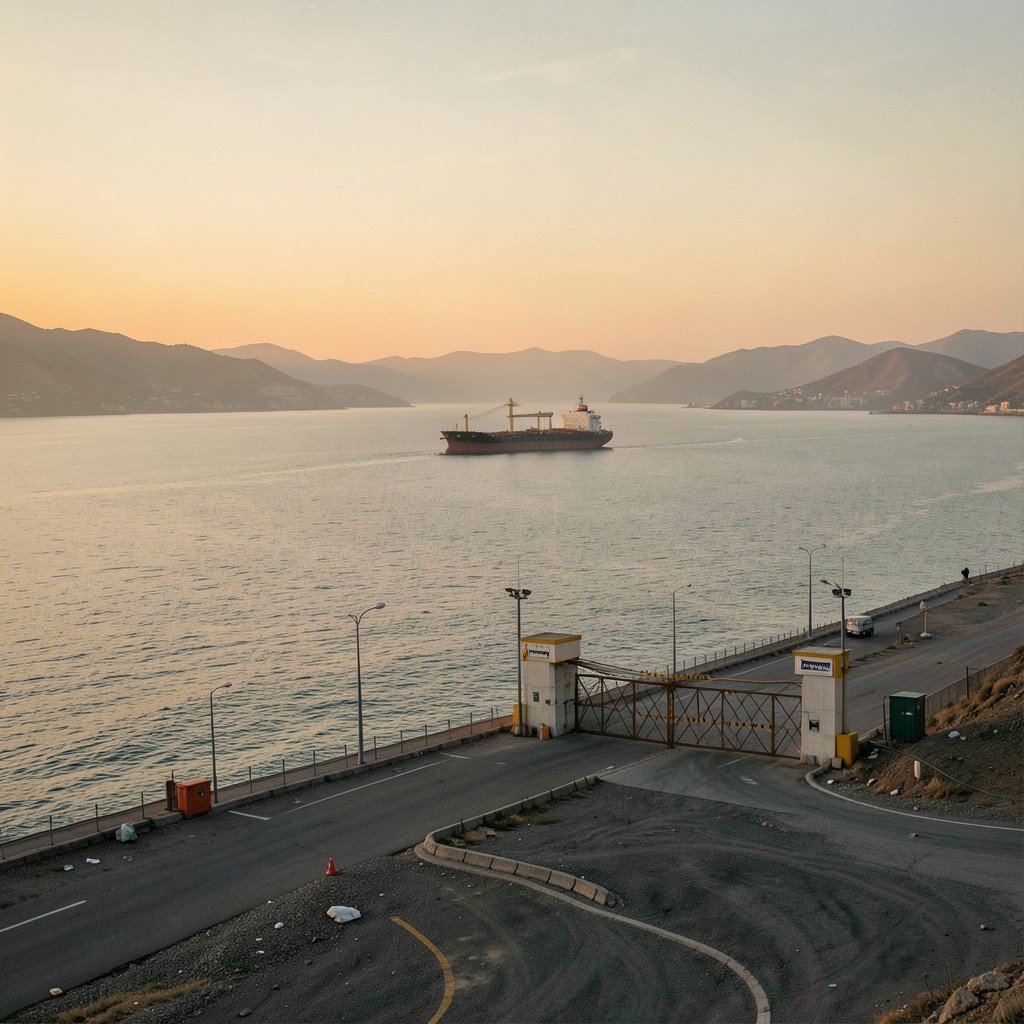
The continued closure of the Strait of Hormuz, a critical passage for global oil shipments, has deepened economic and military tensions in the region. Iran's stance signals that diplomatic efforts by Pakistan and Qatar have yet to produce a breakthrough, even as the US-Israel war on Iran, now in its sixth month, shows no sign of abating.

Diplomatic and Military Developments

Rezaei told Chinese Ambassador Cong Peiwu that the strait would remain closed "as long as the US does not change its behaviour and accept Iran's conditions," according to Iranian media. In a post on X, he reiterated: "The Strait of Hormuz will not reopen until the U.S. ends the war and blockade, releases Iran's frozen assets, and agrees to a region-wide ceasefire, including in Lebanon and Gaza." Washington has not yet commented on the demands.

In Tehran, Naqvi met with Pezeshkian and Araghchi to discuss closer political, economic, trade, cultural and security ties, the Iranian presidency confirmed. Pakistan has been actively mediating to end the conflict. Qatar, another mediator, said talks between Iran and Oman on shipping arrangements in the strait had reached an advanced stage, though Iran stated any agreement with Oman on shipping routes would have no bearing on the strait's reopening.

Former senior US diplomat Alan Eyre told Al Jazeera that Iran is deliberately keeping the strait closed to increase pressure on Washington. "What they're trying to do is reestablish strategic deterrence to prevent future attacks," he said.
Six Months of Regional Conflict

The US and Israel launched strikes on Iran on February 28, triggering a conflict that has since widened across the region. Iran has struck US assets and infrastructure in Oman, Jordan, Kuwait, Israel, the United Arab Emirates and Saudi Arabia. At least 3,527 people have been killed inside Iran and more than 27,000 wounded. At least 18 Americans have also died.

The war has extended into Lebanon, where Iran-backed Hezbollah has attacked Israel and Israeli forces have conducted near-daily strikes. Lebanon's Health Ministry reports that Israel's escalation, which began on March 2, has killed more than 4,300 people and injured over 12,000. In Israel, at least 60 people have been killed in Iranian and Hezbollah attacks.

US President Donald Trump has alternated between threats of escalation and claims of an imminent peace deal. In an interview broadcast late Monday on Real America's Voice, he said he might "bop along" and let Tehran fail economically or "hit them really, really hard," describing Iranian negotiators as "very devious."

Attacks on Commercial Shipping

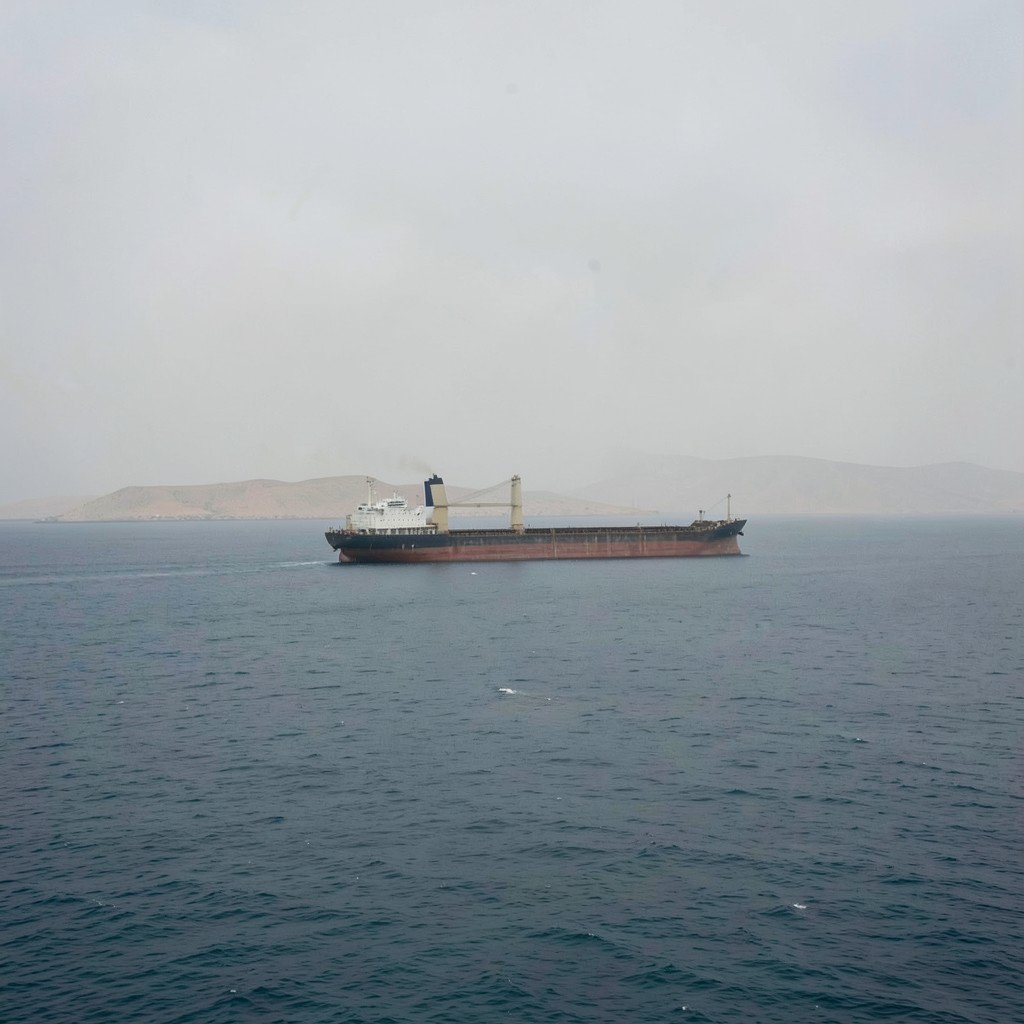
US Central Command confirmed that a US Navy MH-60 helicopter fired two Hellfire missiles on Tuesday to disable the steering gear of a Panama-flagged cargo ship in the Gulf of Oman. The vessel had ignored repeated warnings to stop violating the US naval blockade of Iranian ports, according to the command.

In the Bab al-Mandeb strait, four crew members were killed aboard the Egyptian-owned vessel Tihamah in a suspected Houthi attack, Yemen's Transport Ministry reported. Two Yemeni rescuers from an anti-Houthi military group also died, according to Yemen's coastguard. These are the first fatalities from Houthi strikes on shipping since the war began. The Houthi-run Saba news agency separately claimed the group attacked a Saudi ship carrying military equipment in the same waterway, though it did not name the vessel and Saudi Arabia has not responded.

What Comes Next

Iran's conditions for reopening the Strait of Hormuz remain unmet, with no indication from Washington that it is prepared to accept them. Mediation efforts by Pakistan and Qatar continue, but Tehran has made clear that technical talks with Oman on shipping routes will not translate into reopening the waterway until its broader demands are satisfied. The conflict across Iran, Lebanon and key maritime chokepoints continues with no ceasefire in sight.

MORE LIKE THIS

Comments (0)

Leave a comment

A verified Gmail account is required to post comments.

No comments yet. Be the first to share your thoughts!