

Israel-Lebanon Talks Resume in Rome as Withdrawal Zones Top Agenda
news

Israel-Lebanon Talks Resume in Rome as Withdrawal Zones Top Agenda

By Editorial TeamAug 4, 2026 · 2:27 PM4 min read
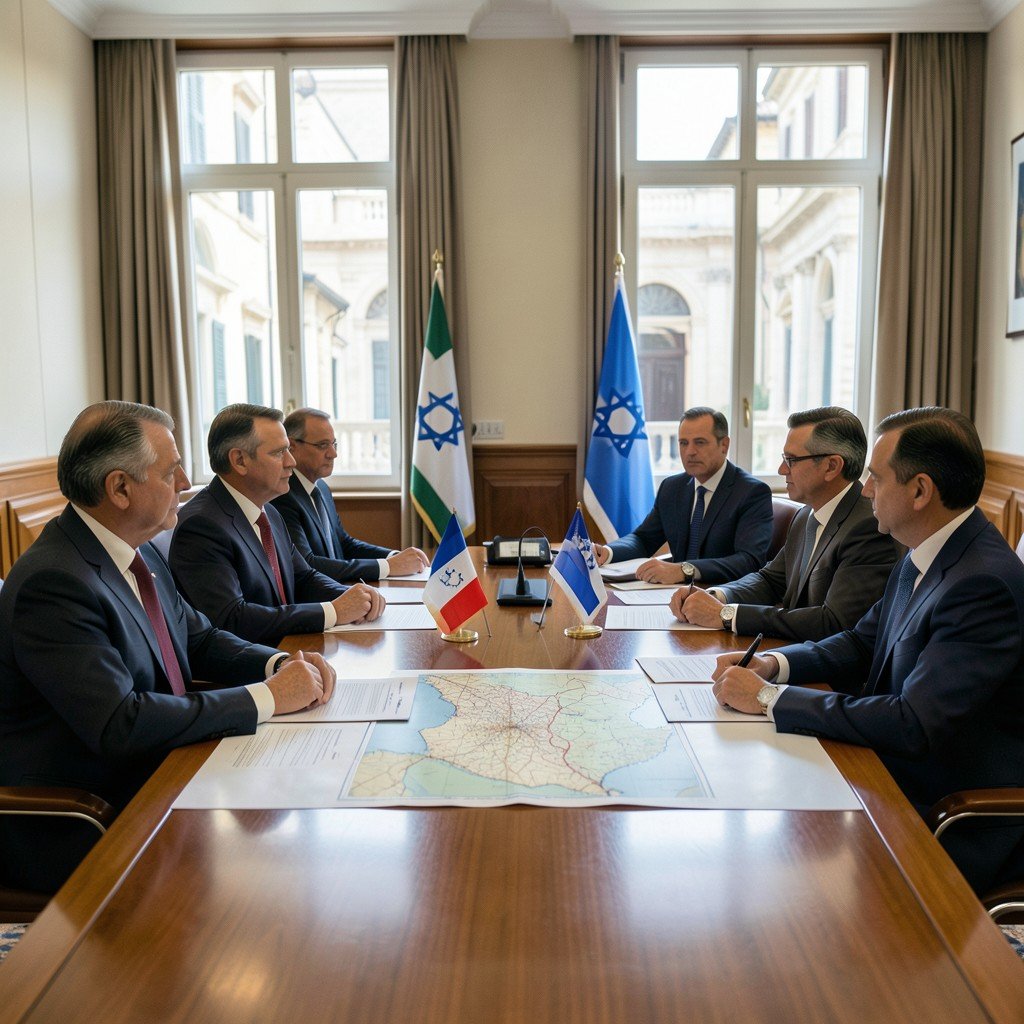
AI-generated representative image: US-mediated talks between Israel and Lebanon resume in Rome, focusing on Israeli withdrawal zones in southern Lebanon.
Editorial Team
Editorial Team
Seventh round of US-mediated negotiations seeks new pilot zones for Israeli redeployment, though Hezbollah's disarmament remains unresolved.

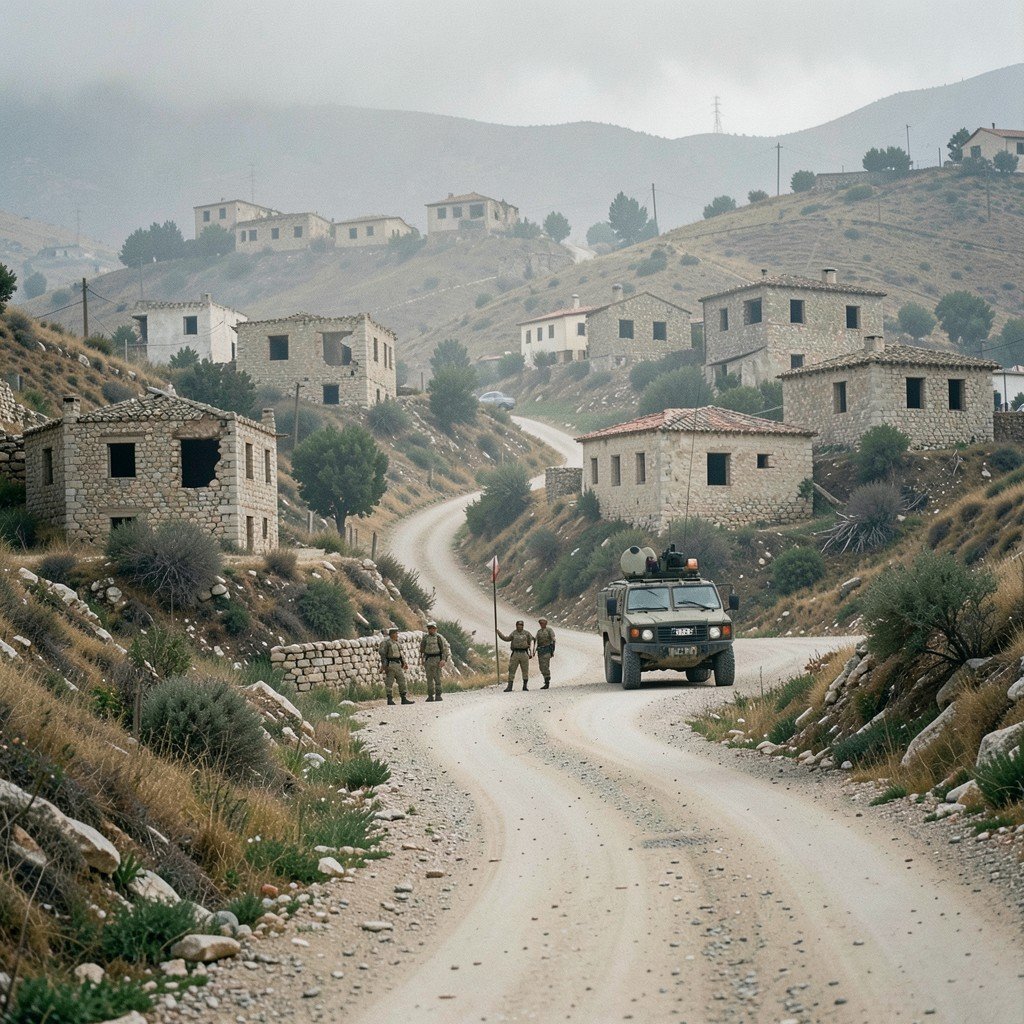
A seventh round of United States-mediated talks between Israel and Lebanon commenced in Rome on Tuesday, with the three-day negotiations aimed at designating additional "pilot zones" in southern Lebanon from which Israeli forces would withdraw and the Lebanese army would assume security control.

The diplomatic push comes despite continued Israeli military strikes across southern Lebanon, including phosphorus bomb attacks reported on Tuesday, and follows a June 26 framework agreement under which Israel agreed to progressively redeploy from occupied Lebanese territory in exchange for Hezbollah's disarmament - a condition that remains unfulfilled.

Since fighting erupted on March 2, Israel has occupied nearly one-fifth of Lebanese territory, killed more than 4,000 people, and displaced over one million residents. The Rome talks represent the latest attempt to translate a fragile framework agreement into concrete on-the-ground results, even as Hezbollah denounces the negotiations and Israeli forces maintain a 10-kilometre buffer zone inside Lebanon.

Agenda and Participants

The Lebanese delegation includes former ambassador to the US Simon Karam, current ambassador Nada Mouawad, and a military team led by Brigadier-General George Rizkallah, alongside legal adviser Antoine Sfeir and land-surveying expert Najib Massihi. High-level Israeli political and military officials are also attending.

Lebanon will propose new pilot areas for Israeli withdrawal, with the second phase covering either Bint Jbeil or Khiam, both south of the Litani River. The military delegation is presenting maps documenting the Lebanese army's deployment in Zawtar al-Gharbiyeh, the first pilot area agreed upon during the sixth round, along with plans for additional deployments in areas Israel may agree to vacate.

Lebanese Agriculture Minister Nizar Hani stated before the talks that the government is dissatisfied with on-the-ground developments since the June framework, saying the situation falls short of the expectations of President Joseph Aoun and the Lebanese government.

Road to Rome: Previous Rounds and the June Framework

The US mediated the first round of talks on April 14 in Washington, DC, with Secretary of State Marco Rubio in attendance. President Donald Trump chaired the second round on April 23. A third round on May 14 and a fourth on June 2-3 produced a ceasefire agreement requiring a "complete cessation" of fire by Hezbollah and the creation of pilot zones where Lebanese forces would take exclusive territorial control.

Rubio announced the framework deal following the fifth round on June 23-26. The agreement outlined a "sequenced process" for the Lebanese army to restore "effective sovereign authority over all Lebanese territory, pending the verified disarmament of non-state armed groups." It did not mandate a complete Israeli withdrawal but called for "progressive redeployment" through pilot zones. The first withdrawal under this programme occurred in July, though Israel continues to occupy its declared buffer zone approximately 10 kilometres inside Lebanon.

The sixth round, held in Washington on July 14-15, concluded with both sides agreeing on the structure and guidelines for the pilot zone process.

Recent Hostilities and Hezbollah's Position

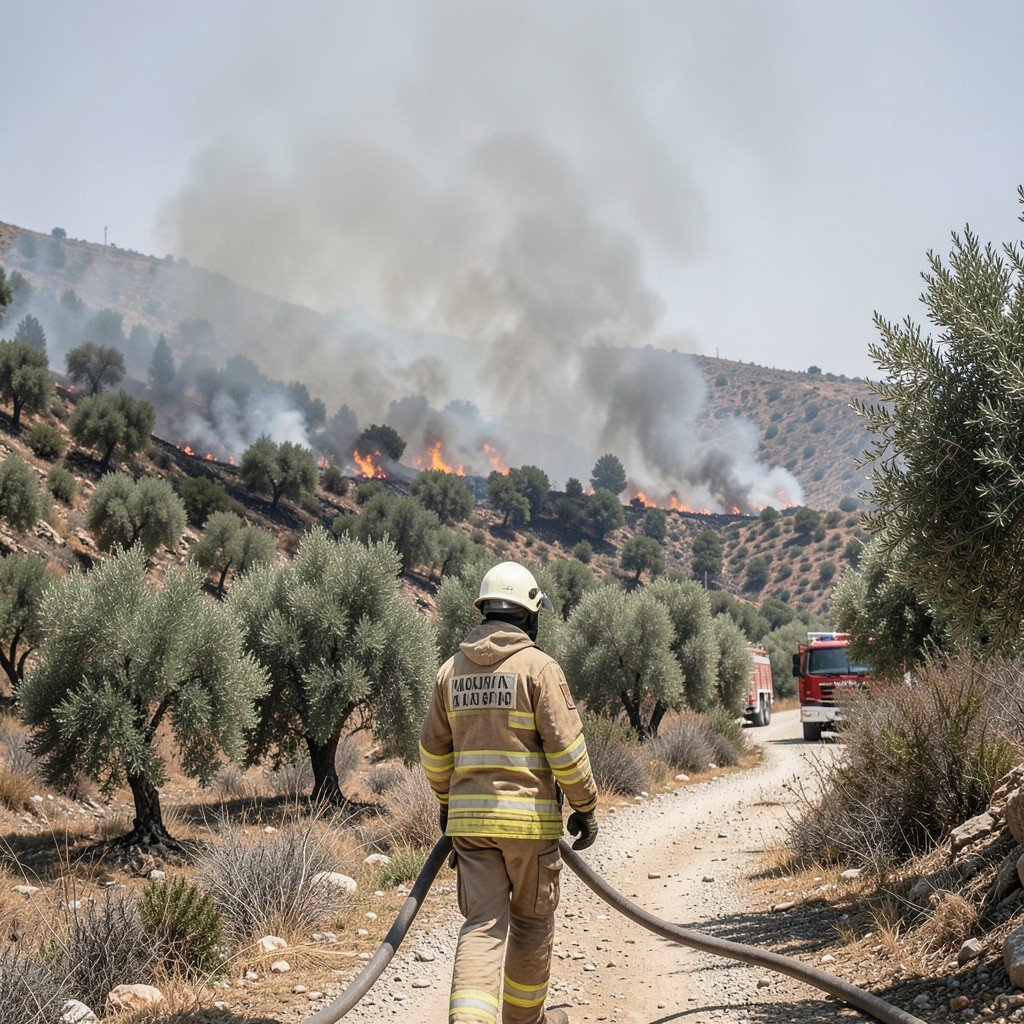
On Tuesday, Israeli forces dropped phosphorus bombs on olive and pine groves in Yaroun, Arnoun, and Bint Jbeil in the Nabatieh governorate, causing large fires. Two missile strikes targeted the Ali al-Taher hill near Nabatieh, and a drone dropped a stun grenade in Bayt al-Sayyad in Tyre. On Friday, Israeli strikes near the UNESCO-listed Beaufort Castle prompted President Aoun to call the attacks a "direct threat" to the framework deal.

Hezbollah Secretary-General Naim Qassem denounced the talks in a televised speech on Tuesday, stating that direct negotiations "bring Lebanon nothing other than shame, humiliation, disappointment and constant concessions." He criticised President Aoun for becoming "a source of division" and declared that "the enemy's only option is to withdraw, and it will withdraw." Prime Minister Nawaf Salam responded by accusing Hezbollah of dragging Lebanon into "futile wars."

Outlook and Cautions

US Ambassador to Lebanon Michel Issa expressed encouragement about the Rome talks but cautioned that moving "too quickly" could jeopardise civilian safety, noting there is "a meaningful difference between drafting an agreement on paper and implementing it responsibly." Heiko Wimmen of the International Crisis Group told Al Jazeera that contradictory signals persist: Washington seeks to widen the scope toward a full peace process, while Israel appears to prefer slow implementation and continues actions such as house demolitions and burning of olive groves. Wimmen added that the extreme volatility of US-Iran negotiations likely complicates potential progress.

MORE LIKE THIS

Comments (0)

Leave a comment

A verified Gmail account is required to post comments.

No comments yet. Be the first to share your thoughts!