Israel Launches Heaviest Lebanon Strikes Since Ceasefire, One Killed in Tibnin
news

Israel Launches Heaviest Lebanon Strikes Since Ceasefire, One Killed in Tibnin

By Editorial TeamAug 6, 2026 · 9:54 AM4 min read
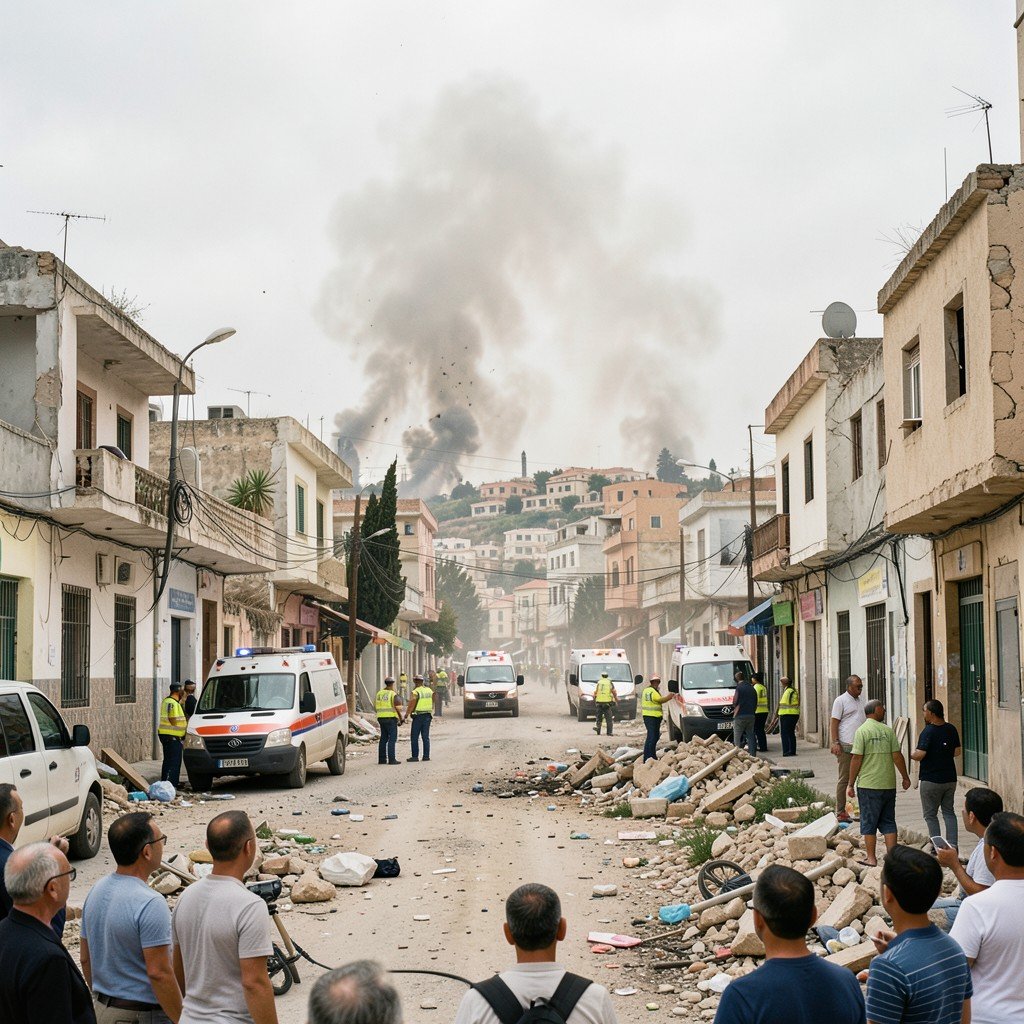
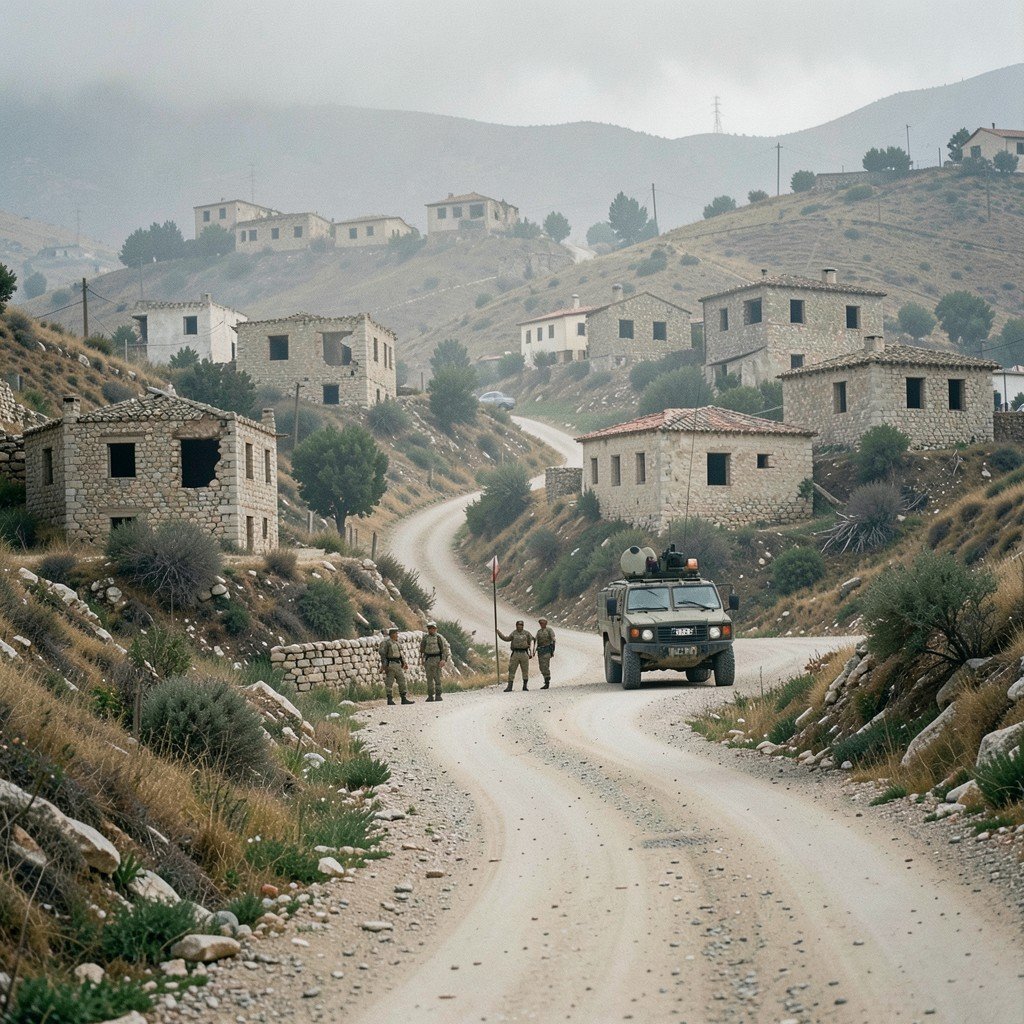
AI-generated representative image: Smoke rises over a southern Lebanese town following the heaviest Israeli strikes since the June 3 ceasefire, as emergency res
Editorial Team
Editorial Team
IDF bombardment hits multiple southern Lebanese towns as US-brokered Rome talks collapse amid Hezbollah ceasefire violation claims

Israel carried out its heaviest bombardment of southern Lebanon since the June 3 ceasefire took effect, striking multiple targets on Wednesday and killing at least one person. The Lebanese Health Ministry confirmed that a man died and 12 others were wounded when an Israeli projectile struck the roof of a prayer hall at a cemetery in the town of Tibnin.

The strikes hit Al-Mansouri and Burj el-Shamali outside the city of Tyre, and the Israel Defense Forces (IDF) issued its first displacement order in approximately two months. The escalation unfolded as Israeli and Lebanese negotiators were engaged in US-brokered talks in Rome, which were subsequently cut short at Israel's request.

The bombardment marks the most significant breach of the fragile truce that ended weeks of cross-border hostilities, threatening to unravel a ceasefire already rejected by Hezbollah. The United Nations reports that more than 820,000 displaced Lebanese were in the process of returning home when the strikes resumed, raising fears of renewed displacement and humanitarian strain.

The violence also complicates ongoing diplomatic efforts in Rome, where the seventh round of Israeli-Lebanese negotiations was underway to solidify the ceasefire's terms and address outstanding disputes over security arrangements in southern Lebanon.

Key Developments on the Ground

  • The Lebanese Health Ministry reported one fatality and 12 injuries in Tibnin after a projectile hit a cemetery prayer hall.
  • The IDF bombed Al-Mansouri and later struck Burj el-Shamali, near the coastal city of Tyre.
  • The IDF issued its first displacement order in roughly two months, signaling a potential expansion of military activity.
  • Israeli officials attributed the strikes to what they described as "a blatant violation" of the ceasefire by Hezbollah, without providing further details.
  • Media reports indicated two Israeli soldiers were killed earlier Wednesday by an explosion inside a booby-trapped building in the Lebanese town of Majdal Zoun.

Background of the Ceasefire and Occupation

Under the ceasefire agreement that took effect on June 3, Israel committed to a gradual withdrawal from southern Lebanon and the transfer of so-called "pilot zones" to the Lebanese army. The arrangement was contingent on Hezbollah being unable to stage attacks from those areas. However, Hezbollah rejected the deal outright, demanded a full and immediate Israeli withdrawal, and refused to disarm.

The IDF has maintained a presence in parts of southern Lebanon, describing the area as a security zone necessary to deter Hezbollah from launching rockets and mortars across the border. The occupation and the terms of withdrawal have remained central points of contention between the two sides since the truce began.


Diplomatic Talks Disrupted

The seventh round of Israeli-Lebanese negotiations in Rome was cut short on Wednesday afternoon at Israel's request, according to reports from the Times of Israel and Al-Monitor. Israeli Ambassador to the United States Yechiel Leiter accused the Lebanese delegation of repeatedly leaking false information to the press, prompting the Israeli side to suspend participation. The talks are expected to resume on Thursday.

The IDF has not elaborated on the specific nature of Hezbollah's alleged ceasefire violation that triggered the strikes. The reported deaths of two Israeli soldiers in Majdal Zoun earlier on Wednesday, caused by a booby-trapped building explosion, may be connected to the military's justification for the renewed bombardment, though no official confirmation of this link has been provided.

What Happens Next

The situation remains volatile, with the IDF's displacement order suggesting further military action could follow. The Rome negotiations are scheduled to resume on Thursday, though the atmosphere has been severely strained by the day's violence and the Israeli delegation's accusations against Lebanese negotiators.

The UN continues to monitor the return of over 820,000 displaced Lebanese civilians, a process now thrown into uncertainty by the renewed hostilities. No timeline has been announced for a de-escalation or a return to the ceasefire's original terms.

MORE LIKE THIS

Comments (0)

Leave a comment

A verified Gmail account is required to post comments.

No comments yet. Be the first to share your thoughts!