

Key Military and Strategic Developments
The United States entered the war with several stated objectives that remain largely unmet. Washington sought to eliminate Iran's nuclear programme, force regime change, end Tehran's support for regional proxy groups, and destroy Iran's ballistic missile capabilities and navy. Despite repeated strikes, Iran is believed to still hold 440kg of highly enriched uranium, its political leadership remains intact under new Supreme Leader Mojtaba Khamenei, and its "axis of resistance" network continues to operate. Trump has claimed about 82 percent of Iran's missiles are gone, yet Tehran has continued firing missiles, including a long-range strike in July that killed three US soldiers in Jordan.
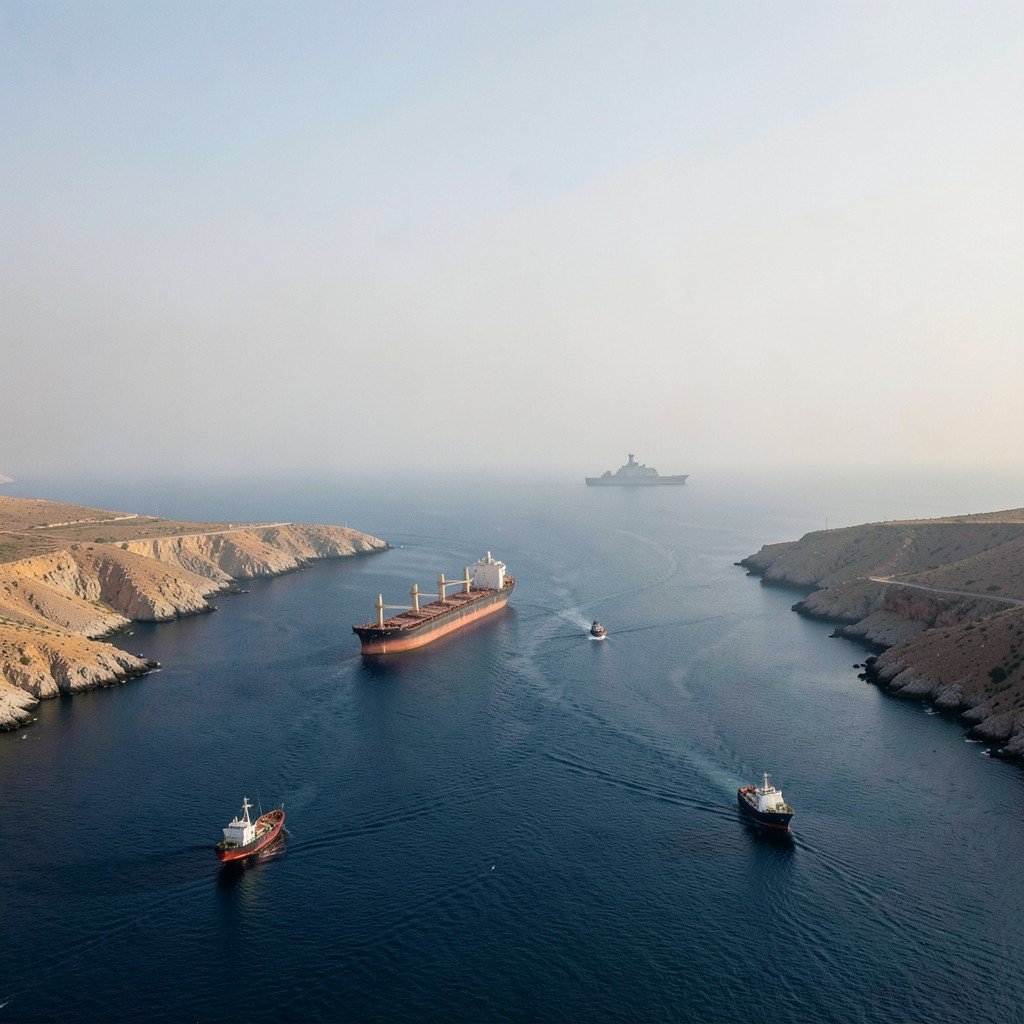
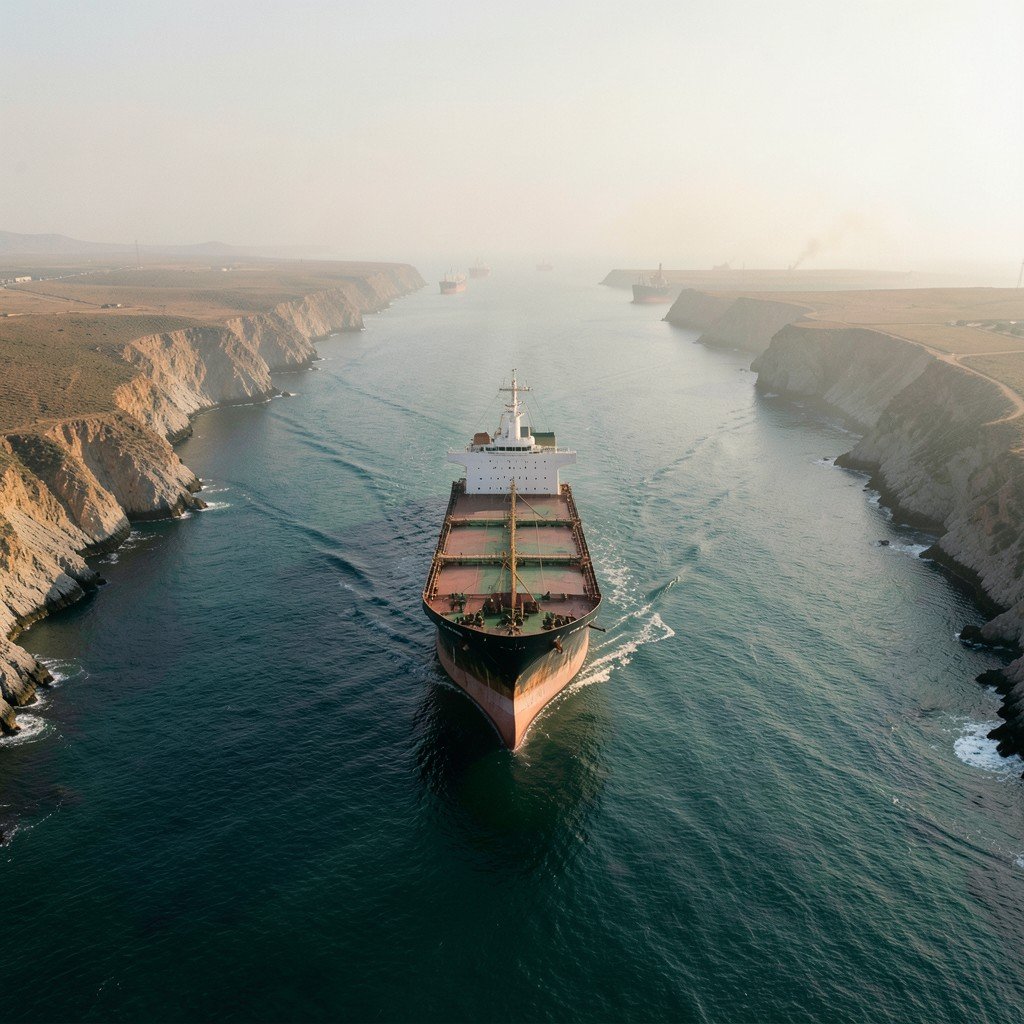
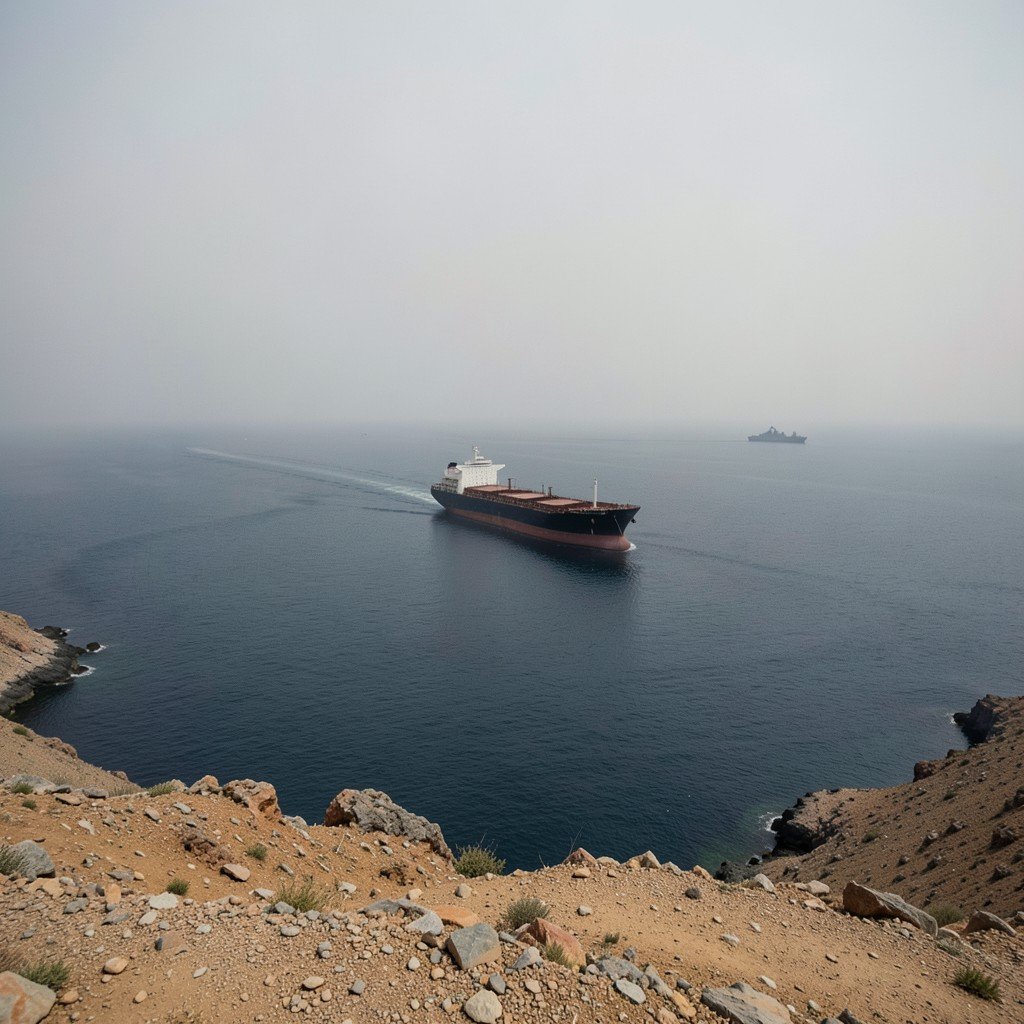
Control of the Strait of Hormuz has emerged as the war's most consequential flashpoint. Iran effectively closed the narrow waterway early in the conflict, causing shipping traffic to slump from more than 100 ships per day to an average of about five. The US responded with a naval blockade on Iranian ports, which continues. This week Iran announced it had agreed to a shipping route with Oman, which it will partially control.