

Iran Oman Agree Temporary Shipping Route Through Strait of Hormuz
news

Iran Oman Agree Temporary Shipping Route Through Strait of Hormuz

By Editorial TeamAug 26, 2026 · 5:58 PM4 min read
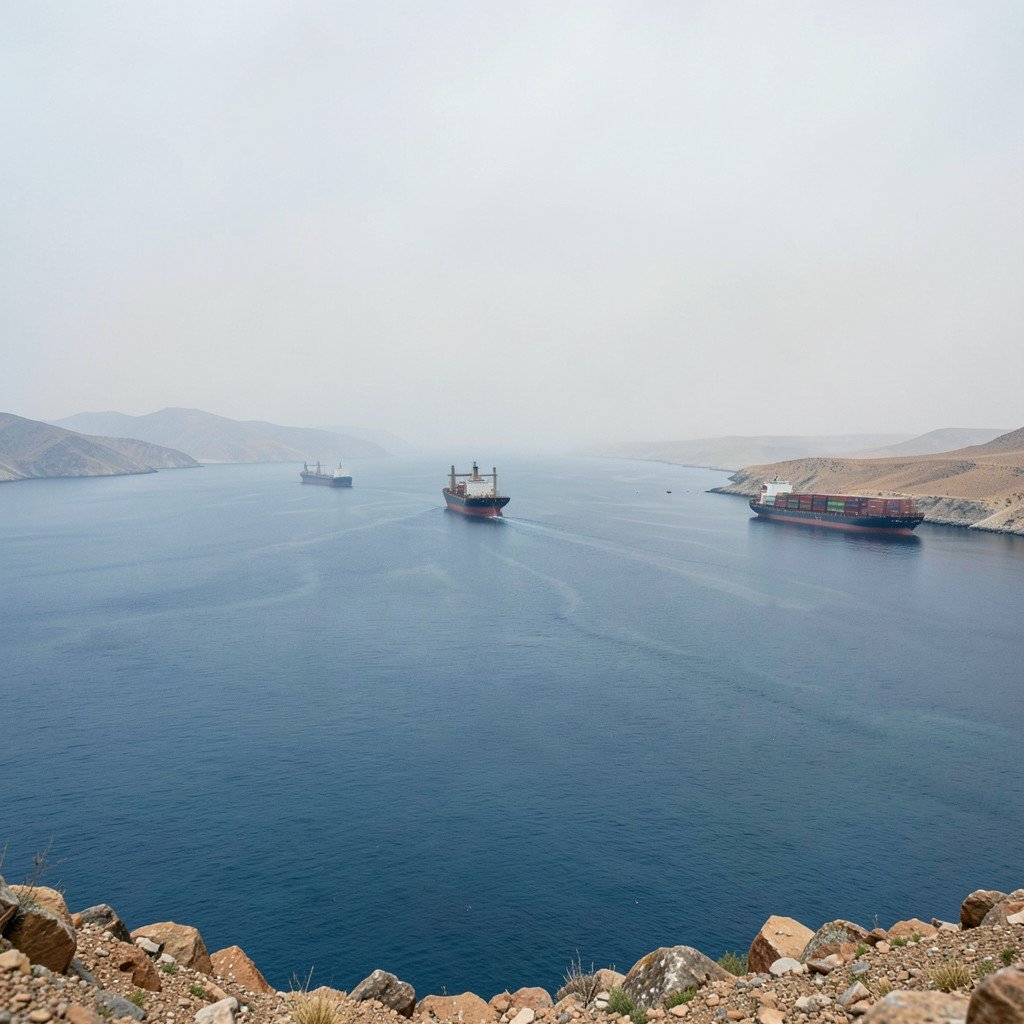
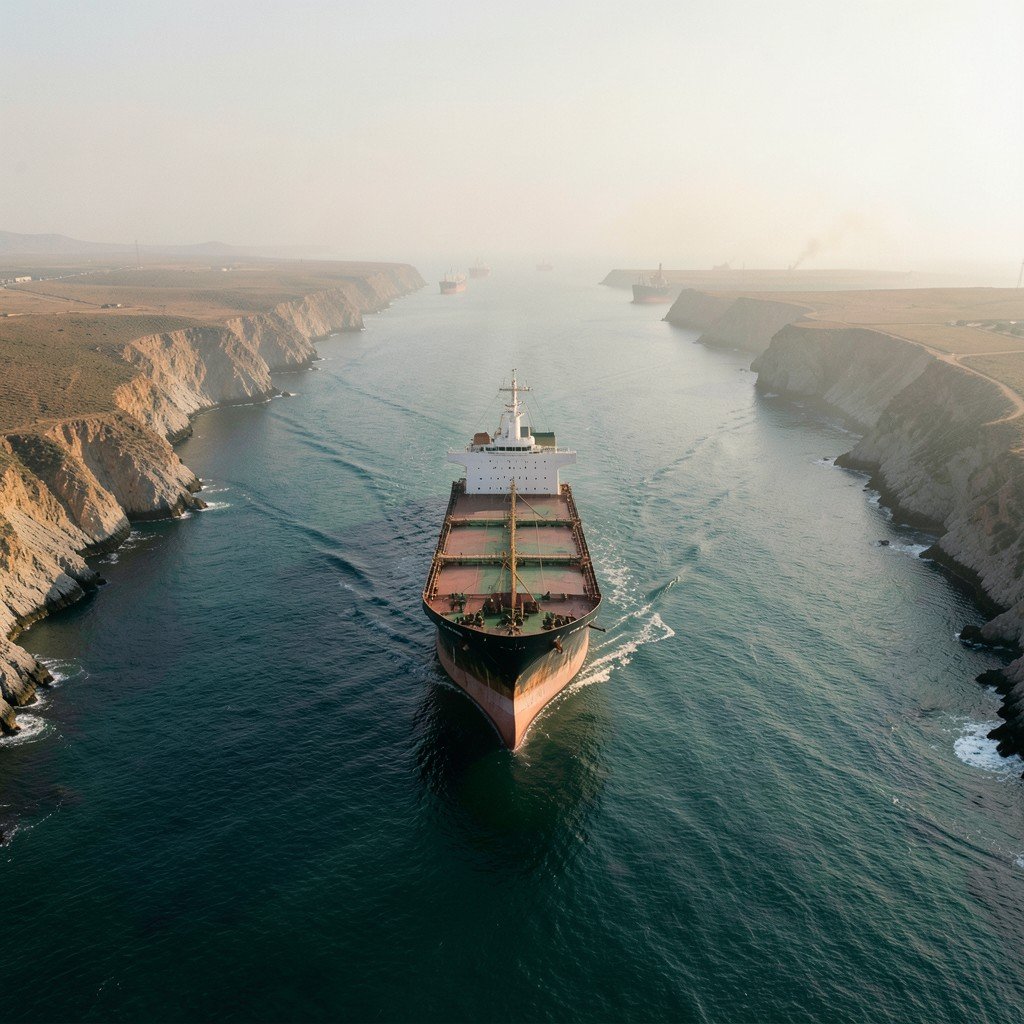
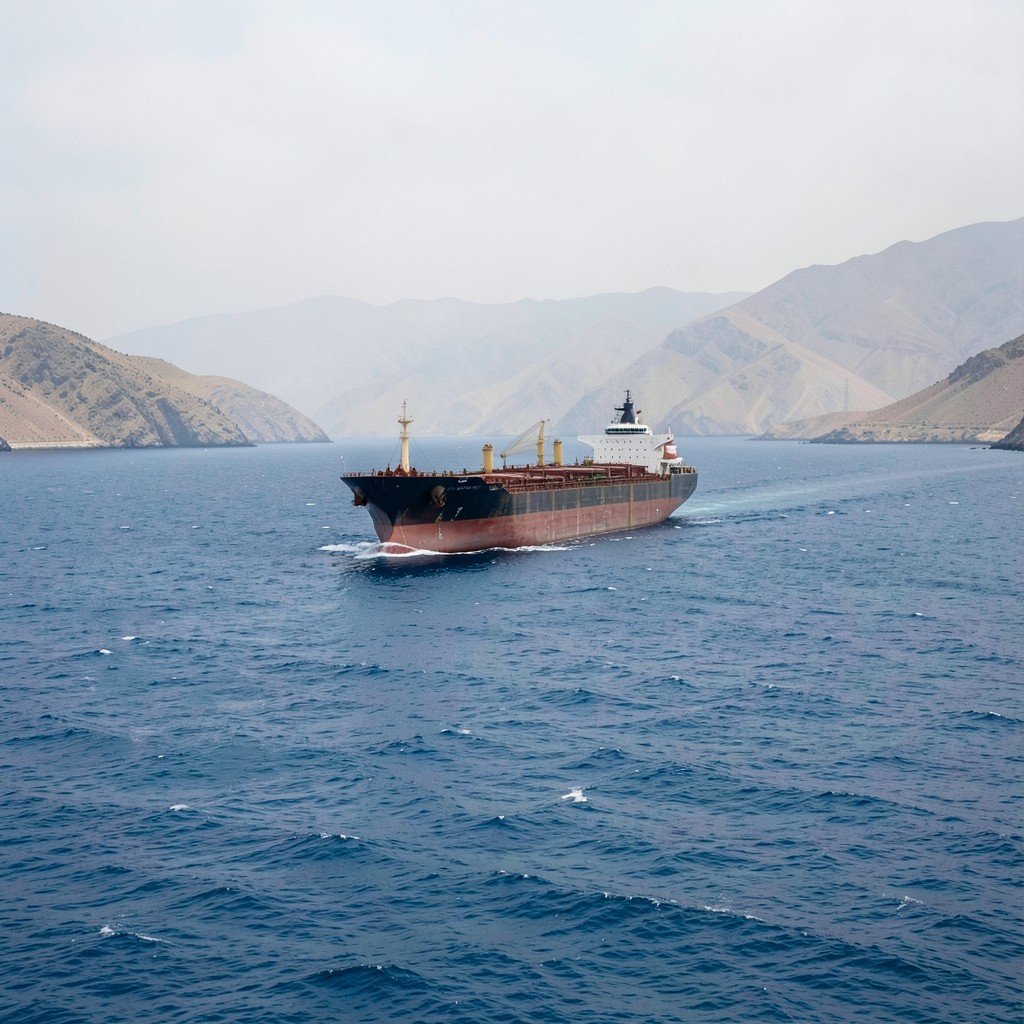
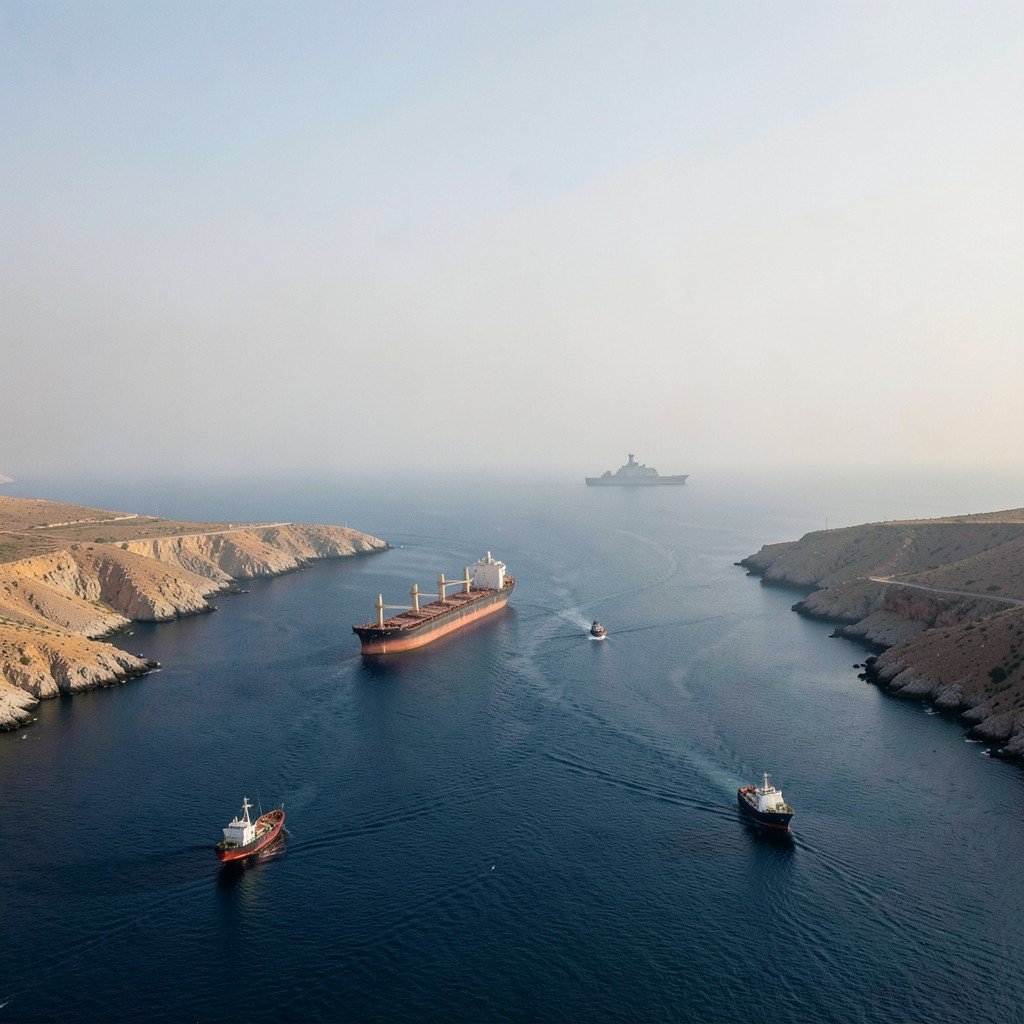
AI-generated representative image: An oil tanker transits the Strait of Hormuz, the narrow waterway at the center of the Iran-Oman shipping route agreement.
Editorial Team
Editorial Team
Provisional maritime corridor remains conditional as Tehran ties full Hormuz reopening to US compliance with lapsed ceasefire deal

Iran and Oman have agreed on a temporary maritime route for ships travelling through the Strait of Hormuz, Iran's Deputy Foreign Minister Kazem Gharibabadi announced on Tuesday. The transit corridor will be 7 miles (11.3km) wide, with its entry point beginning in Iranian territorial waters and part of the exit route also passing through Iranian waters.

Gharibabadi stressed, however, that the strategic waterway will not fully reopen until the United States fulfils its commitments under an interim peace deal signed in June, which has since lapsed.

The Strait of Hormuz is one of the world's most critical energy chokepoints, carrying roughly one-fifth of global oil and natural gas supplies from Gulf producers in peacetime. Its effective closure since the US-Israel war on Iran began in February has sent global energy markets into crisis, with Brent crude repeatedly surging past $100 a barrel.

The new agreement matters because it represents a rare bilateral arrangement between Iran and Oman over a waterway that has become a central obstacle to any lasting peace plan, while also underscoring Washington's limited leverage over the corridor's future.

Key Developments

The agreement follows weeks of talks between Tehran and Muscat over controlling traffic through the strategic waterway. An Islamic Revolutionary Guard Corps (IRGC) spokesperson said negotiations began about a month ago and produced results accepted by both sides, covering each country's share of the strait's waters and revenues.

Iranian Foreign Minister Abbas Araghchi met his Omani counterpart, Badr Albusaidi, in Tehran on Tuesday to discuss the temporary navigation corridor as well as a mine-clearing project, according to a joint statement. Albusaidi said he hoped the countries would "soon announce" the corridor, adding that a permanent solution would follow in due course.

Despite the agreement, key details remain unresolved, including the precise coordinates of the route, when ships can begin traversing it safely, how revenues would be generated, and whether any vessels or flags will be barred from using it.
Background and the Hormuz Crisis

Before the war, more than 20 percent of global oil and liquefied natural gas shipments passed through the strait, the only sea route connecting the Gulf to the open ocean, with about 130 ships crossing daily and Brent crude priced near $66 a barrel. Following strikes on Tehran on February 28, Iran closed the strait in early March, allowing only ships it deemed "friendly" to pass.

In April, the IRGC issued a route map routing traffic closer to the Iranian coast and designating a large section of Omani territorial waters as "restricted." The US later enforced a naval blockade of Iranian ports around the strait to restrict fuel exports. On June 17, a memorandum of understanding established a 60-day ceasefire, but vague wording fractured the waterway into two disputed routes: a southern course approved by Oman and backed by the US, and a northern one approved by Iran.

Since US bombing of parts of Iran in July, Tehran has refused direct talks with Washington and will negotiate only with Oman over the waterway, which passes through the territorial waters of both countries.

Official Statements and Disputes

Iranian army spokesperson Mohammad Akraminia said vessels will be subject to Iranian surveillance before entering the strait and will only pass with Iran's permission. Gharibabadi insisted the US must grant sanctions relief and release frozen Iranian assets to resume peace talks, urging countries to resist Washington's economic pressure.

The US has not formally responded to the agreement, but President Donald Trump last week threatened to bomb Oman if it "gets in the way" of a peace deal, telling Fox News on August 17: "If Oman gets in the way, we'll bomb the s*** out of them." On Monday, US Treasury Secretary Scott Bessent announced sanctions against 60 entities worldwide accused of facilitating Iranian oil sales.

Analysts say the Iran-Oman understanding runs contrary to Washington's demand that Iran relinquish control of the strait. Laleh Khalili, a professor of Gulf studies at the University of Exeter, said a solution mediated without US intervention would show "how impotent the United States is and has been."

What Happens Next

Gharibabadi emphasised that the agreed route is temporary and does not mean the strait is open. Technical talks are planned to develop a long-term arrangement, including mechanisms for information sharing and navigational and security services.

Disagreements also remain over whether Iran may charge fees to shipping companies, an issue international law restricts for natural waterways. The status of sea mines in the strait remains unresolved, with Iran not officially disclosing their number or location. On Tuesday, an oil tanker was disabled by an unidentified projectile near Oman's Ash Shishah, underscoring the continued risks to shipping.

MORE LIKE THIS

Comments (0)

Leave a comment

A verified Gmail account is required to post comments.

No comments yet. Be the first to share your thoughts!