

Iran Sanctions Economy: Self-Sufficiency Plan Amid Six-Month War
news

Iran Sanctions Economy: Self-Sufficiency Plan Amid Six-Month War

By Editorial TeamAug 26, 2026 · 5:12 PM4 min read
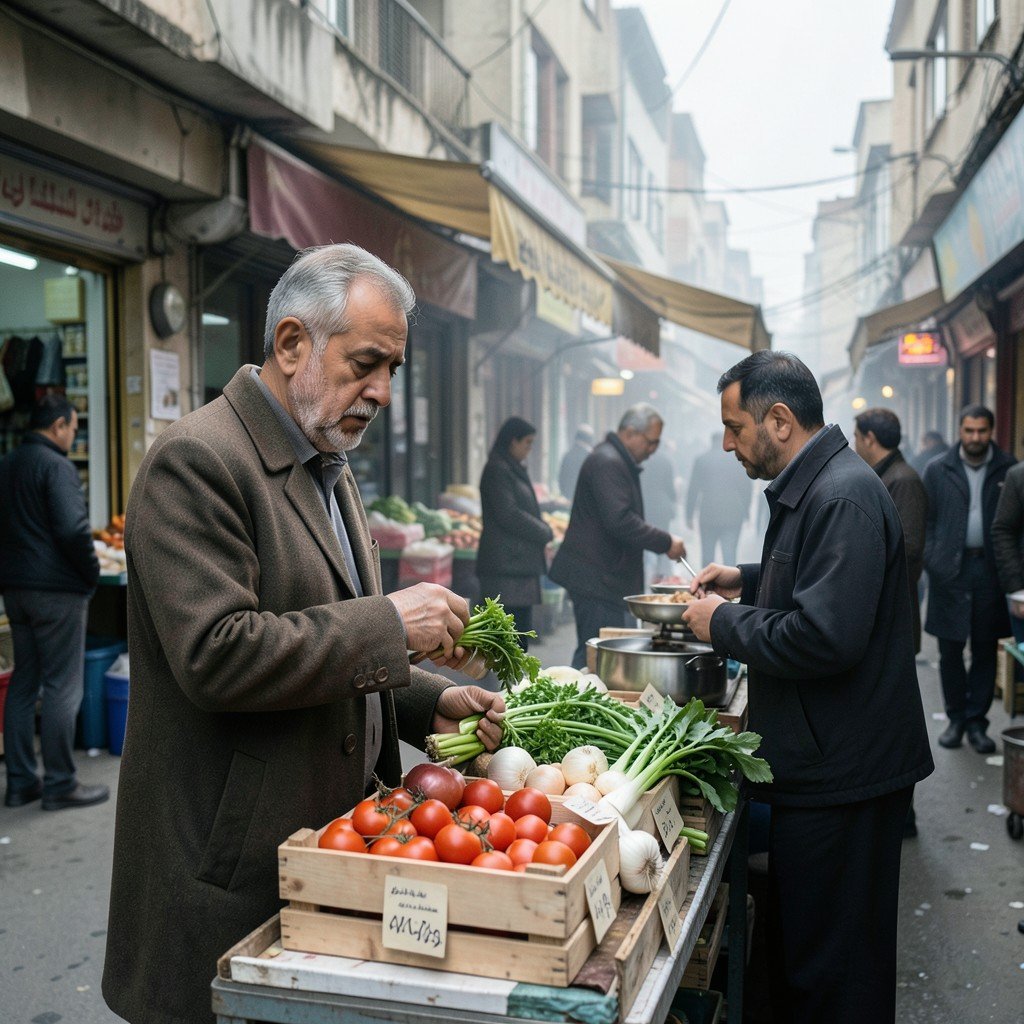
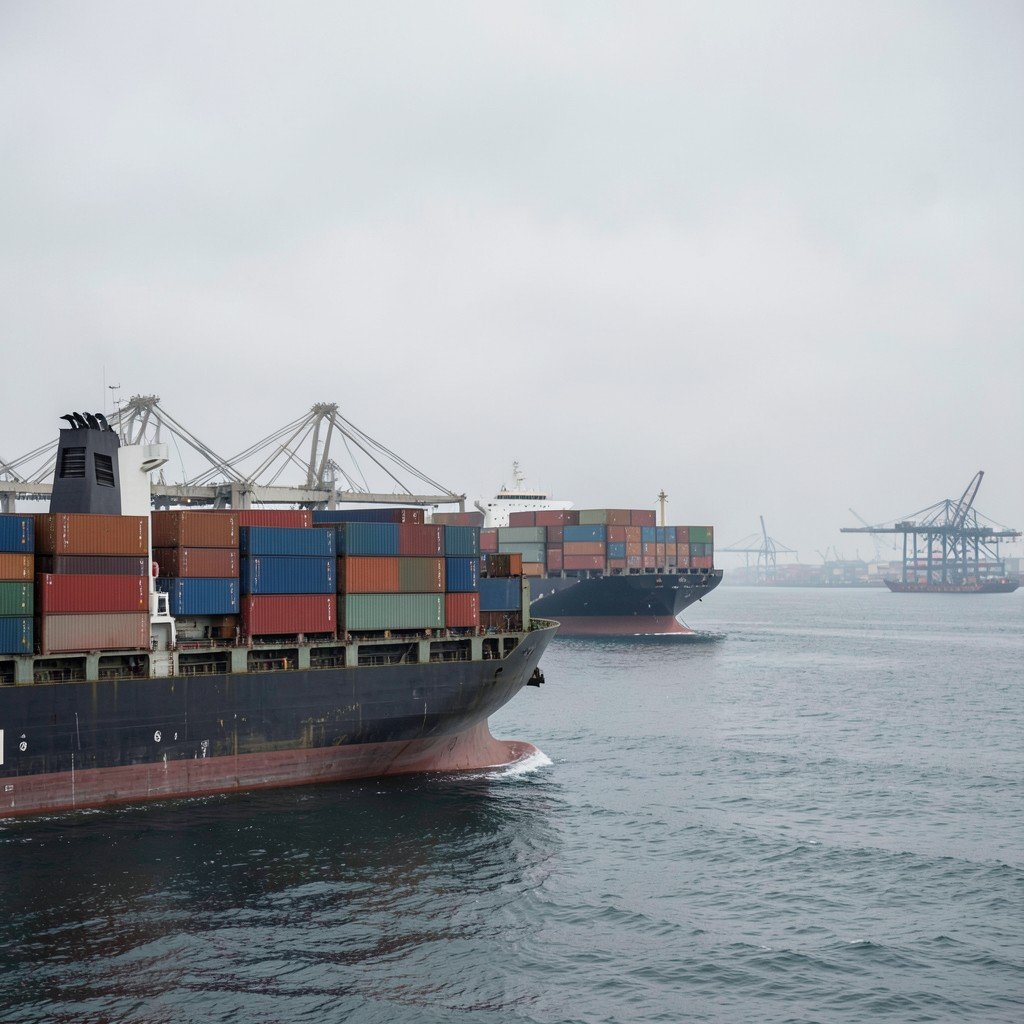
AI-generated representative image: A shopper examines produce at a Tehran street market amid rising food prices and economic strain under renewed sanctions.
Editorial Team
Editorial Team
Tehran leans on stockpiles and domestic production as inflation, fuel shortages and currency collapse test public endurance.

Iranian authorities insist the country's domestic capacities can keep its economy afloat despite new United States sanctions unveiled this week, six months into the war between the two nations. Economy Minister Ali Madanizadeh referenced a two-year government plan on state television Monday night, framing the response as preparation rather than crisis management.

"We have our own tools and we also know the game," Madanizadeh said, citing Iran's years of experience circumventing sanctions.

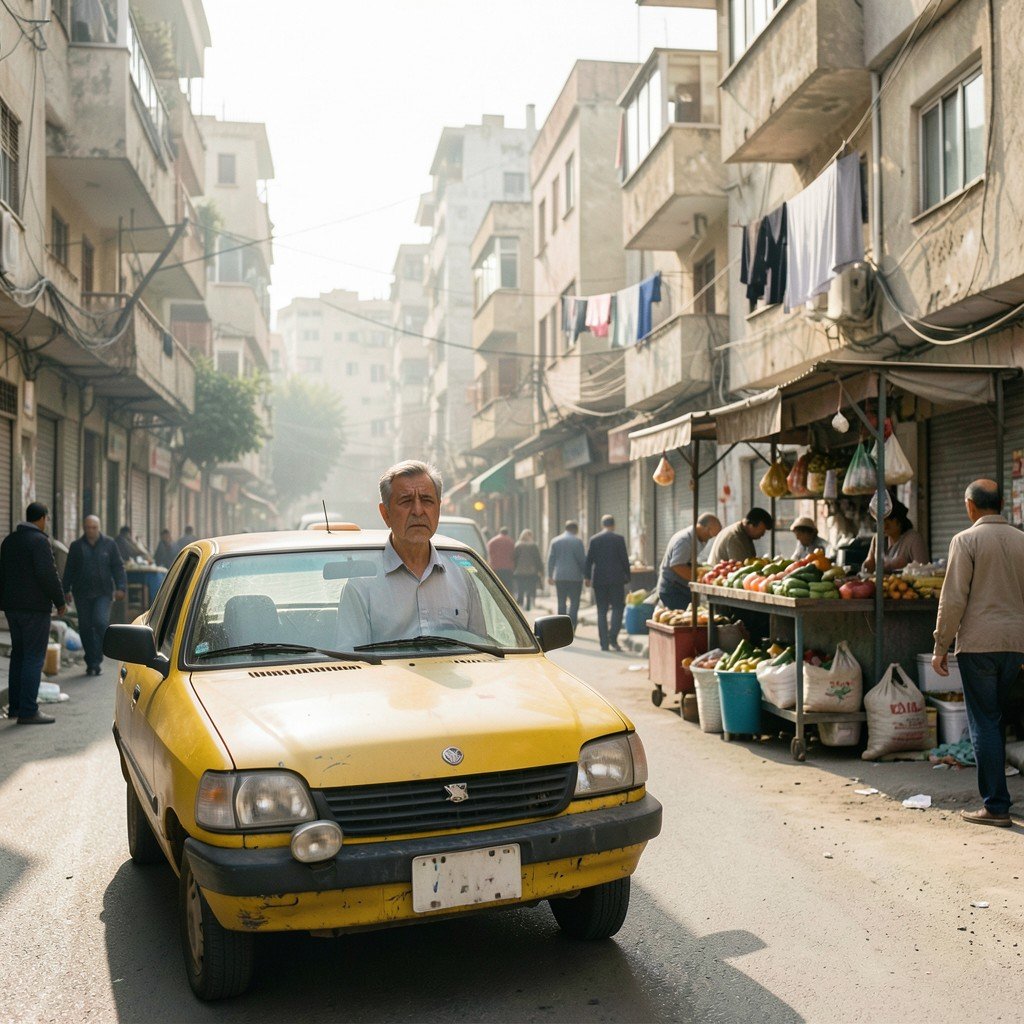
The escalating economic pressure is reshaping daily life for Iran's roughly 90 million people, who are contending with runaway inflation, energy rationing, medicine shortages and a collapsing national currency. The government's survival strategy now hinges on stockpiling essential goods and foreign currency while pushing a decades-old doctrine of self-sufficiency, even as officials acknowledge conditions will not improve over the next year.

Government Response to Sanctions

Central Bank Governor Abdolnasser Hemmati told senior business representatives earlier this week that oil exports, Iran's main source of foreign currency income, have almost completely stopped. He reassured them there was no shortage of foreign currency for essential goods because the central bank holds cash stockpiles "in places [the US] cannot access."

Hemmati acknowledged "serious issues" including runaway inflation and declining purchasing power, but drew a distinction between hardship and collapse: "Enduring hardship is very different from collapse and what the US is after."

Government spokesman Fatemeh Mohajerani said Tuesday that Iranians should not expect conditions to improve over the next year, and that the Supreme National Security Council must authorise any release of poverty data.
Self-Sufficiency as Strategic Doctrine

The emphasis on domestic production is not new. Iran's national development plans have repeatedly prioritised "self-sufficiency" for decades, often at considerable cost. Newly appointed security chief Mohsen Rezaei urged younger Iranians this week to "enter the economy" and manufacture goods for their households and communities at home.

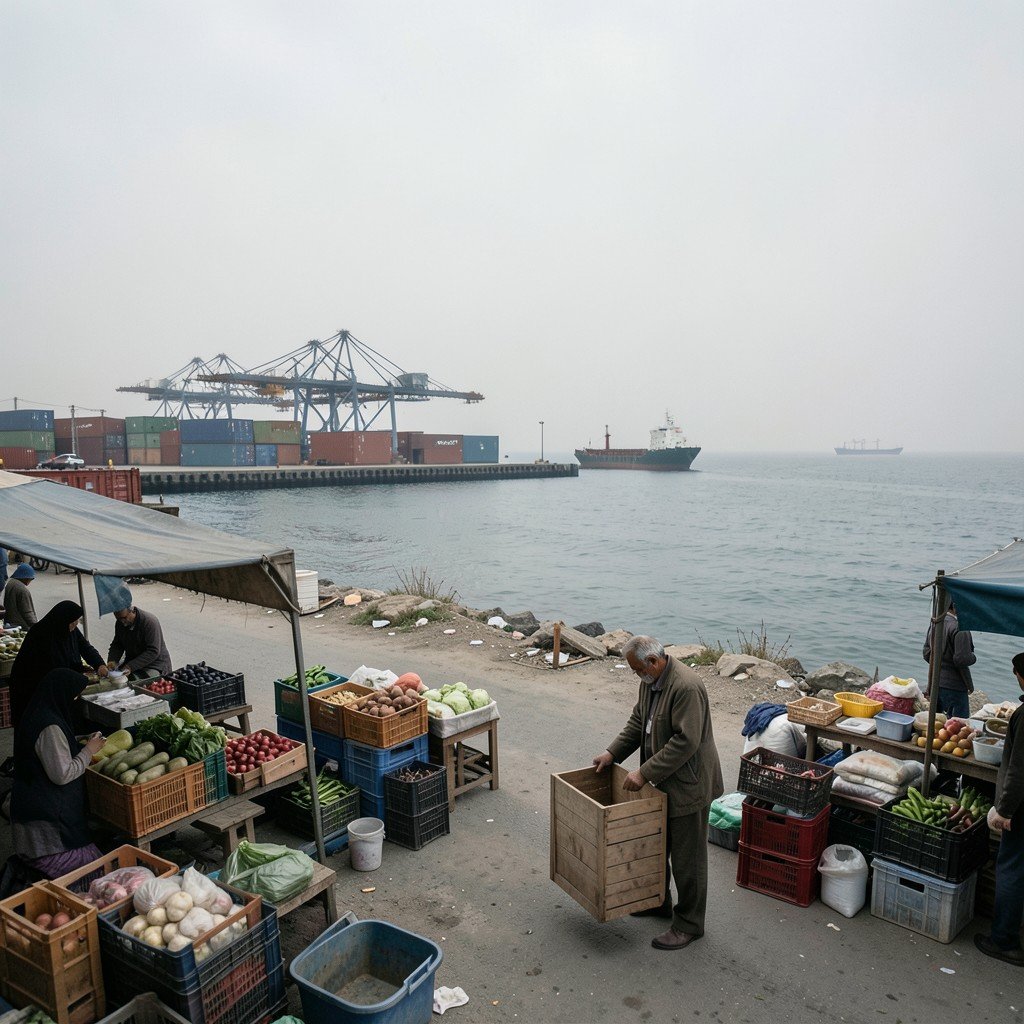
For food, the government claims Iran produces 85 percent of its agricultural products domestically, though this raises concerns about the country's severe water scarcity. Agriculture Minister Gholam-Reza Nouri said Tuesday the goal is to reach 90 percent self-sufficiency in the short term and ultimately produce all essential food domestically. Iran imports about $16 billion in agricultural products and exports $8 billion, though some exports were suspended in March after the war began.

Inflation, Shortages and Infrastructure Strain

Food prices in Iran were more than 128 percent higher in July than a year earlier, according to the Statistical Center of Iran. The national currency fell to an all-time low of 2.05 million rials against the US dollar on Tuesday before a slight recovery Wednesday.

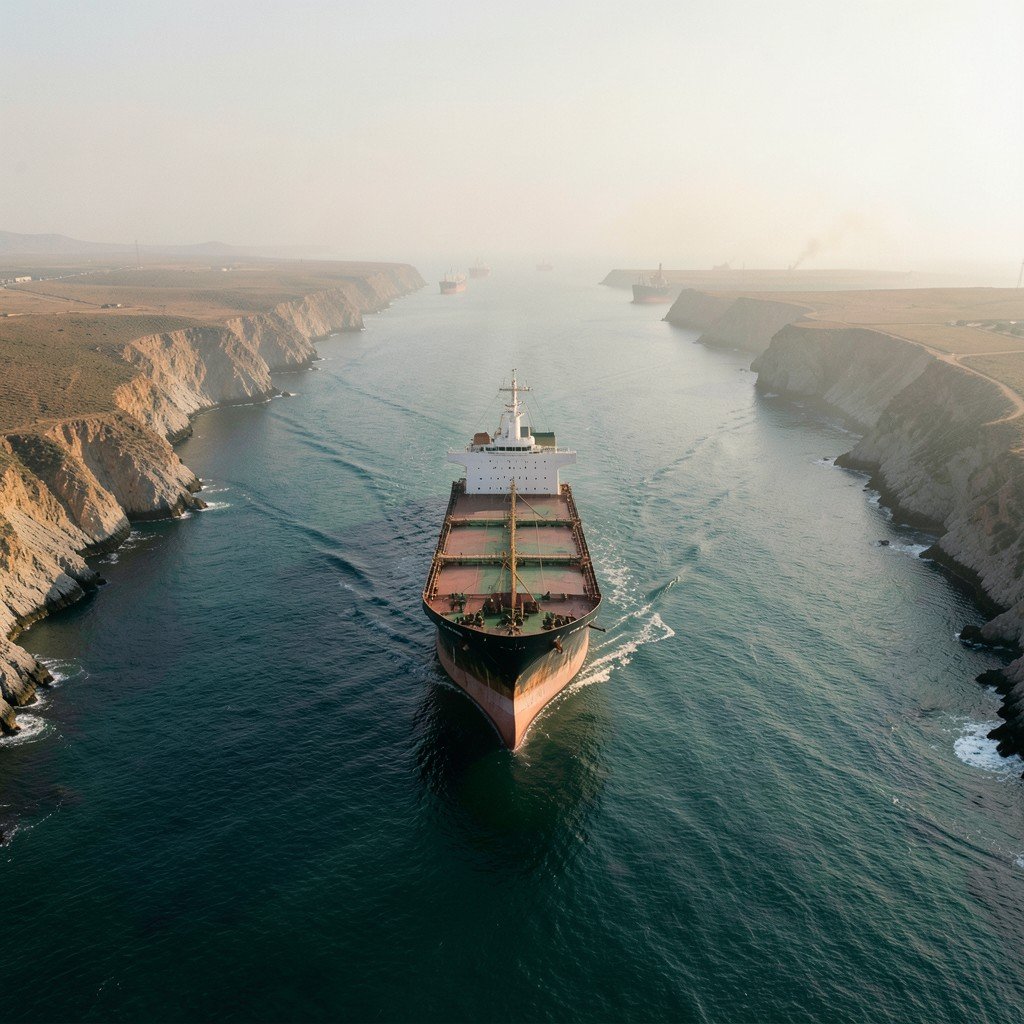
The United Nations Food and Agriculture Organization warned in March that rising import costs, logistics disruptions and supply-protection policies were accelerating food inflation and reducing household purchasing power. It cautioned that overland trade routes cannot replace the larger volumes normally moved by sea.

On the medical front, the government says Iran produces about 97 percent of its medicine, but parliament's health committee spokesman Salman Eshaghi said in May the country faced shortages of nearly 1,000 medicines. Medicine prices have surged in recent months after the government began cutting cheap currency allocations for some imports.

Energy Crunch and What Comes Next

Daily power blackouts continue across Tehran and other cities, and natural gas shortages are expected within months as colder weather drives up demand. Petrol stations in several cities ran out of allocated fuel on Tuesday and Wednesday, prompting lengthy queues. Mohajerani promised fuel prices and quota levels would remain unchanged through September 22, though private-vehicle quotas have already been cut.

The National Iranian Oil Refining and Distribution Company said two new refineries in southern Iran would open by late March, adding about 12 million litres per day to production capacity.

MORE LIKE THIS

Comments (0)

Leave a comment

A verified Gmail account is required to post comments.

No comments yet. Be the first to share your thoughts!