

Iran Sets Conditions for Reopening Strait of Hormuz
news

Iran Sets Conditions for Reopening Strait of Hormuz

By Editorial TeamAug 28, 2026 · 4:08 AM3 min read
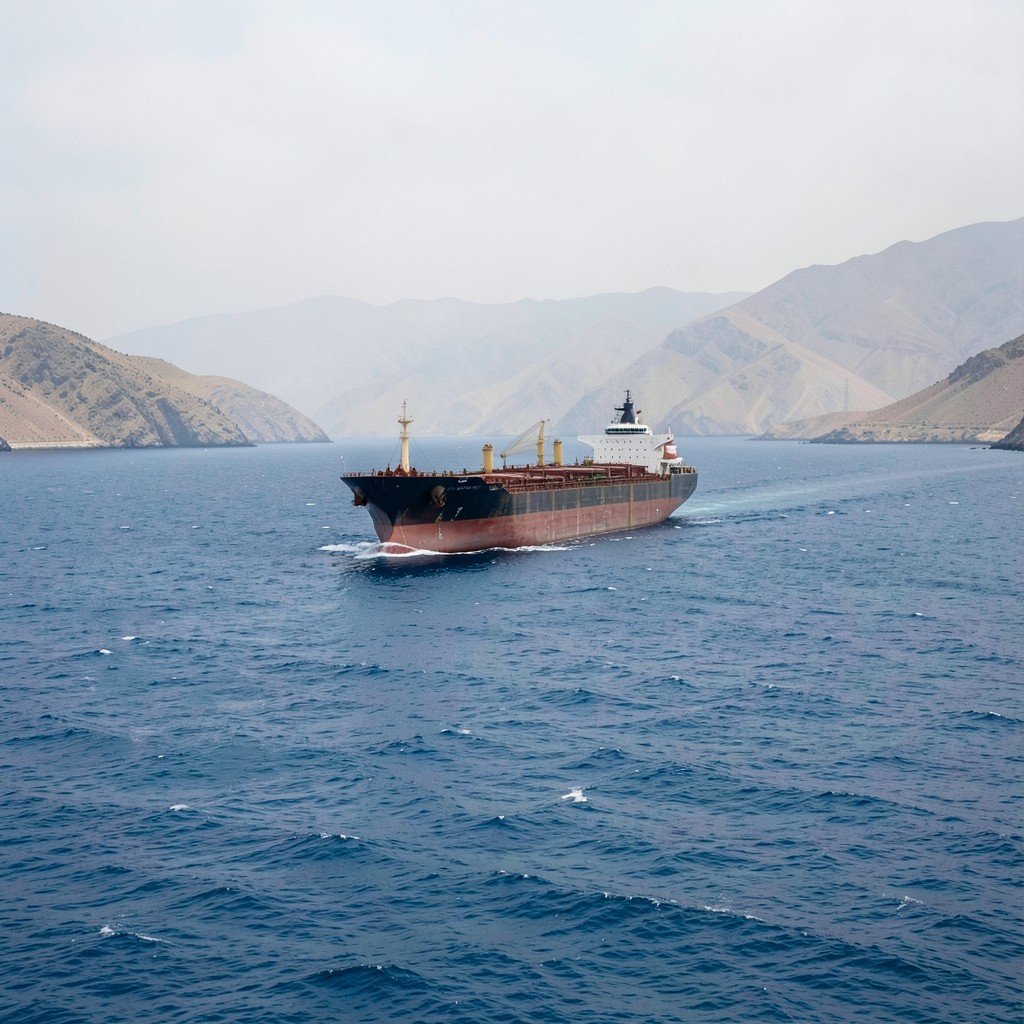
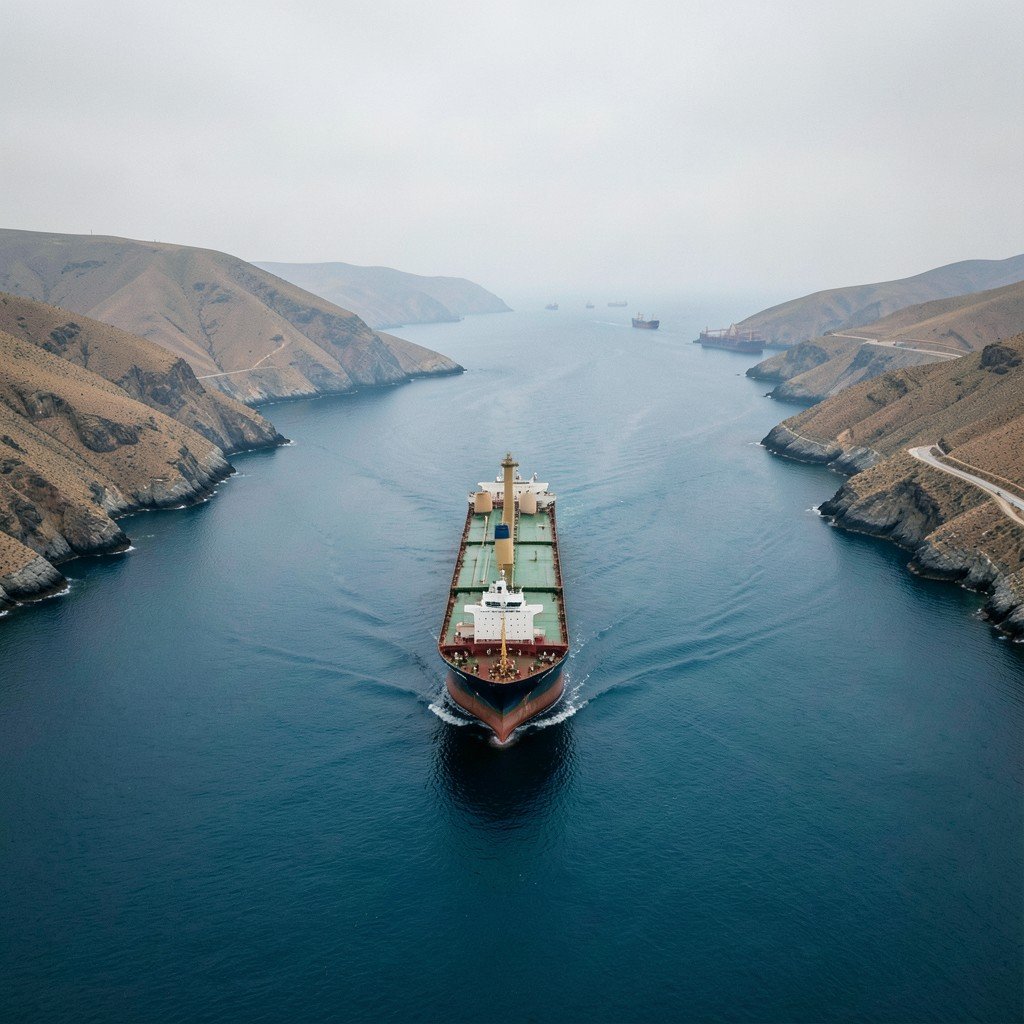
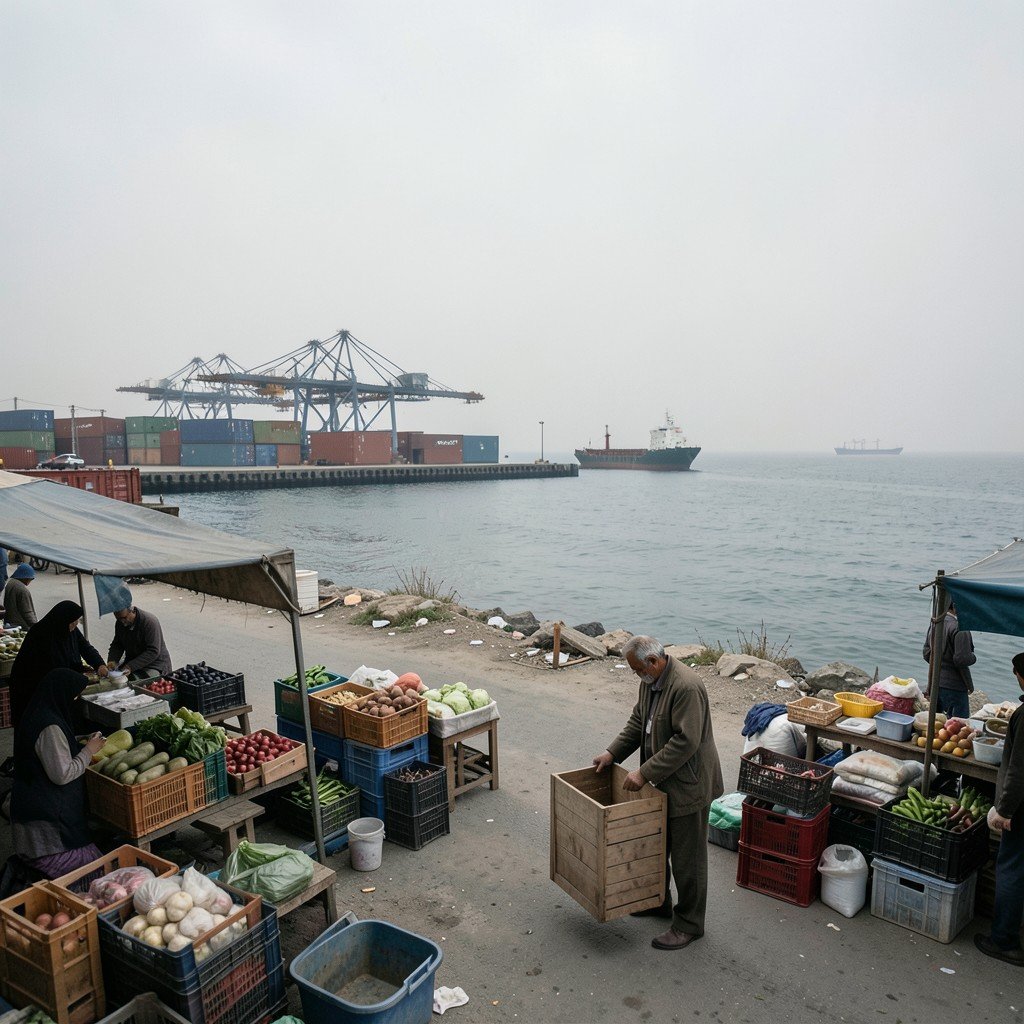
AI-generated representative image: A commercial tanker traverses the Strait of Hormuz, the strategic waterway at the center of ongoing negotiations.
Editorial Team
Editorial Team
Tehran outlines terms for the vital waterway as mediators from Qatar and Oman push for negotiations amid US sanctions

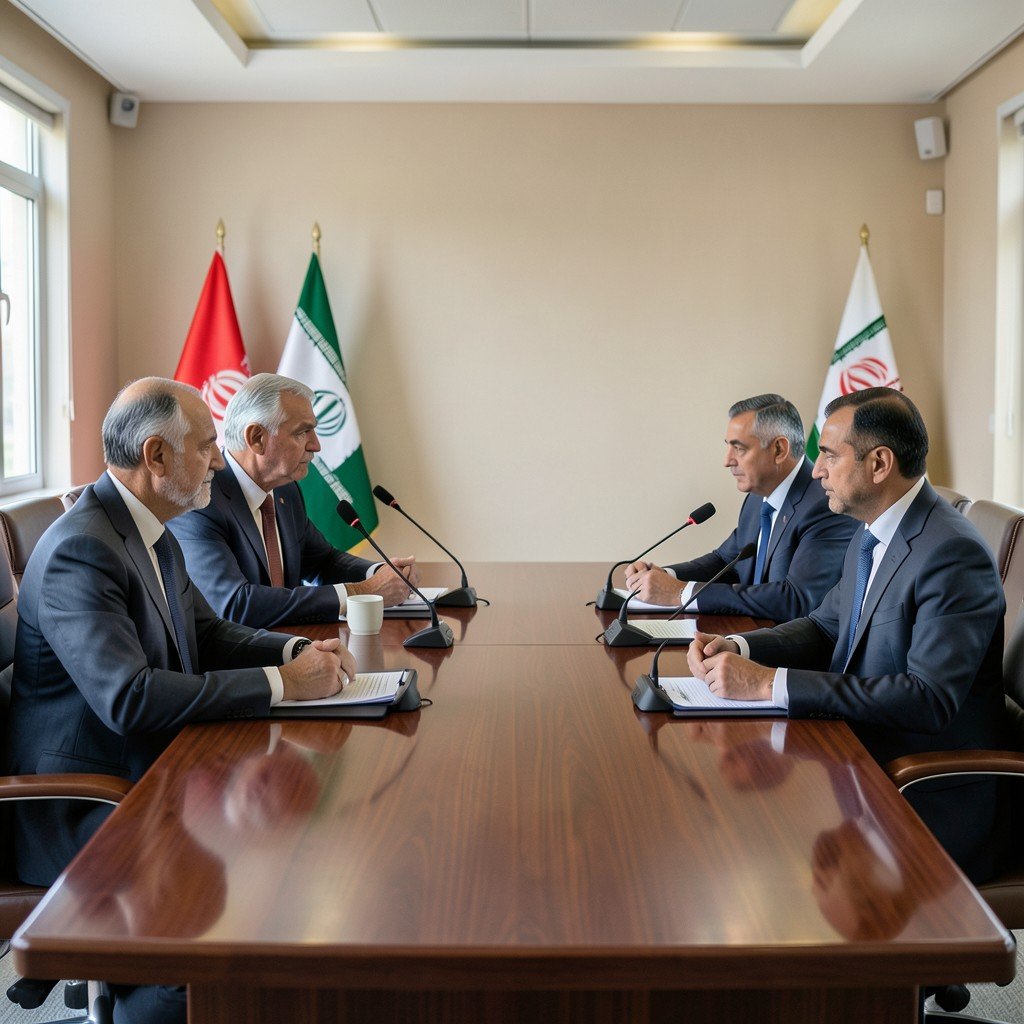
Iran is preparing a list of conditions for reopening the Strait of Hormuz, according to Mohsen Rezaei, secretary of Iran's Supreme National Security Council. Speaking on Thursday, Rezaei said mediators had requested Tehran outline its terms, with ending the regional war among them.

His remarks came as Qatar's prime minister held talks in Tehran, making Qatar the third mediating state to visit Iran within a week, following earlier delegations from Pakistan and Oman.

The Strait of Hormuz is one of the world's most critical maritime chokepoints, and its closure has disrupted global energy flows. The standoff between Washington and Tehran over reopening the waterway carries significant implications for international oil supplies and regional stability, with multiple nations now attempting to broker a resolution.

Mediation Efforts and Iranian Conditions

Qatar's Foreign Ministry said the two sides had discussed a temporary corridor through the strait and a joint project to clear mines from it. Rezaei said Iran and Oman had agreed on a corridor running partly through Omani and partly through Iranian waters, with vessels using a middle channel if Washington met Iran's demands.

"The US must first take practical steps to fulfil Iran's conditions, and then Iran will proceed to open the Strait of Hormuz," Rezaei told the IRNA news agency.

A spokesperson for Iran's Revolutionary Guard Corps (IRGC) said on Wednesday that Tehran would not allow a reopening unless Washington lifted its blockade of Iranian ports, paid compensation for war damages and removed sanctions.
Background of the Standoff

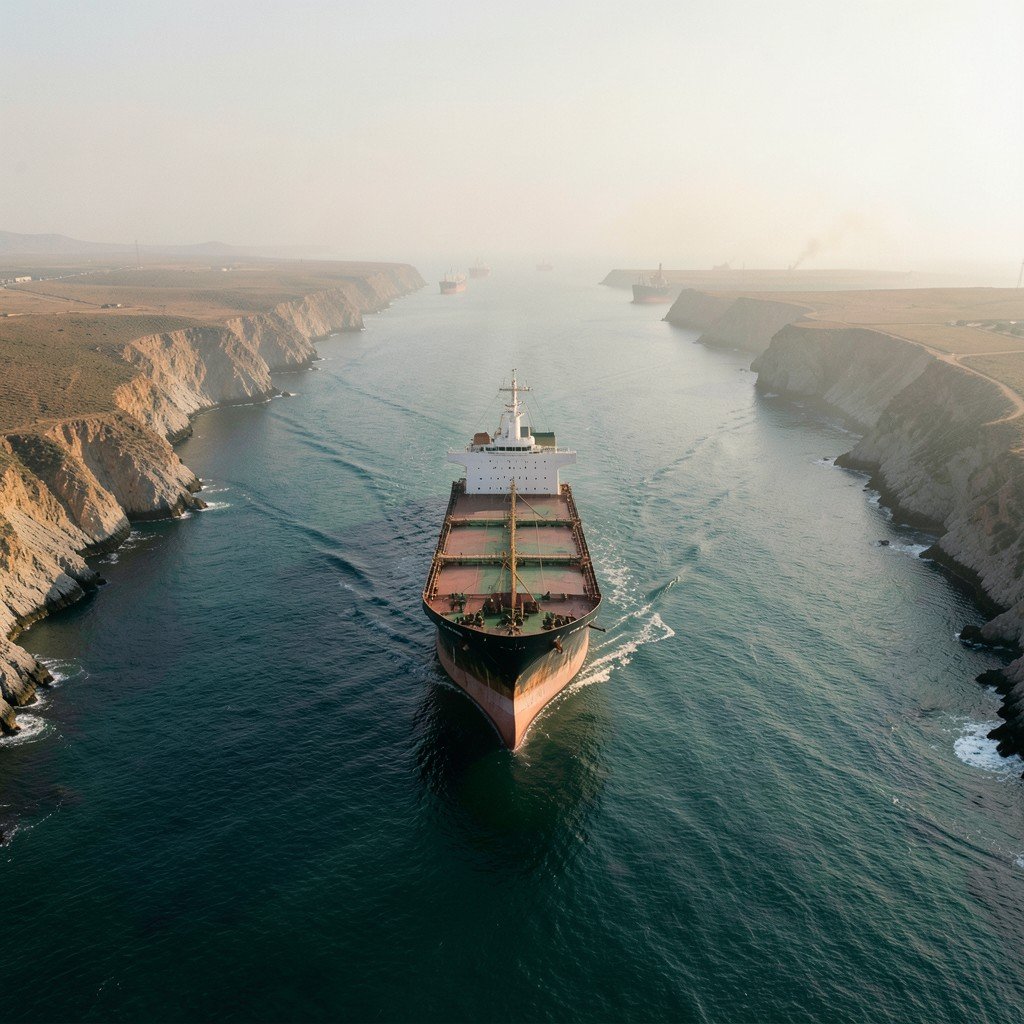
Tehran effectively closed the strait after the US-Israel bombing campaign began on February 28. It was reopened briefly under a June Memorandum of Understanding (MoU), under which Iran was to clear mines and let ships pass free of charge for 60 days while Washington lifted the blockade and eased sanctions.

Iran declared the strait shut again after accusing the US of violating the MoU, with the US reimposing its blockade in retaliation. The agreement expired on August 17, though it had been abandoned by both sides weeks earlier.

Conflicting Claims Over the Waterway

Speaking in the Oval Office on the same day as Rezaei, US President Donald Trump declared the waterway "open," saying that US forces had already cleared it of mines and that millions of barrels of oil were leaving the strait each day.

Trump told Al Jazeera on Wednesday that he was in no rush to resume negotiations. "I have no time schedule, none. I'm not in a hurry," he said.

What Lies Ahead

A source in the US administration said the blockade would remain in place and that no talks with Iran were scheduled. While mediators continue their diplomatic visits, no official timeline has been confirmed for when Iran might formally present its conditions or when the strait could reopen.

MORE LIKE THIS

Comments (0)

Leave a comment

A verified Gmail account is required to post comments.

No comments yet. Be the first to share your thoughts!