

Iran Strikes US Bases in Jordan After Larak Island Attack
news

Iran Strikes US Bases in Jordan After Larak Island Attack

By Editorial TeamAug 31, 2026 · 5:08 AM4 min read
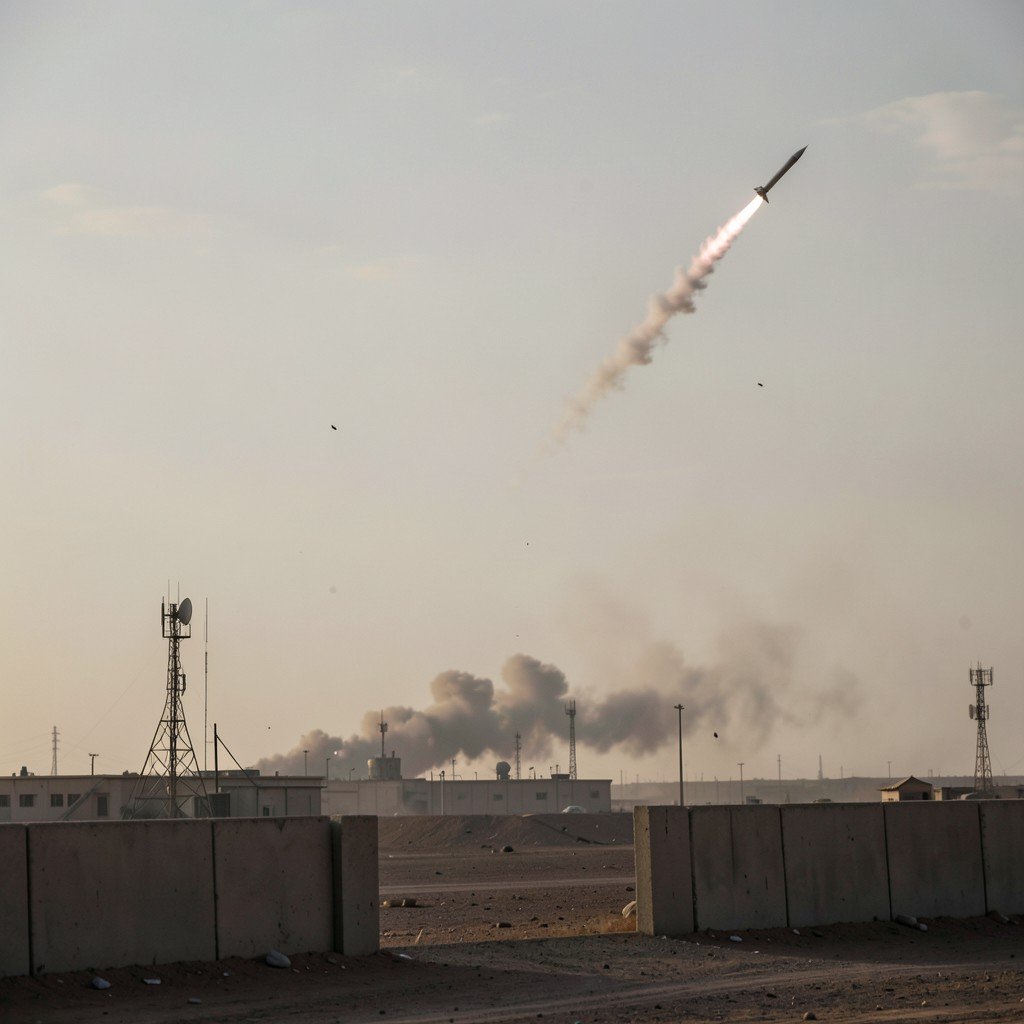
AI-generated representative image: A missile interceptor rises over a desert military base at dawn, illustrating reports of rocket and drone fire in the region.
Editorial Team
Editorial Team
IRGC missile and drone operation targets two American bases following US strike on Larak Island

Iran launched missiles and drones at two US military bases in Jordan on Monday, in what the Islamic Revolutionary Guard Corps (IRGC) described as retaliation for an American strike on Larak Island in southern Iran a day earlier. The IRGC said the operation, named "Punishment of the Aggressor," hit the King Hussein and Al Azraq bases, while Jordan's military reported intercepting eight missiles and no injuries at either site.

The exchange marks the first outbreak of direct violence between the two sides since late July and risks reigniting a broader military confrontation as the US-Israel war on Iran enters its seventh month. The escalation comes at a time when Washington has been shifting from a bombing campaign toward financial pressure on Tehran, even as both sides signal they are prepared to continue fighting.

Escalation and Retaliation

The IRGC claimed the strikes "destroyed the technical and repair infrastructure, as well as the enemy fighter deployment sites," inflicting significant damage. Jordan's military said air defence systems intercepted eight missiles that breached the kingdom's airspace at dawn on Monday, and no casualties were reported at either base.

In a separate development, the IRGC announced on Monday that its air defences had shot down a US MQ-9 Reaper drone over the Strait of Hormuz, which then fell into the Gulf. The claim was carried by Iran's Fars and Mehr news agencies.

US Central Command (Centcom) denied that Sunday's attack on Larak Island was an "act of aggression," stating on X that the US took "limited, precise action" to prevent Iranian forces from laying mines in the Strait of Hormuz, and blamed Iran for the subsequent attacks.
Background of the Conflict

The United States and Israel launched the war on Iran in late February, and the conflict has since included repeated exchanges of fire. Iran has previously responded to US attacks by launching missiles and drones at military bases hosting American troops in neighbouring countries.

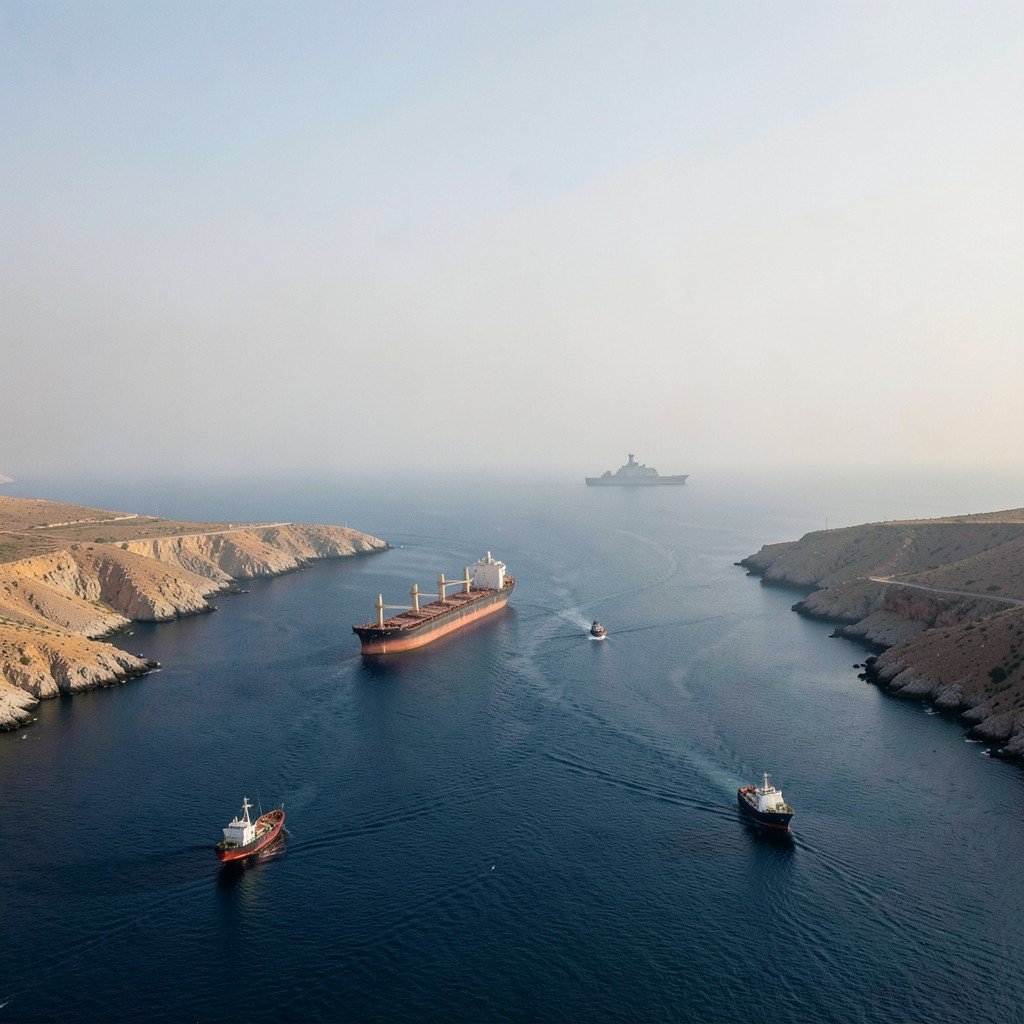
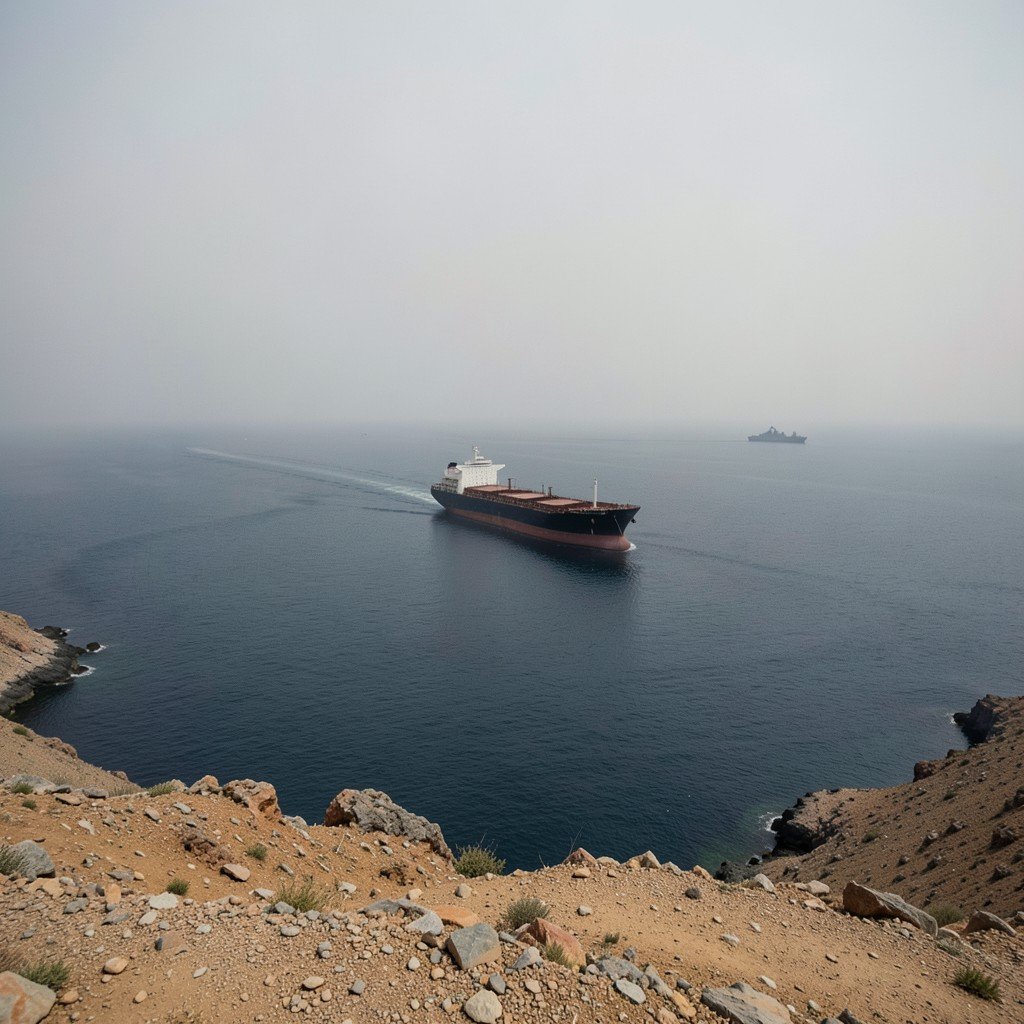
In recent weeks, Washington has claimed control over the Strait of Hormuz, saying millions of barrels of oil have passed through the waterway under US military protection despite Tehran's blockade. However, attacks on ships in the strait have been reported almost daily, and Iran has maintained that the waterway is closed.

The strategic waterway and Iran's energy infrastructure remain central to the conflict. Before the war, Kharg Island handled the majority of Iran's oil exports, making it a vital economic node. US President Donald Trump has repeatedly threatened to seize or destroy the island since the war began.

Official Statements and Reactions

In his first comments since the US attack on Larak Island, Iranian President Masoud Pezeshkian said Tehran was "not looking for war," but would "never sit still in the face of any aggression." He made the remarks while departing for Bishkek, Kyrgyzstan, to attend a Shanghai Cooperation Organisation summit.

Iran's Fars news agency reported that the attack by the "American-Zionist enemy" killed and injured soldiers, without providing a figure. Iranian Foreign Minister Abbas Araghchi dismissed US claims of controlling the strait, writing on X that "our intelligence shows major efforts to game energy markets."

Meanwhile, Trump posted an AI-generated video on his Truth Social platform on Monday appearing to depict the bombing of Kharg Island, with the caption "Kharg Island being blown to smithereens!!!" There was no other evidence that the Iranian energy hub was under attack.

What Lies Ahead

Tehran has promised further retaliation for Sunday's US strike on Larak Island, while Pentagon chief Pete Hegseth has warned that the US is prepared to use military force if necessary. Last week, the Trump administration announced a push to isolate Iran financially through secondary sanctions against countries and companies doing business with Tehran.

Oil prices have remained high amid supply uncertainty, with the average US petrol price still above $4 per gallon, up from less than $3 when the war began. Rising energy costs and inflation could affect the Republican Party's prospects in November's midterm elections, adding political pressure to an already volatile military situation.

MORE LIKE THIS

Comments (0)

Leave a comment

A verified Gmail account is required to post comments.

No comments yet. Be the first to share your thoughts!