

Israel Election Exit Polls Project Deadlock With No Clear Winner
news

Israel Election Exit Polls Project Deadlock With No Clear Winner

By Editorial Team•Oct 28, 2026 · 3:56 AM•3 min read
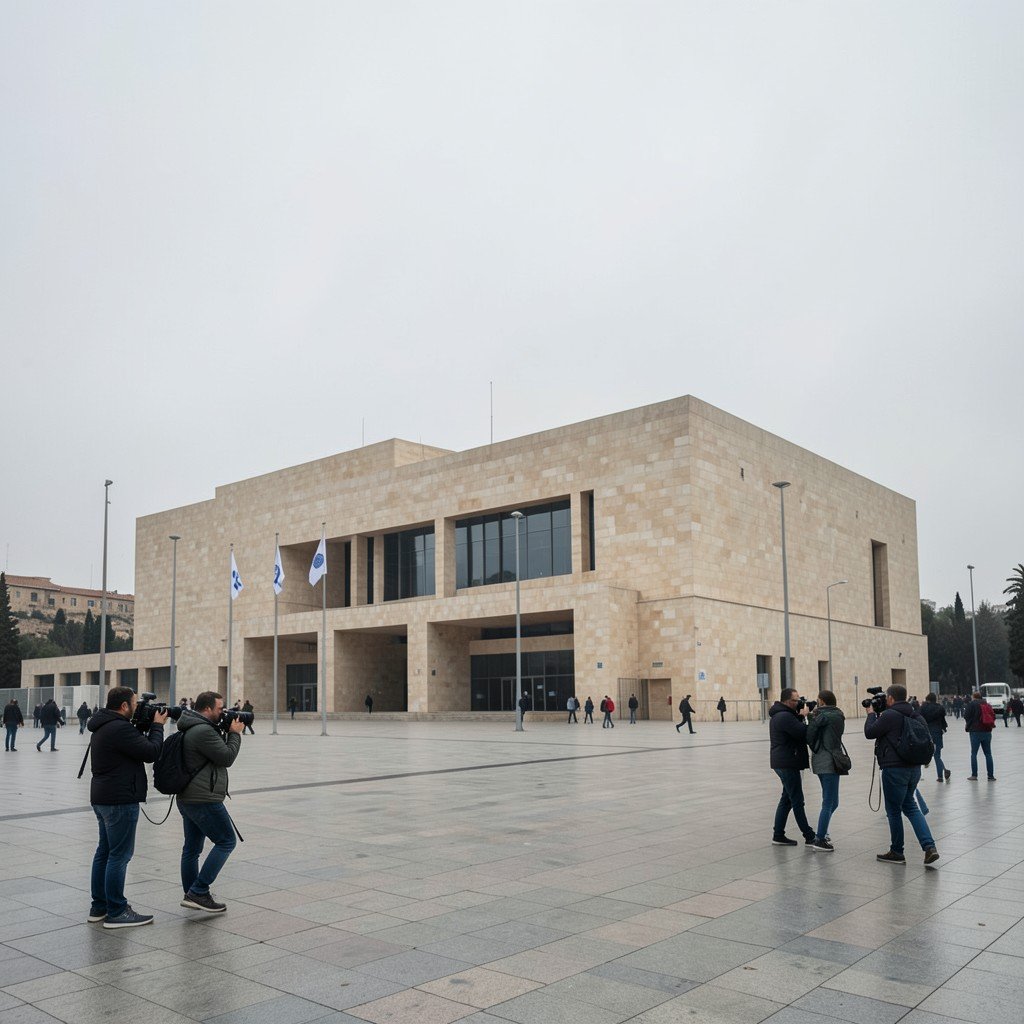
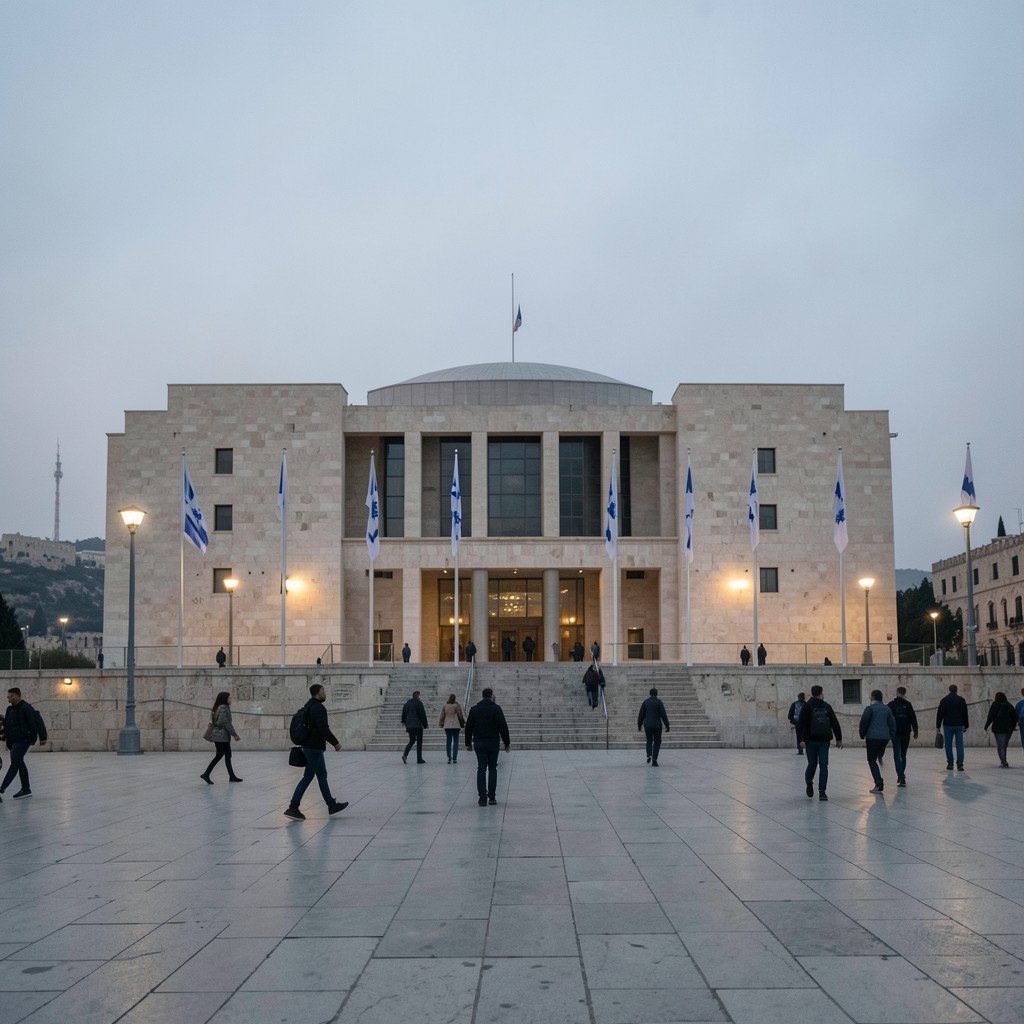
AI-generated representative image: The Knesset building in Jerusalem, as Israeli exit polls project a political deadlock with no clear winner.
Editorial Team
Editorial Team
Netanyahu's Likud-led bloc and the opposition each projected at 51 Knesset seats, leaving coalition talks in limbo

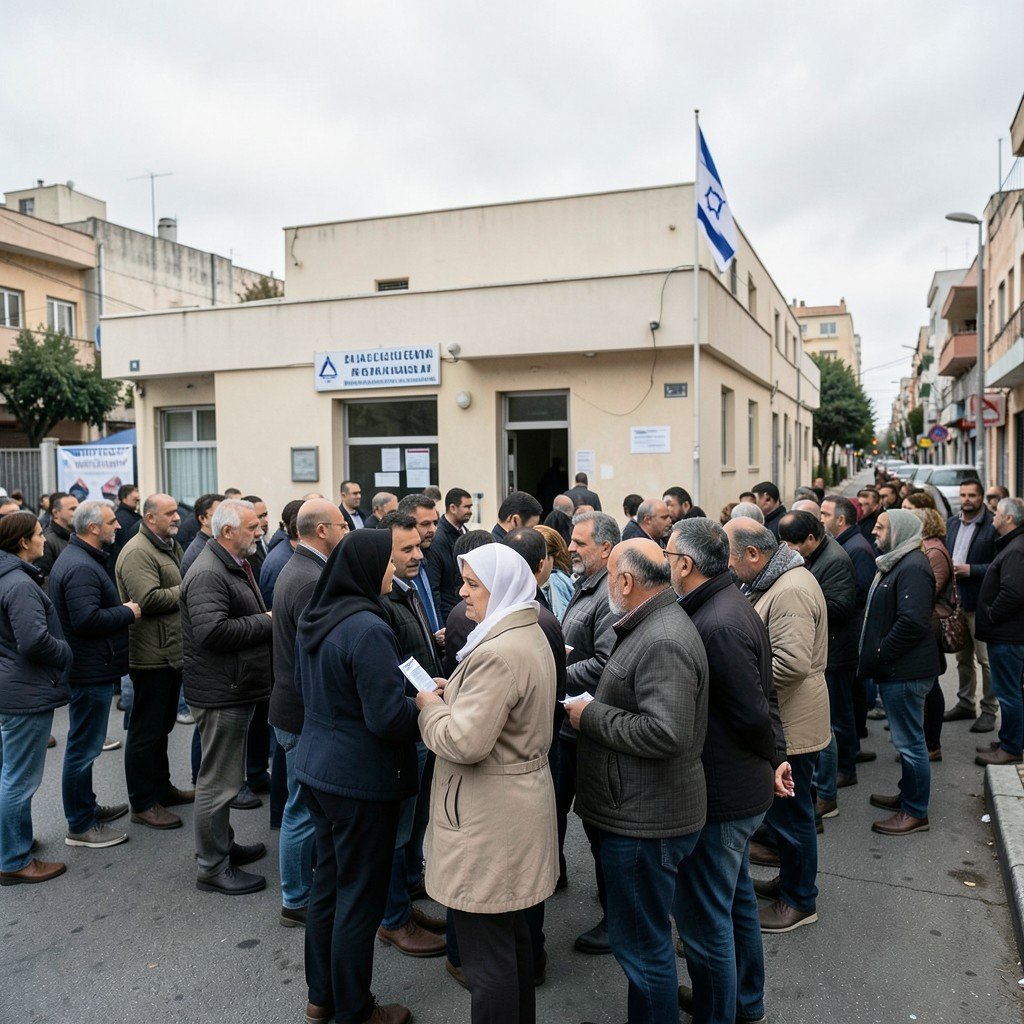
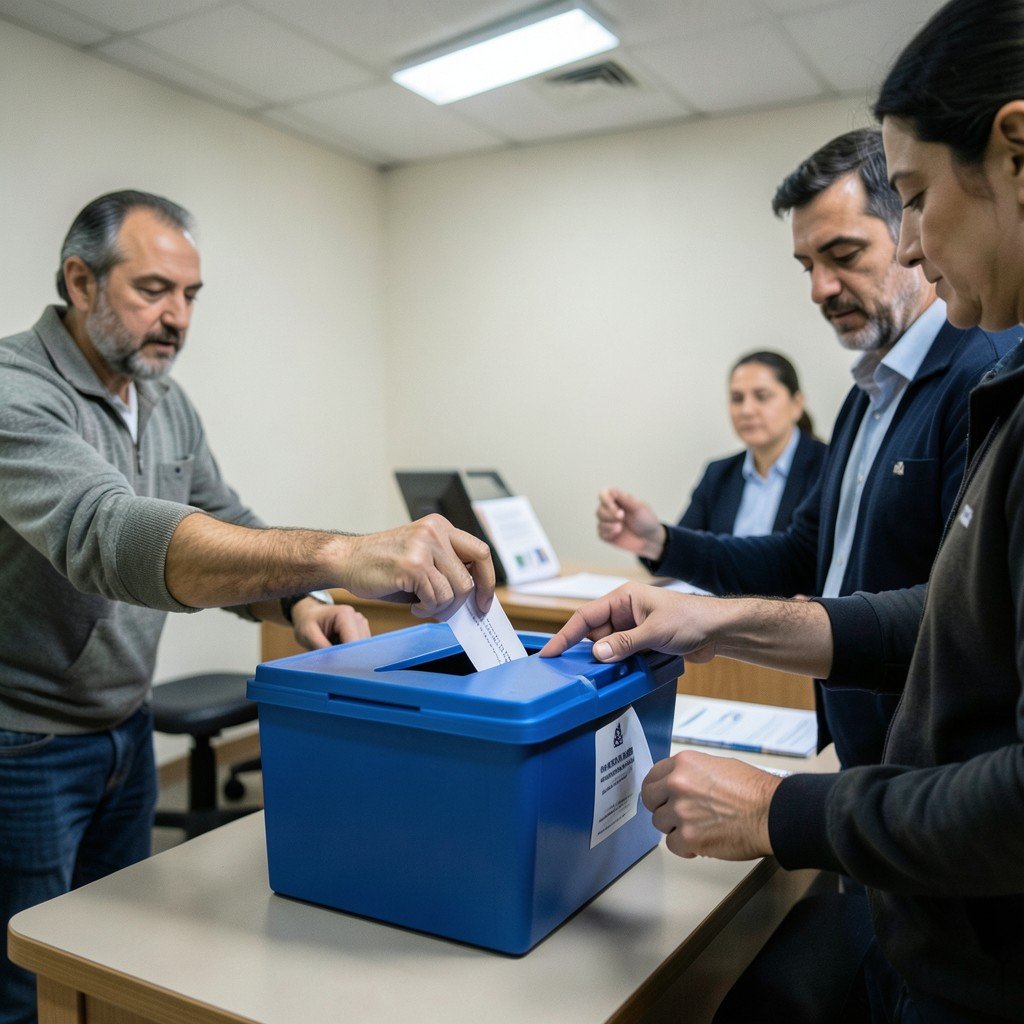
Exit polls from Israel's legislative elections show no party or bloc projected to secure a clear mandate to form a new government, setting the stage for prolonged coalition negotiations. The polls, released by major Israeli television networks on Tuesday, indicated that the bloc led by Prime Minister Benjamin Netanyahu's Likud party and the opposition bloc led by Gadi Eisenkot's Yashar party were each on track to win 51 seats in the 120-seat Knesset.

Neither figure reaches the 61 seats required for a governing majority, leaving Israel facing weeks or months of political bargaining to determine its next government.

The projected deadlock raises the prospect of extended political uncertainty in Israel, where Netanyahu has served as prime minister for nearly 19 of the past 30 years and has repeatedly survived political crises. The outcome could also grant unexpected leverage to the Arab-led parties, which are projected to win 18 seats and could emerge as kingmakers if either bloc agrees to cooperate with them.

Projected Results and Party Reactions

Exit poll projections show both major blocs locked at 51 seats each, with the Arab-led parties, which are not part of either coalition, projected to take 18 seats. Reactions from party leaders reflected the uncertain outcome.

Eisenkot said the exit polls demonstrate a "lack of confidence" in Netanyahu, while opposition leader Yair Lapid described the prime minister's bloc as suffering a "crushing defeat," adding that "this is a total collapse, and the public has told them to go home." Gideon Saar, Israel's foreign minister and a Likud member, pushed back, saying the opposition's celebrations were premature and noting that "Likud is the largest party in Israel."
Historical Precedent for Political Gridlock

This is not the first time Israeli politics has faced such a deadlock. Prolonged gridlock in the Knesset forced Israelis into three rounds of elections between April 2019 and March 2020. That cycle ended with a power-sharing agreement between Netanyahu and his then-chief rival, Benny Gantz, under which they were supposed to rotate the premiership. The government collapsed a year later after failing to pass a budget.

Netanyahu, who heads Likud, has remained a central figure throughout these political battles, repeatedly weathering crises that have threatened his hold on power.

Analyst Assessments and Coalition Prospects

Ehab Jabareen, a Palestinian political analyst and researcher in Israel, said the early exit poll projections show "a clear weakening of Netanyahu's bloc" but cautioned against "declaring either a Netanyahu victory or the end of his political career." He noted that if neither side can form a government, Netanyahu could remain in office as caretaker while negotiations continue.

On the question of whether the opposition would partner with Arab-led parties, both Netanyahu and Eisenkot have ruled out such cooperation, citing a lack of shared values. Israeli political analyst Asaf Ronel said the key question is whether leaders can overcome their "racism and refusal" to collaborate with the Arab-led groups, warning that otherwise Israel is likely headed to another round of elections within months.

What Happens Next

Once the final vote tally is confirmed on November 4, President Isaac Herzog will consult with party leaders and nominate the candidate he believes has the best chance of forming a government. The chosen candidate will have 28 days, extendable by 14 days, to assemble a coalition. If negotiations fail, a second and then a third candidate may be given opportunities, and if the Knesset remains at an impasse, new elections would be called within 90 days, with Netanyahu's government remaining in place as a caretaker in the interim.

MORE LIKE THIS

Comments (0)

Leave a comment

A verified Gmail account is required to post comments.

No comments yet. Be the first to share your thoughts!