

Lebanon Electricity Crisis Deepens as Power Cut to Public Bodies
news

Lebanon Electricity Crisis Deepens as Power Cut to Public Bodies

By Editorial Team•Nov 3, 2026 · 2:11 PM•4 min read
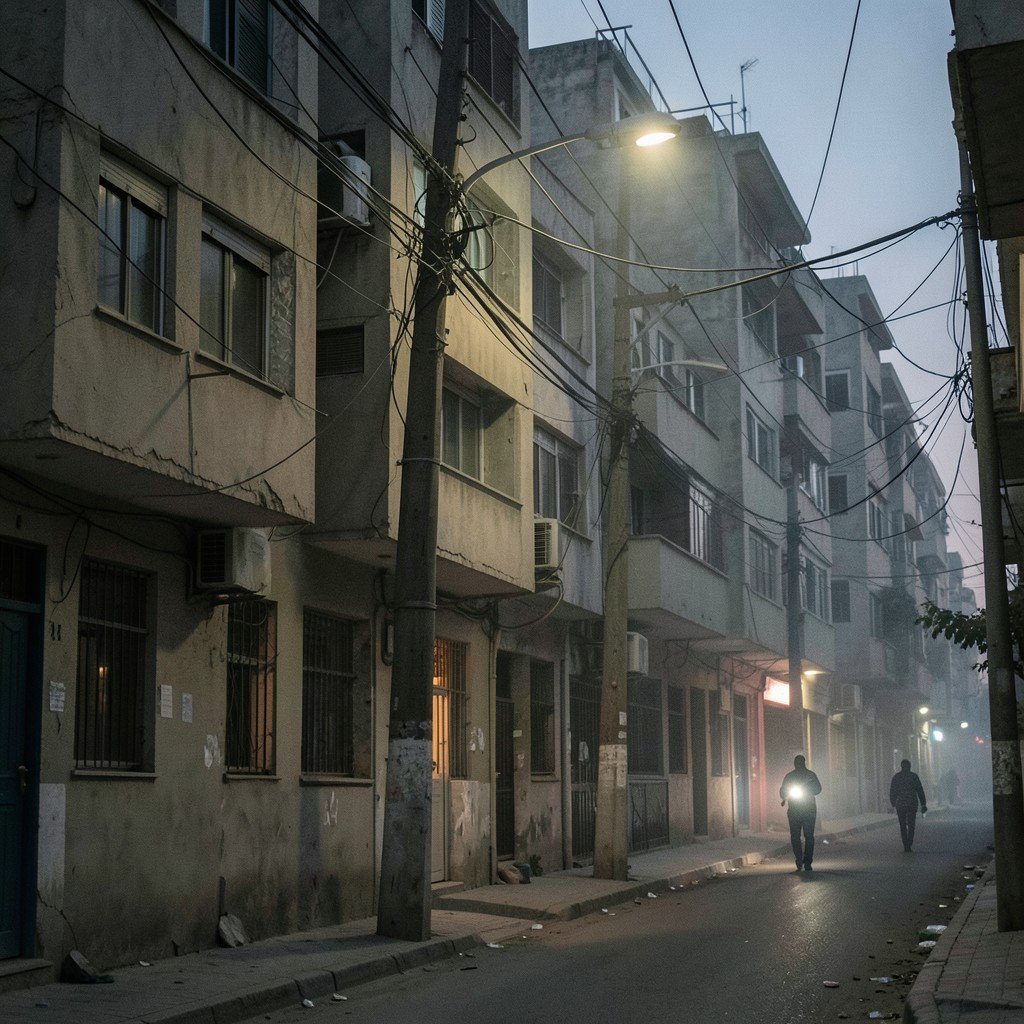
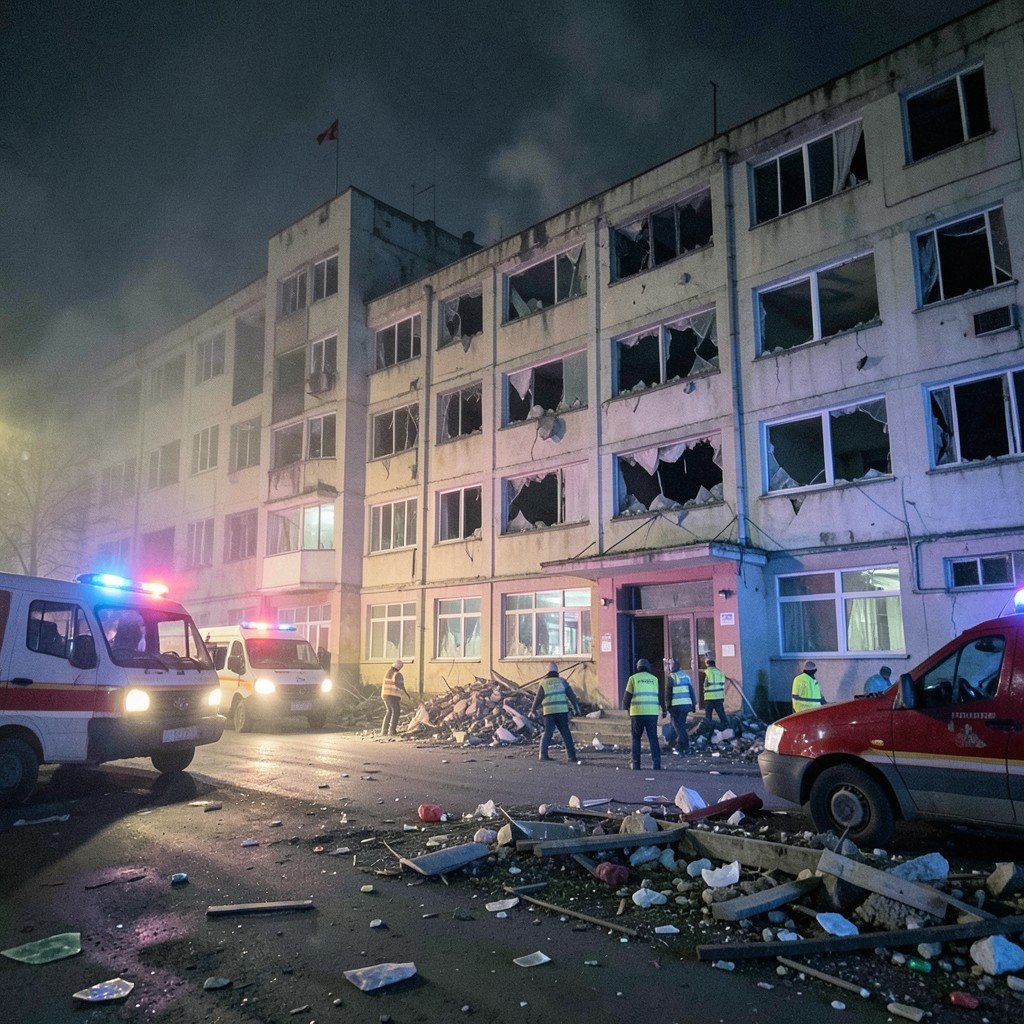
AI-generated representative image: A dim Beirut street at dusk with dark windows and tangled power lines, reflecting Lebanon's deepening electricity crisis.
Editorial Team
Editorial Team
Energy Minister Joe Saddi escalates standoff over unpaid bills as analysts warn structural reform is the only durable fix.

Lebanon's Ministry of Energy and Water has begun cutting electricity to roughly 100 public institutions with outstanding bill payments, according to local media. The measure took effect on Monday and marks a further escalation in Energy Minister Joe Saddi's dispute with the government.

Saddi has been boycotting cabinet meetings, saying the government has failed to meet his demands to increase power supply, reduce fuel costs and settle unpaid bills owed to the state-owned electricity company.

The move deepens a long-running crisis that has left Beirut residents with as little as two to four hours of state electricity per day, down from about 21 hours before the 2019 economic collapse. Analysts say the dispute is as much political as technical, with Saddi's Lebanese Forces party seeking to protect its standing ahead of any cabinet reshuffle.

The standoff affects public institutions, government finances and millions of residents already dependent on costly private generators.

Escalating Political Dispute

The shutdown of electricity to public bodies follows weeks of mounting pressure from Saddi, a member of the right-wing Lebanese Forces (LF) party. In early October he pledged to boycott cabinet meetings, and last Thursday he was joined by three LF ministerial colleagues. Saddi described the boycott as a way to force the government to focus on the electricity crisis.

After the draft 2027 budget was announced in October, the LF and Saddi raised objections, arguing the electricity sector was being neglected. The dispute has heightened speculation about a possible cabinet reshuffle or Saddi's resignation.

Saddi said he had been pressing Prime Minister Nawaf Salam's government to prioritise his ministry earlier this year, but reduced that pressure when Israel's war on Lebanon intensified in early March.
Years of Crumbling Power Supply

Lebanon has struggled with power cuts for years, but state-provided electricity dropped sharply after the 2019 economic and banking crisis. In Beirut, state supply has fallen from about 21 hours a day to just two to four hours, with some days seeing no power at all. In the absence of reliable state electricity, an alternative economy has emerged in which residents rely on private generators, many run by political parties or individuals with close ties to power.

When a reformist-led government took control in early 2025, there was hope for improvement. More than a year and a half later, state supply remains meagre while energy costs and inflation have surged. Under previous governments, the Energy Ministry was at times managed by the Lebanese Forces' main Christian rival, the Free Patriotic Movement (FPM). Its leader Gebran Bassil, a former energy minister who failed to deliver on promises of 24-hour electricity, has recently criticised Saddi's management.

Analysts Point to Corruption and Costs

Jessica Obeid, a Lebanese energy expert, said corruption lies at the heart of the sector's failure. "This sector has corruption across the entire supply chain, and it's in the billions of dollars, so it is not something that is going to disappear overnight," she said. Obeid added that Lebanon relies on very expensive diesel and ageing state-owned power plants, leaving little room for short-term fixes.

The World Bank projects year-on-year inflation of 17.5 percent this year, while fuel costs linked to the United States-Israel war on Iran have sharply increased electricity costs for private generators. Sami Zoughaib, an economist at The Policy Initiative think tank, said the boycott was a political move by Saddi's party to avoid losing popular support, and that the state "cannot reproduce the model of the past" of subsidised electricity.

Qatar Offer and Reform Outlook

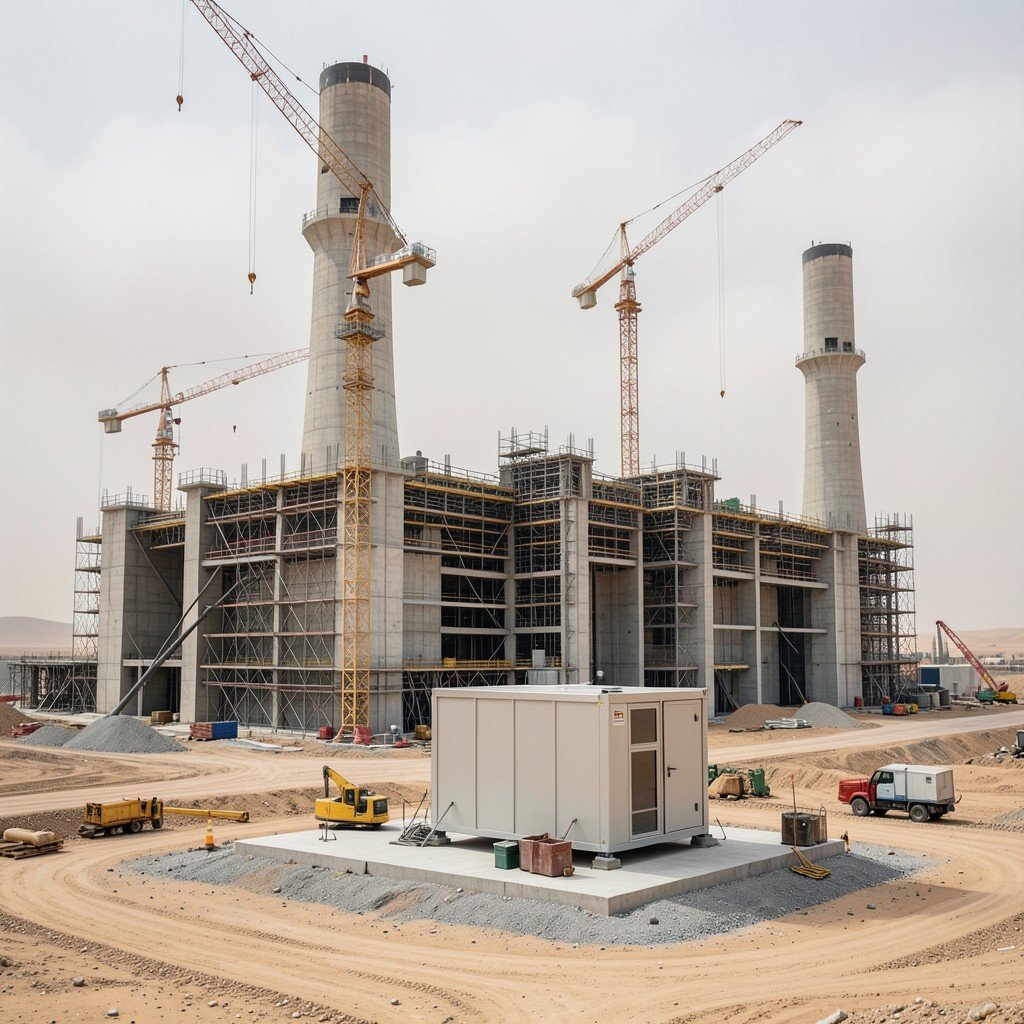
Qatar has stepped in with a potential lifeline. Qatar's Prime Minister Sheikh Mohammed bin Abdulrahman bin Jassim Al Thani visited Beirut last month and confirmed plans for an energy partnership including a solar project. Reuters reported that Doha has offered to build two power plants over three years and supply a 20-year liquefied natural gas deal.

Analysts caution that even if approved, the deal will not resolve the crisis without structural reform, including rebuilding the damaged grid and addressing political and financial instability that deters private investors. Saddi has proposed public-private partnerships, but experts say Lebanon's instability and unreformed banking sector remain major obstacles.

MORE LIKE THIS

Comments (0)

Leave a comment

A verified Gmail account is required to post comments.

No comments yet. Be the first to share your thoughts!