

Strait of Hormuz reopening: US urges Iran pledge
news

Strait of Hormuz reopening: US urges Iran pledge

By Editorial TeamJul 12, 2026 · 3:01 PM3 min read
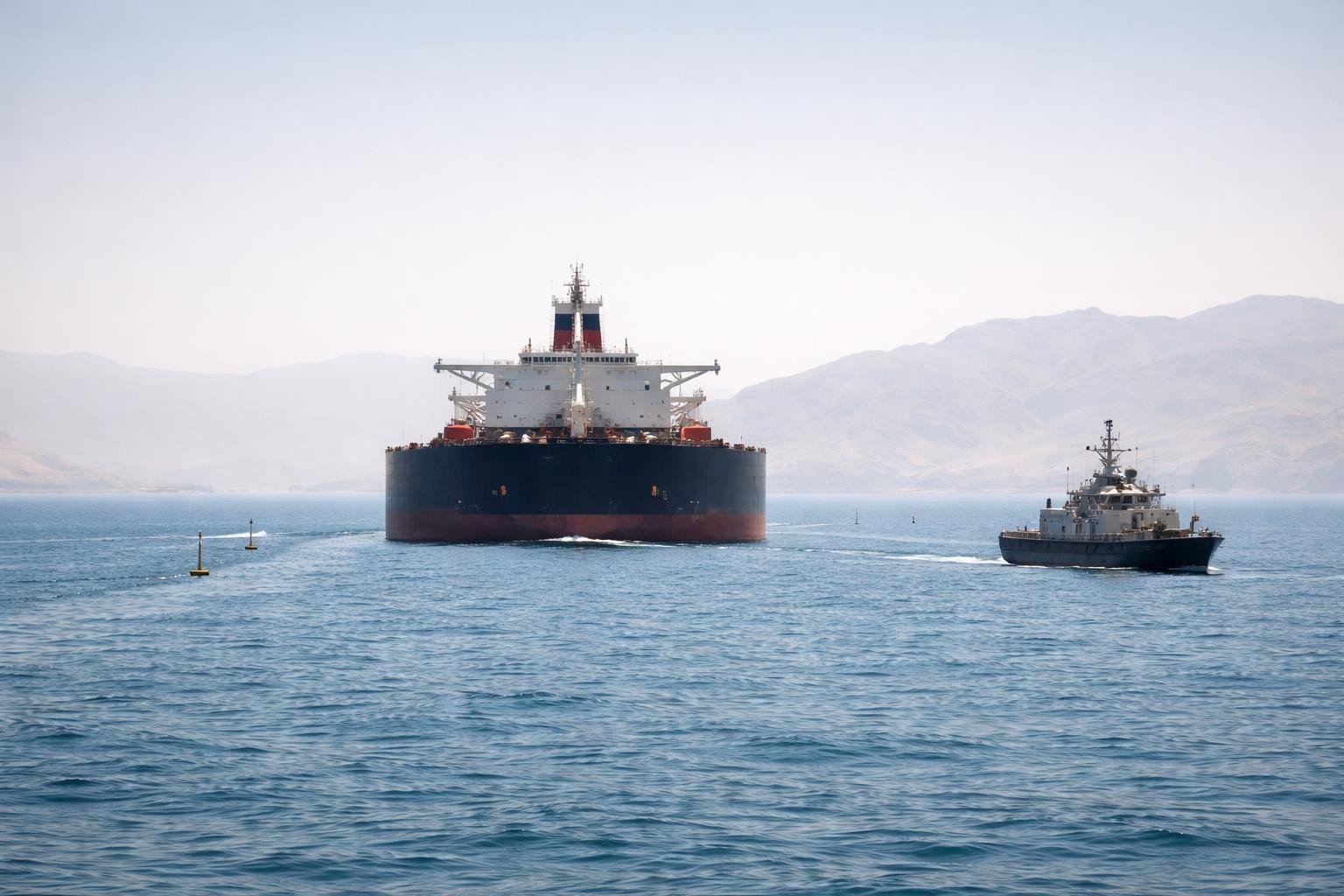
AI-generated representative image of commercial shipping in the Strait of Hormuz, as the US urges Iran to pledge safe, toll-free passage for tankers.
Editorial Team
Editorial Team

The United States is pressing Iran to publicly declare the Strait of Hormuz reopening complete and to pledge it will not attack tankers transiting the strategic waterway—an artery that carries roughly a quarter of global seaborne oil and liquefied natural gas (LNG) trade—according to multiple reports published Friday.

The dispute matters because any limits on navigation—or threats to tanker security—in the Strait of Hormuz can quickly disrupt global energy shipments and inflame regional tensions. Washington and Tehran are also split over how to interpret a June 17 memorandum of understanding (MoU) on managing the strait, with new US-Iran Oman talks expected Saturday.

Key developments

  • US officials said Iran should publicly state that “every channel in the strait will be open” and that passage will be “toll-free,” according to remarks carried by Voice of Urdu.

  • US officials said they expect Iran to accept those terms in a statement after negotiators meet in Oman on Saturday. One official warned that if Iran does not take that position, “it is not gonna be a great day for them.”

  • US President Donald Trump said on Truth Social on Friday that talks would continue, while also warning that “the Cease Fire is OVER!”

  • Iranian Foreign Ministry spokesman Esmaeil Baghaei rejected Trump’s claim that Tehran had requested a new round of negotiations, and said any US violations of the ceasefire would be met with “reciprocal action.”

  • Iranian media reported that Foreign Minister Abbas Araghchi will travel to Oman on Saturday to meet regional mediators.

  • Iran’s chief negotiator Mohammad Bagher Ghalibaf said Tehran remained “distrustful of the Americans” and that “the Iranian nation will never submit to oppression.”
Context and background

The US and Iran have offered competing interpretations of a June 17 MoU covering management of the Strait of Hormuz. The disagreement sharpened after the two countries traded strikes on Wednesday and Thursday, following accusations by Washington and Gulf states that Tehran was responsible for attacks on three commercial ships.

Iran had closed the strait to most shipping after a US-Israeli attack on February 28, and has since insisted vessels comply with its instructions and use designated shipping routes. Related coverage on escalation dynamics is available in Iran’s Plan to Strike Back Against the U.S..

Details and evidence

Under the June 17 MoU, Iran agreed to “make arrangements using its best efforts for the safe passage of commercial vessels” for 60 days, and to negotiate with Oman over the future administration of the Strait of Hormuz.

US officials’ latest demand centers on a public Iranian declaration that the strait is fully open across all channels and that transit will be toll-free, alongside a pledge not to attack tankers moving through the waterway. The stakes are heightened given the region’s role in global crude flows and the wider oil market backdrop, including Behind India’s Surge in Russian Oil Imports: The Role of Ambani.

Current status and next steps

As of Friday, US officials said they expected Iran to issue a statement after talks in Oman on Saturday. Iran has not been reported in the provided material to have publicly accepted the US terms.

Further clarity is expected from Saturday’s meetings in Oman, including any official statements from Tehran on navigation conditions, toll-free passage, and tanker security in the Strait of Hormuz.

MORE LIKE THIS

Comments (0)

Leave a comment

A verified Gmail account is required to post comments.

No comments yet. Be the first to share your thoughts!